Martin Austermuhle
 Dee Dwyer
 Amanda Michelle Gomez
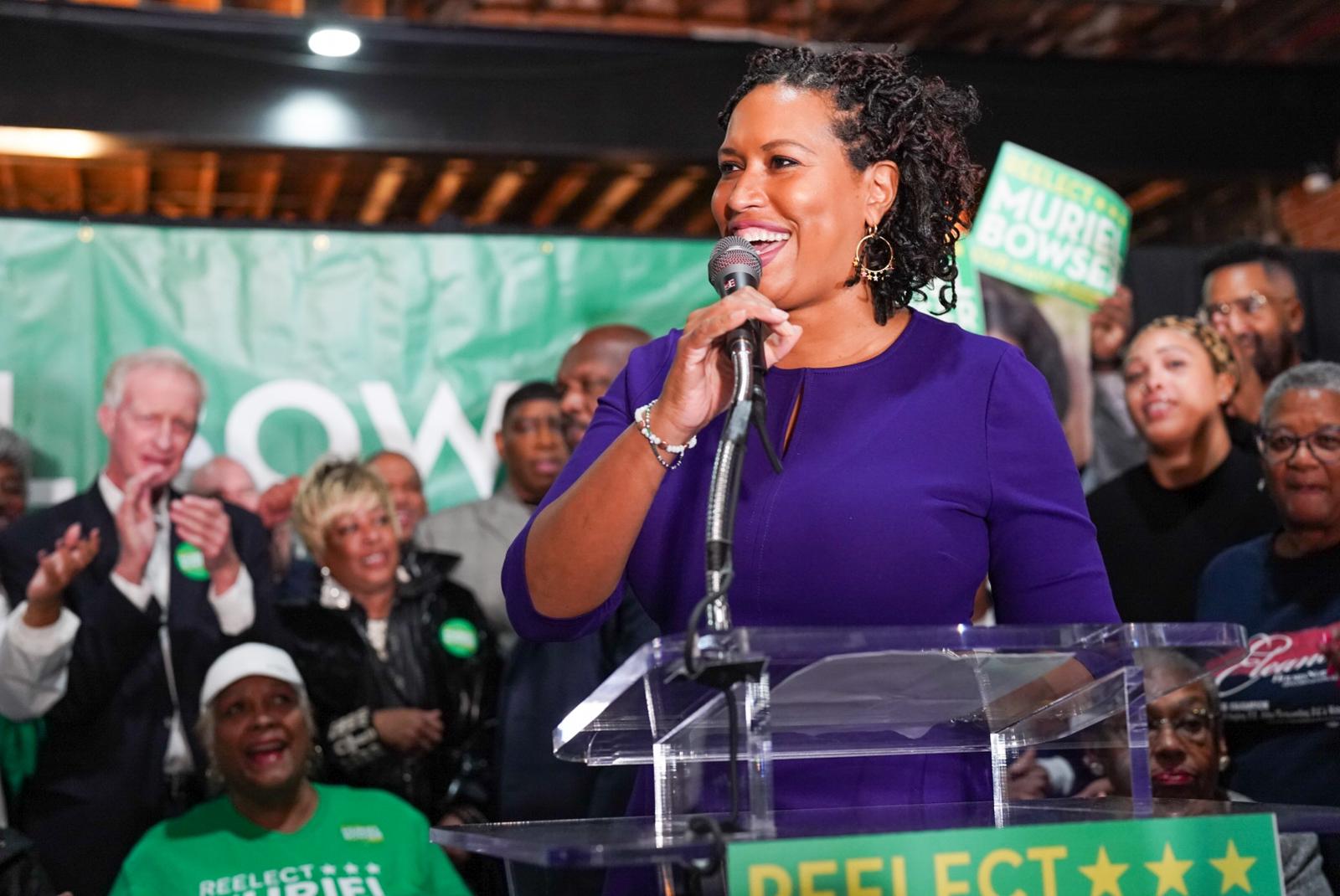
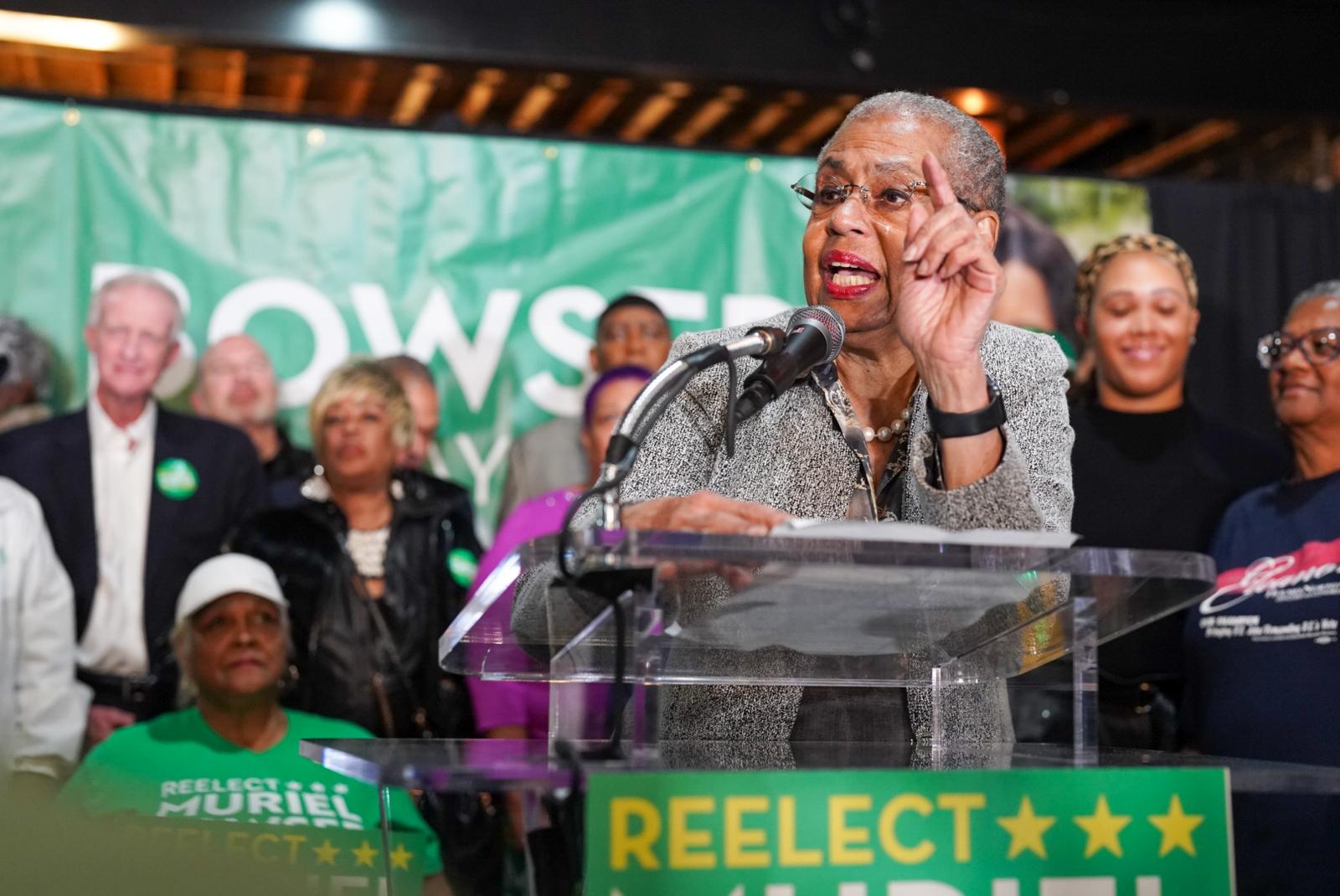
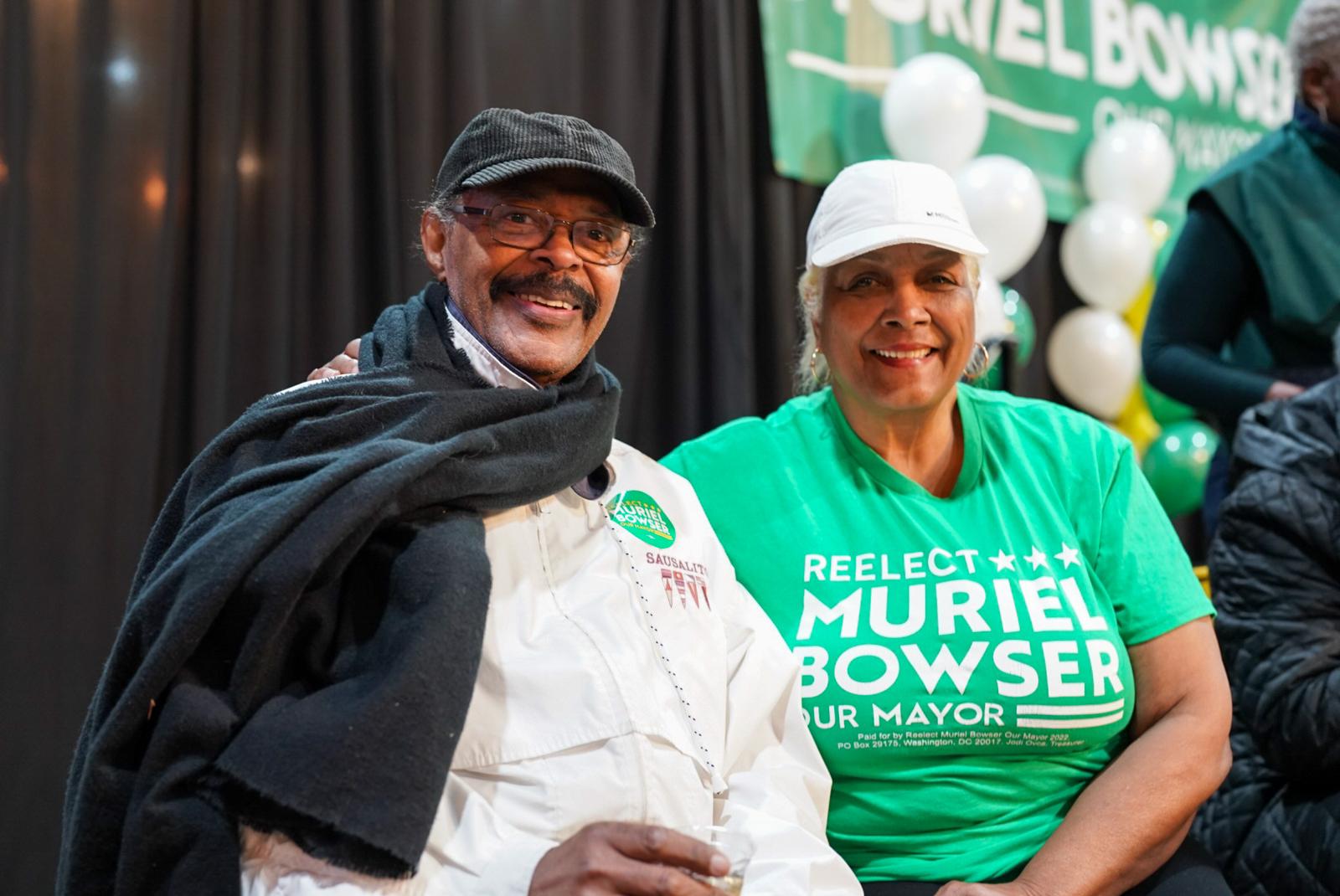
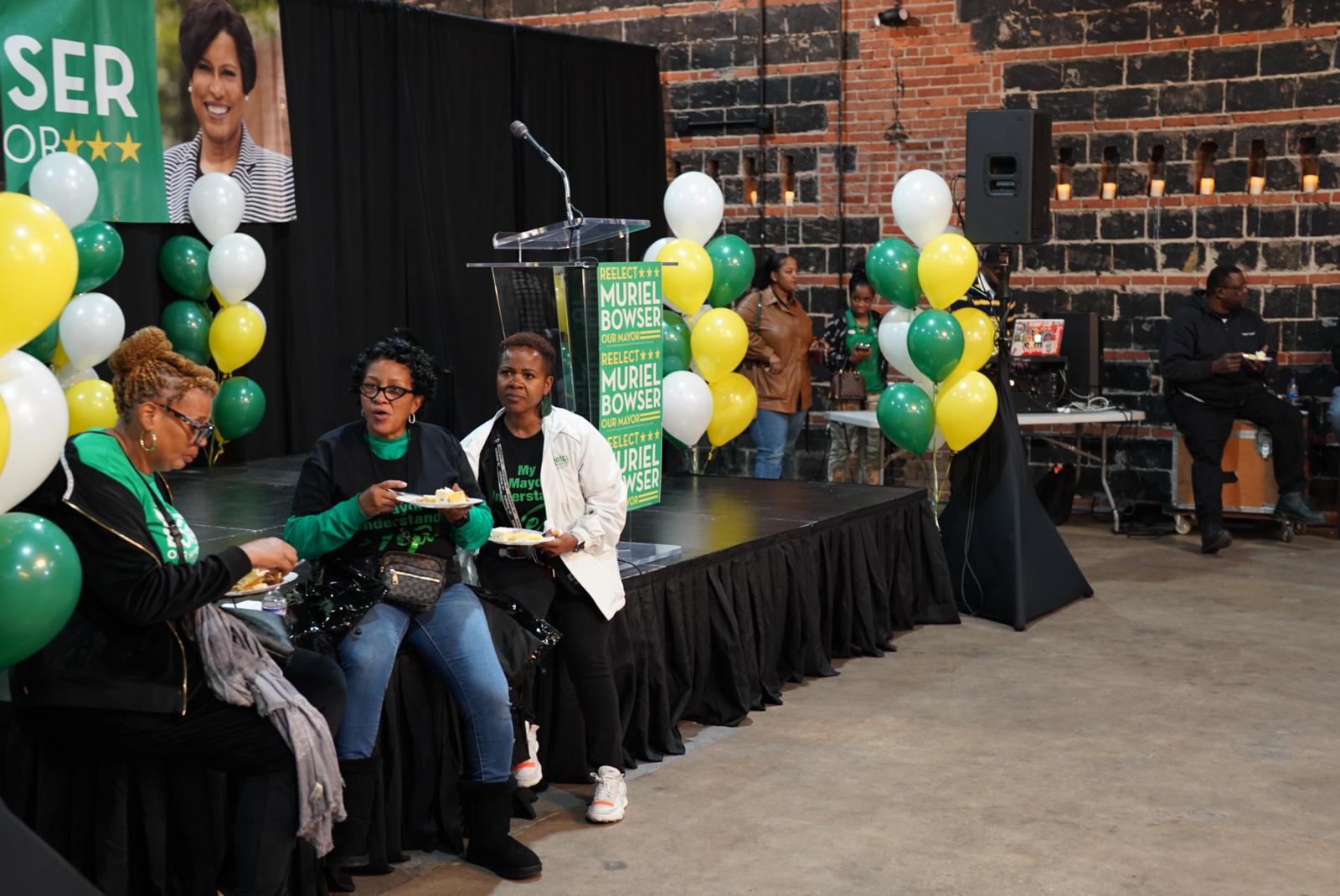
D.C. Mayor Muriel Bowser cruised to a third term in office on Tuesday, cementing her place in modern city history by becoming only the second mayor to be elected to three consecutive terms — and the first woman to do so.
And in a hotly contested race for an At-Large seat on the D.C. Council, current Ward 5 Councilmember Kenyan McDuffie took a steady lead over incumbent At-Large Councilmember Elissa Silverman — though both sides said they were waiting to see more votes counted into Wednesday.
The Associated Press called the race for Bowser — who won the city’s contested Democratic primary in June, making her the favorite to win on Tuesday — soon after polls closed. She faced only nominal challenges from independent candidate Rodney Grant, Republican candidate Stacia Hall, and Libertarian Dennis Sobin. By the end of Tuesday night, Bowser was leading with almost 75% of the vote.
“The time for us to make the decision was in the primary,” said Ward 1 voter William Shelton after casting his ballot in Cleveland Park, referencing the June election when Bowser held off progressive challenges from Councilmembers Robert White (D-At Large) and Trayon White (D-Ward 8). “She survived that gauntlet, so I’m a big supporter of hers and a big believer. In the third administration I think there’s some things she’ll now be able to get done that were a bit tough because of the pandemic.”
Speaking early in the day as she visited polling places, Bowser sounded a similar note, saying that voters had indicated during the primary that they supported how she had run the city for the past eight years and were willing to trust her for another four.
“Voters want to see a leader who has the experience to make tough decisions and bring our city back from the pandemic. That’s going to be our focus. We have the experience and energy to get the job done,” said Bowser, 50, speaking outside a polling place in Ward 4.
Since she was first elected in 2014, Bowser has touted herself as a pragmatic, business-friendly, and drama-free chief executive. She oversaw a ballooning of city revenues as development and new residents poured in the city, pursued D.C. statehood with more gusto than any of her predecessors, and committed significant amounts of money to ending family homelessness and building new housing across the city.
Bowser also drew plaudits for her management of the COVID-19 pandemic; residents and visitors often commend the city’s COVID Centers where they can get free vaccines, boosters, tests, and masks. And she raised her profile nationally when she challenged then-president Donald Trump during the racial justice protests of 2020 by creating Black Lives Matter Plaza just north of the White House.
https://twitter.com/MurielBowser/status/1590182449103130624?s=20&t=OJi-DGvIiNVOgyZTAmNLuw
But the downsides of the city’s rampant development have become more evident in widespread displacement of Black residents and a stubborn problem of chronic homelessness. Critics have also said she hasn’t committed enough to building truly affordable housing, and has neglected the city’s decaying stock of public housing. Bowser is also facing persistent concerns with violent crime in D.C., and her balancing act of trying to hire more police officers while funneling resources to violence interruption programs has often drawn criticisms from both sides. And some have taken to questioning her management of city agencies; the city’s crime lab lost its accreditation under her watch, for one.
In other races on Tuesday, Democrat Brian Schwalb won an uncontested race for attorney general, and will succeed D.C. Attorney General Karl Racine in January. Schwalb will be only the second elected attorney general in the District. Councilmember Charles Allen (D-Ward 6) won a third term in a race where he faced no challenger in either the primary or general elections.
Incumbent lawmakers Brianne Nadeau (D-Ward 1), Anita Bonds (D-At Large), and D.C. Council Chairman Phil Mendelson took large leads in their own races, as did D.C. Del. Eleanor Holmes Norton and Shadow Representative Oye Owolewa. First-time council candidate Zachary Parker had a significant advantage in the Ward 5 race, and Democrat Matthew Frumin was polling ahead of Republican contender David Krucoff in Ward 3.
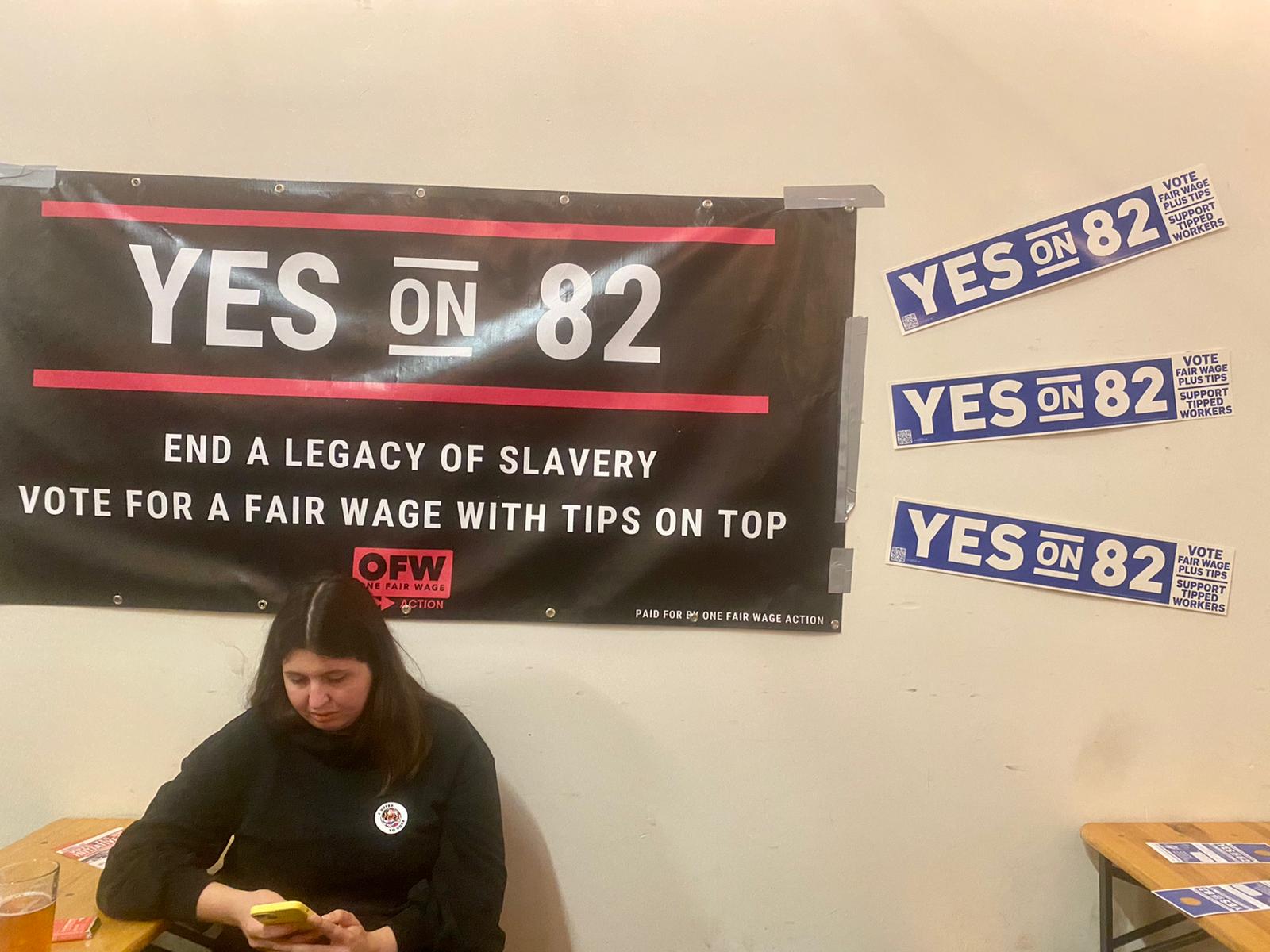
The “yes” vote on the controversial Initiative 82, which would phase out the tipped minimum wage in the city, also emerged victorious, with more than 74% of the vote in its favor. As written, the measure will require businesses in the District to pay tipped employees the full prevailing minimum wage by 2027 (currently they pay just $5.35 an hour, and the rest is made up by patrons’ tips). D.C. residents similarly voted to eliminate the tipped wage in 2018, but the voter-approved measure was later repealed by the council.
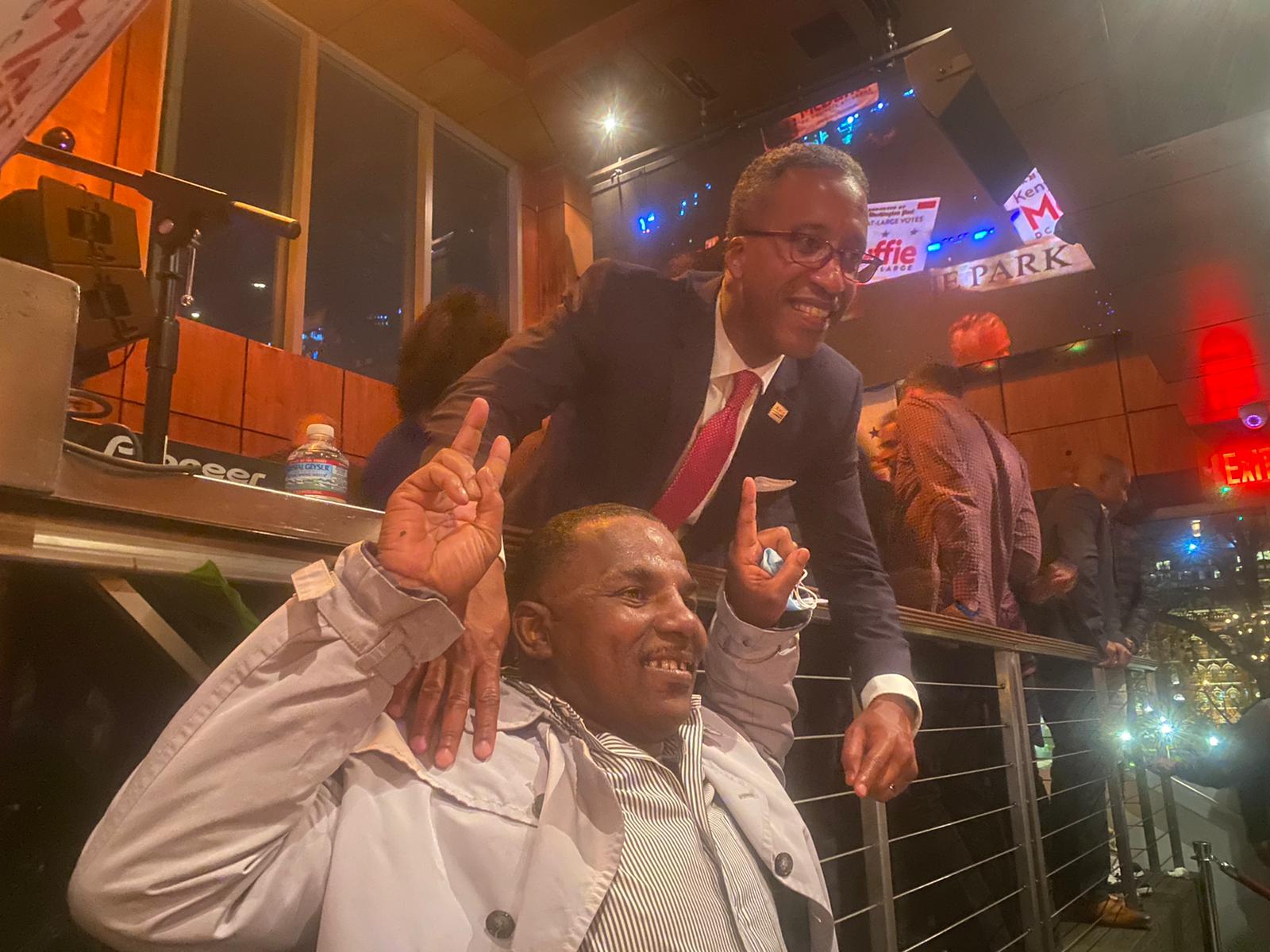
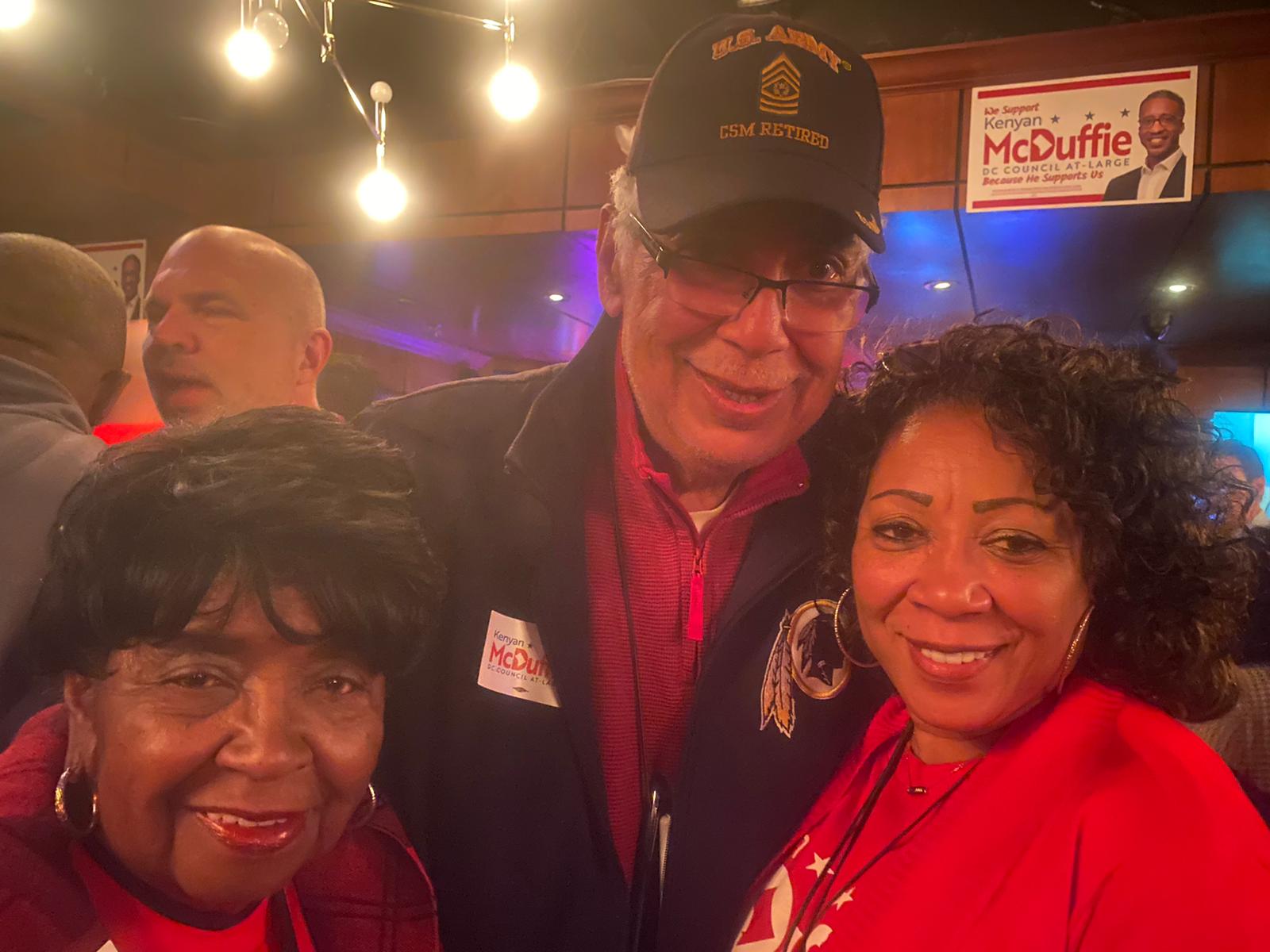
The fate of the competitive race for a second At-Large seat on the council remained up in the air by Wednesday morning, though, with McDuffie leading Silverman by just over three percentage points and remaining candidates Karim Marshall, Graham McLaughlin, Fred Hill, Giuseppe Niosi, and David Schwartzman trailing further behind.
Speaking to supporters at the City State Brewery in Northeast, Silverman conceded that the race was a “nail biter” but struck the same defiant tone she maintained throughout the campaign, when she accused McDuffie of being backed by developers and other special interests. “There was a lot of money spent in this race to defeat us. But we’re not going to be defeated no matter the result,” she said. “We can’t let the dark money special interests get us down.”
At his own election party at a downtown club, McDuffie — whose campaign for attorney general imploded earlier this year, leaving him possibly out of public service — spoke to a jubilant crowd expecting victory, leveling his own criticism at Silverman. “You can’t just claim to represent part of the city if you’re going to be an At-Large councilmember,” he said.
Voting proceeded smoothly at polling places across the city on Tuesday, with few crowds or hiccups reported. (Long lines were reported at a polling place in Adams Morgan when only a single ballot printer was operational.) More than 100,000 voters had cast ballots ahead of Election Day, the majority of them opting for the mail ballots that have become a permanent fixture of city elections since the pandemic hit more than two years ago.
This story has been updated with the latest results from D.C.’s election.