Jacob Fenston
Early in the pandemic, people were desperate for more room to safely spend time outdoors. Officials in the D.C. area experimented with making more space by closing certain roads to car traffic, and opening them to pedestrians. Now, motor vehicles are again humming along on the vast majority of those roads.
But some of these temporary pandemic measures have proven overwhelmingly popular, leading to long-term changes — Rock Creek Park’s Beach Drive being the most obvious example. But even on roads where cars have returned, temporary pandemic measures may have lasting impacts.
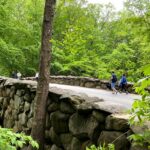
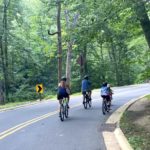
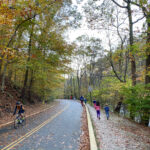
On a recent cold and windy morning, a few dozen people gathered in Rock Creek Park to celebrate the permanent closure to cars on Beach Drive, the main roadway through the large forested park.
“I cannot tell you how much stress has been lifted, not having to worry about the car that’s going to pass me unsafely,” says Diane Bolton, who biked to the party with her 8-year-old son.
For decades, the twisting two-lane Beach Drive was a busy commuter thoroughfare for drivers heading into downtown D.C., handling some 8,000 cars a day. Now, says Bolton, the road is filled with people “cycling, walking, hiking, scooting, rollerblading, you name it.”
The National Park Service initially closed nearly three miles of Beach Drive to cars in April 2020.
“We kept thinking that it would be, you know, three months, six months – ok, a year,” says Julia Washburn, superintendent of the park. “We just kept extending it because COVID kept going much longer than any of us had ever anticipated. During that time, some people started to say, ‘well, why don’t we keep it closed?’”
‘That’s not splitting the baby’
In fact, people have been campaigning to close Beach Drive to cars for decades, but it took a global public health crisis to finally make it happen.
“The pandemic really allowed for things to accelerate far faster than they normally would have, in terms of broad public acceptance,” says Stephan Schmidt, an associate professor of city and regional planning at Cornell University, who has studied pandemic street closures.
Pre-pandemic, there was a growing movement in many cities to reallocate some of the public space long dominated by the automobile: taking out parking spaces to make way for protected bike lanes, closing arterial streets for one-day events, implementing “road diets” to make streets slower and safer, and limiting motorized access to parks.
When the pandemic hit, with everyone except essential workers hunkered down at home, all those lanes of asphalt crisscrossing the nation were suddenly not needed for the daily commute.
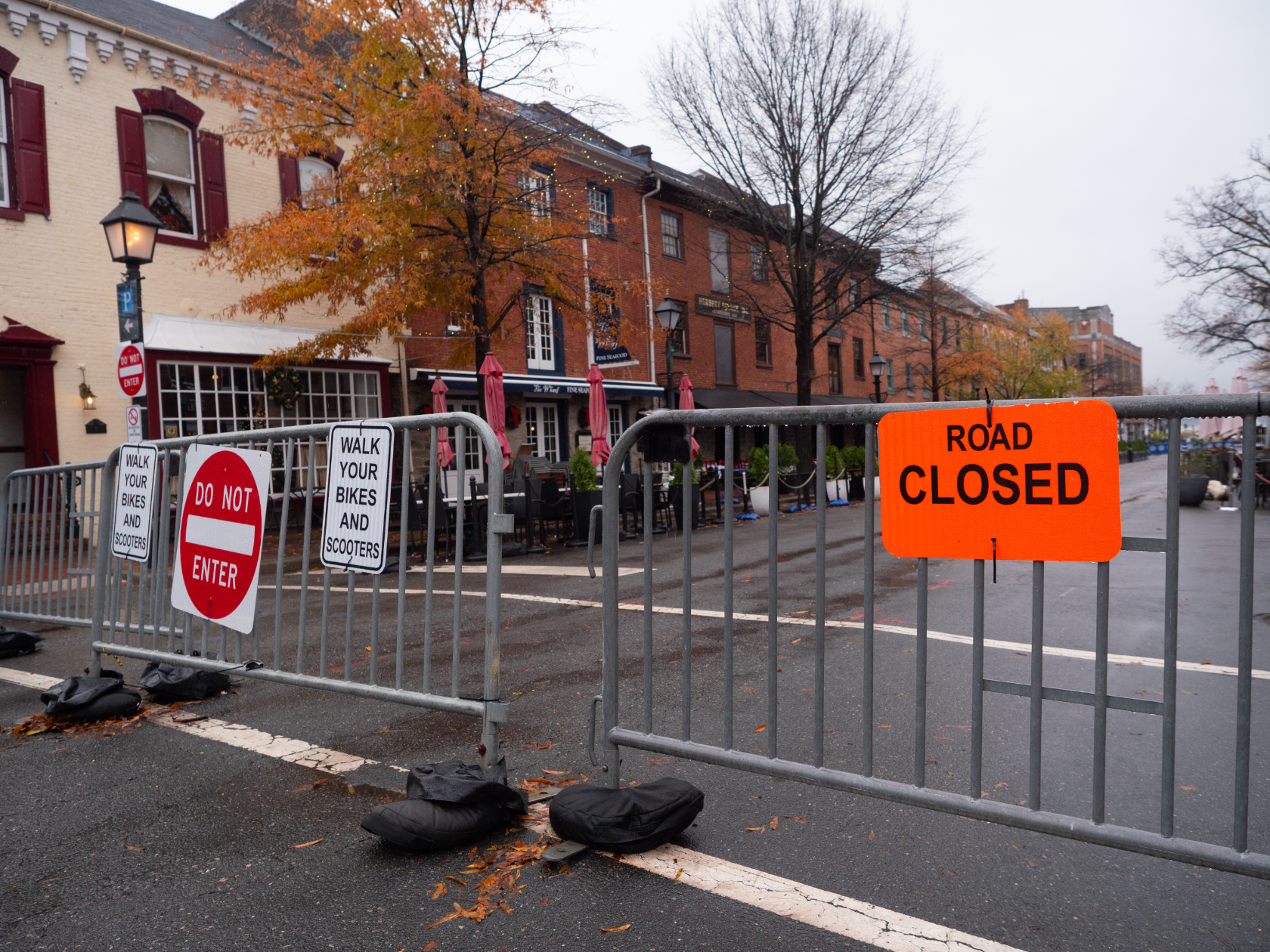
Schmidt’s research found that 157 municipalities in 35 states experimented with closing streets to vehicular traffic in 2020 and 2021. But most of these experiments ended quickly: 84% were designated as temporary from the start, and 94% were over within six months.
Some of the changes, though, were too popular to switch back easily. In D.C., park officials proposed a compromise: bringing back cars nine months a year. The proposal was met with an onslaught of opposition from residents who had come to enjoy the car-free roadway.
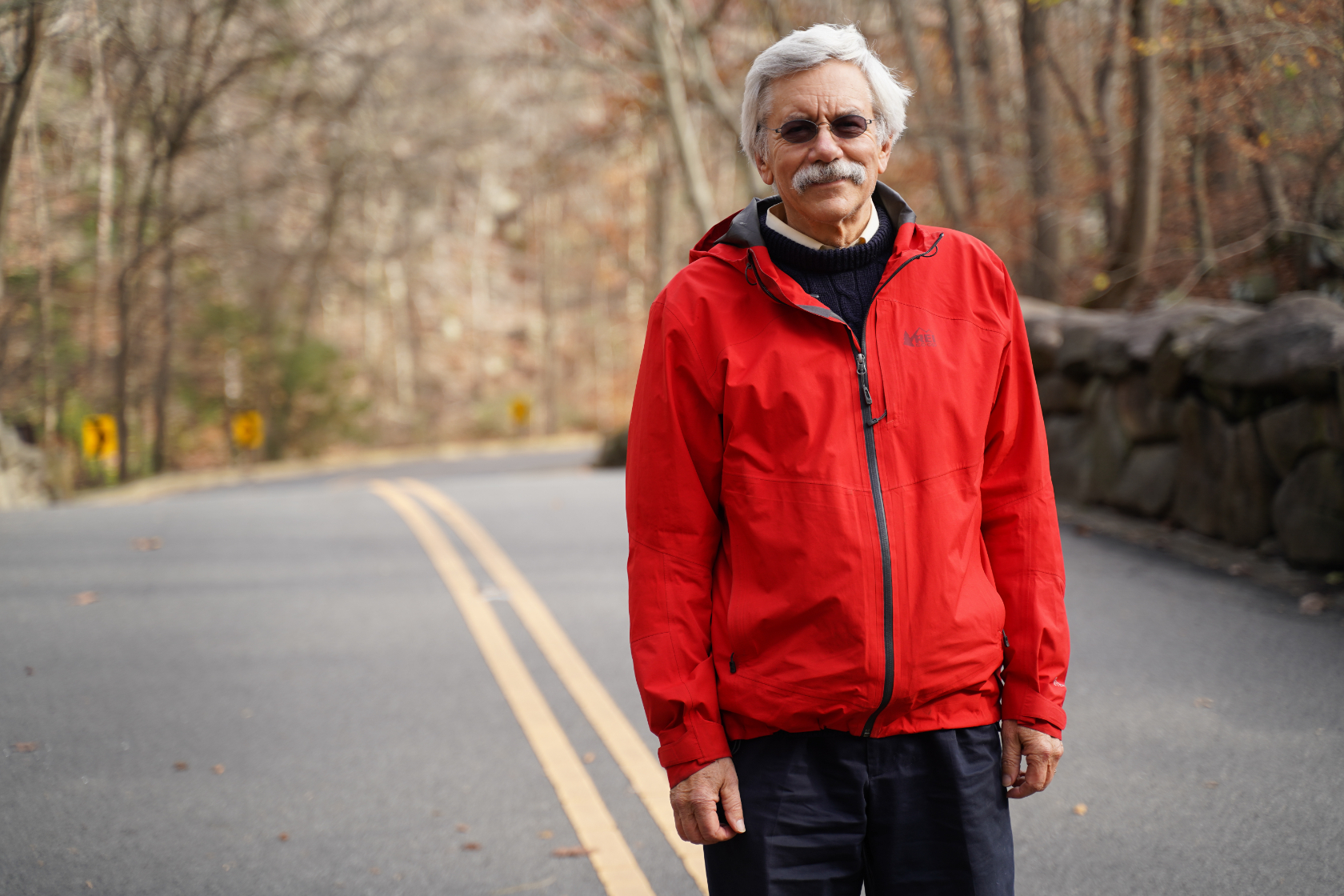
“Everybody jumped all over them and said, ‘wait, that’s not a fair compromise, that’s not splitting the baby,’” says Peter Harnik, a local cyclist and activist. “We don’t even think you should split the baby, but if you’re going to split the baby, let’s split it a lot more fair than that.”
During a public comment period, NPS received 3,696 correspondences, 67% of which supported a year-round closure. Only 9% supported the NPS-preferred seasonal closure, while just 4% supported returning to the pre-pandemic status quo, with the road open to cars year-round.
Lessons learned from temporary closures
Elsewhere, in the region, officials did find compromises as more people started driving again.
Early in the pandemic, Montgomery County started closing sections of three parkways to cars on weekends. Recently, officials reconfigured a one-mile section of Little Falls Parkway, keeping two lanes for pedestrians seven days a week, with two lanes for drivers.
Previously, the parkway in Bethesda was a four-lane 35-mile-an-hour thoroughfare. Now, it’s a place where residents can walk dogs, or teach their kids to ride bikes, safely separated from traffic by a grassy median.
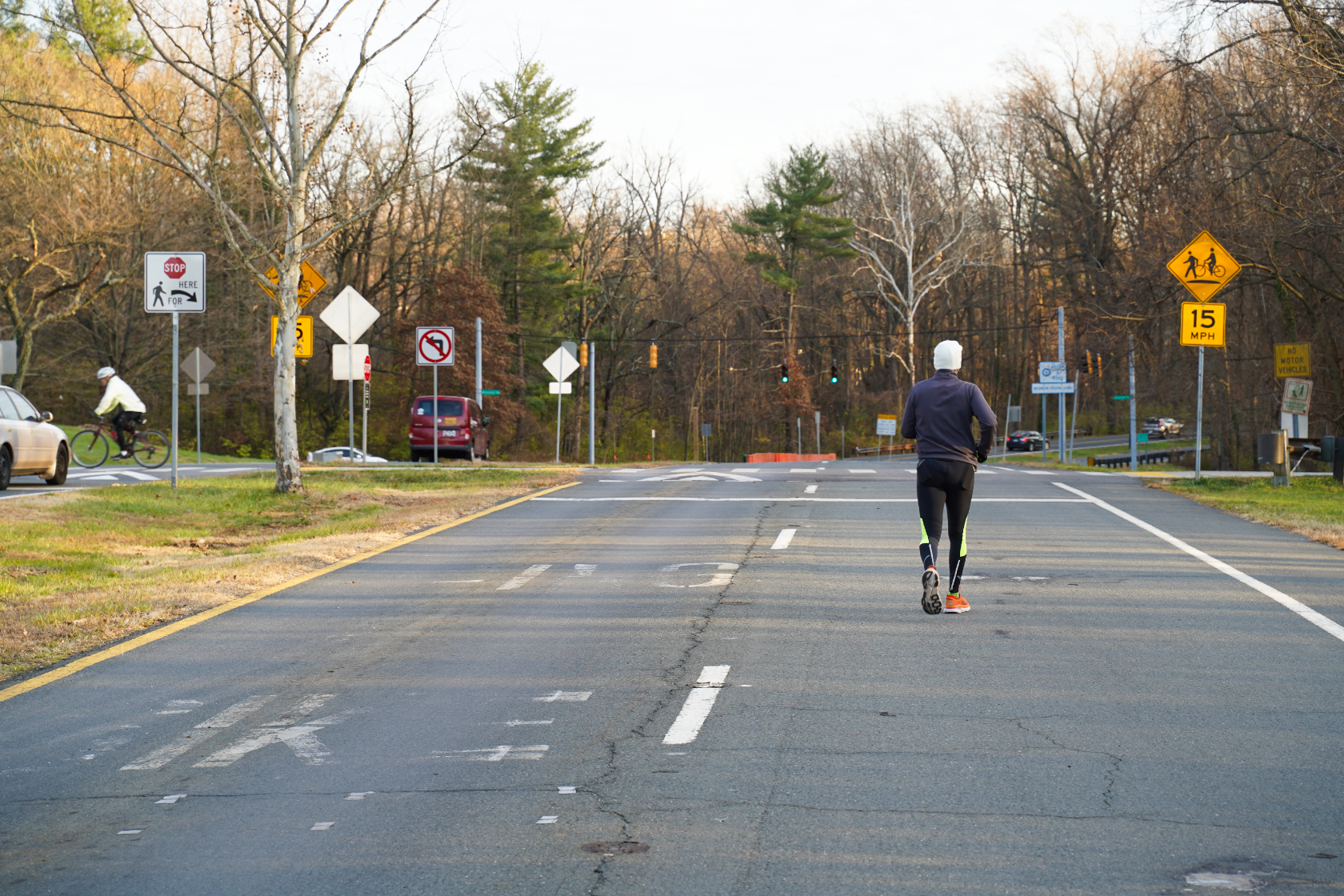
Andy Frank, with Montgomery Parks, says it’s currently in a pilot phase.
“I think this is here to stay. I mean, people really like this idea of rethinking – ‘Do we really need as much capacity in this roadway, or could we use this scarce parkland for something a little bit different?’”
Similar experimentation played out across the country, says Zabe Bent, director of design with the National Association of City Transportation Officials.
In the early days of the pandemic, Bent says, cities tried out all sorts of things in public space usually taken up by cars. There was the ubiquitous outdoor dining, of course, where parked cars gave way to “streateries,” but also things like food distribution and housing for people experiencing homelessness.
“One of the lessons is that you can do things differently. We can use streets differently,” Bent says. “Of course, another lesson is that we can move quickly when needed.”
Another lesson from the pandemic, she says, is that changes can be iterative: try something temporary, if it doesn’t work change it, or try something new.
Such iterative change has been happening in Montgomery County, where officials have been piloting various configurations and adjusting as needed. For example, initially workers had to manually put up and take down barriers for each closure. Now there are swinging gates in place to make the job easier.
On Little Falls Parkway, officials plan to “activate” the closed portion of the road next spring, with things like events, entertainment, games, and food trucks. They’re also considering removing the lane stripes, and replacing the markings of traffic control with paint encouraging play: four square courts and hopscotch, for instance.
Across the Potomac, Alexandria has also been experimenting with what started as a temporary closure in Old Town. Katye North, with the city’s transportation department, says the pedestrianization of King Street started with a partial closure early in the pandemic.
“One of the first things we did was just close down a portion of the street and opened up the sidewalk a little bit more,” says North. “There was still traffic flowing through, and we quickly realized that that just wasn’t going to work.”
When the partial closure didn’t work, officials closed off the entire 100 block of King Street. Last fall, the city council voted to make that permanent. Then, in November this year, the council voted to add the unit block of King Street and the northern portion of the Strand to the permanent closure.
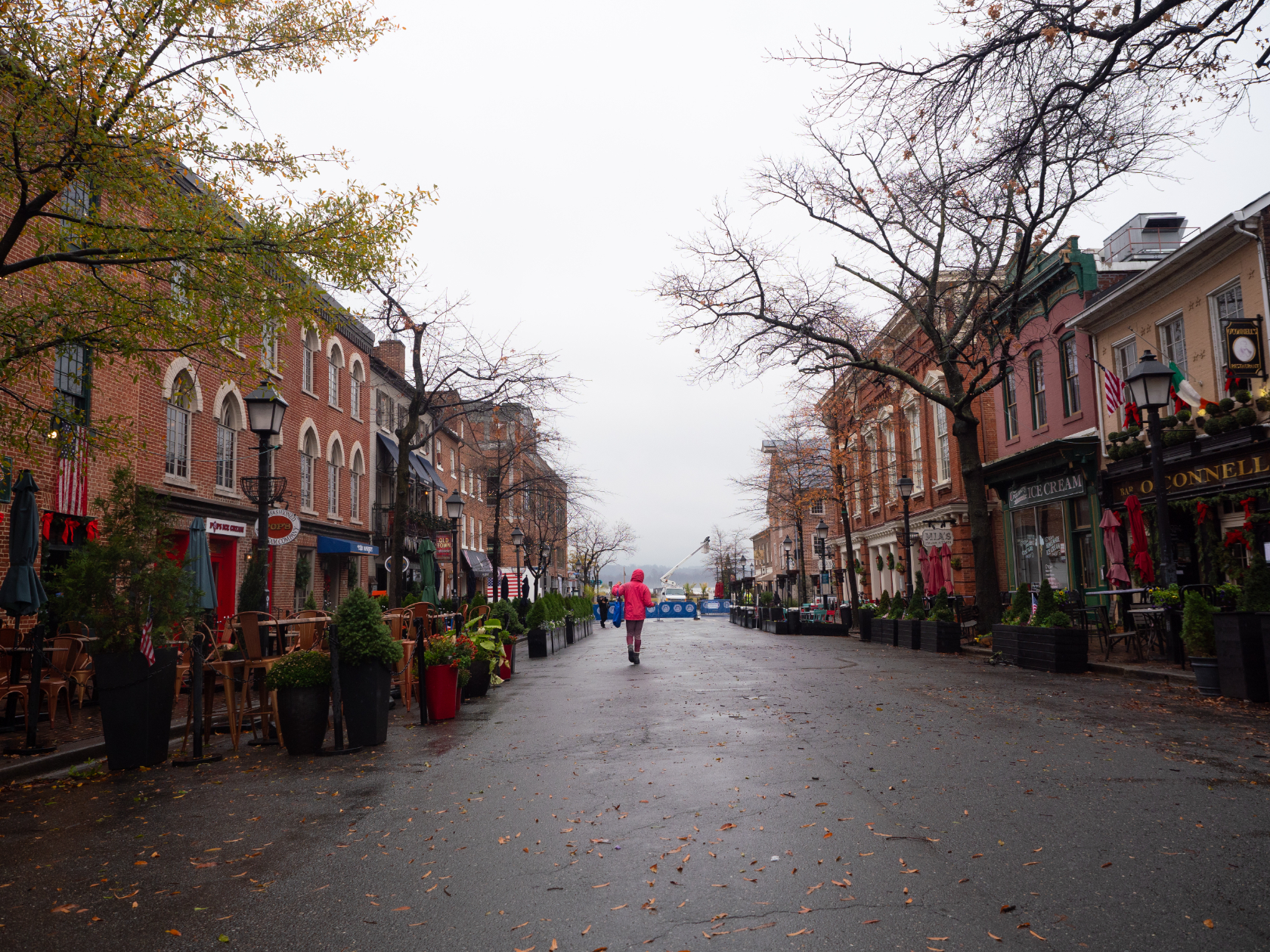
In the coming months the city plans to replace temporary barriers with more permanent bollards, and in the long term do a complete redesign of the pedestrian area, connecting it more seamlessly to the adjacent waterfront park.
The changes were incredibly popular: of some 1,800 people who provided feedback, 90% supported the permanent closure.
In D.C., the National Park Service is also adjusting things on the go: officials are now planning to implement “scenic driving days,” where drivers will have occasional access to parts of Beach Drive that are normally now closed to traffic.
“We’ve contemplated other things, like golf cart tours and such,” Washburn says.
A ‘return to normalcy,’ and a return to traffic
Jeff Speck, a city planner based in Boston, says part of the reason many road closures ended was because of how they were initially proposed: as short-term solutions amidst a public health crisis.
“I think some of it is this idea of ‘return to normalcy.’ So if normal is cars and we want everyone to feel like COVID is over – we’re moving forward – we’re going to go back to cars,” Speck says.

A decade ago, Speck authored the book “Walkable City: How Downtown Can Save America, One Step at a Time.” The book is now out in a new edition, including a section on lessons learned from the coronavirus pandemic.
“We have built a landscape over the last 60, 70 years, in many cases with the underlying presumption that you will have a car to get around, you will need a car to get around,” Speck says. “In that context, it’s very natural to slip back into that lifestyle of giving as many lanes as possible to drivers.”
Even in places where streets did return to the pre-pandemic status quo, Speck says there may be a lasting shift, opening the door to further reimagining how public space is used.
“You have a lot of people now who have experienced that quality of life and they’re much more open now in the future when a city is considering a change like that, they understand what it means, and I think that they’re going to be much more supportive.”
Concerns about access and traffic
Of course, taking away space from cars is always going to spark opposition. In D.C., some residents who live near Rock Creek Park complain of an increase in car traffic, spilling onto other streets.
“I am concerned for the safety of children in my neighborhood,” says Patience Singleton, an Advisory Neighborhood Commissioner in Ward 4, in an email to DCist. “Closing Beach Drive to cars diverts traffic into surrounding neighborhoods.”
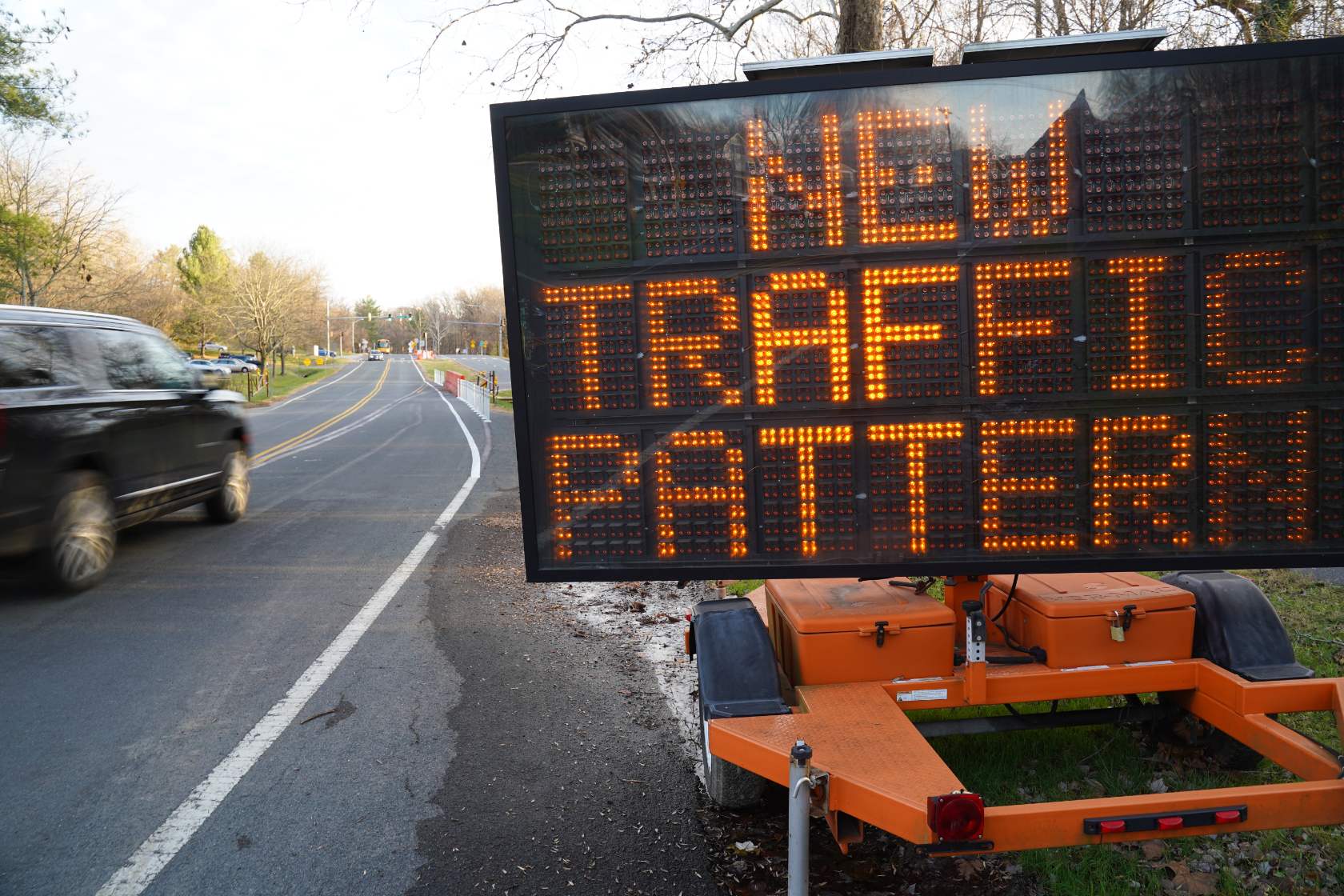
Singleton, who represents a part of Brightwood adjacent to Rock Creek Park, says the closed road would be better-used for handling car traffic.
“While cars are backed up on our neighborhood residential streets, Beach Drive is barely utilized.”
A traffic study conducted by the District Department of Transportation found the closure of Beach Drive would add 2.5 to 4.5 minutes to rush-hour commutes, slowing traffic by 4 to 6 miles per hour.
There have also been concerns about whether the road closures were implemented in an equitable way. Some argue road closures have had a disproportionate negative impact on residents of color, who may be less likely to work from home and more likely to have a long commute.
Singleton says the closure of Beach Drive benefits only some residents.
“The demographics of weekday users don’t mirror D.C.’s population,” Singleton wrote. “Young male cyclists are disproportionately represented.”
Others point out that many of the closures are in wealthier areas. Schmidt’s research of pandemic closures found that in many cities, especially larger ones, closures tended to be in neighborhoods with higher incomes. In Alexandria, for example, pandemic closures occurred in areas with an average median family income 50% higher than the city as a whole.
In D.C., the city implemented “slow streets” during the pandemic, partially blocking 22 miles of streets, limiting them to local traffic traveling 15 mph. Ward 8, the city’s poorest, opted out at the request of its council member.
NPS did close some roads to cars east of the Anacostia River: streets were closed in Ward 8’s Anacostia Park, as was Ward 7’s Fort Davis Drive. However, both have since reopened to car traffic.
“It transformed the space, from kind of a scary place as a pedestrian to a really fun, easy way to access nature in the city,” says Tiye Kinlow, who lives near Fort Davis Drive.
“I would love if they would at least close it like, once a month, or a Saturday or something,” Kinlow says. “Baby steps.”
A century of conflict over cars
In D.C., the conflict over cars in Rock Creek Park goes back to the very invention of the automobile. The park was created by Congress in 1890 as “a public park or pleasure ground for the benefit and enjoyment of the people of the United States.” At the time, “driving” would have referred to horse-drawn carriages, not automobiles.
In a 1918, a park master plan warned against allowing the “noise and tangle” of motorized traffic into the heart of Rock Creek valley.
By 1934 a park report declared, “The automobile can be designated as one of the greatest detriments to the enjoyment of Rock Creek Park today.”
“What had started off as a very bucolic carriage drive became a pretty way of driving to work,” says activist Peter Harnik, with the group the People’s Alliance for Rock Creek.
Harnik and the grassroots group have been fighting to close Beach Drive to cars since the 1980s. Harnik says that sustained advocacy was what made the difference in D.C., compared to other places where roads have been reopened to cars.
“I’d say that what put us over the top was the fact that we had an organized effort. We had a clear goal in mind and we maintained our constituency,” Harnik says.
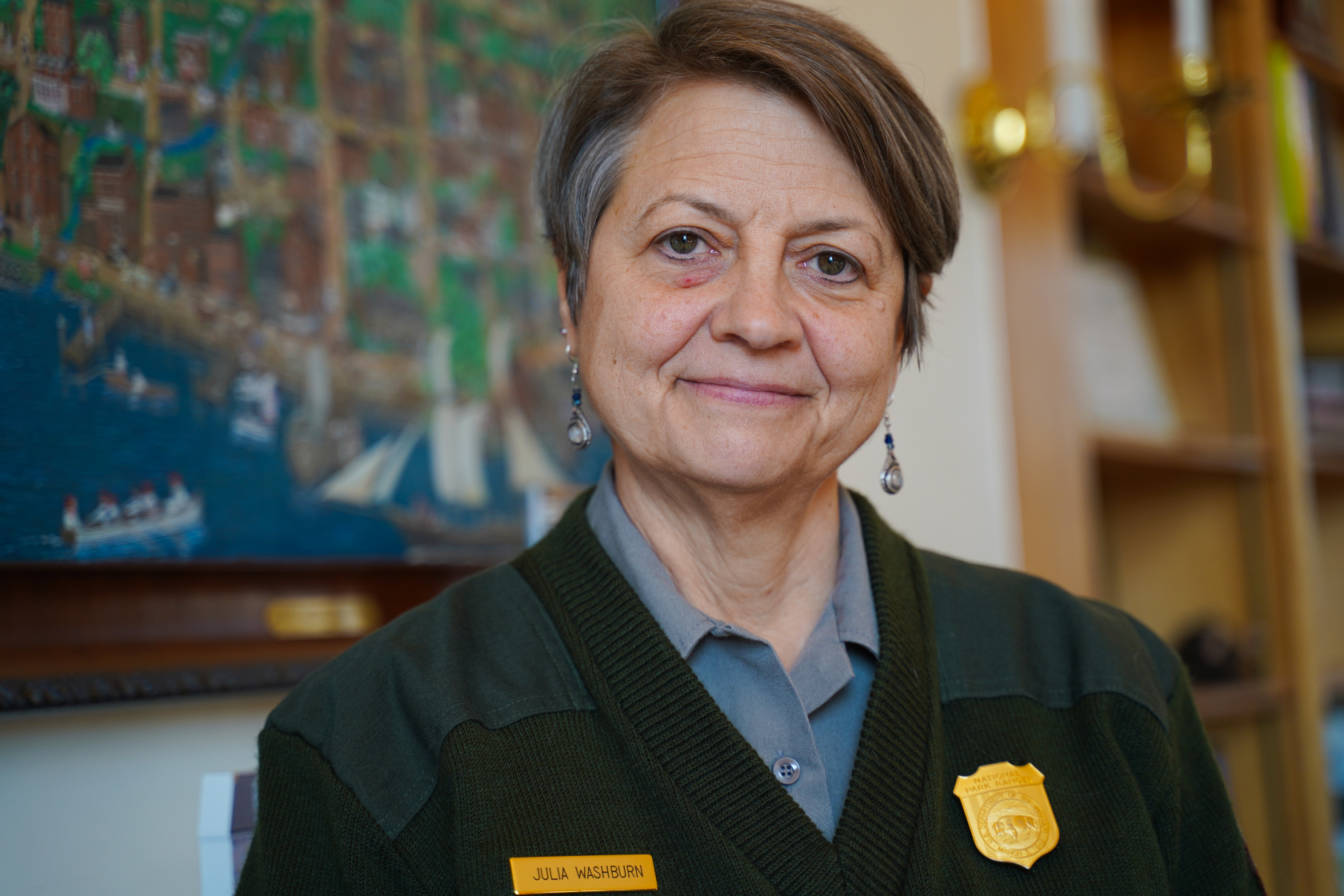
Superintendent Washburn says the change to a car-free road likely would never have happened if not for the pandemic.
“The pandemic gave us a chance to try it out and see how it worked,” Washburn says.
But she also points to a more gradual cultural shift. The last time the park service considered limiting motorized access in Rock Creek was nearly 20 years ago.
“We were much more of a car culture,” says Washburn. “The city didn’t want us to do it, Montgomery County didn’t want it – there was just strong opposition, and so we didn’t.”
This time, local politicians weren’t fighting against the closure, they were fighting for it – both in D.C. and Maryland. Public sentiment was strongly in favor too.
But, while that car culture may not have quite such a strong hold now, Washburn says she’s not closing any other roads in the park.
“I don’t want anyone to be upset about that or concerned. All the other roads are remaining open.”