Jacob Fenston
Imagine the horizon off Maryland’s Eastern Shore dotted with hundreds of wind turbines, harnessing the energy of powerful wind currents blowing across the Atlantic Ocean. Advocates say offshore wind could produce enough electricity to power half the state of Maryland – if the state builds the infrastructure to support it.
As the Maryland General Assembly convened its 90-day session today, environmentalists are backing numerous bills that would boost offshore wind, expand access to solar power, and otherwise help the state reach its ambitious climate goals. And, with a new climate-friendly governor about to be sworn in, they’re optimistic about success.
“There is a new political landscape in Annapolis,” says Mike Tidwell, executive director of the Chesapeake Climate Action Network. “Governor Larry Hogan was not an enthusiastic supporter of climate solutions. A lot of bills were passed during his eight-year tenure, but often they were passed over his objections, over his vetoes.”
Governor-elect Wes Moore (D), set to be inaugurated on Jan. 18, has promised to be a climate champion and “re-establish Maryland as the national and global leader” on clean energy and reducing emissions. He’s touted a goal to make the state run on 100% clean energy by 2035 (current law requires 50% clean energy by 2030).
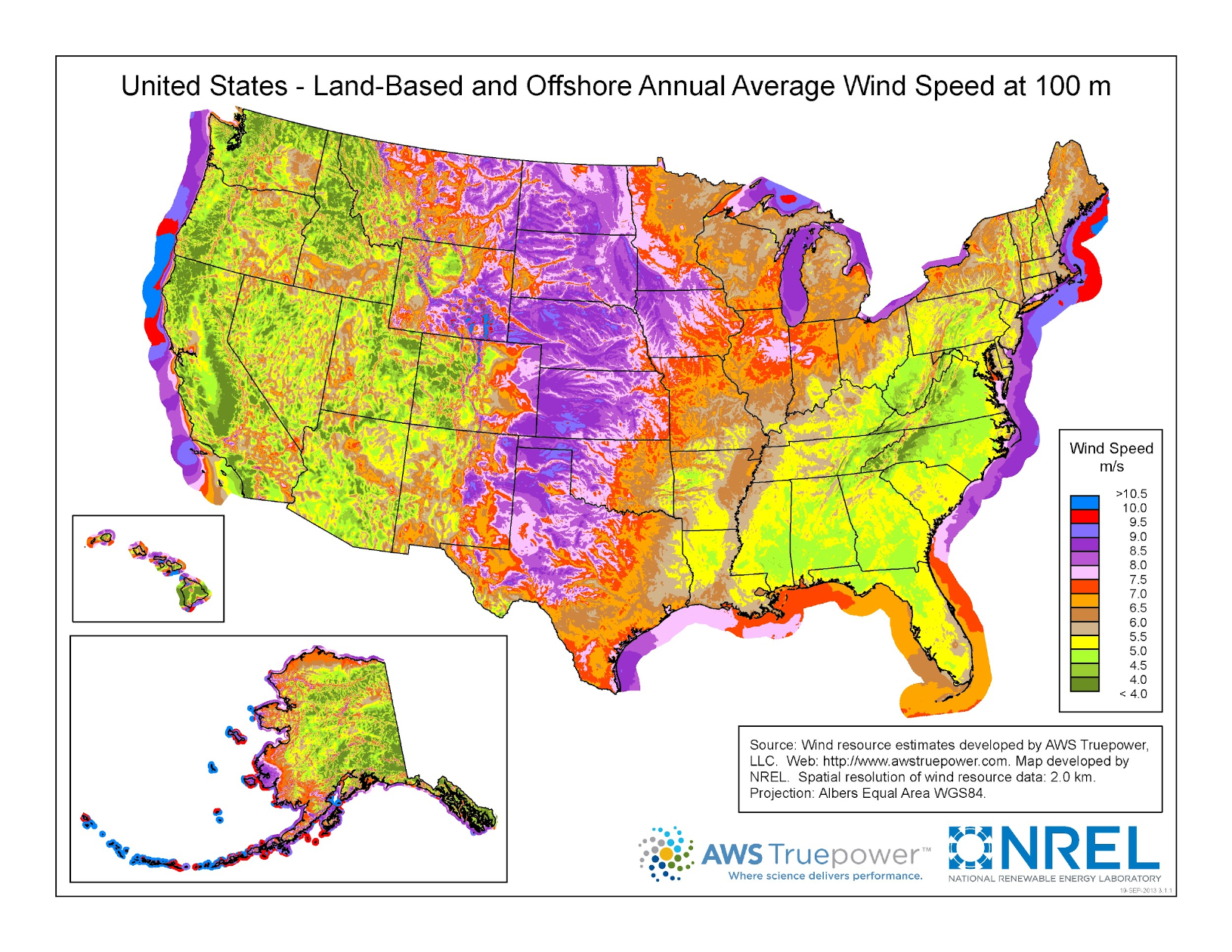
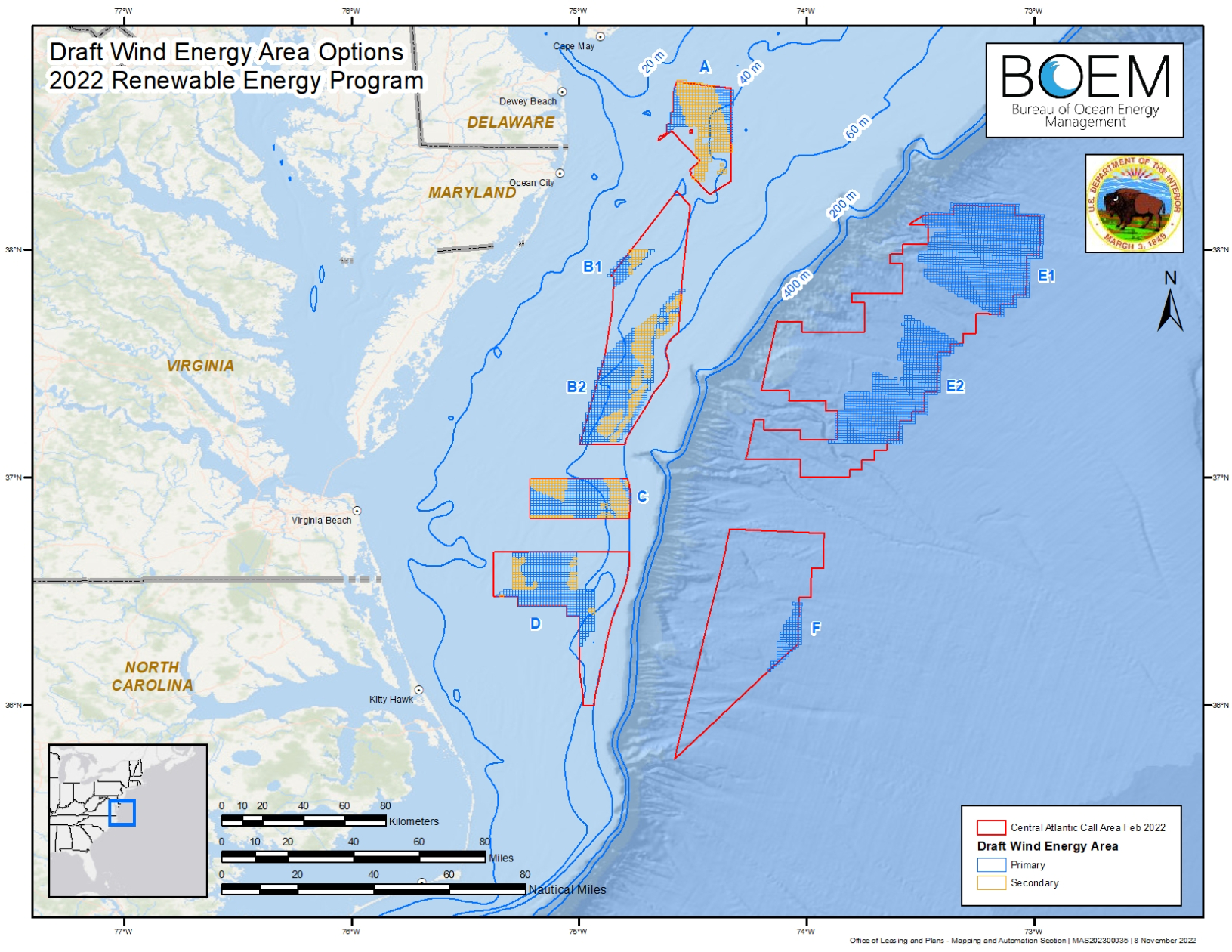
Tidwell says CCAN’s top priority this session is to pass offshore wind legislation that would incentivize up to 8.5 gigawatts of wind generation of the Maryland coast.
“Offshore wind energy is our most abundant clean electricity source in the state,” Tidwell says. The number one hurdle to tapping into that resource, Tidwell says, is “how are you going to get the electrons from the Atlantic Ocean to the load centers in Baltimore and the D.C. suburbs?”
The legislation, which is still being drafted, would have the state take the lead building transmission wires to deliver the electricity.
Offshore wind is still at an early stage in the U.S., with only one large wind farm in operation, off the coast of Rhode Island. In Maryland, regulators have approved four offshore wind projects, totaling 2,000 MW, enough to power 600,000 homes. The projects could be completed by 2026.
While many environmental groups are embracing offshore wind as a way to quickly scale up clean energy, there has also been concern about wind turbines’ effect on marine wildlife, particularly the endangered North Atlantic right whale.
The Maryland Chapter of the Sierra Club also supports the offshore wind legislation, as well as five other bills that would help cut greenhouse gas emissions. Randy Lyon, legislative director with the chapter, says this builds off legislation passed last session.
The Climate Solutions Now Act calls for a 60% cut in statewide carbon emissions by 2031, with a goal to be net-zero emissions by 2045.
“Those are great goals, but we also need to implement policies and actions to actually achieve those goals,” says Lyon.
To do that, the Sierra Club’s top priorities are:
- Changing the EmPOWER Maryland energy efficiency program to no longer offer rebates for appliances powered by natural gas, a fossil fuel, and instead help residents purchase efficient electric alternatives.
- Making Maryland’s pilot community solar program permanent. Community solar allows residents to buy into solar farms, getting the environmental and economic benefits of clean energy even if they are renters or otherwise unable to install their own solar panels. The pilot will sunset next year without legislative action.
- Adopting California’s Advanced Clean Trucks rule, which sets sales goals for electric trucks through 2035. Six states besides California have adopted the regulations.
- Passing the Maryland the Beautiful Act, which would set a goal of making 40% of the state protected lands by 2040.
- Pass a bottle bill, which would require deposits for beverage containers, incentivizing recycling. According to the Sierra Club, a 10-cent deposit on single-use bottles would boost the recycling rate for beverage containers from 23% to 80%. Ten U.S. states currently have such programs, though Maryland lawmakers have failed to pass a bottle bill for nearly a decade in the face of industry opposition.