 Jordan Pascale
Meet the new boss, same as the old boss?
Maryland’s new Gov. Wes Moore (D) is close to naming former Metro General Manager Paul Wiedefeld as his transportation secretary, according to four sources who are not authorized to talk about the decision publicly. Moore’s spokesperson says no offer has been made and the process is ongoing.
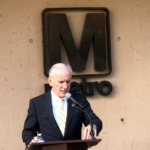
Wiedefeld, 67, is a Baltimore native and has served in many transportation roles in the region including head of Baltimore/Washington International Airport, the Maryland Transit Administration, and most recently as head of Metro for six years, during some of the transit agency’s most tumultuous times.
Last January, Wiedefeld announced he would retire in June, but resigned earlier than planned because of safety training lapses at Metro. In October, he took a job at HDR, a construction design firm, as director of the transportation practice in the Northeast U.S.
Moore has signaled it wants to focus on expanding transit, centering equity, and transitioning to electric vehicles, according to his campaign website. The new governor already dedicated $500 million in his budget to go toward to-be-determined transportation projects. Former Gov. Larry Hogan’s pet project in the region was the I-495/I-270 toll lane project that is now in limbo. Hogan chose Pete Rahn, who specialized in highways and public-private partnerships, and Jim Ports for his transportation secretaries. Ports was most recently head of the state’s tolling operations and previously served as deputy secretary for MDOT and administrator for Harford County Transit.
The secretary oversees MDOT agencies including the State Highway Administration, Maryland Transit Administration, Motor Vehicle Administration, Maryland Aviation Administration, Maryland Port Administration, and the Maryland Transportation Authority.
Wiedefeld would not only be in charge of shepherding a behind-schedule Purple Line, reviving the Red Line in Baltimore, and figuring out what to do with Hogan’s I-495/I-270 toll lane plan, he would also find himself back in a familiar place: the WMATA board room.
Maryland law dictates that the transportation secretary, or their designee, is one of the state’s two representatives on the Metro board. It could create somewhat of an unusual situation on the board as he would be one of eight board members calling the shots on budget and having oversight of his successor, Metro General Manager Randy Clarke. Clarke has tried to set a more transparent, customer-focused tone at Metro since he took over the job seven months ago.
When Wiedefeld announced his retirement last January, he noted that “40-plus years in transportation teaches you that there is no set mile marker for this decision, but given the seismic shifts happening in transit and the region, Metro needs a leader who can commit to several years of service and set a new course.” In May, he said resignation a few weeks ahead of schedule was “in the best interest of the agency and its workforce” and cited an easier transition to the next general manager.
Wiedefeld led capital planning and budget for MDOT in the 90s. Later, he led the Maryland Aviation Administration and BWI airport from 2002-2005, then served as head of the Maryland Transit Authority from 2007-2009 before returning to BWI until 2015 when he was fired by Hogan. Later that year, Wiedefeld was a backup pick for WMATA after another candidate dropped out.
At Metro, Wiedefeld was seen as the right person for the right time, according to board members. He successfully led Metro through years of repairing neglected infrastructure through the SafeTrack and station rehabilitation programs, but safety issues continued to dog the transit agency during his tenure.
He also faced a changing ridership during the pandemic and knew that Metro’s business model would need to be drastically changed to survive, something he was not ready to be around for long-term.
Moore had largely filled out his cabinet during his transition but hadn’t named a transportation secretary by the time he was sworn into office on Wednesday. Hogan’s transportation head, Jim Ports, is still in the role, a rare holdover in administration changes.
Hogan’s transportation secretary Pete Rahn was the first cabinet-level member to serve on the Metro board and was put there after Maryland threatened to withhold $55 million in capital funding because Metro was not being forthcoming with its finances and audits.