 Jordan Pascale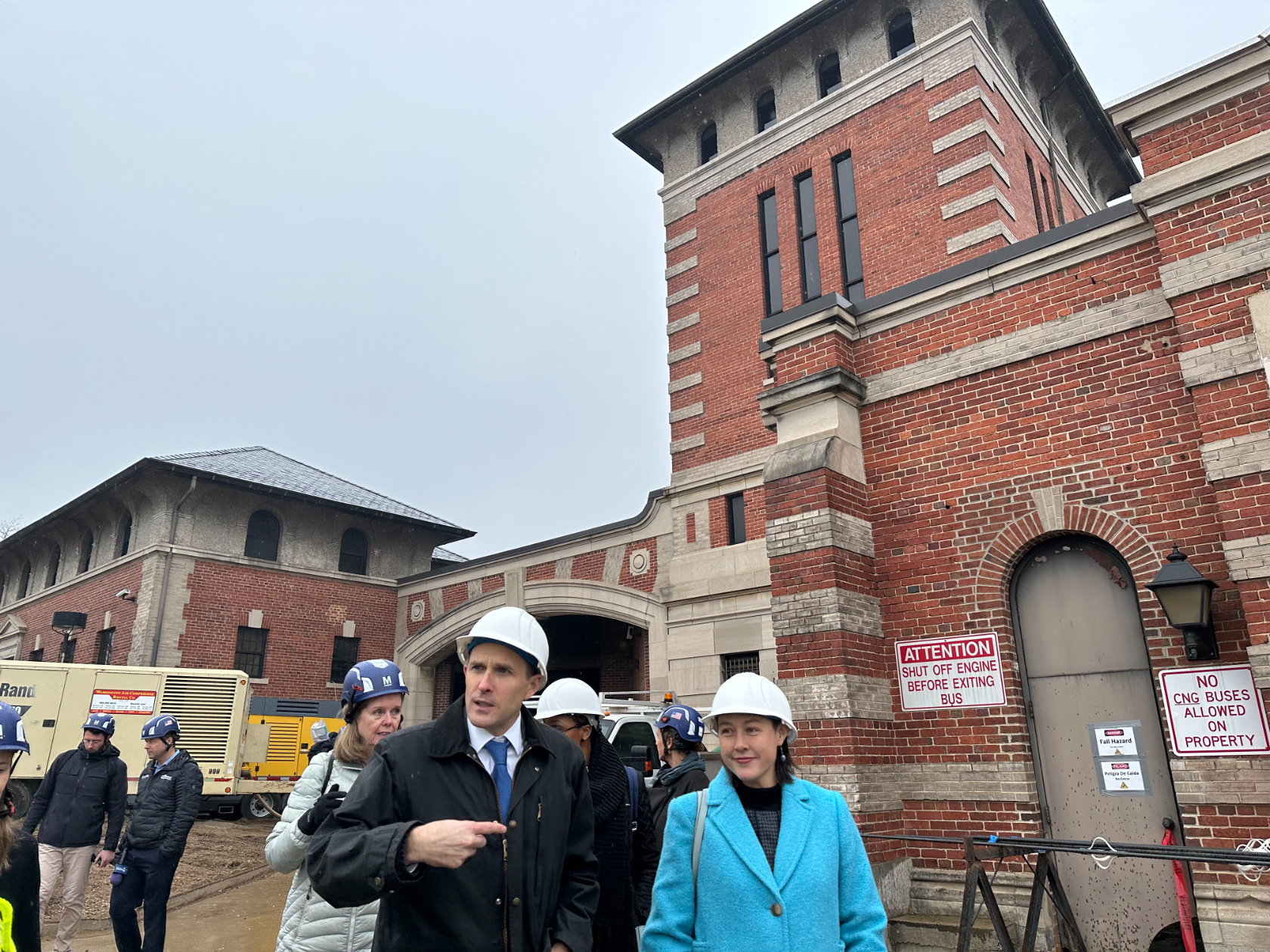
Two pieces of Metro’s electric bus future fell into place Wednesday: the official word that Northern Bus Garage will be an electric bus-only facility when it reopens in 2027; and Metro’s first large order of electric buses will start to arrive late this winter and will hit the streets shortly thereafter.
Metro has been behind other transit agencies across the country and region in transitioning to electric buses. WMATA owns one battery-electric bus but it hasn’t regularly on routes. Meanwhile, RideOn in Montgomery County and DASH bus in Alexandria have been running electric models for years. Metro has promised to have only zero-emission vehicles by 2045, a deadline that many say is too far in the future. Metro General Manager Randy Clarke said he hopes to accelerate that timeline.
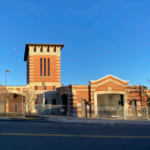
Northern Garage is more than 100 years old and started as an electric streetcar barn before it transitioned to buses. The facility is undergoing a $500 million renovation and remediation, removing old diesel tanks from underground. Metro will also keep the historic facade while converting some of the street-facing areas into retail.
Here’s the remnants of the diesel tanks pic.twitter.com/0bL00wVjV8
— Jordan Pascale (@JWPascale) January 25, 2023
Petworth and 16th Street Height neighbors have been protesting the return of diesel buses to the facility for years as Metro made plans to modernize the building. Taalib-Din Uqdah of the Northern Busbarn Neighbors group said he was satisfied with Metro’s assurance that it would an electric-only facility, but he did have other concerns. He said they asked for residential units to be included in the project, wider sidewalks, more solar panels on the building, and a memorandum of understanding to codify promises Metro made.
Clarke said he’s not sure why commitments to switch to electric weren’t made before he began working at Metro six months ago, but, “when I got here, I said to the team, ‘we need to bear down and we’ve got to turn the idea of a transition plan into reality,'” Clarke told media. “I’m really proud of the team that got it together. It’s complex.”
He said it’s difficult to procure a large number of electric vehicles, there has to be power upgrades at the bus barns, and Metro needed to make sure the technology would withstand day-long bus runs.
“I think this is a good sign that we are here to work with the community, work with our partners,” Clarke said. “Quite frankly, I’d love to accelerate (bus electrification) faster than what we currently call for (by 2045).”
Two other bus garages, Western Bus Garage on Wisconsin Avenue in Friendship Heights and the Bladensburg Bus Garage are also up for renovation soon.
Councilmember Janeese Lewis George (D-Ward 4) said the switchover to electric likely would not have happened without community organization. She says it will protect the community, especially the elderly and children, from harmful diesel fumes and help with noise pollution as electric buses run quieter.
“As of 2021, Black residents are 126% more likely to be diagnosed with lung cancer, a disease strongly linked to diesel fumes,” Lewis George said. “So when we talk about reducing diesel fumes in our neighborhoods, we know that it is both an environmental justice issue and a racial justice issue.”
Mayor Muriel Bowser says she remembers visiting the bus garage 15 years ago and workers showed her windows blacked out by bus exhaust and fumes. She’s happy this facility will be clean and safe for workers and neighbors.
“I worked very diligently to make sure that we would have a solution for Northern, that both made this a safe facility for workers and for neighbors, but also supported our public transit network,” Bowser said.