Jacob Fenston
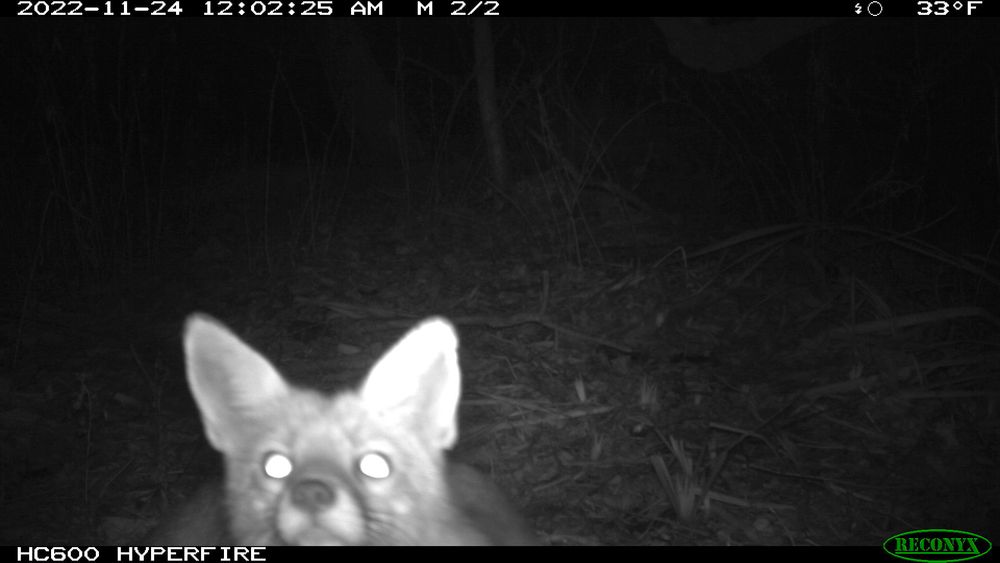
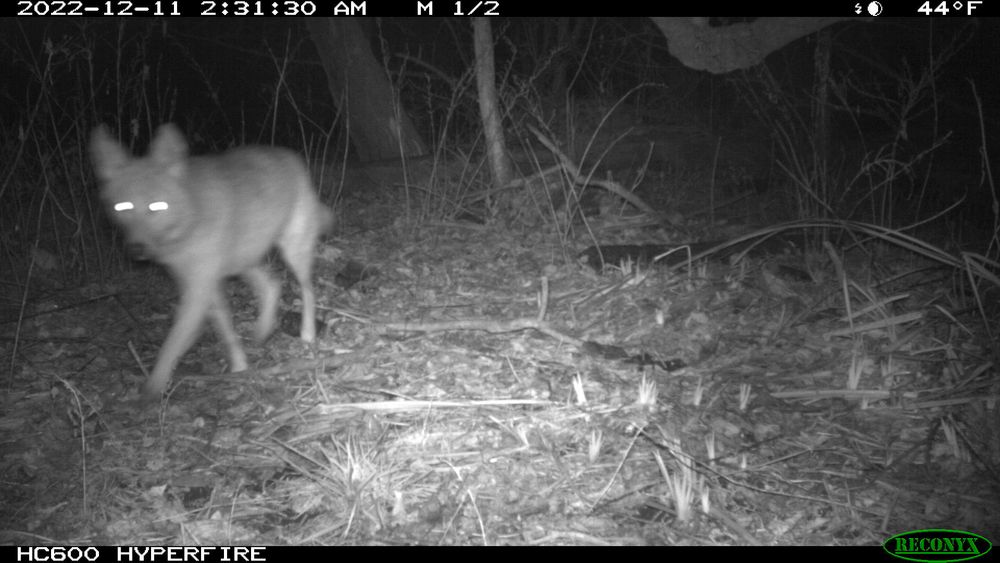
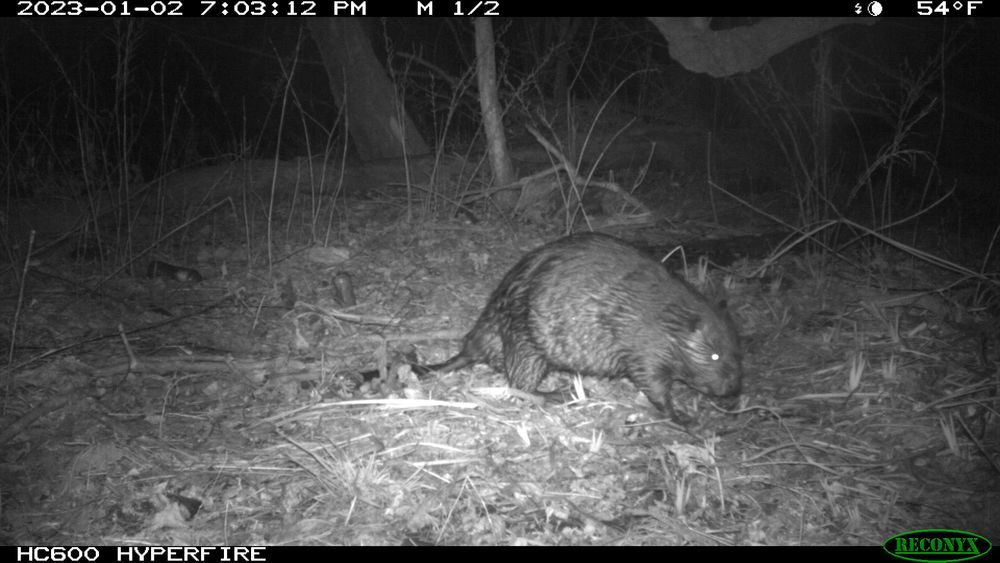
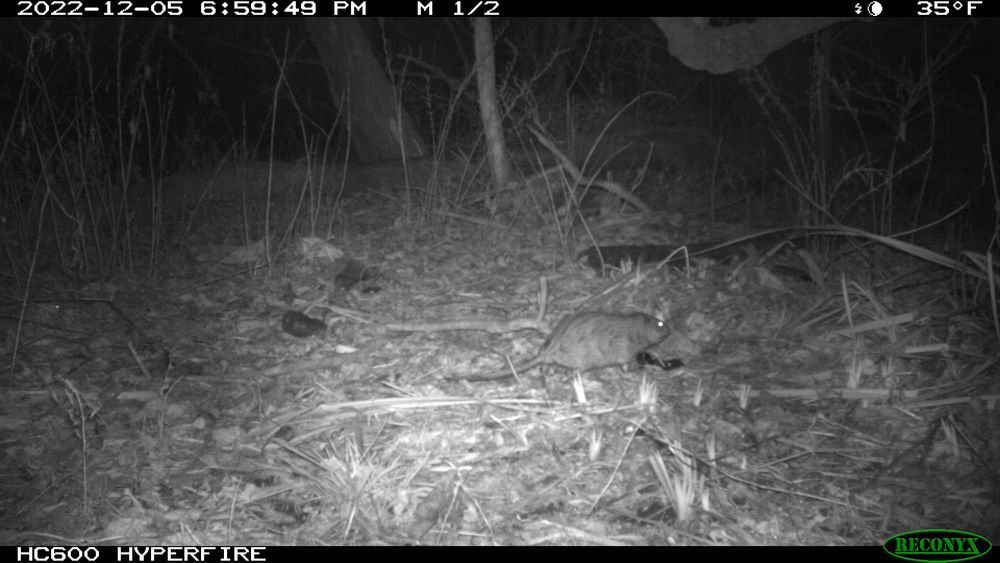
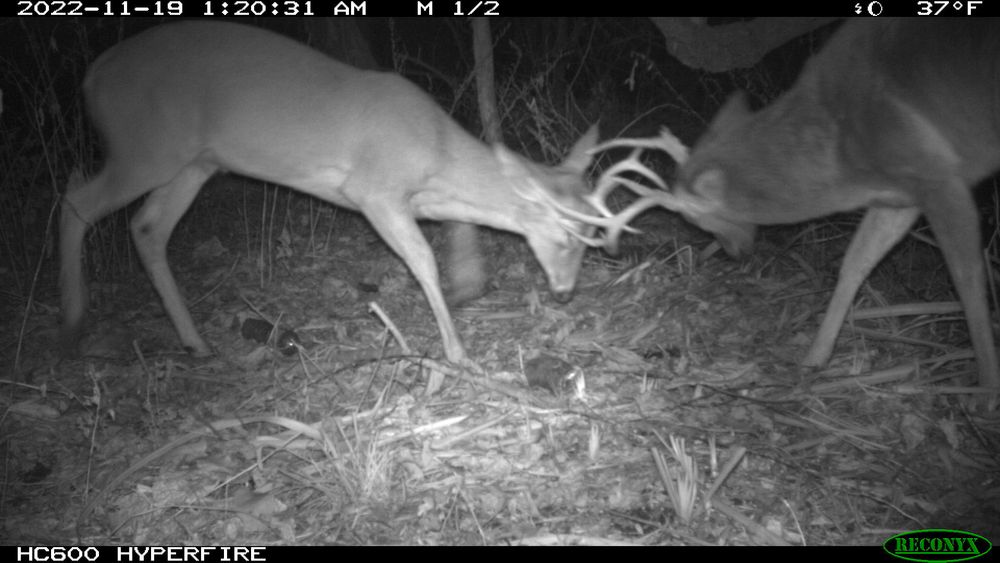
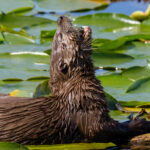
The Anacostia River tends to be better known for urban pollution than for wildlife. But in recent years, some species have been making a comeback around the river — an indicator of the Anacostia’s improving health. Recent photos from wildlife cameras along the river and its tributaries show beavers, river otters, and other animals making themselves at home.
Jorge Bogantes, with the Anacostia Watershed Society, says there aren’t enough cameras to estimate populations of the creatures. But anecdotally, he says, these animals have been increasingly making their way back to the watershed.
“Otters tend to eat mostly fish and crayfish, and if the river is too polluted, then they just cannot survive. So the fact that we’ve been seeing more recently, especially in the tidal river, is a great sign.”

Bogantes says otters are active at night and during sunrise and sunset hours, though he has yet to see any near the Anacostia yet. It’s much more likely you’ll see signs of otters, rather than the animals themselves.
“Interestingly, they love to poop on manmade structures like floating docks. They love those type of waterfront structures like docks and piers, so that’s where you’re going to see their activity first,” he says.
River otters were first caught on camera near the Anacostia River in 2016. Since then, they’ve been spotted somewhat regularly in the city — even at the Tidal Basin.
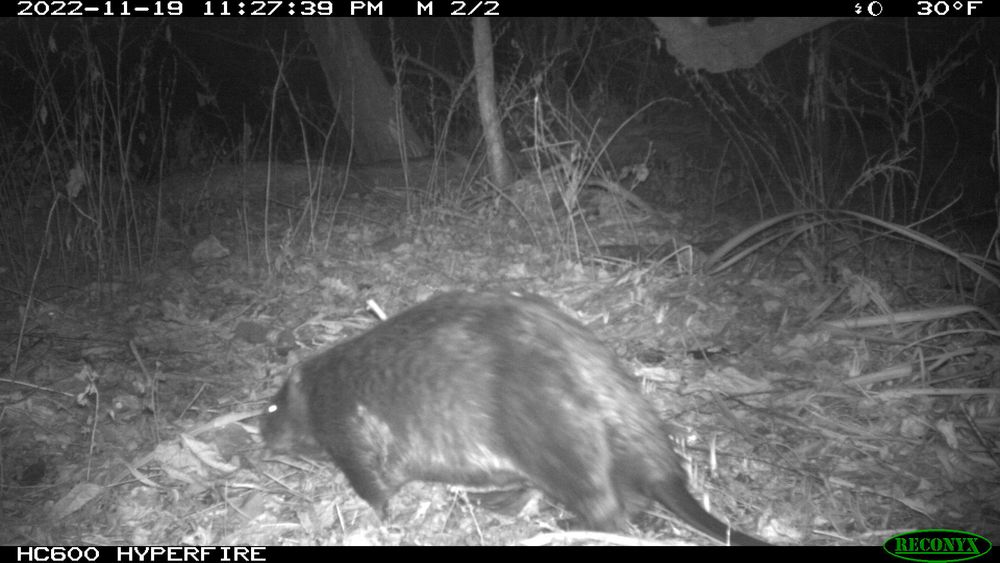
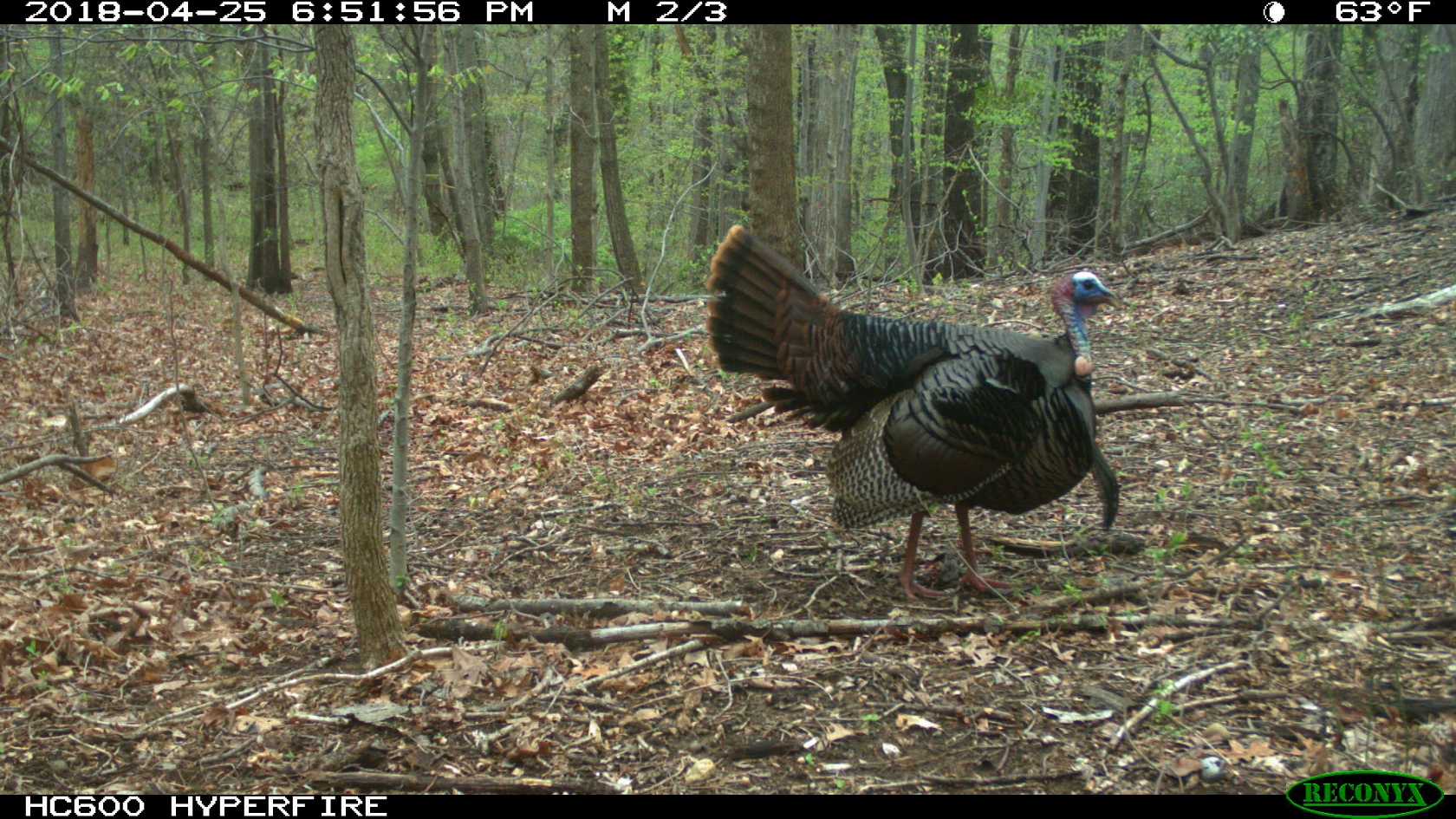
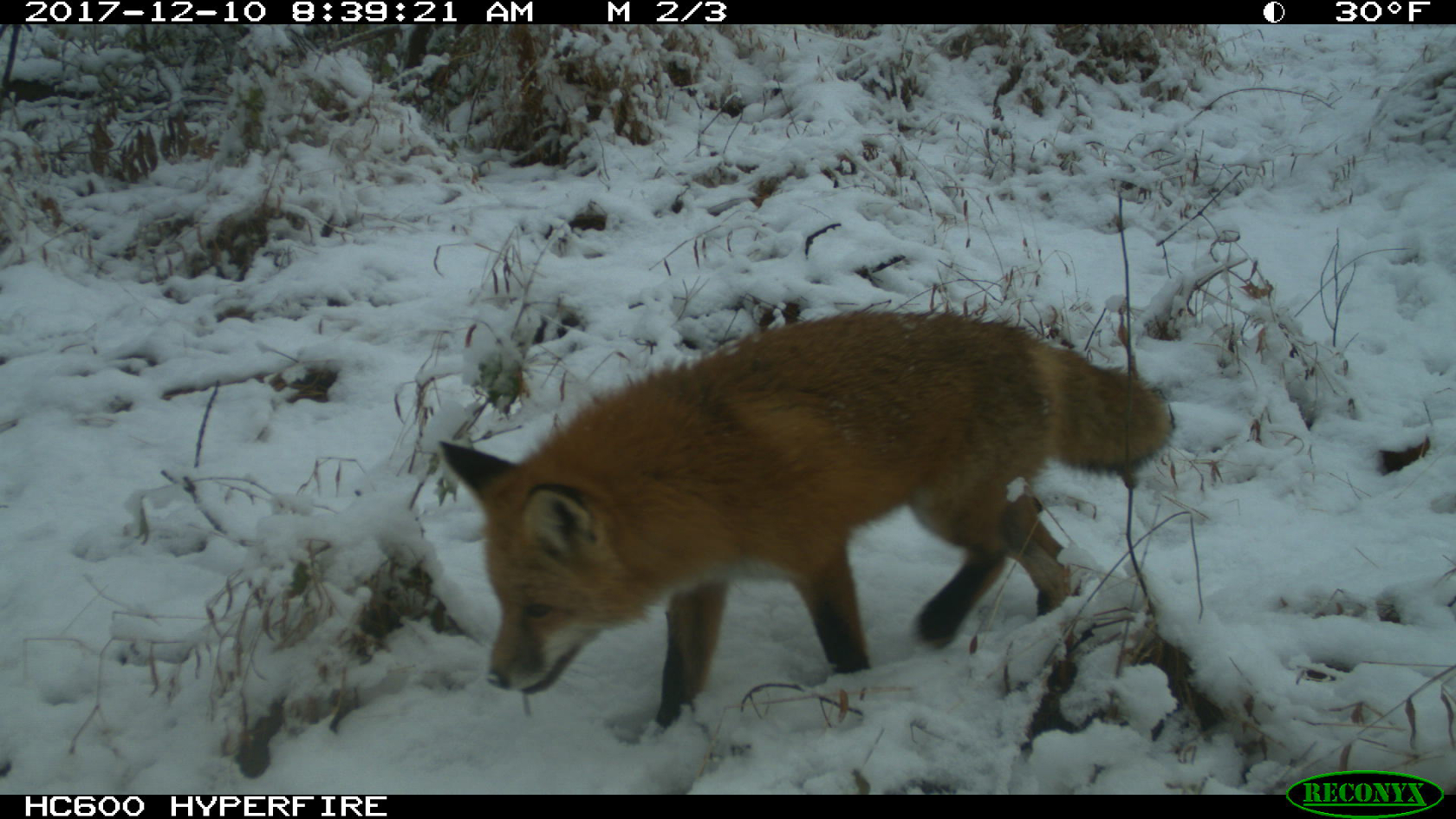
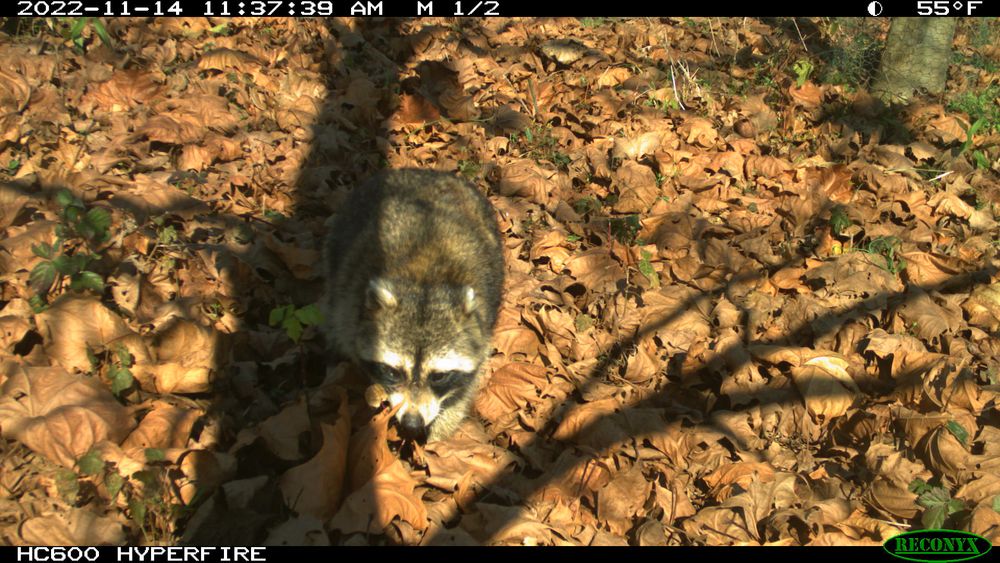
Wetland areas tend to have the most biodiversity, while upland areas mostly have “the usual suspects,” Bogantes says: raccoon, deer, fox and squirrel.
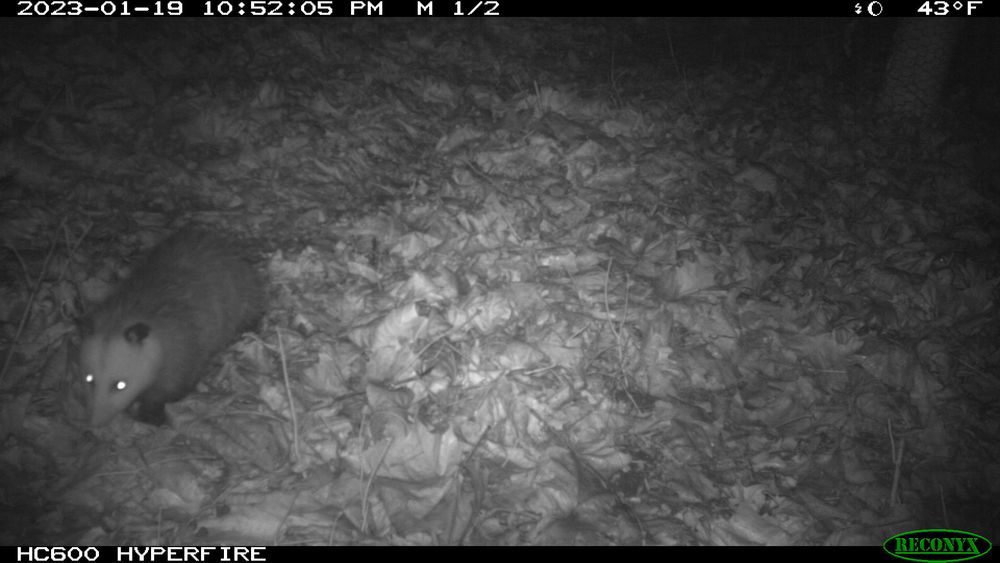
The Anacostia Watershed Society has been using wildlife cameras since about 2014 to document which creatures can be found in the area. The most recent batch of photos, from this winter and fall, are from Dueling Creek, just over the District line in Colmar Manor, and from Heurich Park in Hyattsville.
Some native animals can pose a threat to the environment if they are too abundant — white-tailed deer and Canada geese, for example. Others can invite conflict with humans in urban areas — beavers, for example can cause flooding by stopping up creeks with their homebuilding activities, and coyotes can be a threat to small pets.

So far, coyotes haven’t been a problem in the region, Bogantes says.
In recent decades, billions of dollars have been spent to clean up the Anacostia River and keep sewage and other pollutants out of the water. The Anacostia Watershed Society has worked on numerous revegetation projects, including planting trees and native plants, and restoring wetlands. For example, the group has been planting wild rice in the marshes around Kingman Island — once the dominant wetland plant in the Anacostia. Six years ago there were less than three acres of wild rice scattered through the watershed, Bogantes says. Now there are ten acres.
Want more cute wildlife pics? Here are more images from the Anacostia Watershed Society cameras: