 Jordan Pascale
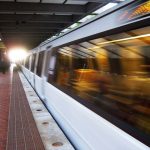
A man is dead after a dog leash got stuck in a Metro train door at the Dunn Loring Metro platform in Virginia. WMATA officials say the man had a leash tied to him and it got caught in the doors shortly before 1:30 p.m. Wednesday. He was about six cars away from the operator’s cab and couldn’t free himself. A dog was on the other end of the leash in the train.
The man was dragged and hit the railing at the end of the platform and fell on the tracks, officials say. He was transported to a hospital where he later died.
NBC4 identified him as 50-year-old Harold Riley.
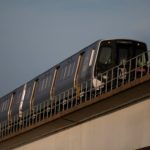
Metro transit police say the operator did two safe door checks on the 7000-series train before leaving.
“The deceased cleared the train and was on the platform away from the car, but upon closer review, a leash appears to be tied to the person, which was unfortunately caught in the door, leaving a dog with no ID inside of the car,” MTPD said in a tweet.
The Washington Metrorail Safety Commission say they are aware of the situation and also looking into it.
A similar incident happened on BART in San Francisco in 2021.
Riley’s daughter told News4 that the dog was his service animal. Earlier, Metro Transit Police said the dog did not appear to be a service animal. Metro doesn’t allow pets on board unless they are service animals or “they are in a secured container in which they cannot escape.” The dog is with police.
Metro operators are instructed to look out the window when they bring a train into a station and make sure they open the right side of the train doors. They are also supposed to confirm the doors close properly and safely. Metro’s doors don’t bounce back when they hit something.
The Metrorail Safety Commission lists a dozen door-related incidents in recent years, mostly with operators opening the wrong side. Door issues were also a source of customer complaints in 2012, according to a Washington Post story detailing doors closing too fast, people getting stuck in doors, and being offloaded from the train when doors malfunction.
“You’re waiting for people so you can get an all-clear view of the platform and close the doors, and then you’ll see something come out like a body part and you have to open it,” Metro operator Frederick Williams told the Post for that 2012 story.
Deaths on Metro are relatively rare compared to traffic-related deaths, which account for more than 300 deaths annually in the region a year.
Earlier this year, Metro worker Robert Cunningham was killed after he stepped in to disarm a gunman who had shot two others. In December, an off-duty FBI agent shot and killed a man in an altercation on the Metro Center platform.
In 2021, someone illegally entered the track area and was killed after they couldn’t get out of the way fast enough. Someone also died after unintentionally falling on the tracks at Shaw-Howard U. That same year, someone died after touching the third rail in an area they were not authorized to be in. In 2020, someone who appeared dazed fell onto the tracks and was hit and killed by a train. Another man died in 2020 while trying to surf on top of a train.
In 2018, a man in a wheelchair died after he fell backward down the Columbia Heights station escalator. He was trying to use his hands to hold on to the railing and lost his grip.
In 2015, a woman died from smoke inhalation after a smoke incident in a tunnel where fans weren’t properly activated. Nine people were killed in a 2009 crash where the track circuits failed causing one train not to appear on the control center’s screens.
This story was updated with the man’s identity, updated information on the dog, and corrected a detail about the 2009 crash.