Morgan Baskin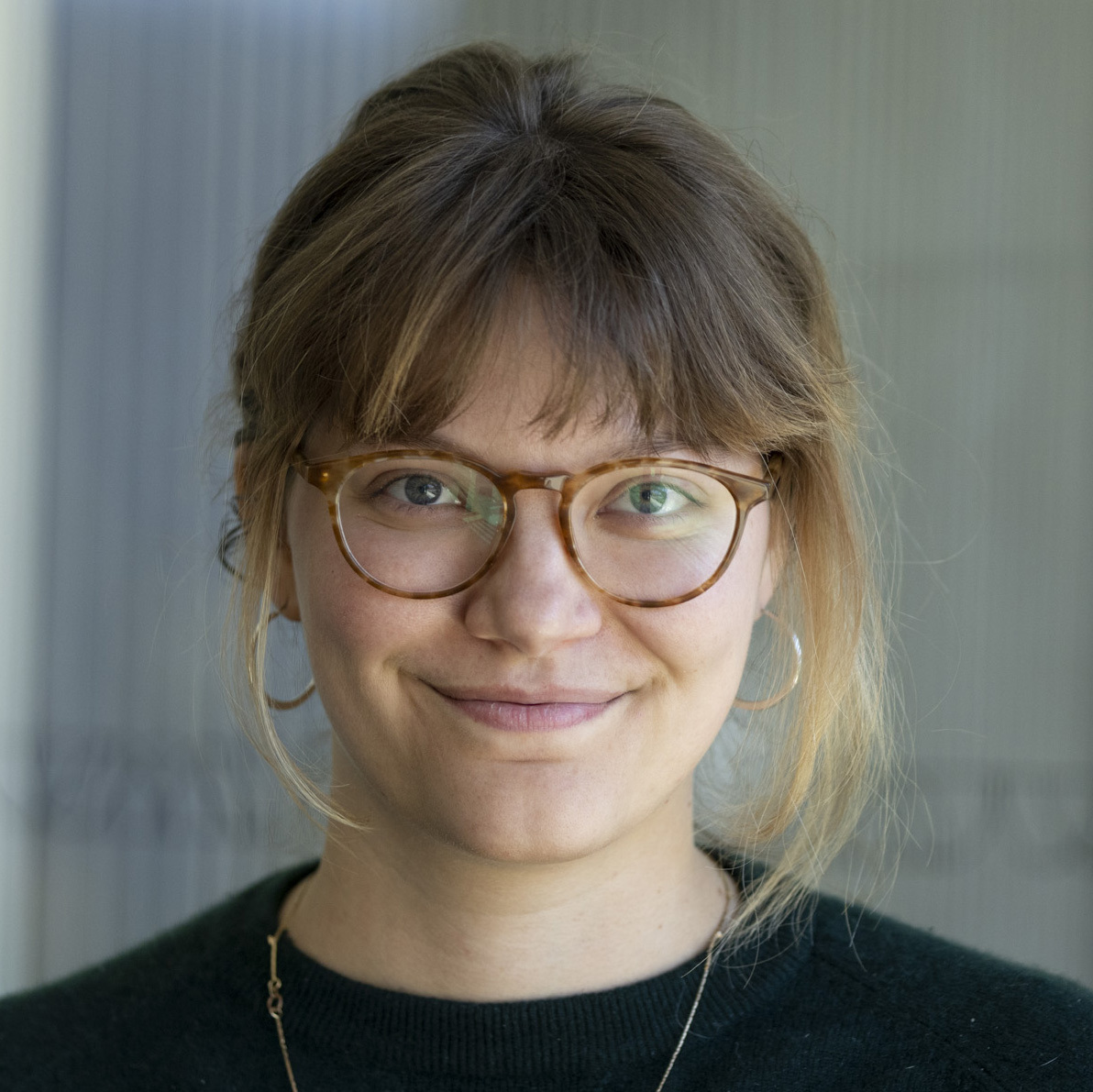
Journalist Morgan Baskin has lived in D.C. for nearly a decade, writing about housing and social policy for local media outlets like Washington City Paper, DCist, and Washington Post Magazine. She’s covered everything from the DC Housing Authority’s plan to redevelop its portfolio to how the city funds and manages its housing voucher programs. In that time — and from having lived in seven D.C. neighborhoods — she’s seen a lot of change and growth in the region’s housing sector.
Baskin is now going to be writing about that world for DCist/WAMU as our new housing and development reporter. She sat down with Esther Ciammachilli, the local host of Morning Edition on WAMU 88.5 to talk about her vision for the beat.
Tell us more about your time in the region so far.
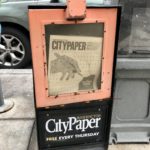
I moved to D.C. for school — I went to GW. And my first [writing] job in journalism was at City Paper writing about housing and development. I had a weekly column there. It’s a big beat, but I found a real passion for writing about this issue that affects every person who lives here.
You have been, as you said, writing about this for several years, and you’ve been in D.C. for nearly 10 years. What is it about D.C. that is special to you?
It’s such a fascinating city to cover. It is so new in so many ways, because of Home Rule; there’s the governance structure that’s really fascinating to me, the tension between the local and federal governments; the fact that there are still so many swaths of undeveloped land in D.C. It’s something that you don’t see in a lot of big metro areas. So it’s a really interesting place. It’s also just such a fabulous city with so many civic-minded people, beautiful green spaces, parks.
Housing and development is a big beat. Where do you plan on focusing your attention?
A real passion of mine is government accountability reporting. I think it’s really important to pay close attention to the nuts and bolts of policy in the city, going to city council meetings, going to oversight hearings, looking at contracts. [It’s] a lot of wonky stuff, but making sure that that people understand how that wonky stuff affects their daily life and their lived experience [is important].
Tell us about some of the trends that you’ve noticed in the region under that housing and development beat since you’ve been living here, and covering it.
Of course, the issue that is on everybody’s mind is housing affordability. Rent is very high. And I think no matter what your income level is, this is something that you’re grappling with; mortgage rates are very high, interest rates are high. And so to me, that’s one of the big themes that I’ll be paying attention to: How do people make it in this city that is becoming very, very, very expensive?
Another issue is how we treat the people who aren’t fortunate enough to have a place to live. How do we treat the unhoused? There’s obviously been a lot of attention paid, rightly so, to the encampment clearings, the evictions of of homeless encampments. And so I think that following up on those stories, not forgetting that those people exist — because they are a part of our city, you know, they’re one of us — that is very important to me, too.
How do you find your stories?
A big part of it is just showing up in the community all of the time. It’s paying attention to … the small sort of nuanced, wonky stuff, it’s going to council hearings, it’s going to community meetings at libraries, it’s talking to tenant advocates, to people in legal service organizations, people who work in the community and have a direct pulse on what is happening at the very base level. That is what this job is [ultimately] all about — just talking to people, listening to what they have to say, and trying to explain to the reader and to the listener why [that] story matters to them, too.
To send Morgan a story idea or tip, reach her at mbaskin@wamu.org.