Jacob Fenston
Cherry blossom watchers: D.C.’s famous trees have officially reached stage 3, halfway through their progression toward peak bloom. That means the showy trees could be exploding with flowers significantly earlier than officials predicted just a week ago.
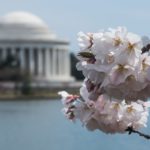
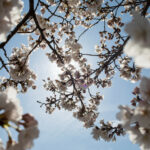
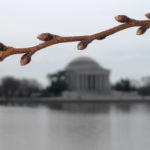
The Yoshino cherry trees around the tidal basin entered stage 3 (extension of florets) on March 7, according to the National Park Service. Historically, over the past decade, peak bloom has occurred an average of 11 days after stage 3. That means peak bloom could arrive by March 18, which would be the third-earliest peak bloom since the trees were planted more than a century ago.
Last week, NPS predicted a peak bloom of between March 22 and 25. The Washington Post’s Capital Weather Gang predicted between March 25 and 29, though the gang has since said they may have to move up their forecasted peak bloom date.
Of course, trees do not consult historical averages to time the progression of their blossoms. Rather, they react to the weather. This year’s unusually warm winter started things off early. January was 8 degrees warmer than normal, while February was 6 degrees above normal — the third-warmest January and February ever recorded in the city.
But March has trended cooler, which is why the predicted peak bloom dates were set for late this month. Now, it looks like temperatures will be just a bit below average for the next couple of weeks, which could slow the progress of the cherry blossoms.
Longtime cherry blossom watchers could fear a repeat of 2017 — when a warm winter caused trees to start blooming early. In fact, in 2017, the trees went through their first three bloom stages in almost exactly the same timeframe as this year, reaching stage 3 on March 6. Then, a cold snap in mid-March caused the loss of about half of the trees’ blossoms.
The good news is, this year’s forecasts don’t show the temperature dipping much below freezing again, so the delicate flowers should be safe. Meanwhile, everyone’s favorite stage, peduncle elongation, is now just days away.
There are nearly 4,000 Yoshino cherry trees near the Tidal Basin, first planted starting in 1912. The original trees were a gift of friendship from the people of Japan.
Since the first trees, were planted, D.C.’s climate has warmed about 2 degrees, pushing the cherry blossoms to flower earlier. The trees are now reaching peak bloom a full week earlier, on average, than they did historically.
This year’s National Cherry Blossom Festival, with its profusion of pink-themed programming, will occur from March 18 through April 16, regardless of the fickle weather or unpredictable trees.