Margaret Barthel
Puedes leer este artículo en español aquí.
It’s a big election year in Arlington. Two seats on the five-member at-large county board are up for grabs, with six candidates vying for them in the Democratic primary (which, given the county’s deep-blue political make-up, is likely to determine who will ultimately claim victory in November).
We asked each of the candidates to weigh in on the top issues facing Arlington County, including “missing middle” zoning, retaining teachers, police and mental health staff, and financial uncertainty amid a loss of commercial real estate revenue.
The board recently passed a controversial “missing middle” zoning reform policy, which allows multi-unit buildings into residential neighborhoods. The contentious debate over the policy highlighted community disagreements over density, affordable housing, and development. Those arguments are likely to continue as the county moves forward on crafting a new zoning plan for the areas along Langston Boulevard, and in future land-use planning decisions in the future. The two board members not seeking re-election, Chair Christian Dorsey and Katie Cristol, were the most vocally supportive of the “missing middle” plan, though it ultimately passed with unanimous support.
Arlington has long depended on a healthy mix of commercial and real-estate taxes for revenue, but the local office vacancy rate is high and getting higher. With national economic uncertainty continuing and local employers sorting out the post-pandemic landscape of remote and hybrid work, it’s unclear what it’ll all mean long-term for the county’s financial picture — a question that new county board members will likely have to grapple with.
Meanwhile, public employee hiring and retention, particularly in the wake of the pandemic, has remained a persistent challenge in Arlington and across the region. At the end of the last school year, teacher resignations in the county’s public schools increased by 96% compared to the previous year, according to a Washington Post analysis. In the last three years, the county’s police department’s hiring has not kept pace with officer departures. The county’s Department of Human Services has a 22% vacancy rate for therapists — 37% for those who work in the child and family services division — and has only half of the nurse practitioners it is supposed to have on staff to serve public health and community service board clients, according to a recent budget presentation.
Below are questions and responses from the six Democratic candidates about how they’d tackle these issues. (There is no Republican primary contest.)
Skip to: Maureen Coffey – Susan Cunningham – Jonathan Dromgoole – Natalie Roy – JD Spain – Tony Weaver
Want more on the county board race?
Several local organizations have released questionnaires regarding candidates’ stances on housing and zoning issues. They include urbanist nonprofit Greater Greater Washington and Arlingtonians for Our Sustainable Future, a group that opposed the “missing middle” policy. Pro-missing middle group YIMBYs of Northern Virginia also asked candidates to respond to a questionnaire.
The Arlington Civic Federation hosted a candidate forum, which you can watch here.
On May 10, the Arlington Committee of 100 is hosting a hybrid candidate forum for county board candidates. See more here.
And take note, ballots will look a little different this time around. Arlington is using ranked choice voting to fill the two county board seats — a test run to see if the board wants to adopt the method permanently. Voters will be able to rank their choices in order of preference. If no candidate gets enough votes to win, the candidate with the fewest votes is eliminated, and ballots for that candidate will instead go to the voter’s next choice. Kudos to the Arlington County official who came up with this fun practice ballot using ice cream choices.
Keep in mind, ranked choice voting is only in place for the county board primary race this time around. Other races on the ballot will not employ ranked choice voting.
What else is on my ballot in Arlington?
To see your sample ballot, type your address into this handy tool.
In addition to the nominating contest for the county board candidates, voters will also choose between Democratic candidates for the new 2nd District in the House of Delegates. Two candidates are running in that race: Adele McClure, the executive director of the Virginia Legislative Black Caucus, and Kevin Saucedo-Broach, the treasurer for the Democratic Latino Caucus of Virginia and a former chief of staff for Del. Alfonso Lopez.
Some voters in the county will also be asked to pick between state Sen. Barbara Favola and a primary challenger, James DeVita, an attorney in private practice. Read more about what’s happening in General Assembly contests around Northern Virginia here.
Commonwealth’s Attorney Parisa Tafti-Dehghani faces a primary challenge from her former deputy, Josh Katcher. You can watch video of the candidates in a debate put on by the Arlington Committee of 100 here, and a debate put on by the nonprofit Offender Aid and Restoration here.
Three candidates are running to be the next county sheriff. The county jail has been the subject of recent investigations into substandard health care and attention for people being held there who are experiencing mental health crises or drug withdrawal. All three candidates — current interim sheriff Jose Quiroz, former veteran deputy Wanda Younger, and police officer James Herring — have offered different perspectives on how to fix those problems. You can watch a debate put on by the nonprofit Offender Aid and Restoration here.
Meet the candidates
Tell us about an accomplishment in your life that exemplifies how, if you are elected, you would approach your job on the County Board.
As the Virginia Young Democrats president, I led the statewide organization from 2020 to 2022. Those were remarkable years to be in that role; challenging and unprecedented in ways that none of us could have imagined, and the struggles we collectively faced hit everyone differently. Young people were hit especially hard. The membership of Virginia Young Democrats ranges from 13 to 35 years old, and I watched young people across the Commonwealth experience loss and trauma, even as they held onto their commitment to their communities – finding new strength through engagement and a determination to get through those years and come out better.
I went into that leadership role with my own plans and goals for the organization, yet quickly adapted to put the focus on addressing the very real and immediate needs I was hearing from members. We spent much of the time at our meetings listening to people share about what they were struggling with and trying to connect. While nearly everything changed, we maintained our mission by continuing our work remotely, creating a robust legislative agenda for the General Assembly and moving our annual Lobby Day online. Throughout everything, though, I reminded our members that they are people first and they needed to prioritize their health, wellness, and safety.
What I took from this experience was how to lead in a crisis, how to listen to what people need from you rather than prioritize your own agenda, how to center empathy and an open mind in my approach to leadership, and above all else – I saw up close how people working together can persevere and thrive, even when faced with an extraordinary challenge. As a County Board member, my leadership will continue to reflect my deep care and compassion for people. I want to prioritize responsiveness to Arlington’s needs and continue to bring people to the table who have not traditionally had a voice or opportunity in the political process.
Community members on both sides of the “missing middle” zoning policy debate expressed concerns over the cost of housing in Arlington. As a county board member, what would you do to make housing more affordable?
I want to focus on breaking down the silos of our planning process and expanding transportation, housing, and infrastructure in intentional and proactive ways to meet the needs of the community. Ultimately, we need the amount and type of housing to match up with the number of households in Arlington. While building more housing of any and all types is important, we need to be conscious of prioritizing diverse types of housing: family-sized units, accessibly designed units, deeply affordable units, and moderate income units. Developing annual building goals that are specific about the number of units needed within each segment will create accountability for the County serving the diversity of housing needs in Arlington and not just the easiest to build housing. From there, we will have a concrete measurement to work toward.
We should develop a housing pipeline that includes developing prospects much further into the future. Based on the ages, type, and zoning of properties, the County staff should work to consistently identify potential targets for (re)development of additional housing. As prospects are identified, staff can build relationships with the owners, understand what interests they may have for the future of their property, and understand where in a pipeline of potential development they might fall. Importantly, because we are seeking sustained investment and increases in housing stock overall, not every potential project needs to move forward in the short-term. The key element is cataloging whether something is or is not a possibility to help us quantify whether we are able to meet our housing needs, what resources need to be allocated, and have ample time to work with owners/developers to make sure the site plan fits everyone’s needs.
Arlington has long struggled with office vacancy rates in its business districts, a dynamic that has worsened with pandemic moves to remote or hybrid working arrangements. What, if anything, do you think the county should do about it?
As we have traditionally maintained a unique split on commercial vs residential property taxes, sustained increases in vacancy rates are a major problem. My plan to address this would include three major points:
Make it easier to do business in Arlington. Our permitting process is not modernized, takes way too long, and creates barriers for people who want to do business in Arlington. There is no reason to make it difficult on those who choose us. We need to empower our business ombudsman alongside Arlington
Economic Development to solve problems systematically across departments. We need to continue reassessing our zoning code so that it outlines activities that we do not allow rather than listing every permissible type of business. This will allow greater innovation without unnecessary regulatory burden.
Recruit/develop businesses that fit our new lives. We have all changed how we live and work in the last several years; our economic development strategy should recognize that. We need to develop a pipeline of opportunities that emphasizes services, experiences, and community because these sectors are seeing growth as people seek ways to reconnect after several years of isolation. We also need investments in businesses that are critical social infrastructure, like child care and mental health services.
Increase our competitiveness in the region. Arlington offers many competitive assets but increasingly has a downside: it is prohibitively expensive for workers to live here. If a business owner is looking at recruiting and retaining employees in Arlington versus Reston they know there are different tradeoffs. They will either need to pay higher salaries to support living in Arlington or their employees live further away, reducing their quality of life and the likelihood of retaining the most competitive employees. Addressing these root issues is critical to being a good place to do business.
Hiring and retention for public employees — especially first responders, teachers, and mental health staff — is a major challenge for the county. What would you do to attract and keep these employees?
We need to be supporting our public employees as much as possible when it comes to compensation, benefits, and work-life balance. As part of that, we need to make sure we are competitive with our neighboring localities when it comes to compensation and benefits. Additionally, we need to make sure we have sufficient staffing so that the staff we have does not get burnt out. I support public sector collective bargaining so that our staff are able to have a voice at the table when it comes to their work and their specific needs.
At the same time, addressing our systemic issues like housing and child care affordability will make it easier to attract and retain people as public sector employees in Arlington. In a region as competitive as DC/Northern Virginia, we will continue to lose staff who cannot afford to live here. Potential employees need to be able to see their lives in our community and affordability is one of the biggest barriers for most people.
Tell us about an accomplishment in your life that exemplifies how, if you are elected, you would approach your job on the County Board.
My commitment to openness, transparency, and problem-solving were exemplified in my experience leading the community building committee for the new Dorothy Hamm Middle School at the old H.B. Woodlawn/Stratford Junior High School site. Frankly, I was not in favor of the school board’s decision to pursue this project, since it reversed a previous board decision, skipped over master planning for one of our few large county parcels, and added major cost and risk. But once it was decided by our elected officials, I leaned in to make the most of the plan for our community. Tapped as my civic association’s liaison, I was elected chair of the building committee, and this work definitely demanded diplomacy and problem-solving. At every turn I brought forward the community’s questions and wrangled county and schools staff and consultants to transparent answers that were posted publicly. In the end, we balanced an extremely tight budget, challenging transportation access, National Historic Landmark status, and sensitive environmental conditions to expand the school – for a fourth time – and bring the community back together. Today the campus is a hub of activity, bringing the civil rights history to life and in near constant use for sports practices, theater productions, and the Cherrydale Farmers’ market.
In every role I’ve played in my career and in our community, I have valued transparency, collaboration and respect above all – asking tough questions, listening well, respecting each other, and finding a common solution – that’s what I do, it’s who I am, and it’s who I will be as a County Board member. These traits are the foundation of my leadership, whether stabilizing affordable housing, building public facilities, delivering emergency assistance in Arlington, or driving innovation at the U. S. Treasury. I will consider all viewpoints, ask tough questions, and move us to action.
As an engineer and executive, I will bring a new level of common sense leadership to Arlington County that gets the basics right along and delivers long-term planning. Good government isn’t about being perfect, it’s about injecting common sense into our priorities and our planning. Likewise, getting things done as a Board member is not about yelling the loudest. Above all, we need to get the basics right, from permits to mental health support for our kids. Most of us are busy working multiple jobs, juggling kids and aging parents, or serving abroad. We need elected officials we can trust to hear all viewpoints and make the right call. In short, we need leaders with experience and common sense. No matter how busy we are, we all deserve good core services and a clear vision for Arlington’s future.
Community members on both sides of the “missing middle” zoning policy debate expressed concerns over the cost of housing in Arlington. As a county board member, what would you do to make housing more affordable?
A half century ago, Arlington envisioned becoming a transit-oriented development county with plans for “concentrating high-density development” along the path of the Metrorail system, according to an article in Greater Greater Washington. Arlington’s smart growth planning has enabled a huge growth in population, but has also driven housing prices higher. As a result, we find it increasingly difficult to maintain our affordable housing goals.
According to the County’s reports and recent budget testimony from Alliance for Housing Solutions, we have been falling short on both current supply and funding to develop new supply. The Affordable Housing Master Plan (AHMP) 15,000 committed affordable units (CAFS) by 2040. This assumes previously planned population growth only, and would need to expand further if site plan review (managed right) residential projects are added and/or by-right MM/EHO projects generate significant additional units. The AHMP Implementation Framework 2.0 identified a need for between $37M – $49M annually, to finance the additional 6,500 units needed to reach the AHMP goal. Yet, the Manager’s proposed $9.7 million in FY2024 AHIF funding is approximately half of last year’s FY2023 allocation ($18.7M). Both are 40% – 80% short of the identified need.
So, what steps should we explore to help us get on track to reach the AHMP goals?
- Establish a baseline of annual funding for AHIF, reaching at least $37M in the next few years, with one-time funds added as available each cycle.
- Explore additional revenue sources and public-private partnerships, to keep pace with growth, renovate aging properties, and enable affordable housing developer partners to plan development applications and pipeline.
- Develop a plan to maximize AHIF leverage. Without a Notice of Funding Availability (NOFA) for two years, and only $20.5M for FY2024, the AHIF will receive fewer developer repayments to the revolving loan fund to help replenish the AHIF balance. Each year a project does not proceed, Arlington has also missed out on the investment of that year’s Low-Income Housing Tax Credit (LIHTC) program and a leverage of up to $7 on every $1 of AHIF investment.
- Identify opportunities for mixed-income and committed affordable homes as part of Plan Langston Boulevard. Currently the narrow planning area along Langston Blvd has 554 units (of 10,411 = 5%). The 2040 goal for the broader area around Langston Blvd and north is 2000 units (of 22,800 = 11%).
- Explore incentives to build more onsite affordable units in new residential development. Today the Zoning Ordinance allows every site plan to choose whether to meet affordable unit obligation through a contribution to AHIF, onsite committed affordable units, or committed affordable units nearby. Choosing one of these is a legal requirement for every residential project that goes through the 4.1 site plan process.
Arlington has long struggled with office vacancy rates in its business districts, a dynamic that has worsened with pandemic moves to remote or hybrid working arrangements. What, if anything, do you think the county should do about it?
According to the 2024 Arlington County Budget, in 2024 residential real estate taxes make up 57% of Arlington County budget revenues. In fact, the County expects continued revenue growth from residential real estate taxes due to continued increases in property values.
The commercial property vacancy rate remains above 20 percent and is likely to climb as additional leases are not renewed. This could have an enormous impact on the tax burden for residents, as commercial taxes have historically covered about half of Arlington’s budget. For every 1% of office vacancy rate, that’s $3M, or approximately 25 teachers, or our entire eviction prevention budget. These vacancies are a national shift reflecting the change in work patterns and business operations.
While often proposed as a clever solution, conversion to residential is often cost-inefficient compared to other adaptive reuse options. This is due to very different plumbing stack and egress needs. In addition, adding residents while reducing commercial property tax would likely require either reduced service levels or increased residential property tax, increasing the cost of housing for both renters and owners. Instead, we need to work hard to incentivize and ease adaptive reuse of these buildings for schools, recreation and other uses. In the short term, we can encourage subleasing, loosen regulations around temporary occupancy, and invite creativity through competitions. We need to:
- Continue refining zoning codes and reducing barriers to adaptive reuse of vacant space for new businesses, childcare, educational, recreational, and county purposes.
- Expand our economic development efforts to attract and retain additional mid-size and small tenants.
- Coordinate with regional partners and employers to pilot and plan regionally for accommodating new modes of working, including federal workforce standards around hybrid/remote work.
- Update and streamline our 4.1 site use review process to accelerate and incent reimagining and redevelopment of these spaces.
Even with these changes, to keep the tax burden reasonable, we need to continuously examine our spending. What value are we getting for each dollar spent, what priorities can we drop, where can we reduce friction and improve customer experience with county services. We need to be constantly learning what we can do better and what we can stop doing, so that we keep our government services highly efficient, effective, and fine tuned for the needs of the community.
Hiring and retention for public employees — especially first responders, teachers, and mental health staff — is a major challenge for the county. What would you do to attract and keep these employees?
For first responders, we must find the funds within the budget to pay them well and provide top of the line training, equipment, and career pathways. We must treat these critical staff with respect and support them as a community. And, we must work hard to build the career development pipeline, with alternative and accelerated career pathways in our schools, along with on-site supervision of trainees, to help them learn and grow on-the-job.
For teachers, this is a policy question that resides in the hands of our elected school board, with input from staff, students, parents, and community members. As a parent of school-aged kids, I am committed to supporting our school staff and ensuring full transparency on all safety issues in our schools, including disaggregated tracking and data analysis of interventions and ensuring all staff are fully trained in first aid and emergency response. As a County Board member I will stay focused on making sure our young people are thriving, both in and out of school. This includes fully staffing, training, and retaining our mental health professionals, police force, other first responders, and parks and recreation staff so that we can truly meet all of our young people where they are and support their growth and success. Our children’s well being is a top priority for our whole county, not just our schools and families.
Additional mental health staff are needed everywhere, not just here in Arlington. Ensuring competitive salaries and benefits along with housing, and other incentives can help create a clear vision of how these professionals fit in as vital members of Arlington County staff.
Tell us about an accomplishment in your life that exemplifies how, if you are elected, you would approach your job on the County Board.
I am proud of my work to bring marginalized and underrepresented voices to the decision-making table at the international to local level. While at the Inter-American Development Bank I led a region-wide public consultation process that actively sought to include the voices of indigenous and LGBTQ+ communities in the region. The specific proposed policy discussed as part of the consultation process was not one on specific to either community, but one that at the end of the day would have an impact on these groups. The strategy of expanding the table continued beyond my time at the IDB.
In my current professional role, I have the honor of working with the Biden-Harris administration to ensure that our Presidential Appointees reflect the diversity of America by including members of the LGBTQ+ community. Not only is it important to me that the candidates are qualified for their roles, but that we share candidates that represent the diversity of the LGBTQ+ community itself. We have made great progress to include more women, transgender, non-binary, and people of color in the candidates we share with the administration. I am proud to say that 15% of the administration identifies as LGBTQ+ making this the most inclusive administration in history.
As President of the Democratic Latino Organization of Virginia, I have flipped the way that our party engages with Latinos across Virginia. Instead of simply echoing the decisions and choices of the party down to our members I see my role as one where I advocate and lend my voice to the community to push for what we want as a group. In this role, I have put in the miles traveling across Virginia to make sure that we weren’t just listening to the perspectives of those who were able to come to one of our events.
I share these multiple examples to highlight that I am most proud of my commitment to bringing communities together, expanding the table, and making sure we can hear from diverse groups and ultimately make policies that are in the best interest of all those we hope to serve.
Community members on both sides of the “missing middle” zoning policy debate expressed concerns over the cost of housing in Arlington. As a county board member, what would you do to make housing more affordable?
This will be a critical next step in our conversations around housing. Unfortunately, there were no regulations put in place with the adoption of missing middle, now known as expanded housing options, to guarantee affordable housing across the county. We must address this issue by working with developers to ensure that they build affordable housing directly into their strategy, especially at the lower range of area median income (AMI) calculations. There are nearly double the amount of renters for example below 50% AMI compared to the number of units available at this rate. When we look at those at or below 30% AMI there is only enough housing stock for 20% of the population. Given the cap of 58 projects per year, I would have advocated for a percentage of those to be set aside throughout this process to ensure we had affordable housing.
Affordable housing must also be equitably distributed across the county and not just segregated to one neighborhood or set of school boundaries in the county. We have limited space in Arlington, and it is counterproductive to our community to create economic segregation through affordable housing zones.
Arlington has long struggled with office vacancy rates in its business districts, a dynamic that has worsened with pandemic moves to remote or hybrid working arrangements. What, if anything, do you think the county should do about it?
Arlington currently has a 22% vacancy rate in commercial spaces and this is negatively impacting our residents given the need to offset the lost budget revenue that comes from commercial buildings. We need to find creative uses for the vacant space beyond what has recently been approved such as animal boarding, micro-fulfillment centers, or urban agriculture and allow for even new ventures that we have not thought of. There are opportunities for us to reimagine what this space can be such as indoor pickleball courts, temporary pop-up retail, and entertainment spaces.
Housing is also a major issue in the county and we should explore the possibility of converting vacant space to housing. While this may not be practical just for one empty floor of a building there are multiple examples around the county of buildings that are split between commercial and residential. Exploring potential incentives for various tenants in an area to merge into one building can also be a way to reconcentrate the commercial space, especially in a building with various vacant office floors. By merging tenants into one building we can then explore revitalizing that space for either a different type of commercial or rebuild for residential.
Hiring and retention for public employees — especially first responders, teachers, and mental health staff — is a major challenge for the county. What would you do to attract and keep these employees?
If we want to attract and retain a great workforce, we need to invest in them. Our staff, especially the kind mentioned above, and essential workers should be able to live and thrive within the county. In a county like Arlington which has multiple national corporations and neighbors D.C., we have to be competitive in our recruitment and retention. This means that we do have to offer competitive salaries for the type of talent that we want to recruit and be transparent about the process and salaries.
Currently, many of the job openings listed on the county’s employment website list salary range for any particular job that fluctuate between 30 – 60k. These variances in salary for one position mean that there can be a 30-60k difference between two people hired to do the same role. I would want to take an internal look at our current workforce to make sure we are eliminating any discrepancies.
We should be strategic and intentional with how we continue to grow the county’s workforce. Many companies develop a strategic growth plan for which departments they plan to grow and a strategy for how to recruit those hires in a timely manner. As far as I have seen we have many plans for the county, but we see most of our workforce strategic thinking take place when we are discussing future budgets.
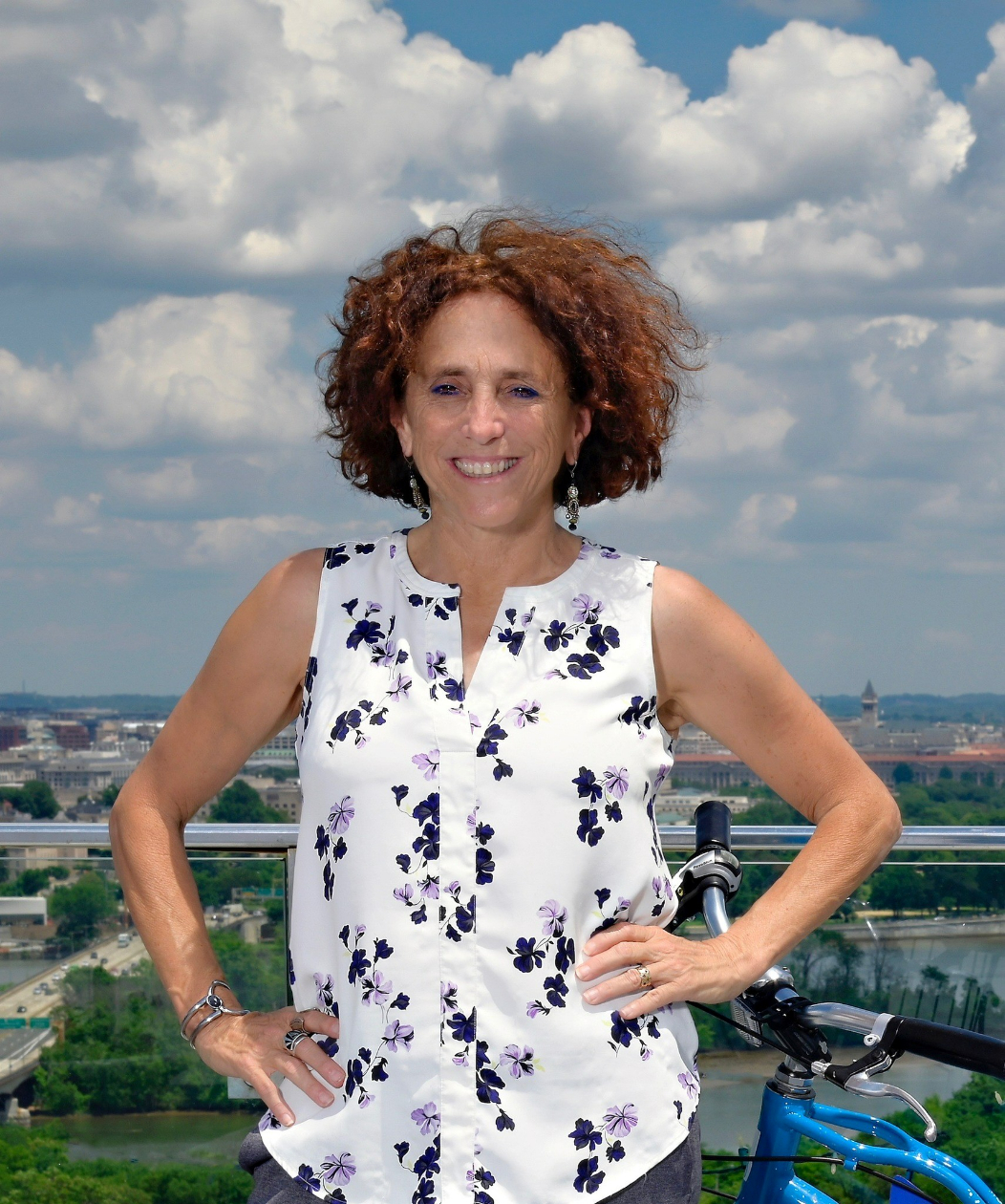
Tell us about an accomplishment in your life that exemplifies how, if you are elected, you would approach your job on the County Board.
My three years as President of the Lyon Park Civic Association is a great example of how I will approach this job. I was collaborative, transparent and action-oriented. I was able to work with others throughout the County and in my neighborhood to reduce the speed limit on a major arterial road and help facilitated a total renovation of the historic Lyon Park Community Center, which involved major fundraising drives and robust community engagement. I am proud of my active involvement making both a reality.
Community members on both sides of the “missing middle” zoning policy debate expressed concerns over the cost of housing in Arlington. As a county board member, what would you do to make housing more affordable?
Three things immediately:
- Ensure that we are providing real estate tax relief to seniors and others in need. As I door knock, I am meeting seniors from across the county who are telling me how hard it is to stay in their homes. They also share there is nowhere for them to move to. We need to provide financial assistance to our seniors who are struggling, who do not quite qualify for the real estate tax relief.
- Increase more affordable units and 3-bedroom spaces for families, which is a big need in the County. I am a real estate professional and negotiate for a living. We need to do a better job negotiating with developers to leverage more affordable and deeply affordable units when they are building new mixed-use developments.
- We also need to ensure that developers are paying their fair share into the Affordable Housing Investment Fund.
Arlington has long struggled with office vacancy rates in its business districts, a dynamic that has worsened with pandemic moves to remote or hybrid working arrangements. What, if anything, do you think the county should do about it?
The work landscape has dramatically changed, which has resulted in alarmingly high commercial vacancy rates. This phenomenon is happening all across the country and is impacting local governments’ revenue streams everywhere. In Arlington, restaurants and stores are struggling and Metro ridership is way down. There are a number of innovative measures we can explore to adapt to this new landscape until things normalize and we either go back to work 100% or adopt a hybrid approach, part telecommute, part in-person.
We need to explore new uses for the county’s empty commercial space and be strategic in how we move forward. Innovative uses could include new recreational purposes such as Pickleball, affordable child care establishments, which could bring people back to offices, indoor farming (already being done in two places in the County), schools instead of trailers, and space for historical and civic purposes. For example, Arlington’s Black Heritage Museum, located in temporary quarters on Columbia Pike, needs a permanent centrally-located home. This is a prime opportunity where the county can team up in a private public partnership to find this flagship museum a beautiful permanent space. This would be a benefit to the community and would be a showcase on the Pike, which would be attractive to tourists as well.
Hiring and retention for public employees — especially first responders, teachers, and mental health staff — is a major challenge for the county. What would you do to attract and keep these employees?
- Ensure that we are paying competitive salaries to all essential workers in the DMV, including teachers, firefighters and police.
- Make sure that working conditions for all essential workers are safe and well-maintained.
- Ensure that their benefit packages are top notch. This means the County Board being fully engaged with the collective bargaining process.
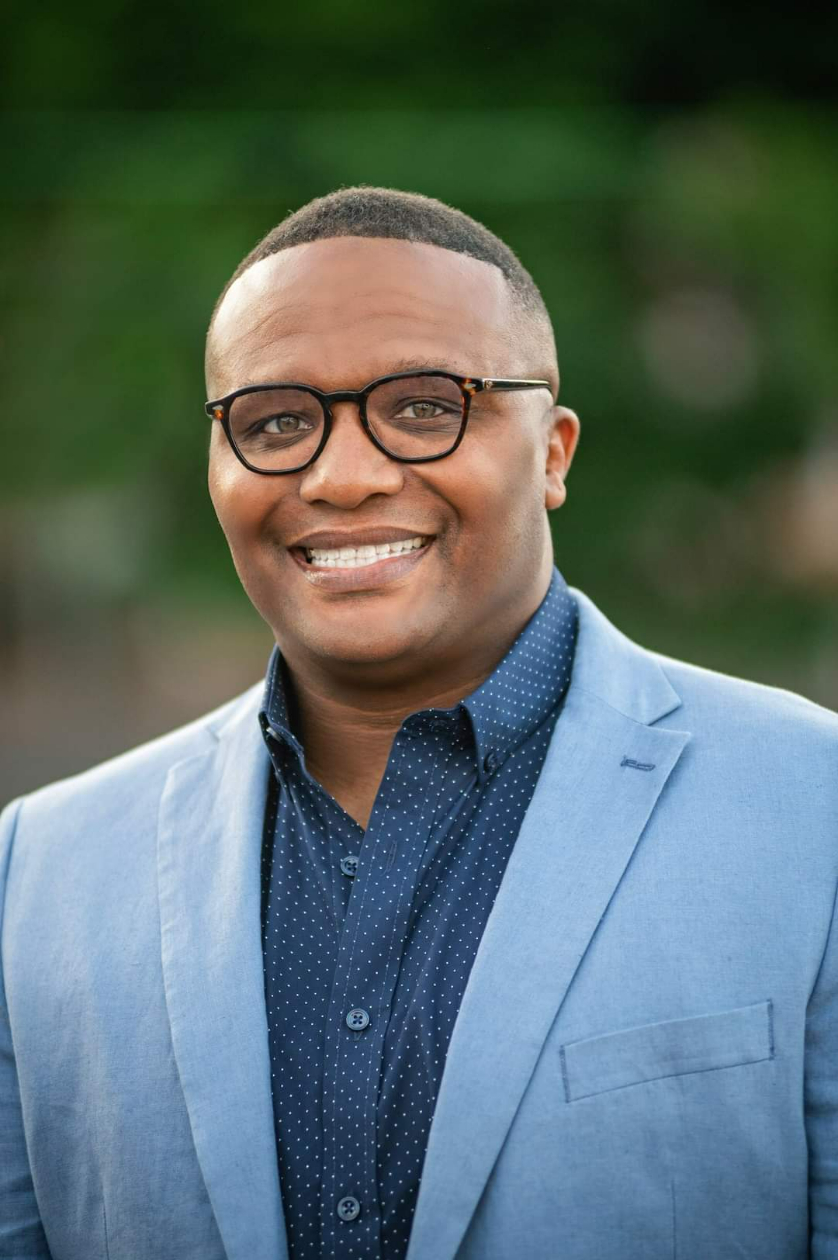
Tell us about an accomplishment in your life that exemplifies how, if you are elected, you would approach your job on the County Board.
An accomplishment in my life that exemplifies how I will approach my job on the County Board if I am elected is advocating for changing Arlington County’s new flag and the official logo. For decades, the Arlington County logo was symbolic of the former home of a Confederate general. Joining the nationwide movement to replace homage to pro-slavery leaders in our government with images and names that better reflect our modern values of racial equity and inclusion, I am proud to have been a vocal advocate for this change and successfully see it through.
The new logo and flag design highlights Arlington’s geographic and historical ties to D.C. and Alexandria. While reactions to the new design varied, this demonstrates how I can effectively lead and collaborate with a wide range of stakeholders on a controversial issue to move us closer to where we want to be as a community. The County logo discussion engaged over 29,000 people, and I co-wrote an Op-Ed in the Washington Post to raise further awareness of this important issue. This accomplishment is an example of how good things can happen for the good of everyone when you bring large groups of people together. This change was challenging, as will many of the issues the County Board gets to tackle. Whether it’s housing, environment, public safety, economic development, School and County Board relationships – you name the policy issue – you can count on me bringing the same type of energy and passion.
Community members on both sides of the “missing middle” zoning policy debate expressed concerns over the cost of housing in Arlington. As a county board member, what would you do to make housing more affordable?
We have a program in place, the Real Estate Tax Relief Program, to help overburdened populations. In addition, we can explore Property Tax Freeze Programs for specific individuals that have been done in other states. For now, I am satisfied with that and the framework our County Board and Staff created to permit, by right, options for different housing types in every residential zoning district. Next, I want to analyze the natural impact in this area of Arlington relating to housing supply and explore additional affordable housing options, i.e., Community Land Trusts.
All policies should be examined through an equity and environmental lens, and when it comes to property ownership, I believe that Arlington should be an affordable place to live. Arlington should be a county where residents can age in place and where young people can and want to live. The people who have built this community deserve to continue to live here. Arlington must become a more affordable place to live for us to be the sustainable, inclusive, and thriving community we want – and need – for our future.
Arlington has long struggled with office vacancy rates in its business districts, a dynamic that has worsened with pandemic moves to remote or hybrid working arrangements. What, if anything, do you think the county should do about it?
Once elected, I would work with corporate partners to decrease our commercial vacancy rate, hopefully reducing residents’ taxes. Arlington should be more innovative and bring new businesses, including those requiring in-person work, such as the lab science and biotech industry. The county should also ensure that it’s effectively supporting its current businesses, including small, women, minority, and Veteran-owned businesses, not further perpetuate its increasing office vacancy rate.
As we improve local housing affordability, more people employed in Arlington may be more likely to afford to live here and, therefore, more likely to choose to occupy their business offices and nearby establishments. I am also open to eventually exploring options to convert some vacant spaces into affordable housing or our community’s critical space needs.
Hiring and retention for public employees — especially first responders, teachers, and mental health staff — is a major challenge for the county. What would you do to attract and keep these employees?
The answers might vary depending on the industry, but a few common themes are rights, compensation, and housing. The county ought to ensure its best to create a positive work environment for public employees, such as respecting their right to organize. We need to listen to their needs and maintain open lines of communication.
In addition to honoring workers’ rights, we also need to ensure we’re compensating public employees adequately or, even better, competitively compared to our neighboring districts and leading standards. The county can also put protocols (e.g., annual market reviews) to prevent compensation gaps from persisting.
Expanding access to local affordable housing will also lower the burden for people to choose to be public employees for Arlington. This will enable people to afford to live in the same county where they work. Not only will this help attract and retain employees, but reducing commutes will also support the county’s 2050 carbon neutrality goal

Tell us about an accomplishment in your life that exemplifies how, if you are elected, you would approach your job on the County Board.
I chose to leave a six-figure job in California to return to the Northern Virginia area to help build the family business. My mother was running the company at the time and had developed debilitating vertigo and I planned to stay for a year or two to help her through her illness and assist with implementing some business best practices. Years later, we continue to work together as partners and grow the company.
In the initial stages of the business, money was very tight. To make ends meet, I picked up a job serving at Ted’s Montana Grill in Crystal City. At that time, our business did not have any full-time employees and we subcontracted work and relied on our own sweat equity to fill the gaps in staffing. I was often called upon to swing a hammer to get jobs done. Over time, we hired our first employees, bought a van, then expanded to multiple crews. We brought in an administrative assistant and grew our client list. The company has gone from a “a girl and a truck” to a tight knit management team with multiple crews of installers.
For me, the hardest part of growing the company involved working with people. In business school and in Silicon Valley I learned how to implement systems and this work came easily to me. We improved our books, implemented a CRM, and transitioned to a cloud-based file sharing system. Initially I tried to do everything myself. Intellectually I knew that this was not wise, but it was hard to resist. In managing my employees, I would also insist that everyone complete their work to my exacting specifications – but eventually I realized that this micromanagement style was counterproductive. I began to encourage members of the team to try their own approaches at solving problems. With much patience this improved management style had an immeasurable impact on both productivity and morale.
Serving effectively on the County Board is about setting policy, hiring and managing the county manager, and engaging positively with Arlington residents. My experience as a local business owner brings a valuable empirical policy perspective that currently is missing from our County Board. My management experience has prepared me well to work productively with the county manager and navigate Arlington County through changing times.
But for my own part, I am most proud of helping my mother in her time of need and being able to continue to work together constructively for such a long period of time. It has been a beautiful journey.
Community members on both sides of the “missing middle” zoning policy debate expressed concerns over the cost of housing in Arlington. As a county board member, what would you do to make housing more affordable?
The “Missing Middle” Policy debate has had an incredibly divisive impact on the Arlington community. I feel that a few actors on both sides of the issue have pushed to characterize all positions as either “for” or “against” “Missing Middle”. This rhetorical tactic forces folks, with more nuanced views into one of two sides, entrenching positions, and forcing a combative intellectual environment. As a leader in my business and through community service work as president of the Arlington Rotary Club, I strive to do the opposite. When I see this combative posturing happening, I work to find overlaps in values from both sides, so as to make it easier for both sides to work together (ideally eliminating the concept of “sides” altogether). I would employ this “Getting to Yes” framework in resolving this and other contentious issues facing the County Board.
I have a more nuanced view on both “Missing Middle” and housing affordability. I support increasing the volume of duplex’s, semidetached, three-unit townhomes, and fourplexes on the largest lots in the County through by right zoning changes. This will primarily result in an increase in volume of duplexes and semidetached units, which will have a modest dampening effect on home prices in this range. The current policy, however, will not lead to the development of significant volume of 4 or 6 plex units due to building envelope requirements. As such, in many cases smaller apartment buildings will likely be required to go through the site plan process. If required to go through this cumbersome process, most home builders and developers opt for larger unit projects. This results in few smaller apartments getting built. I recommend reducing regulation and expediting site plan approvals for smaller apartment buildings between the size of 4-12 units, so that builders and developers have a greater incentive to pursue these smaller projects. These projects will help add inventory effecting those in the “Missing Middle” income bracket.
It is also tantamount that we continue to fund and expand affordable housing for the lowest income earners in Arlington. I feel strongly that we should increase the income limit for affordable housing grants for working families, to help ensure their kids are able to attend Arlington Public Schools for more years than they might otherwise. In addition, we must work with both for profit and nonprofit developers to ensure the preservation and addition of committed affordable units through projects such as Barcroft Apartment redevelopment.
Arlington has long struggled with office vacancy rates in its business districts, a dynamic that has worsened with pandemic moves to remote or hybrid working arrangements. What, if anything, do you think the county should do about it?
Reducing the office vacancy rate is one of the biggest challenges currently facing our community. If left unchecked, losses in revenues associated with property assessments will lead to a reduction in the level of service county residence have come to expect. In order to solve this problem I recommend a multipronged approach.
In the short run, I propose exploring options that can provide immediate relief. One option would be to amend the County’s zoning ordinance to allow for small- and medium-sized businesses to lease office space for a wider range of reasonable business activities. This would help stem the brewing vacancy crisis. Over the medium term, I propose working to reduce the regulatory costs of improving older office buildings to make them more desirable for tenants. Introducing expedited approval for smaller projects such as exterior renovations and relatively minor structural changes would incentivize building owners to make the buildings more rentable, increasing the rentability of adjacent buildings. I also recommend that the County Board encourage universities to redevelop existing office buildings for educational and housing use, providing special incentives such as bonus height and density exceptions to institutions wishing to expand into urban locations. Lastly, I suggest that Arlington County government should take decisive action to reduce the office vacancy rate by utilizing a number of levers that are directly under its control. Instead of building new facilities, the County should consider leasing existing office space to accommodate any increases in its administrative space needs. The County Board should also encourage nonprofit housing developers to convert existing office space into residential affordable housing where possible.
Hiring and retention for public employees — especially first responders, teachers, and mental health staff — is a major challenge for the county. What would you do to attract and keep these employees?
I believe that hiring and retention of public employees, especially first responders, teachers, and mental health staff, is a major challenge for our County. Our public employees are crucial to our community, and I am committed to ensuring that they are valued and supported in their roles. To attract and keep these employees, we need to offer competitive compensation and benefits packages and ensure pay scales are in line with other jurisdictions. As a County Board member, I will prioritize opportunities for career growth and development, including training programs, mentorship opportunities, and other such resources. Another critical factor in retaining our public employees is providing a safe and supportive work environment. As a County Board member, I will work to ensure that our first responders, teachers, and mental health staff have the resources they need to do their jobs effectively and that they have access to mental health support and other resources to cope with the stress that comes with their work. Finally, we need to listen to our public employees and work with them to address their concerns. I will create an environment where employees feel heard and valued, and where their input is taken seriously. By collaborating with our public employees, we can identify areas for improvement and develop solutions that work for everyone.