 Aja Drain
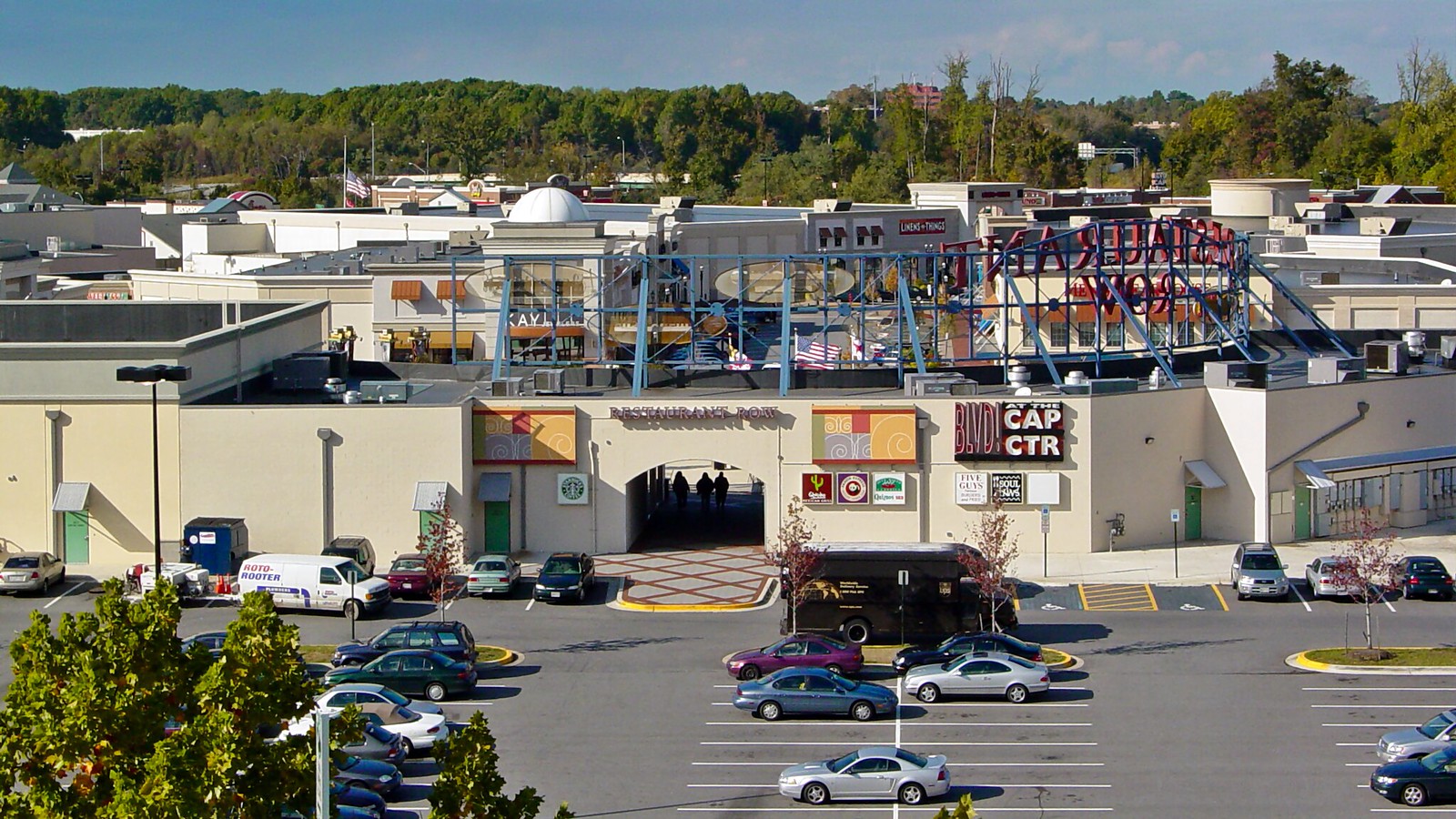
Marshe’ Edwards has been a resident of Capitol Heights her whole life. She remembers going to the Boulevard at Capital Centre, an open-air mall filled with chain stores as well as local designers, a hopping movie theater, and plenty of restaurant options.
“[The Boulevard] was the place to be for high schoolers, for couples, for the older people, and then it’s right off the train,” Edwards says. But the Boulevard, which opened in 2003, didn’t stay popular for long. Malls in general began to decline, including the Boulevard, which was partially demolished in 2019.
“It was like it was here one day, gone the next,” Edwards says. “And then when they started closing down the stores, that’s when there was an increase in violence because the kids now had nothing to do.”
The loss of much of the retail at the Boulevard — as well as other shopping centers like Landover Mall, which peaked in the 80s and 90s and closed in 2002 — left a void in the communities along the Blue Line, say Edwards and other residents. Because of that, they’re eagerly awaiting more details on County Executive Angela Alsobrooks’ plans to transform the Blue Line corridor. Those include $400 million dedicated to projects around FedEx Field — discussions that are about to get a lot more interesting as the Washington Commanders’ new stadium search begins in earnest.
Major transformation planned for Blue Line corridor
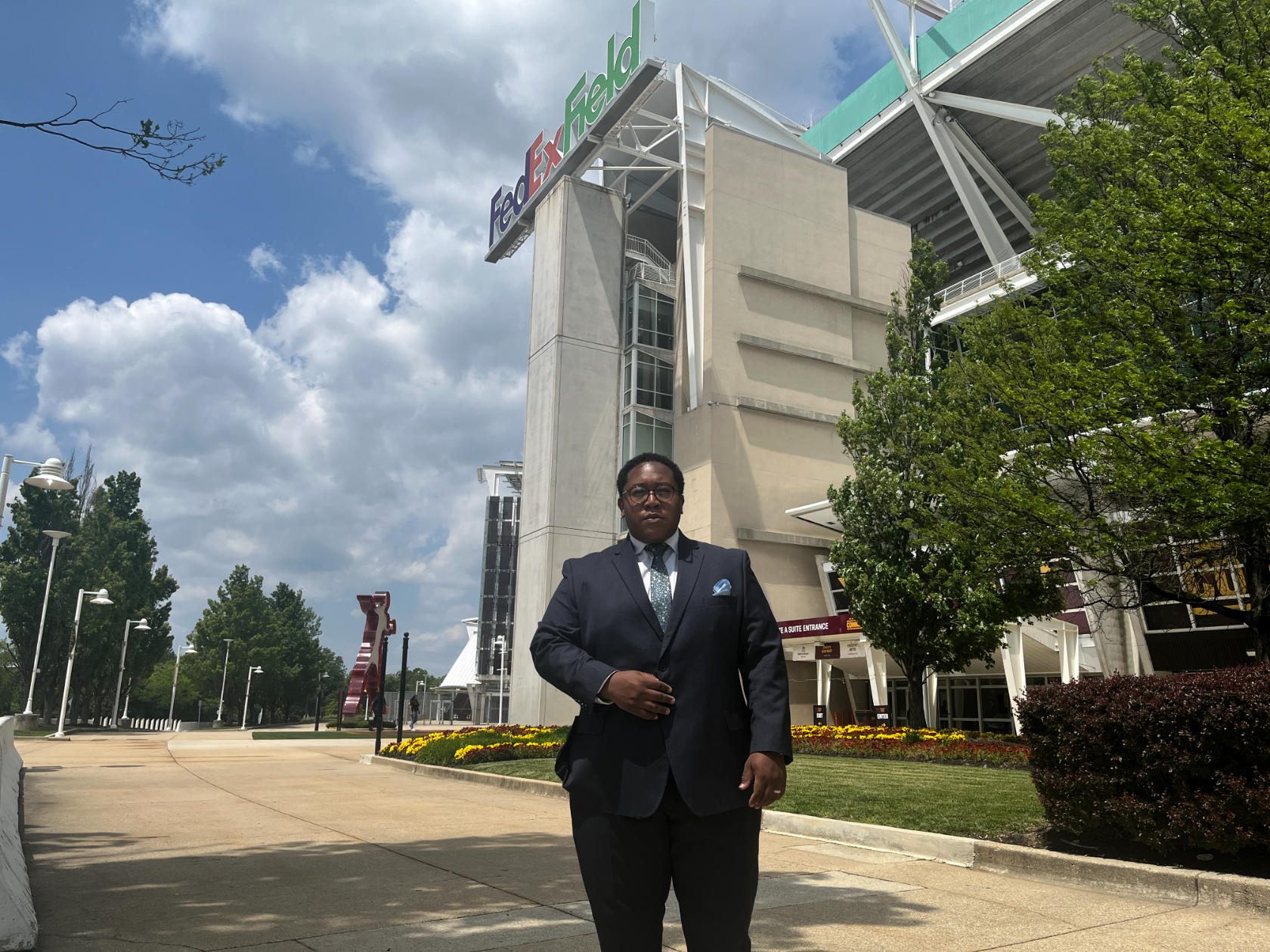
Alsobrooks rolled out her vision for the Blue Line in June 2021, but it really started moving in January of this year, when the Maryland Board of Public Works approved $400 million in bonds to develop property around FedEx Field. The plan includes an amphitheater, a youth sports field house, a central library and cultural center, a civic plaza at the Wayne K. Curry Building, and a market hall.
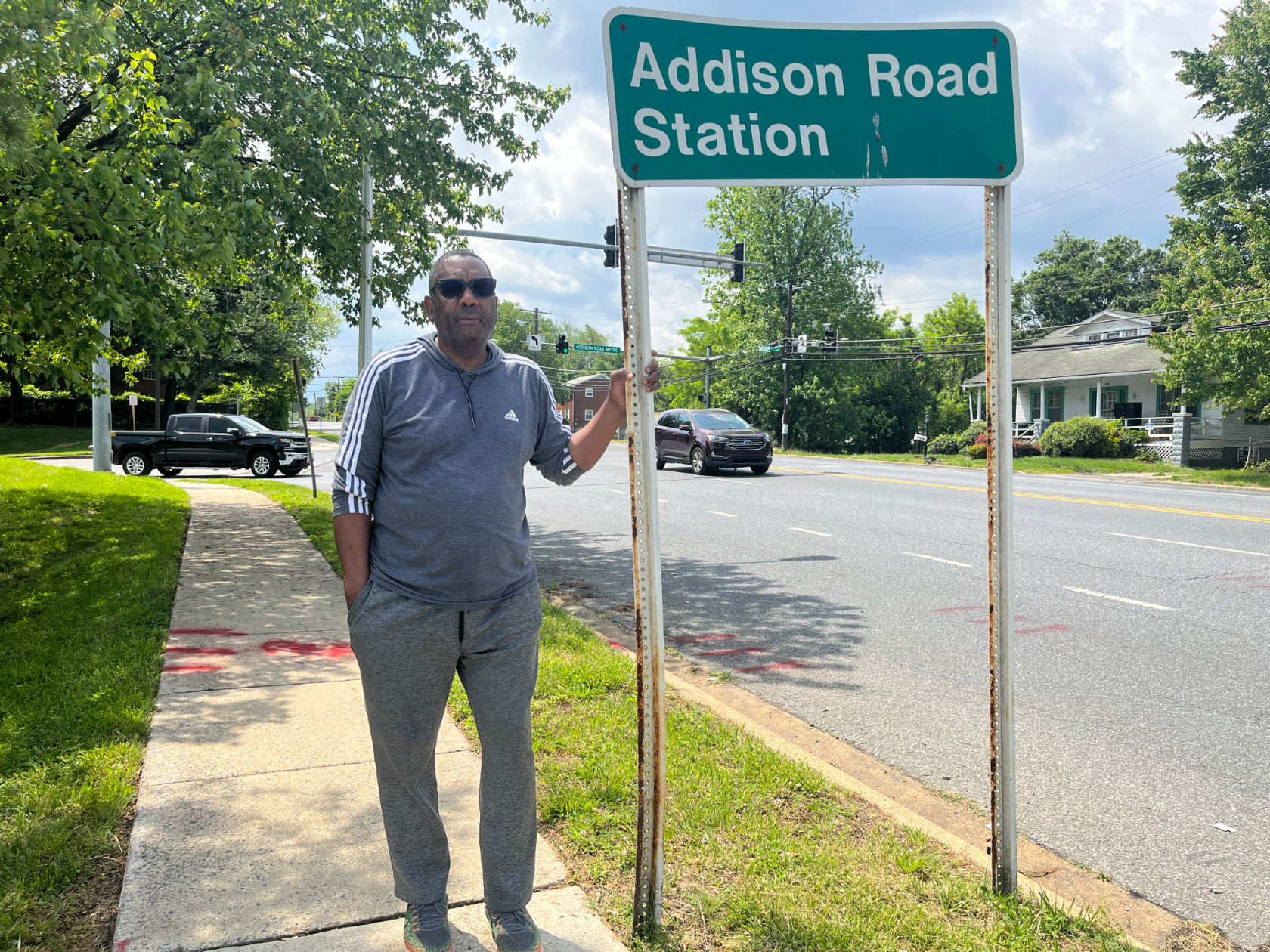
But the county executive’s vision goes beyond FedEx Field. It includes redeveloping or adding new development around four stops along the Blue Line, as well as making improvements to the Metro stations themselves, to Capitol Heights, Addison Road-Seat Pleasant, Morgan Boulevard, and Downtown Largo.
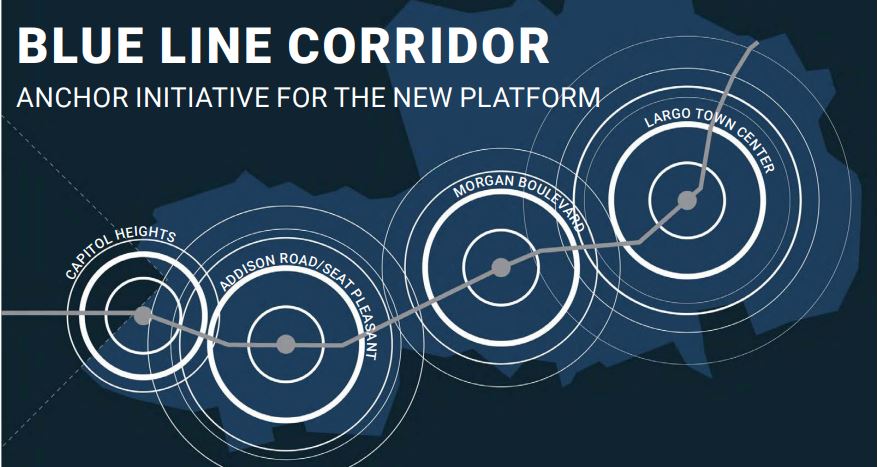
Some of that is ramping up too: In February, Alsobrooks’ administration announced five mixed-use development projects along the Blue Line, all of them from development companies owned or led by people of color. The projects include a mixture of homes, apartments, stores, hotels, and other community spaces.

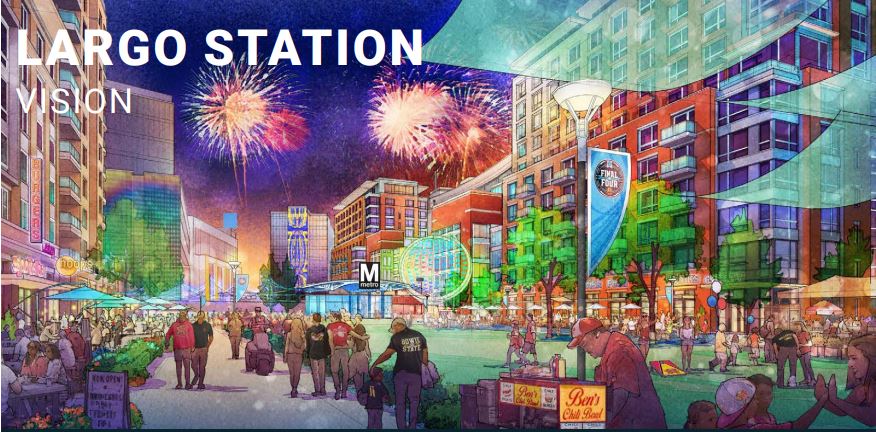
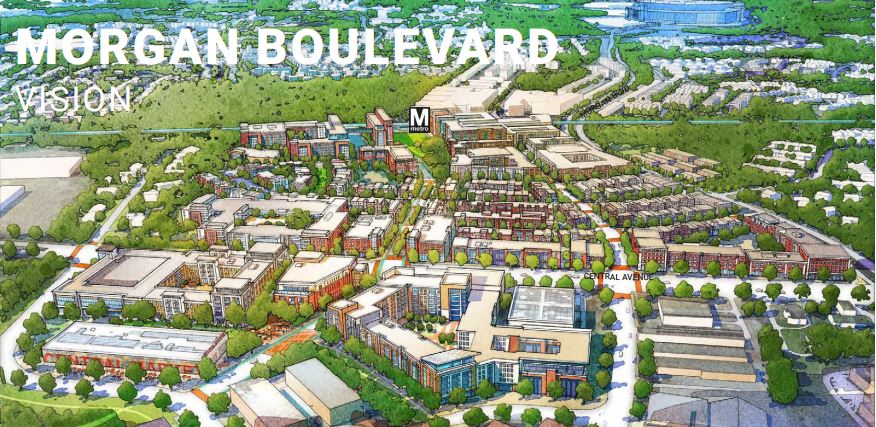
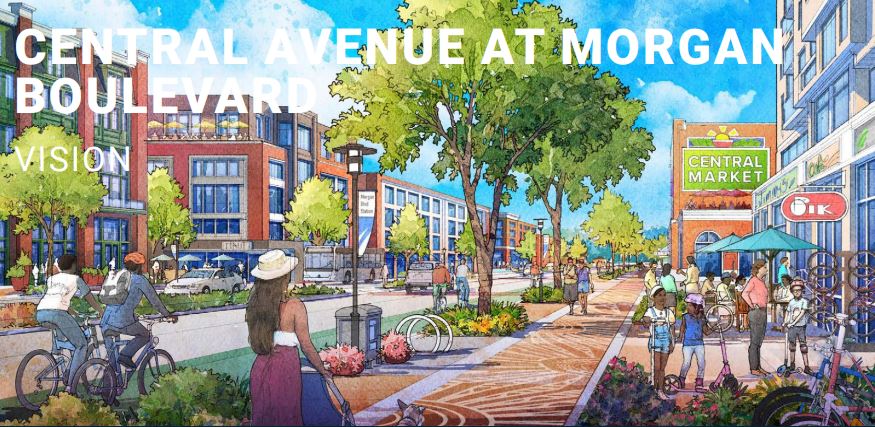
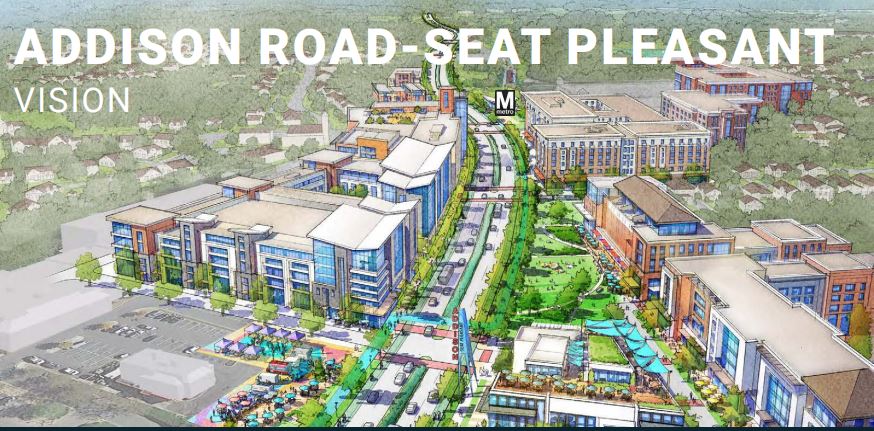
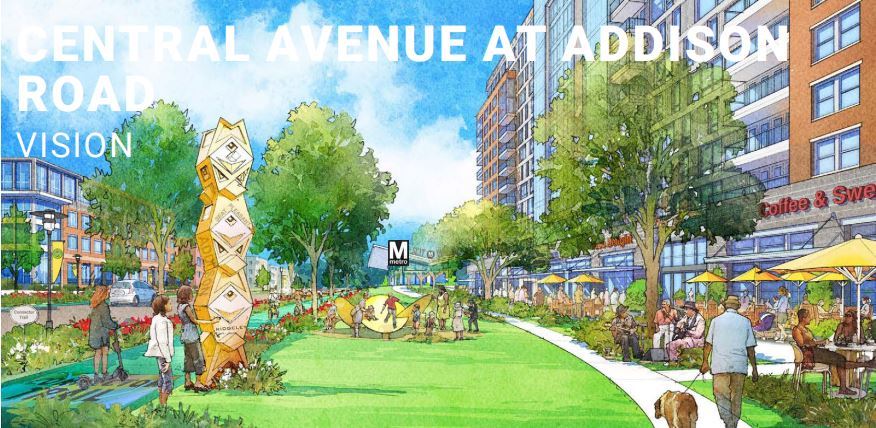
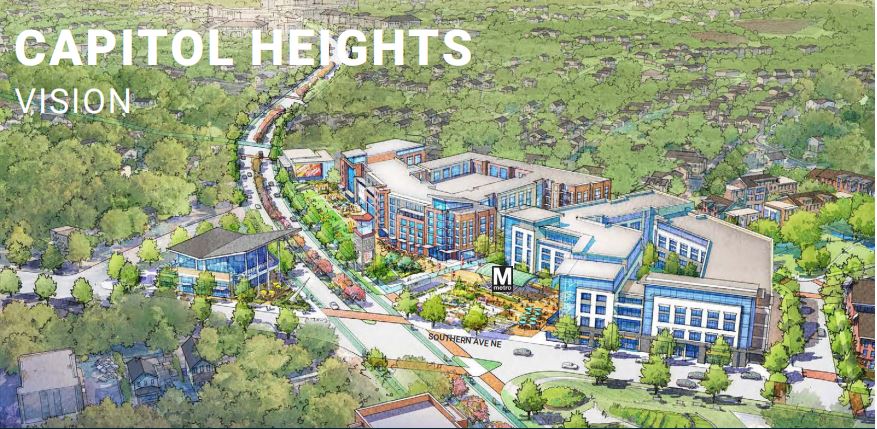
“From my perspective, I have heard from residents all over who are ecstatic about the idea of having an amphitheater, of having a youth sports complex, about having the cultural center,” Alsobrooks says. “We’ve waited so long to have the amenities that people generally have to travel to other jurisdictions to enjoy, to have them right here at home. Our residents are really very excited about it, and honestly, so are we.”
Hopes — and concerns — for growth
Although residents are excited, many are skeptical about how the development will progress, especially after so many shopping centers and other businesses in the region have struggled. Residents also wonder how the projects around FedEx Field could impact traffic, their taxes, and potential crime, but many are also hopeful about the amenities the project will bring.
“A lot of time in this area, you do feel like you often have to go out of the area to access the quality of some things,”says Joseph Earl Gray III, a pastor who’s lived in Upper Marlboro for 28 years.
And many residents are excited by the prospect of bringing more amenities to these neighborhoods that can be utilized by all ages — especially youth. With concerns in the county about safety and crime, particularly involving young people, the county has tried different approaches, including instituting a youth curfew and increasing the public safety budget. Residents hope development around the Blue Line could give local kids safe places to gather and have fun.
“I’m a father; I have two sons who are young,” Gray says. “If they are still young and growing as little boys in this area, it would be nice to have a safe place for them to come.”
Though residents WAMU/DCist spoke to see the benefits of new development, many also have concerns about traffic. Although Alsobrooks’ plan aims to reduce car use and increase walkability, bikeability, and overall accessibility to amenities by public transit, residents are skeptical it will change people’s reliance on cars in this driving-heavy corridor.
They cite places like the Sports and Learning Complex in Landover, Dave and Buster’s, and Woodmore Towne Center — all of which can be reached by bus from Metro stations, but still draw large numbers of drivers.
“A lot of the people I know who don’t drive talk a lot about spending money on Ubers and things like that to get to different places that may not be Metro accessible or may be ‘kinda’ – meaning that you can take the nearest one and then find some type of transportation from there,” Gray says. “So right now, I would say that it’s not the easiest, probably, for a non-driver to access different things in this area.”
Above all, the residents DCist/WAMU spoke to are looking for transparency from the county throughout the redevelopment process. To that end, according to Rodgers, the County Executive’s office has held multiple community engagement meetings about the projects on the Blue Line already this year, and community members can access updates on the county executive’s website and Facebook page.
Carillon: a case study in the effort to revive Prince George’s retail
In the 1970s, Prince George’s County had several major entertainment and leisure spaces, including the Capital Centre indoor arena and concert venue, once home to the Washington Bullets and the Capitals.
“The Capital Centre was one of the best places to go to entertain,” says Kevin Lewis, currently a resident of Upper Marlboro who’s lived in the county for 40 years. “All the big entertainers in the world, I would say, came to the Capital Centre.” Lewis saw Stevie Wonder, Michael Jackson, Frankie Beverly, Rare Essence, and Chuck Brown at the venue before it closed and ultimately was demolished in 2002.
The Boulevard at Capital Centre took its place. It opened in 2003 and was filled with shops, restaurants, and a Magic Johnson-branded movie theater. Residents described it as a popular space, but over time an increase in crime and the departure of retailers affected its viability.
Now it’s the site of another piece of the county’s economic development vision; real estate developer RPAI is slated to build Carillon, a large mixed-use development, next to the new $543 million University of Maryland Capital Region Medical Center, which opened in 2021.
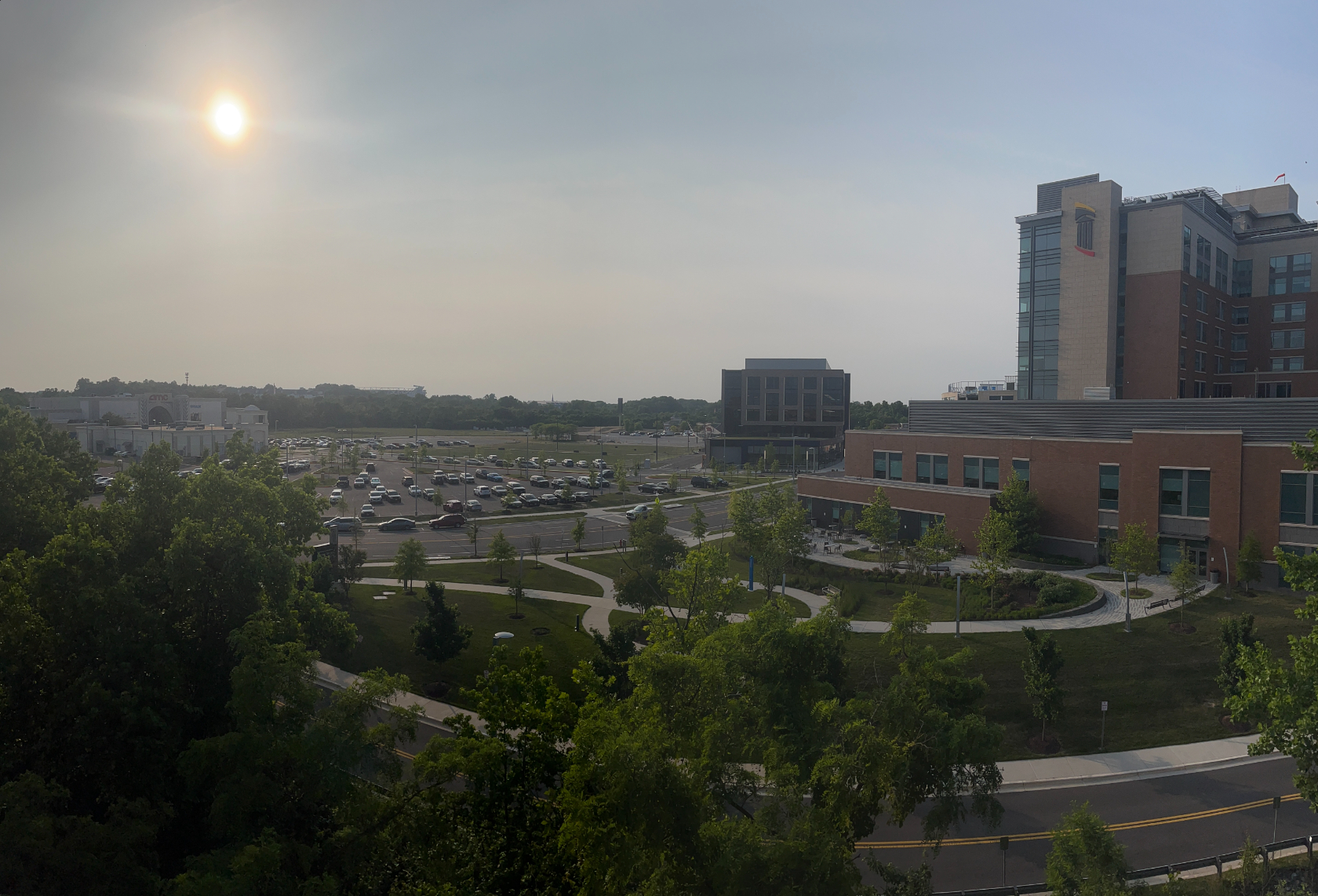
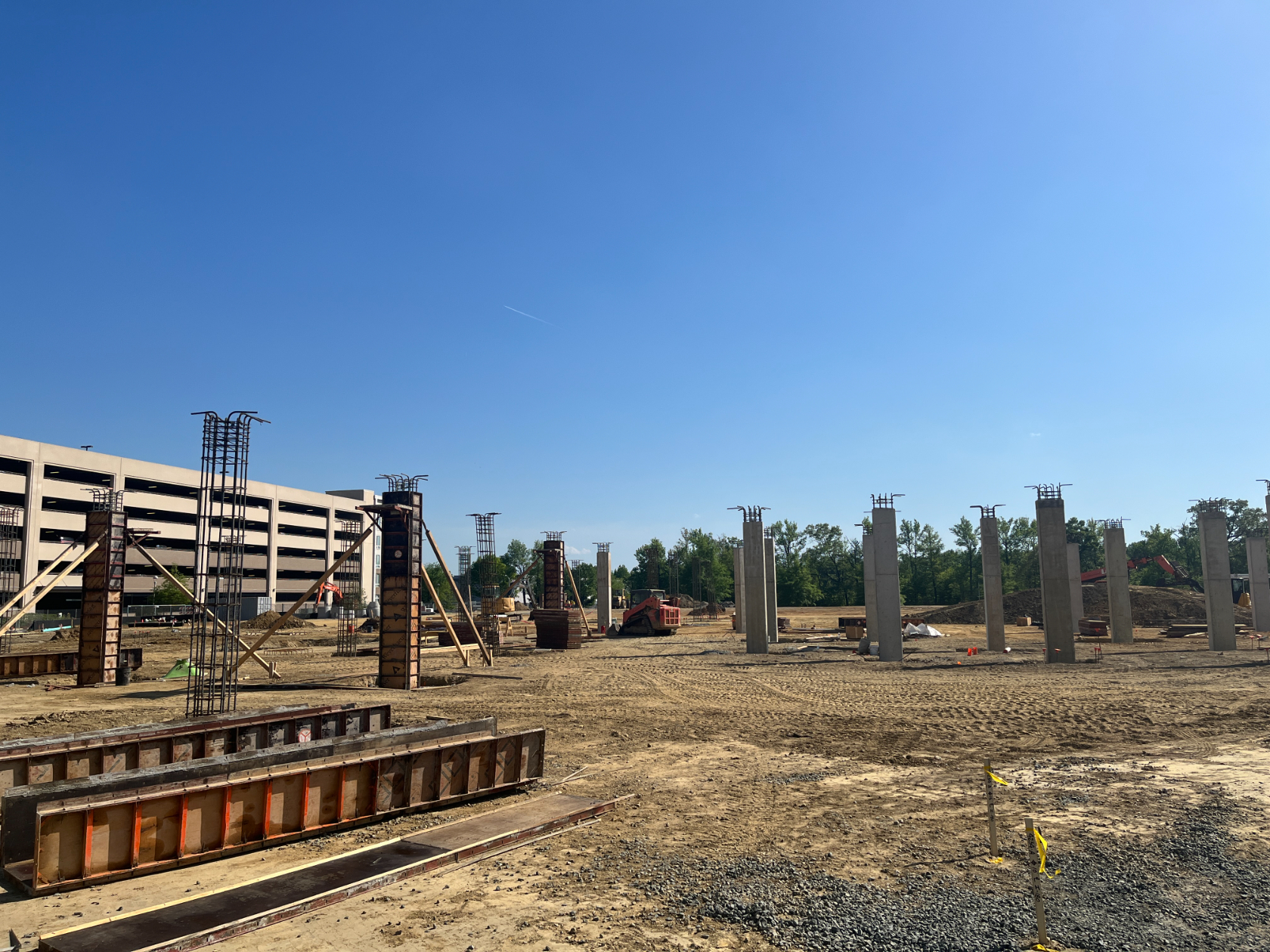
Carillon was billed as a lifestyle-oriented mixed-use development: think Prince George’s County’s version of Fairfax’s Mosaic District or Montgomery County’s Pike & Rose — full of entertainment-focused retailers, restaurants, and a plaza for people to gather after shopping or dining. The first phase of the 2 million-square-foot development was delayed by the pandemic but is slated to be complete in 2034, according to the Washington Business Journal. The first phase, a 131,000-square-foot medical office building, with some retail on the ground floor, is still under construction.
The second phase, to include 350 residential apartments and 25,000 square feet of retail, is about to get started, according to Angie Rodgers, Prince George’s County’s head of economic development.
The county is even putting up its own incentives to ensure the project — which has been in the works for years but stalled in part due to the COVID pandemic — will actually move ahead this time. The Prince George’s County Council recently approved a $95 million incentive package for Carillon that includes a substantial tax break.
Next to Carillon, UMMC has a new cancer center currently under construction, and another mixed-used development is expected to break ground this year at Downtown Largo Metro, according to Rodgers.
But until Carillon is completed and attracts retailers, there are few other spaces where nearby residents can go out and enjoy their leisure time near the Blue Line.
“There’s still a few things there at the Capital Centre, like the Magic Johnson Theater and the Carolina Kitchen and the Chick-Fil-A, which everybody loves,” Gray says.

Many residents go to places like Ritchie Station Marketplace in Forestville or Woodmore Town Center in Glenarden–both of which require a drive.
Gray lists Jasper’s restaurant right off Landover Road as one of his go-to spots, but he and other residents struggled to create a longer list of places — especially Metro-accessible ones — where they could go and spend their free time.
Will everyone benefit from the growth?
Residents around the Blue Line also have mixed feelings on how the developments might affect taxes and affordable housing. On the one hand, new amenities could increase property values –and property taxes– for homeowners, says Xander Harcourt, vice mayor of the city of District Heights and resident of the city for five years.
Many residents are on fixed incomes or are low income, and even those who rent may be affected, Harcourt says.
One of Alsobrooks’ goals is to increase the county’s commercial tax revenue by $100 million by increasing and preserving commercial space. Prince George’s County relies more heavily on residential property taxes than surrounding jurisdictions; the county only gets around 30% of its property tax revenue from businesses, compared to D.C.’s 66%, according to the county executive’s economic plan.
“That’s not sustainable,” Harcourt says. “You need businesses to come in so you can kind of share the wealth.”
“So owners own their property. They get assessed taxes when those taxes rise; guess who they’re going to pass that on to?” Harcourt says.
Residents and politicians alike acknowledge that development is often accompanied by displacement — though some argue thus far, the issue hasn’t impacted Prince George’s County, compared to places like D.C. Rodgers says their plan aims to prevent gentrification, rather than responding to it after the fact.
“I think what’s different about our plan is that we started out considering those things at the beginning because we know from other jurisdictions how this could end up if we allow that economic growth to happen unmitigated,” Rodgers says. “So while we are planning for things like amphitheaters, and cultural centers, we are also planning and investing in affordable housing.”
Keeping some housing — and other amenities — affordable
The county executive’s overall economic plan includes adding more grocery stores and diverse housing options to help keep the county affordable for residents at all income levels — though ultimately, it will be up to the private sector to commit to building much of that development.
“If you look at the Heights: Capitol Heights, Fairmount Heights, District Heights, they don’t have fresh groceries,” says Tolson Banner, executive director of the Prince George’s Community Development Corporation. He’s been a resident of Upper Marlboro for almost 22 years. “And that is just totally unacceptable.”
But to date, some areas have been left behind, and have tried to take matters into their own hands — with little success. For example, District Heights has been trying to get different stakeholders to invest in the St. Paul Towne Centre, but they’ve experienced multiple barriers to its development, Harcourt says,
“It’s just been a bunch of starts and stops and we don’t know necessarily why we can’t get this started,” Harcourt says. “We don’t really have a voice to say, ‘Hey, County Council, we don’t need another 24-hour tobacco shop, we don’t need another liquor store, we don’t need another gas station.’ That’s all up under the county.”
But Banner and Harcourt both say they hope the upcoming development around the Blue Line will have a ripple effect across the county and encourage more pragmatic development.
The future of the Commanders in Prince George’s
These projects and others could also go along with another major construction project — that of a new professional football stadium. Just a few days after it came out that the team’s controversial owner, Dan Snyder, was ready to sell, Gov. Wes Moore indicated he’d be willing to allocate taxpayer dollars to building a new stadium for the Commanders to replace FedEx Field (the team is contractually obligated to play at FedEx field through 2027, and D.C., Maryland and Virginia are all vying for the team.).
But the county is trying to ensure the corridor’s development doesn’t hinge on Maryland winning that race.
“Part of what we’re really proud about is that this sort of growth is happening, whether they stay or leave,” Alsobrooks says. “The areas of Seat Pleasant, District Heights, Landover, and all of those communities in this area, making sure that they have the amenities and the opportunities for entertainment, for dining, and for recreation that they have missed for a very long time.”
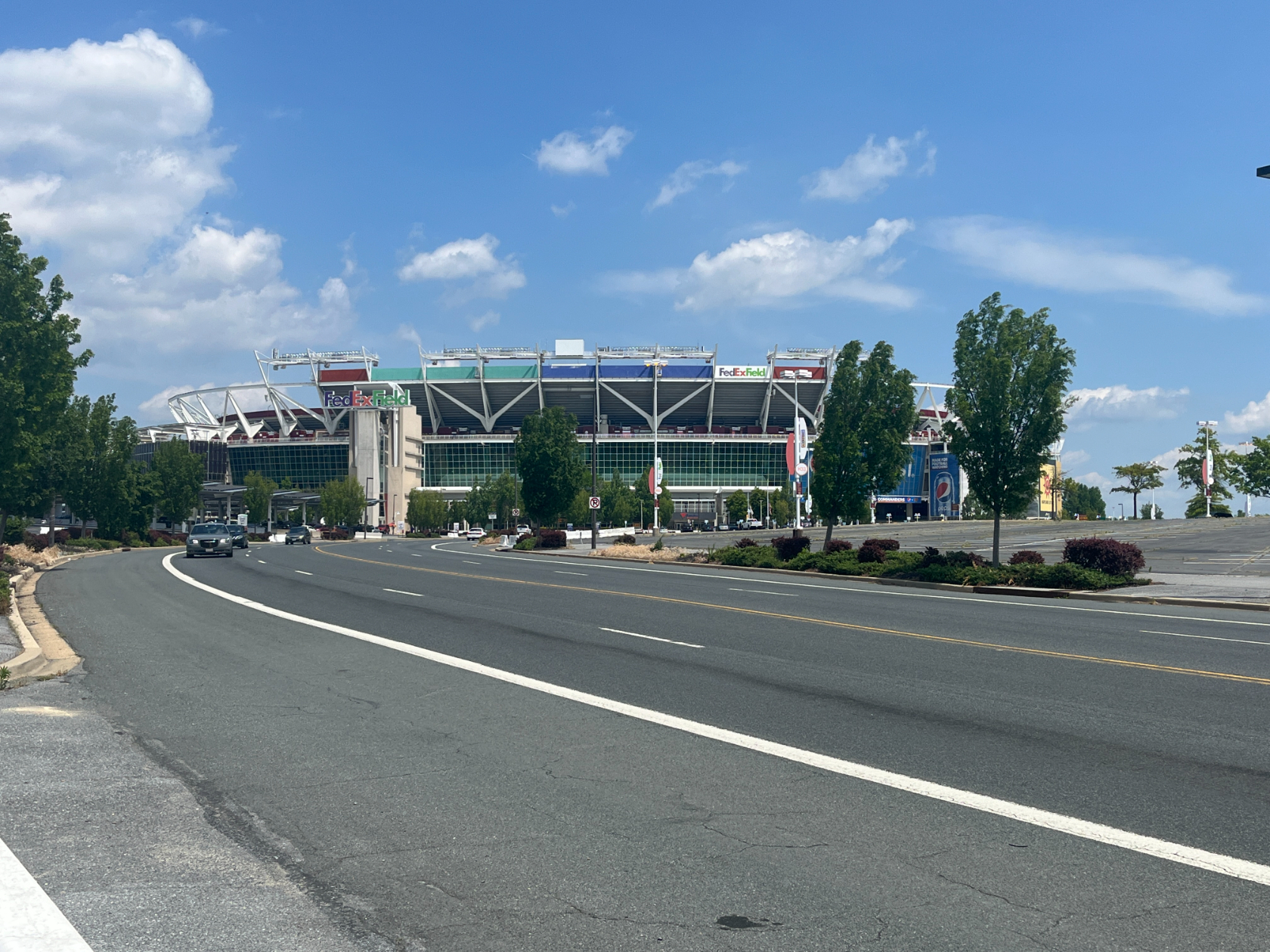
Residents had mixed feelings about whether or not the Commanders should stay. Some longtime dedicated fans, like Kimberly McLeod, resident of Beechtree for five years, says her husband would be sad to see the team go. But McLeod herself says it doesn’t matter to her one way or the other — unless the team staying could bring more wealth and revenue to surrounding businesses.
“They could really build up themselves even more if they stayed in PG County,” McLeod says. “I think that could be only a strong thing.”
McLeod says that if they do leave, she hopes the stadium is at least used for something meaningful for the community.
“If the Commanders are not going to be here, I want to see FedEx stadium turned into a building of businesses; I don’t want the stadium torn down,” McLeod says. “There’s too much to offer.”
Banner says that although he has no opinions on the team, he feels that the county missed an opportunity to develop the land while the NFL was committed to be in Prince George’s.
“The amenities around the stadium should have been done in tandem with the construction of the stadium,” Banner says. “If the Commanders pull out, then we have this humongous edifice with all this activity around it and nothing going on inside the stadium.”
It’s unclear what will happen with the stadium itself if the Commanders leave. The focus of the development so far is just the area surrounding it.