Elliot C. Williams
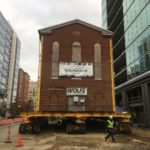
Four years ago, D.C.’s oldest synagogue hit the road, literally, moving a block down G Street NW on wheels that carried it at 1 mph to its current location on the corner of 3rd and F streets NW. The hope among the Adas Israel congregation it belonged to was that it would be the third and final move for the historic sanctuary and that the site would be home to a new museum that explores the multilayered story of Jewish life in the capital region.
That hope is now a reality. When the Lillian and Albert Small Capital Jewish Museum finally opens Friday, it will present over 24,000 photos, 1,050 objects, and interactive storytelling from more than a century and a half of local Jewish history.
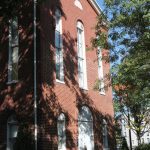
The museum near Judiciary Square was designed by SmithGroup, which has worked on other popular D.C. museums, including the Smithsonian’s National Museum of African American History and Culture. The structure combines the original red brick synagogue building with a modern one linked via glass footbridge.
The museum will offer something different from the United States Holocaust Museum and the National Museum of American Jewish Military History, both also located in D.C., its leaders say. Until now, D.C. hasn’t had a museum to tell the story of the roughly 300,000 Jews who live in and around the nation’s capital and the generations before them that have come and gone.
Named after D.C. philanthropists and developers Albert and Lillian Small, the 32,000-square-foot, four-story museum includes a terrace where guests can look out onto Union Station to the east and the National Building Museum to the west. Finishing touches are still being added, but by opening day, guests will be able to explore three floors of exhibits and a gift shop.
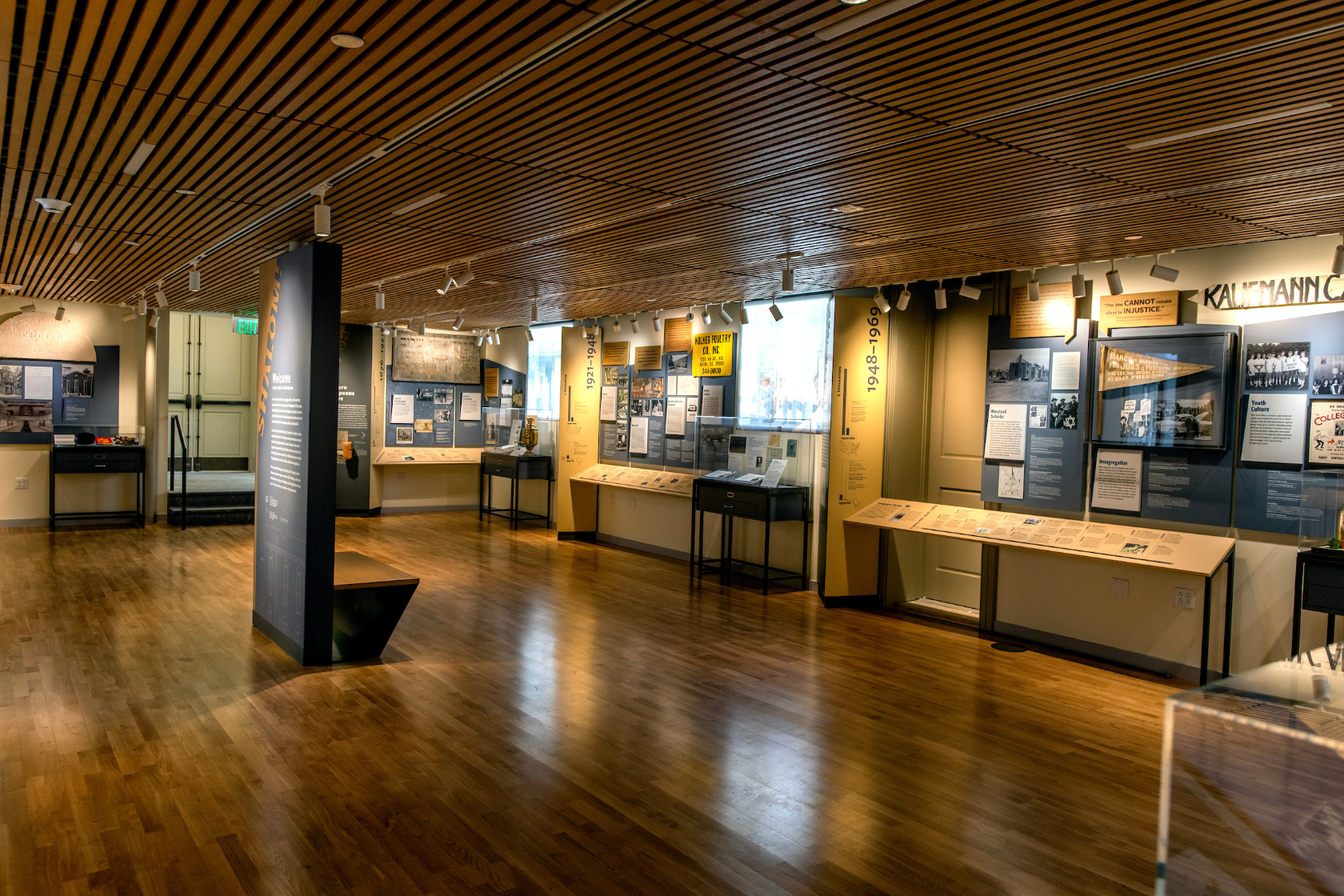
The curatorial team hopes researchers and academics will make use of the extensive collection, which includes personal and political items, such as:
- A matchbox signed by President Jimmy Carter, which he used to light the first national menorah in 1977
- The press badge for Washington Post journalist Judith Martin
- The “Bagelman” sign from the former Bethesda Bagels in Dupont Circle
- A scrapbook with photos and clippings from Jewish-owned Drug Fair stores in the 1950s and 60s
- Photos from the Nice Jewish Boys, a local group for gay, bisexual, and queer Jewish young men
- A poster written in Yiddish encouraging people to participate in the 1920 census
- A 1926 restrictive covenant barring Black people from leasing a building
- A fabric pennant from the 1963 March on Washington.
More than the relics or the building itself, the stories told inside are the most important, says Esther Foer, a prominent writer and board chair of the new museum — and a former director of the Sixth & I historic synagogue, one of the locations that has hosted the Adas Israel congregation at one point.
“I’m a strong believer in the power of stories, not just dates and numbers, but individual stories that bring history to life,” Foer told members of the press in a preview last week. “Focus on the stories. That’s what people remember, and that’s what we’re doing here.”

Foer shared the story of General Ulysses S. Grant’s controversial ban of all Jewish people from much of the Civil War South — a measure prevented by President Abraham Lincoln — only for Grant to become president years later and accept the invitation to Adas Israel’s 1876 dedication ceremony.
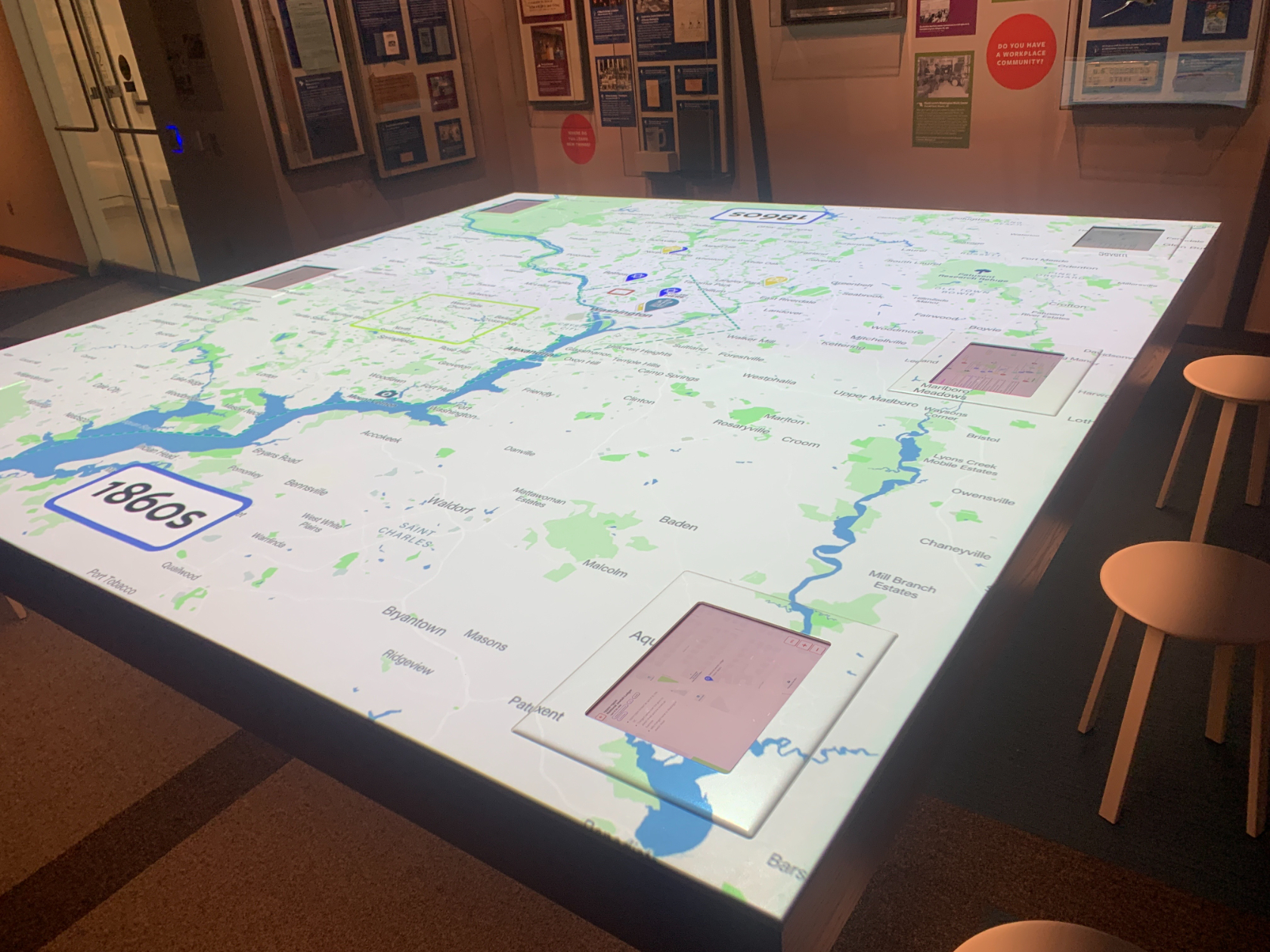
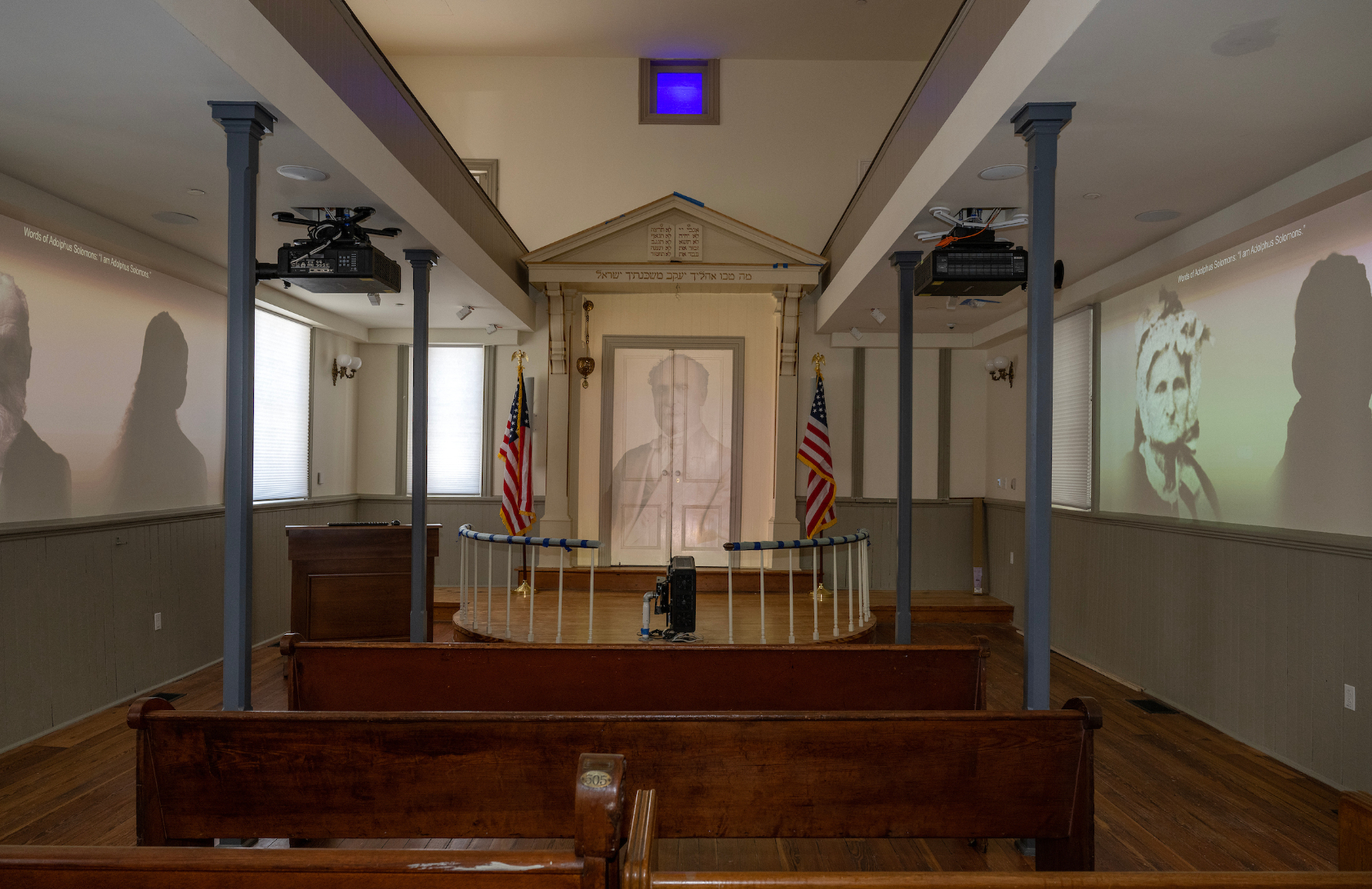
That ceremony dedicated the red-brick synagogue-turned-museum, which still has some of its original pews and fixtures — though it also now has air conditioning and a video projection that explores the history of the congregation. Visitors cross back into the new building via the bridge over the lobby — and across time — to find an exhibit where guests can sit at a modern Seder table with video projections or explore the Jewish community’s expansion throughout the D.C. region, as shown on a massive digital map.
In a social justice-oriented section, participants will learn about how Jewish people in Washington have influenced and been involved in a number of hotly debated issues over the centuries, including abortion rights, racial discrimination, and U.S. policy on Israel. Ivy Barsky, the museum’s executive director, says this section is based on the idea that regardless of where a visitor arrives from, they will have something to contribute to this story.
“Jews are a Talmudic people,” Barsky said at the press conference. “We like to argue to get to the truth.” In that sense, debate will be ingrained in the museum’s fabric in the same way its stories and artifacts will be.
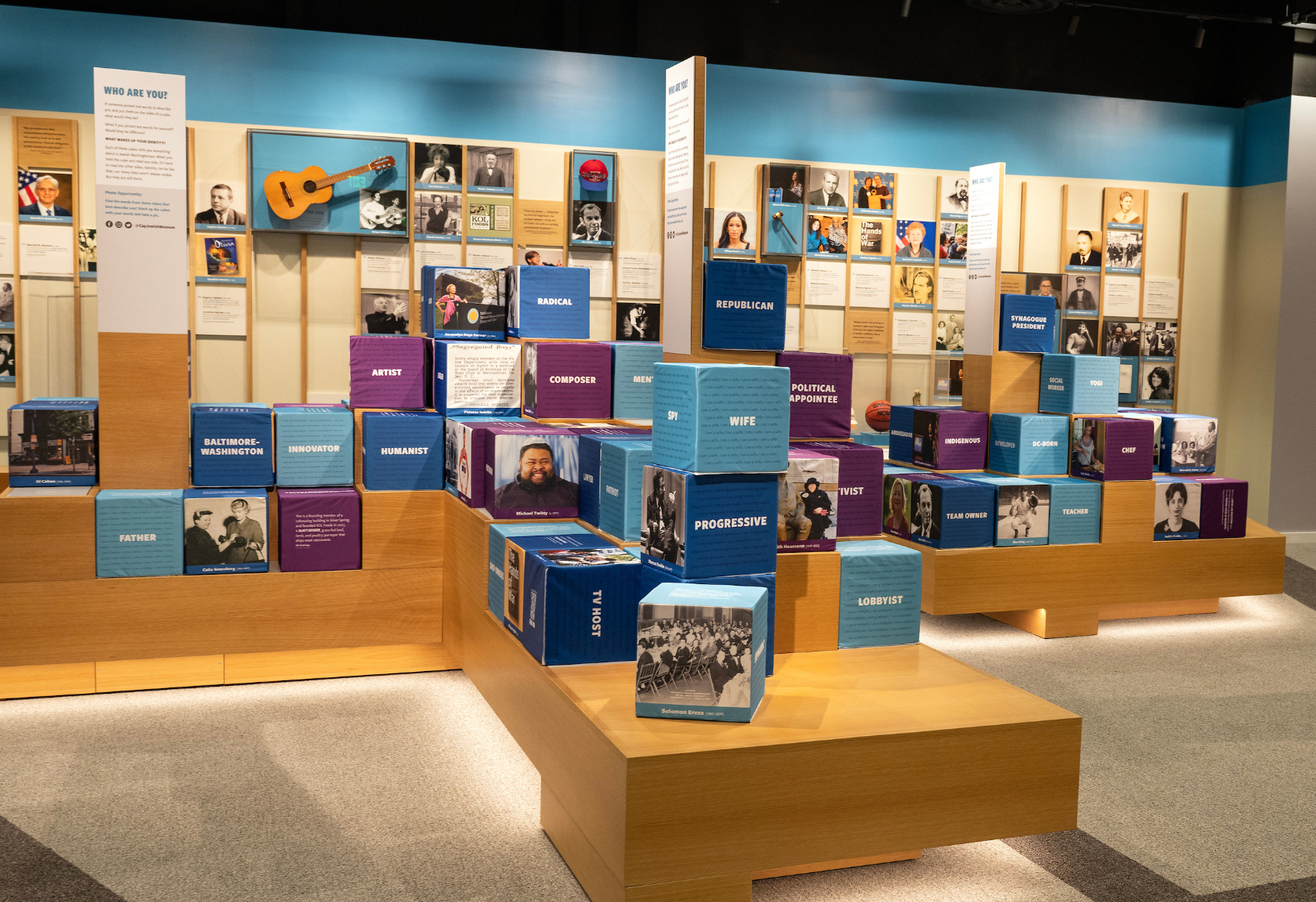
An ongoing exhibit on the first floor begins with the story of the first Jewish family to move to D.C. in 1790 and asks, “What is Jewish Washington?” That question comes back into play in a later section, where soft cubes feature photos of influential Jewish people who have lived or currently live nearby — like D.C.-born, African American, Jewish food writer Michael Twitty — and words describing pieces of their identity on each side.
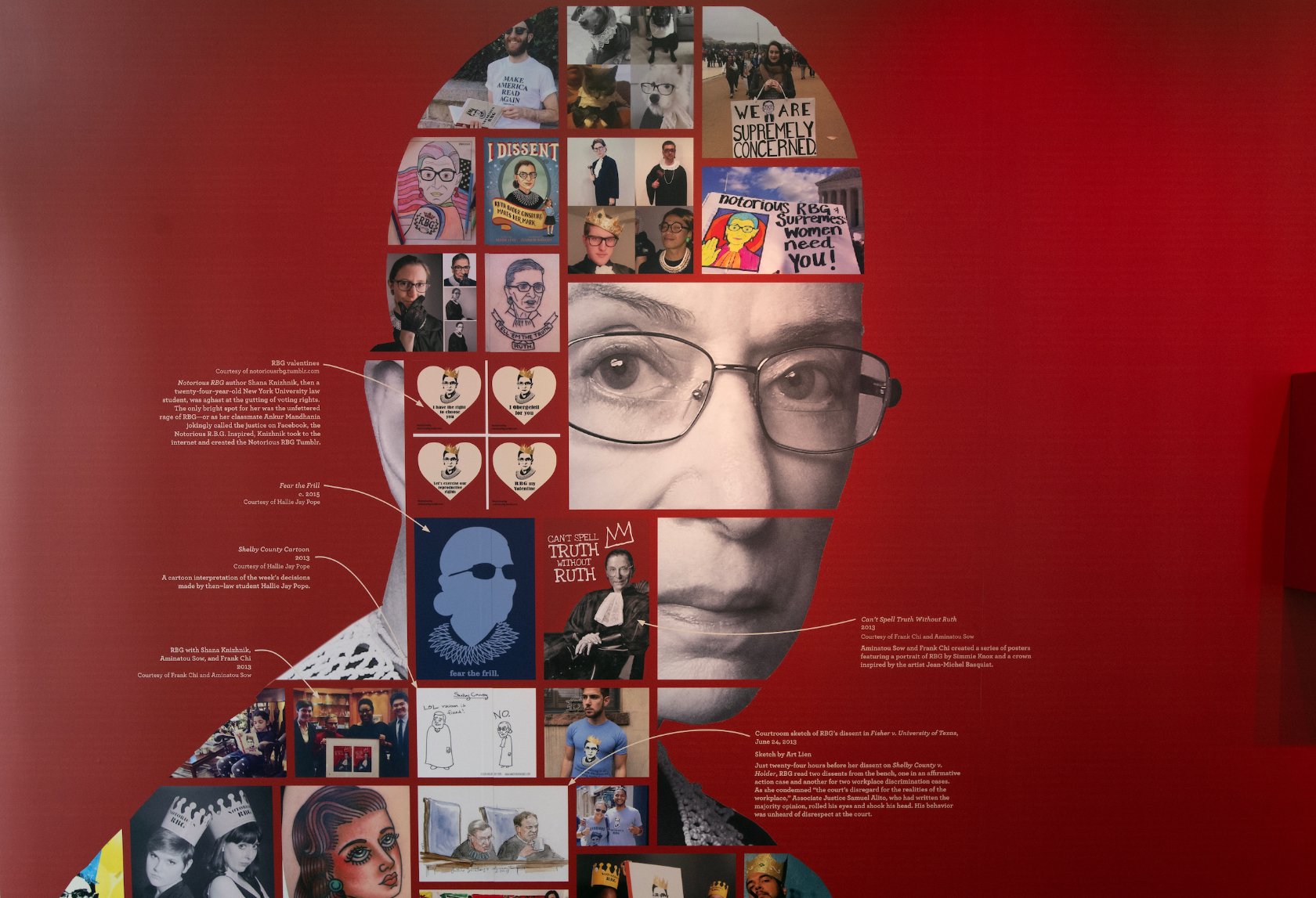
The museum also makes room for temporary exhibits, the first of which is sure to be a popular one. Through November, the museum will display “The Notorious RBG: The Life and Times of Ruth Bader Ginsburg,” a traveling exhibit based on the book of the same name. The exhibit tells the story of the late justice’s life, from her beginnings in Brooklyn through her time in the Supreme Court, where she became a pop culture icon for her defense of civil rights.
The exhibit includes videos from her many interviews, photos from her law school days, and even her favorite dress she wore to the Washington National Opera — her favorite leisure activity. Curators added some D.C.-specific items, including the large, silver mezuzah she hung on the door to her Supreme Court chambers, and items collected from local public memorials following her death in 2020.
Admission to the exhibit costs $12 for adults, though the rest of the museum is free with a timed reservation. On Thursday, June 8, the museum is hosting a ticketed opening bash with food and drinks from historic cookbooks in the museum’s collection.
The Capital Jewish Museum is located at 575 3rd St. NW and open Wednesday, 11 a.m.-8 p.m., and Thursday-Sunday, 11 a.m.-6 p.m.