Margaret Barthel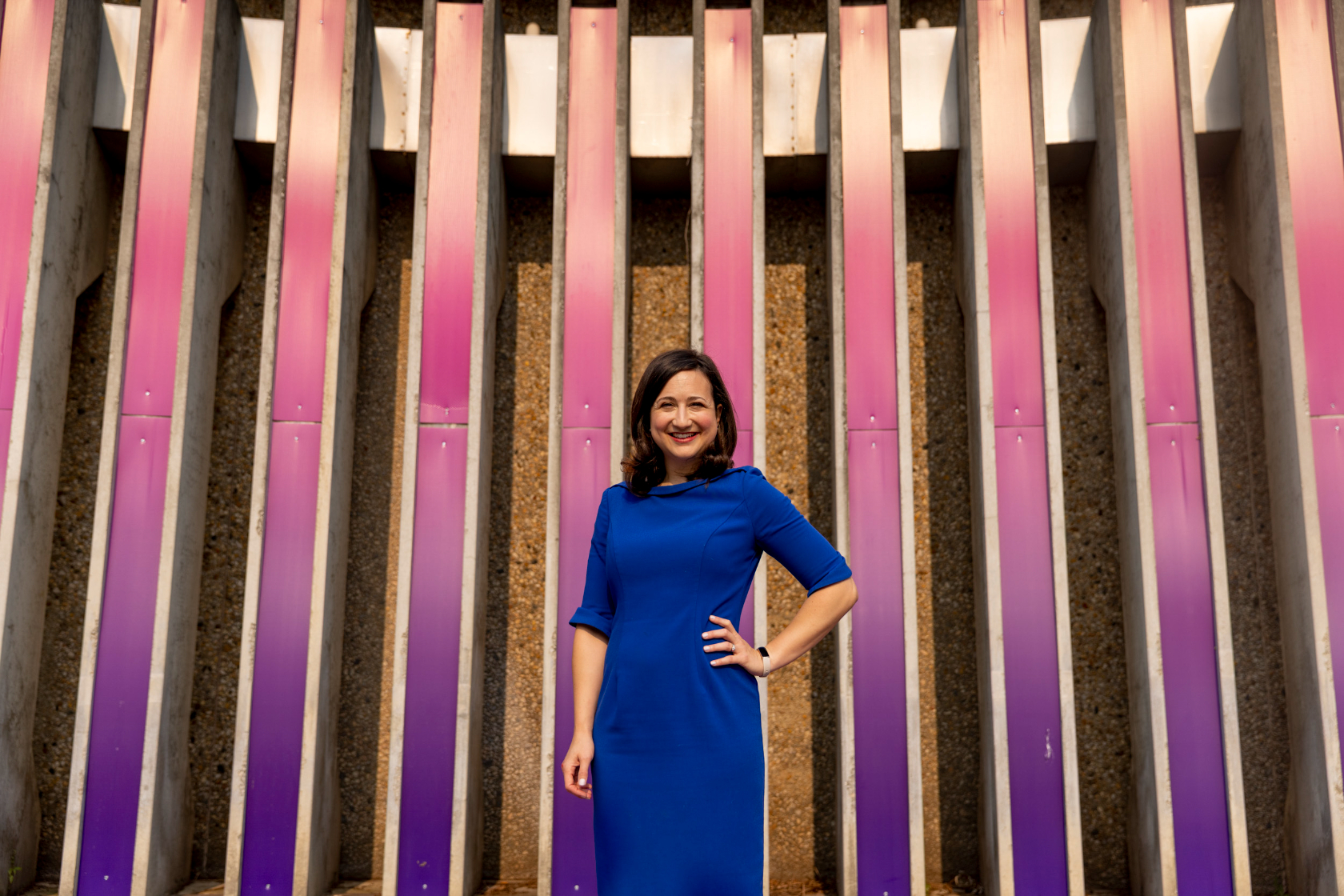
Arlington County Board member Katie Cristol will attend her last board meeting Tuesday as she prepares to leave her post next month after seven and a half years in office. The board’s first millennial member, Cristol was just thirty when she first ran for her seat in 2015, with the goal of bringing the perspective of a younger resident and recent renter to the body.
Since then, she’s been at the center of many consequential policy debates in Arlington. She supported the approval of Amazon HQ2, and maintains that the decision was the right one, even as the promised economic benefits for the county have been slow to emerge in the pandemic. She advocated for better access to childcare access and helped guide her county’s response to the pandemic. Most recently, she championed Arlington’s decision to end single-family zoning — and she has faced criticism for leaving the board so soon after the policy passed in March.
Cristol chaired the board twice (it’s a rotating position), and she had a front-row seat to how the Arlington community makes itself heard. And she says that’s changed significantly over her two terms.
She sees an Arlington where younger people and renters are increasingly engaged, a trend she traces from the Amazon HQ2 decision up through the county’s recent debate over ending single-family zoning.
“The civic fabric of Arlington in terms of who participates has really started to reflect more of the overall community,” she told WAMU/DCist.
Cristol thinks the shift in civic engagement in the county means “the Arlington Way” — shorthand for the long-held ideal that county policymaking should be grounded in civility and ultimately achieve consensus — is due for an update.
“There is no easy consensus anymore, because people are bringing different perspectives to the table and different definitions of what Arlington means to them to the table,” she says.
Cristol will take what she’s learned in Arlington to Fairfax County, where she’ll again be confronted with plenty of different perspectives as the leader of the Tysons Community Alliance. The organization functions similarly to business improvement districts in Arlington and D.C., bringing together businesses and residents and spearheading community projects and events and seeking to make the area more walkable and attractive. It has already received millions in public funds to support that work.
Ending single-family zoning
Cristol was one of the strongest proponents of Arlington’s contentious “Missing Middle” zoning reform change, arguing that more housing options — duplexes, townhomes and small apartment buildings — would serve younger professionals eager to make Arlington home but unable to afford a single-family house. That had been her personal experience, at least: she’d bought an apartment in the county, and then years later had moved her family into a townhome.
The Board voted unanimously to approve the policy, which allows small multifamily buildings in single-family neighborhoods. But Arlingtonians were dramatically split, with many older established homeowners in opposition — and a younger, more diverse group of renters supporting the change.
That younger Arlingtonians came out in significant numbers to weigh in on the policy was unusual. Research suggests that older residents and homeowners are typically more likely to speak up at public meetings and otherwise weigh in on local government policy.
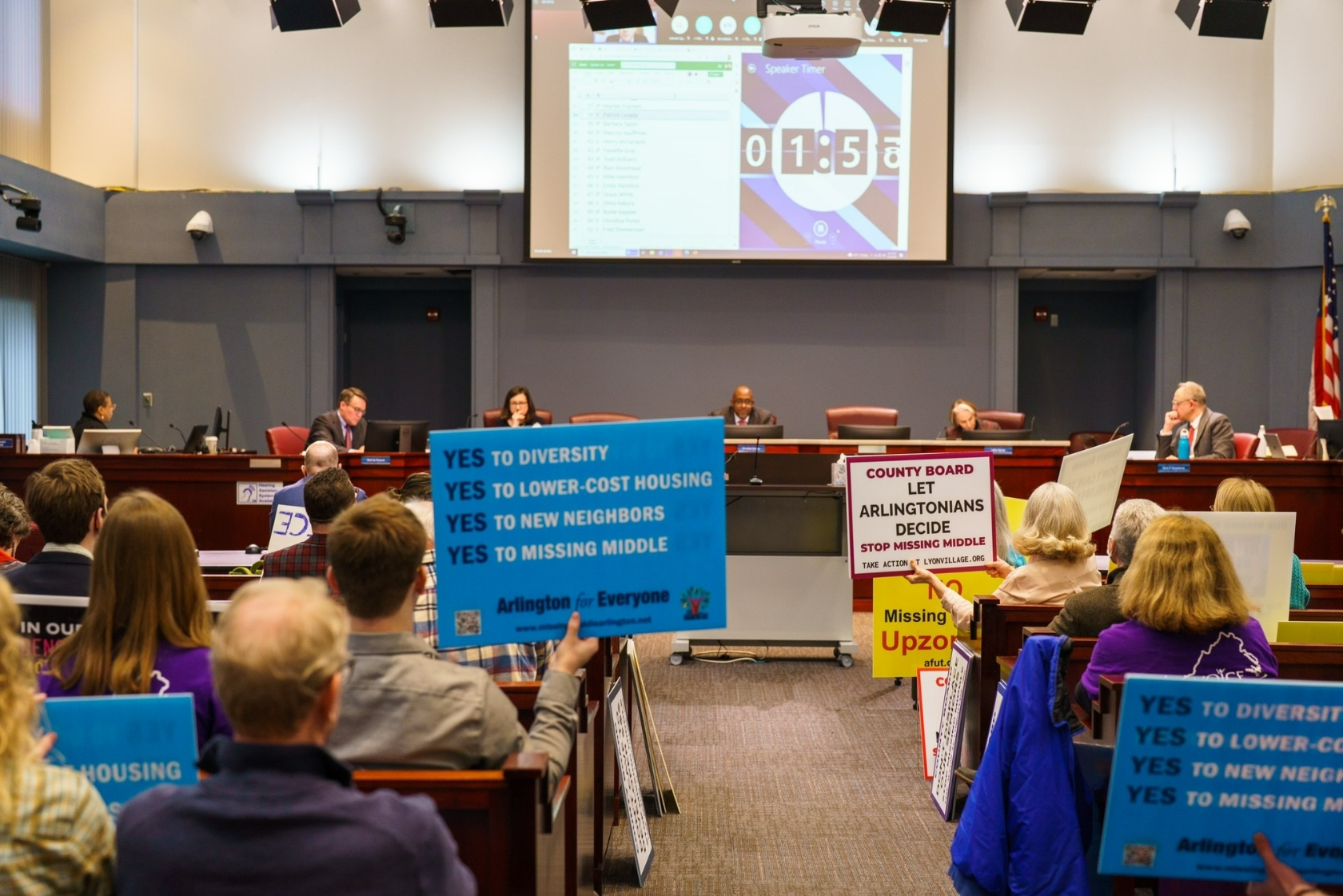
Public hearings got heated. Opponents criticized what they saw as the board’s lack of transparency and rush to judgment on the zoning change. Along with the county’s Civic Federation, mostly made up of local neighborhood civic associations, they felt the process represented a breakdown in civil public engagement and consensus — a failure to adhere to the “Arlington Way.”
Supporters of the policy, meanwhile, argued that ending single-family zoning would address a history of racist and exclusionary racist policies. Some even suggested that opposition to doing so was racist. The local chapter of the NAACP removed itself from the Civic Federation after the body criticized the public engagement process.
When the Board took its final vote to approve the “Missing middle” zoning changes, opponents held up tombstone-shaped signs reading “RIP Arlington Way.”
Cristol thinks the community debate is evidence that a new generation of residents have arrived as a force in county politics, particularly after the victory in securing zoning change.
“That’s sort of civics 101, right?” she says. “When you believe you can make a difference in your government, then you’re more likely to participate. You’re more likely to vote, you’re more likely to testify.”
That new energy comes just as county voters consider their choices in a consequential Democratic primary in June. Cristol’s seat and that of Board Chair Christian Dorsey will be up for grabs in November, a significant shift on the five-member body. (Cristol’s early retirement will also require the remaining members of the board to appoint an interim member to fill out the remaining months of her current term).
Edits to the Arlington Way
To Cristol, the fact that residents who haven’t participated before are engaging — and things are getting messy as a result — is a sign that it’s time to reset expectations around the “Arlington Way.”
“I do think the idea of consensus is maybe one that we’ve given too much weight to in the past,” Cristol says. “And [it] is not necessarily or at all consistent with an Arlington where a broad spectrum of voices feel like they can participate.”
She notes that communities of color in the county have long seen “the Arlington Way” as a symbol their perspectives were not being heard. “The term itself meant exclusion to them,” Cristol says.
But what might replace it isn’t clear, Cristol says.
“I think we need a new and common definition of what it means,” Cristol says. “Whether a new Arlington Way can put consensus at its center, perhaps I’m less optimistic about.”
But she does see civic values that could replace it. She believes one of those could be an emphasis on transparency. Opponents cited it as an issue during the debate over Missing Middle. And transparency has also been an ask of county leaders from communities of color concerned over how the county chooses to allocate funding to nonprofits.
Supporting Amazon’s HQ2
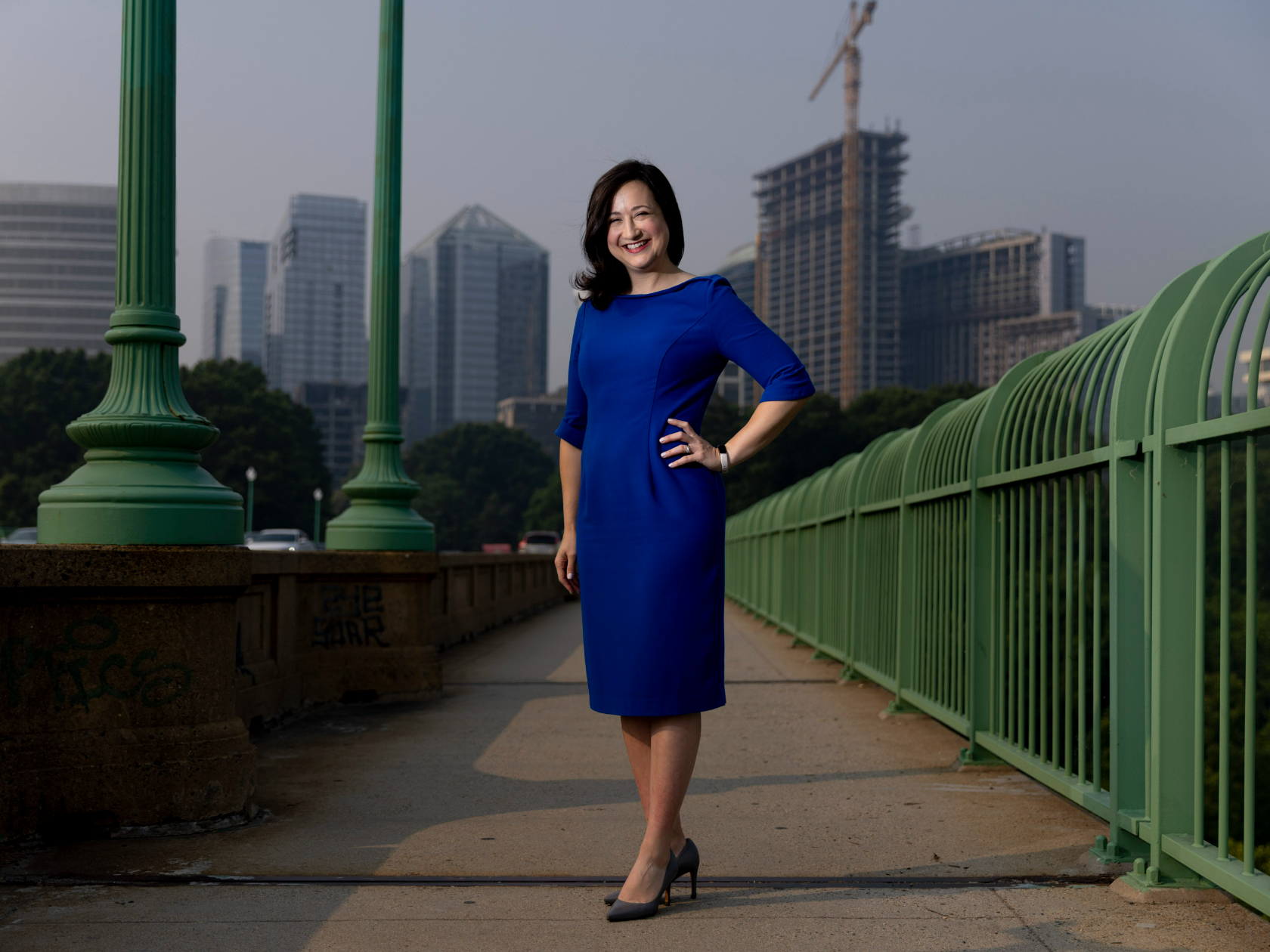
The debate over what civic life in Arlington should look like and who it should include is now in full flower, but Cristol believes the seeds were planted years ago during the county’s approval of Amazon’s plans to build its second headquarters in Arlington. The 2018 deal brought out renters and communities of color concerned about Amazon fueling the county’s worsening inequality and displacement.
“It activated a lot of people who had very deeply felt and held ideas about the role of capitalism in our community,” Cristol recalls.
Despite the community’s concerns, she was a vocal supporter of the deal, and argues that it’s been a good one for Arlington. She cites the company’s billion-dollar investment in preserving affordable housing, including more than a thousand units at the Barcroft Apartments, which she believes could have been torn down if not for Amazon’s financial support. (Ensuring that Arlington’s affordable housing units are livable after the county and other partners move to preserve them has been an issue of concern for housing advocates in recent years.)
Cristol also notes that advocacy from labor groups, with the board’s help, pushed the company to pay workers on the headquarters construction project prevailing wages and to work with mostly union labor, “the highest labor standards I’ve ever seen on a private project in Northern Virginia,” she says.
But the long term impact of Amazon’s arrival in Arlington is still far from clear. Housing prices continue to rise, though it’s not certain how much the increase is attributable to Amazon alone. As of September 2022, with business travel and in-person work mostly halted due to the pandemic, Arlington has not been required to pay any of the promised incentives to Amazon, since those payments are mostly tied to hotel occupancy rates.
Cristol says she hoped the Amazon headquarters would improve the county’s anemic commercial vacancy rate and bring along more business development. Some of those possible gains have also been obscured by the pandemic, though Arlington has won several other corporate office bids in recent years, including from Boeing.
Amazon recently announced a delay in the construction of a second part of the planned headquarters, a move that sparked questions for nearby local businesses and residents about what the pause would mean for their neighborhood. The company opened Met Park, the first phase of its planned future campus, in May. That location is meant to house 8,000 employees — but with remote and hybrid working arrangements here to stay, how often those workers will come to the office in Arlington and benefit surrounding businesses is also up in the air.
Lingering pandemic effects
Amazon isn’t the only company in Arlington dealing with a changing work reality, an issue driving the worrying increase in the county’s office vacancy rate. It’s one of the bigger issues Cristol’s successor on the board will need to confront.
Commercial real estate tax revenue is vital to the county, but Arlington’s office vacancy rate is 22% and rising, up from about 16% in the first quarter of 2020, according to Cristol. And she believes it will likely get worse.
“A lot of these office leases are long term leases,” she says. “So we’ve not potentially even seen the full hit of that yet.”
County staff and the county board have taken steps to try to allow creative uses for office spaces, including urban farming and brewing, cybersecurity research and development, and podcasting. But Cristol thinks those changes are “probably around the margins.”
“I don’t think you’re going to see a tremendous amount of office-to-residential street conversion,” she says. “I think you might see a fair amount of redevelopment, but that’s going to take time, and the markets are unstable right now.”
The pandemic also disrupted one of Cristol’s proudest personal achievements on the board: Passing policies designed to increase the number of childcare spots in the county, on the theory that the high cost of care is due in part to the scarcity of places (as well as the area’s generally high cost of living).
“There was our data that indicated there was something like one spot for every two kids under five in Arlington, in a community where most parents have to work because you need two incomes,” Cristol recalls.
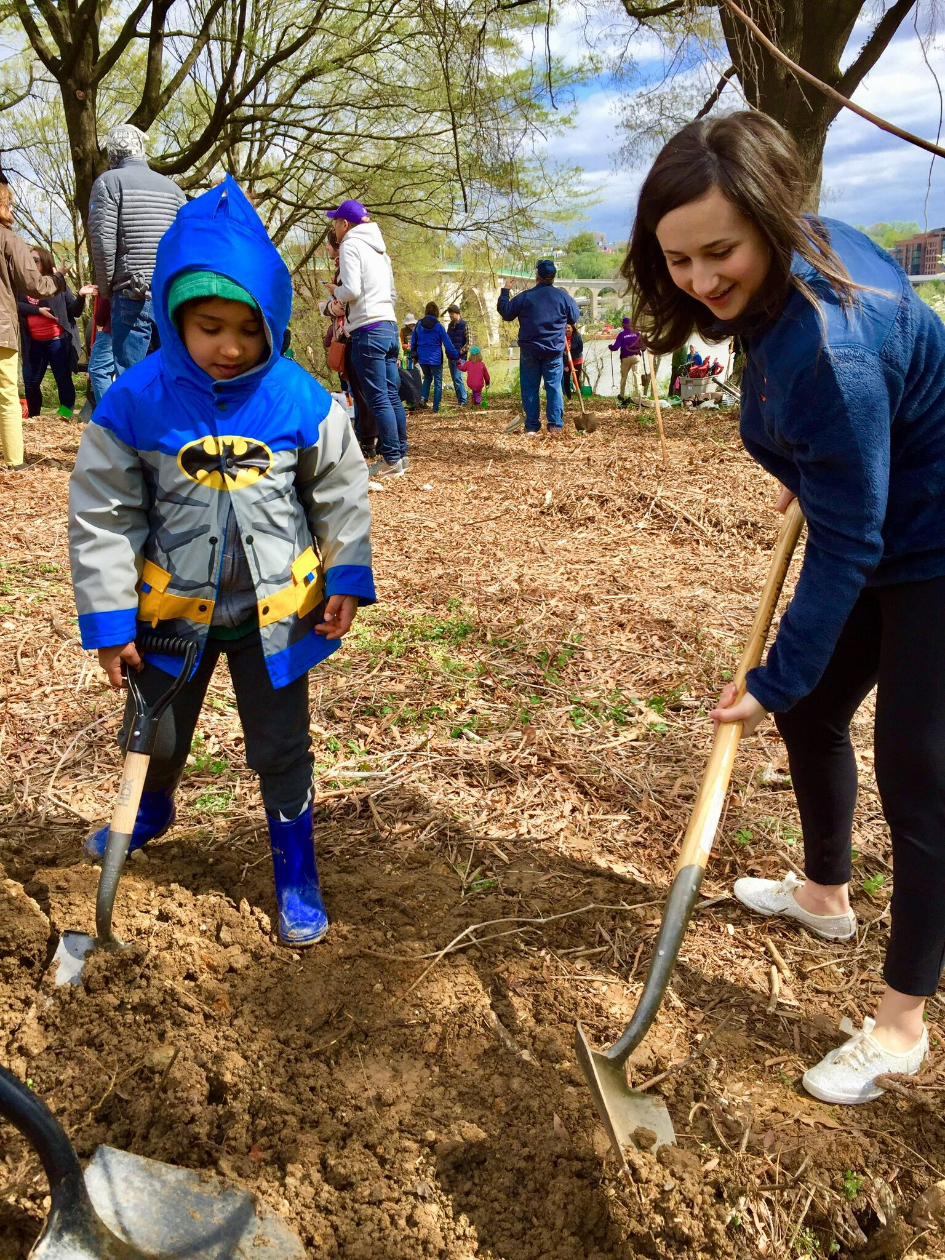
The board voted to make zoning requirements for childcare facilities less restrictive, and they changed the level of education required to work in them from some college to an associate’s degree in child development. The county also offers workforce training programs for lower income Arlingtonians getting that degree. Voting to approve those policies in 2019, Cristol says, was “deeply meaningful,” particularly because her infant son was born less than a week before the vote.
Childcare spots had increased by 40% as of the end of 2021, according to Cristol — but as the pandemic wore on, many child care businesses closed, and public schools rolled back the childcare spaces they made available, reversing many of the gains.
‘It’s on me to fix it:’ The pandemic’s personal toll
The pandemic was hard on Cristol, too.
“Every day was a new challenge in defining the boundaries of local government,” Cristol recalls, whether that was determining what Arlington could legally do independent of the state government in Richmond or getting residents connected to the resources and information they so badly needed.
“The idea that we would be running mass vaccination clinics in multiple locations and be the entity responsible for prioritizing and enforcing who got that vaccine, which was a devastating collective conversation — I mean, you talk about lack of consensus,” she remembers. “There were no easy answers at that point.”
She was juggling her county responsibilities with raising a toddler, and recalls reading think-pieces about the impact the pandemic was having on parents of young children. But most of those articles would take a turn.
“I would get to the final concluding paragraph or a sentence that would say something like, ‘And state and local governments have to take action to fix this,’” she says. “I would think, ‘Oh my gosh, I’m not the victim of these circumstances — I’m the perpetrator. It’s on me to fix it.’”
That sense of responsibility for understanding and shouldering people’s problems got really heavy — and contributed to her decision to not run for a third term.
“I think there are probably only so many years I can do that before one of two things happened: I have a heart attack at 50, or I start developing that kind of calloused shell and people’s problems don’t permeate and hit my heart,” she says. “And I don’t want that either.”
But the decision to leave doesn’t mean her influence on public life in Northern Virginia will end. In her new job leading the Tysons Community Alliance, Cristol will continue to confront the long-term pandemic recovery, office vacancy, housing, walkability, connections to transit, and more. (She’s especially excited to keep working with colleagues from her stint on the Northern Virginia Transportation Commission on plans to add high-speed bus service along Rt. 7, between Falls Church and Tysons.)
Fairfax County’s long-term plan for Tysons is ambitious, with the ultimate goal of turning the area known for the mall and a tangle of highways into a mixed-use community, home to an additional 100,000 residents and 200,000 jobs. Cristol will be at the center of those complex conversations.
She’ll continue living in Arlington, where her son is about to enter the public school system.
“I’ve been joking that I’m really looking forward to enjoying Arlington just as an Arlingtonian — you know, to go to a swim class and just watch my kid have fun and not worry whether the chlorination levels are optimal or how hard it was for people to register,” she says. “Those are all really important, but I think it’ll be nice to not have accountability for them anymore.”