Elliot C. Williams
If you’ve spoken to anyone in the Scotland community lately, you’ve likely heard them speak of one special holiday: Juneteenth, or as some proudly call it, “Freedom Day,” which commemorates the day in 1865 when Union troops freed the enslaved people in Galveston, Texas.
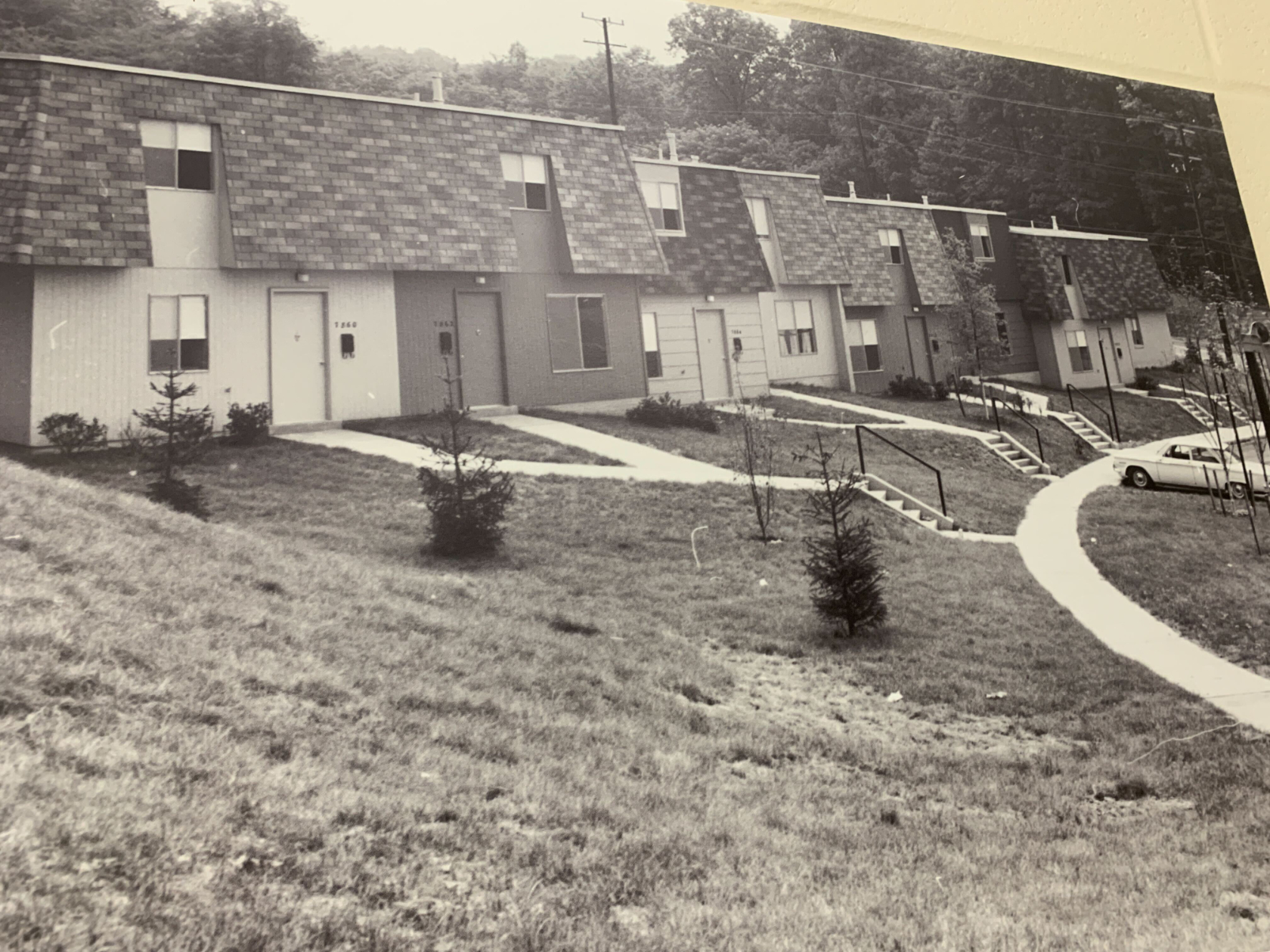
Scotland — the one in the D.C. suburbs, not the United Kingdom — is one of the first pieces of land that Black people purchased in Montgomery County.
The neighborhood of 100 modest townhomes is nestled off Seven Locks Road in Potomac, and it’s an outlier in an area where home prices surpass $900,000 and most residents are white, per the U.S. Census.
It’s also home to a historic place of worship, the Scotland AME Zion Church, which has been closed for more than four years after a devastating flood. And in the neighborhood’s annual Juneteenth celebration — which will be bigger than ever this year — the Scotland community hopes to bring about the church’s salvation.
That community’s residents are fiercely proud of where they live.
William Dove purchased the 36 acres that the community sits on for $210 in 1880. Formerly enslaved people formed a community there first called Snakes Den but eventually renamed Scotland — inspired by a “New Scotland” sign belonging to a neighboring property, according to legend.
LaTisha Gasaway-Paul, a descendant of Dove, calls herself a “warrior for Scotland. I like to make sure that Scotland history doesn’t get swept underneath the carpet,” she says.
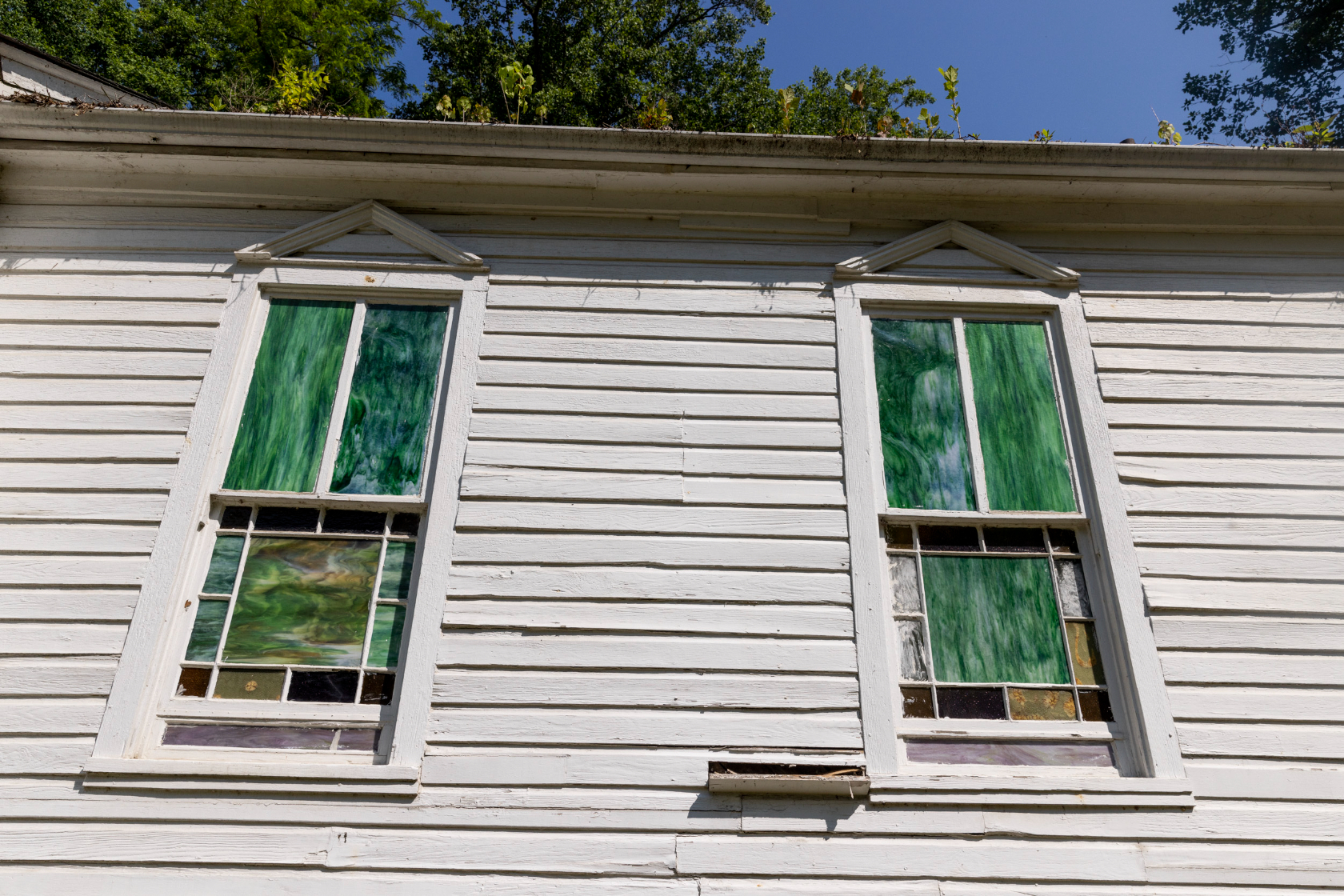
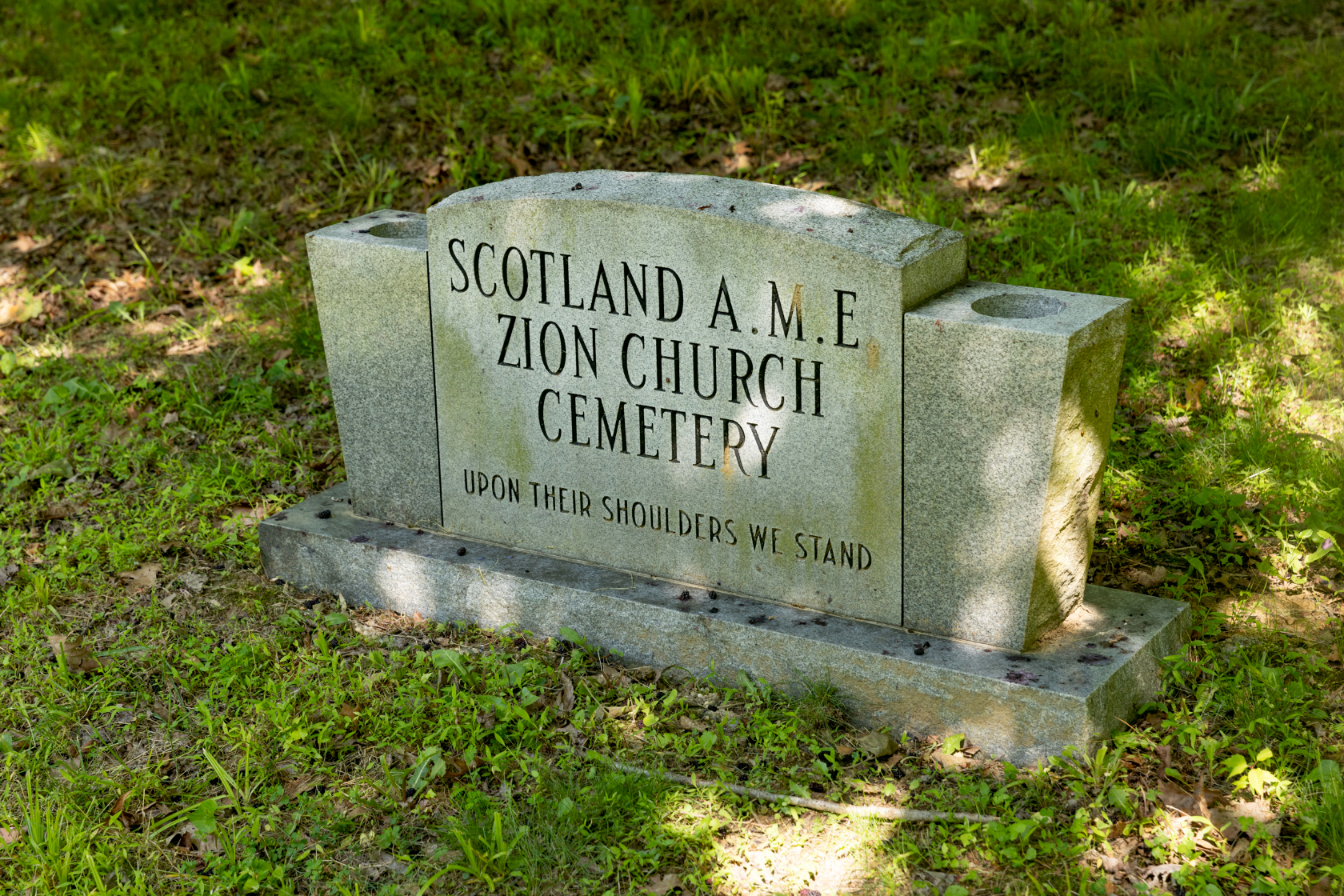
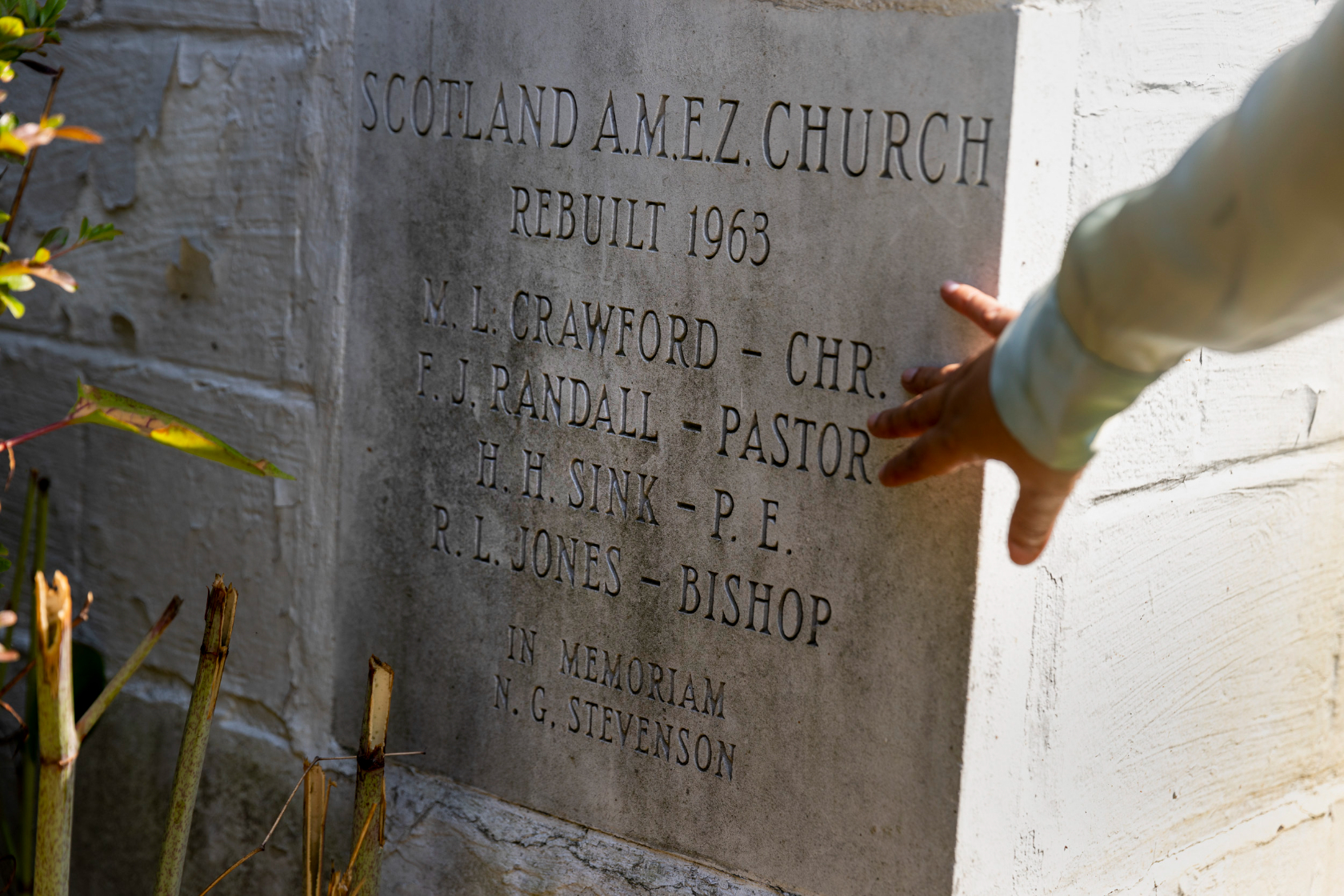
On a recent afternoon, between preparation meetings for the three-day Juneteenth program, Gasaway-Paul walks to the church lot across from the townhomes and shares stories about her ancestors, like how her late grandfather, Melvin Crawford, led the neighborhood’s housing nonprofit in the 1960s and was one of the most popular congregants at Sunday service.
At Scotland AME Zion Church, “everyone is someone and Jesus Christ is Lord,” Gasaway-Paul explains matter-of-factly. “We are standing on holy ground.”
The century-old church was once a refuge where Scotland natives could celebrate their resilience. After all, this community has repeatedly fought off developers and county officials who sought to use the land for other purposes.
By the late 1950s, when the community had fallen into complete disrepair and lacked public sewage and drivable roads, largely due to government neglect, Maryland officials wanted to demolish it to expand Cabin John Regional Park. Residential developers also eyed Scotland hungrily, wanting to expand wealthier white neighborhoods nearby, according to historical accounts.
But Scotland residents prevailed. In the 1960s, they and some concerned Bethesda neighbors organized and successfully applied for federal funds to replace the original makeshift homes with the current townhomes — 25 owned and 75 rentals — through the Save Our Scotland campaign. The group also pleaded with the Maryland State Assembly to receive a tax exemption for a new nonprofit agency, Scotland Housing Development, and testified before the U.S. Senate to help establish one of the nation’s first rent-supplement programs.
Over the following decades, enterprising Scotland residents have built a recreation center to serve the youth. Some have even gone on to be professional athletes, and the tight-knit enclave has persevered in the face of racist incidents involving the surrounding community, as well as police profiling, according to news stories and interviews with residents.
As for Scotland’s historic church, its biggest test came from the elements.
When the county elevated and expanded Seven Locks Road, Scotland AME Zion began to resemble a “soup bowl” during rain storms, as described by Chuck Williams, a longtime congregant and member of the church’s music ministry. In 2019, a terrible flood destroyed the foundation and the church has been closed ever since. In the wake of the flood, nearby churches and synagogues have stepped in to temporarily host the congregation of roughly 175 members for worship services and raise awareness of Scotland’s plight.
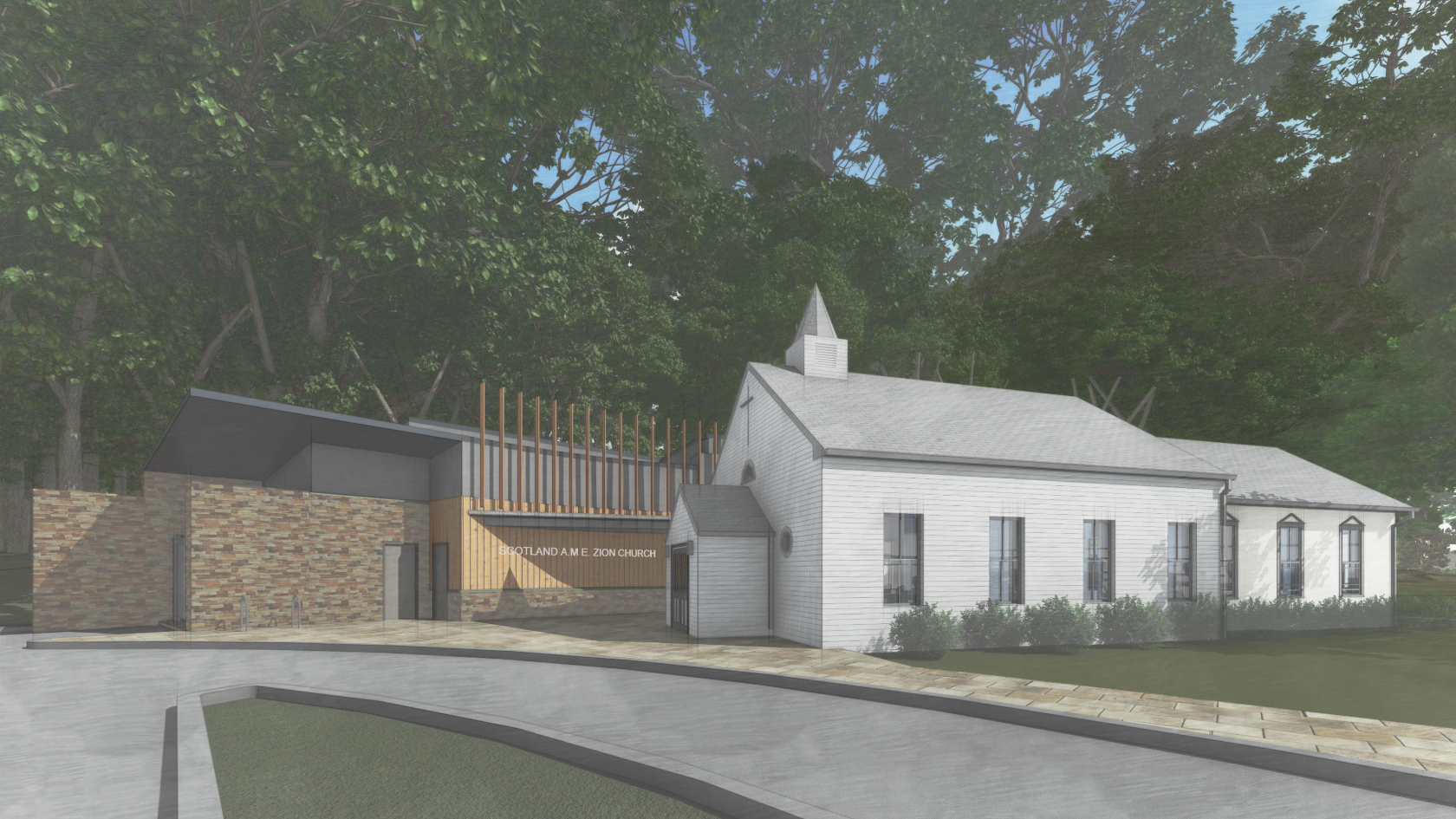
But now, many others are joining a $10 million “2nd Century Project” to repair and restore the church and construct a new building next to it that will expand the community space threefold into a 5,000-square-foot community center. As part of the three-phase renovation, the original sanctuary will be raised and partially rebuilt to preserve it; the surrounding landscape will be regraded to prevent further flood damage; and a new modern building will be constructed behind and attached to the historic sanctuary so the congregation can worship and grow over the next 100 years. The church hired architecture firm Antunovich Associates to complete the design.
Among the biggest supporters is Glenstone, the contemporary art museum and sculpture park in Potomac co-founded by billionaire Mitchell Rales. Glenstone’s foundation has committed a donation match of up to $3 million for the renovation, and is overseeing much of the campaign.
They’ve already raised more than $2.7 million toward the overall funding goal, thanks to a $300,000 grant from the Montgomery County Council — which was matched by the state — along with contributions from the African American Cultural Heritage Action Fund, a program of the National Trust for Historic Preservation.
Glenstone’s community engagement manager Francisca Moraga López says the project is part of the museum’s ongoing effort to create a mutually beneficial relationship with local communities that have been overlooked.
“We’re building this together with them, for them, for us,” Moraga López says. “And it’s creating a partnership where, you know, we’re not going anywhere. So many predominately white organizations will join and say, ‘Hey, we participated. And we checked that off our list.’ But we’re building something that’s going to be here long-term.”
To that end, Moraga López and other organizers involved in the church rebuild are throwing what they say will be the biggest, most important Juneteenth happening in a region already known for its historic Juneteenth celebrations, with more than a dozen events planned at locations in D.C. and Montgomery County.
Most events are free, including a classic car show at the Cabin John Village shopping center, a talent show, and a children’s carnival at Cabin John Regional Park. The county’s parks and recreation department is sponsoring a baseball classic to honor the history of the Scotland Eagles, one of the historic Black teams that played in the region’s summer leagues in the 1950s and ‘60s. A ticketed dance party at the Bethesda Blues and Jazz Supper Club will celebrate the hits of Motown.
The planning committee has dealt with the usual headaches involved in an event of this size — they’ve twice moved the location of the main event, a Freedom Day concert with Wyclef Jean as the headliner now taking place at The Anthem. The free events are meant to draw attention to Scotland’s restoration project, while the ticketed events will support the fundraiser.

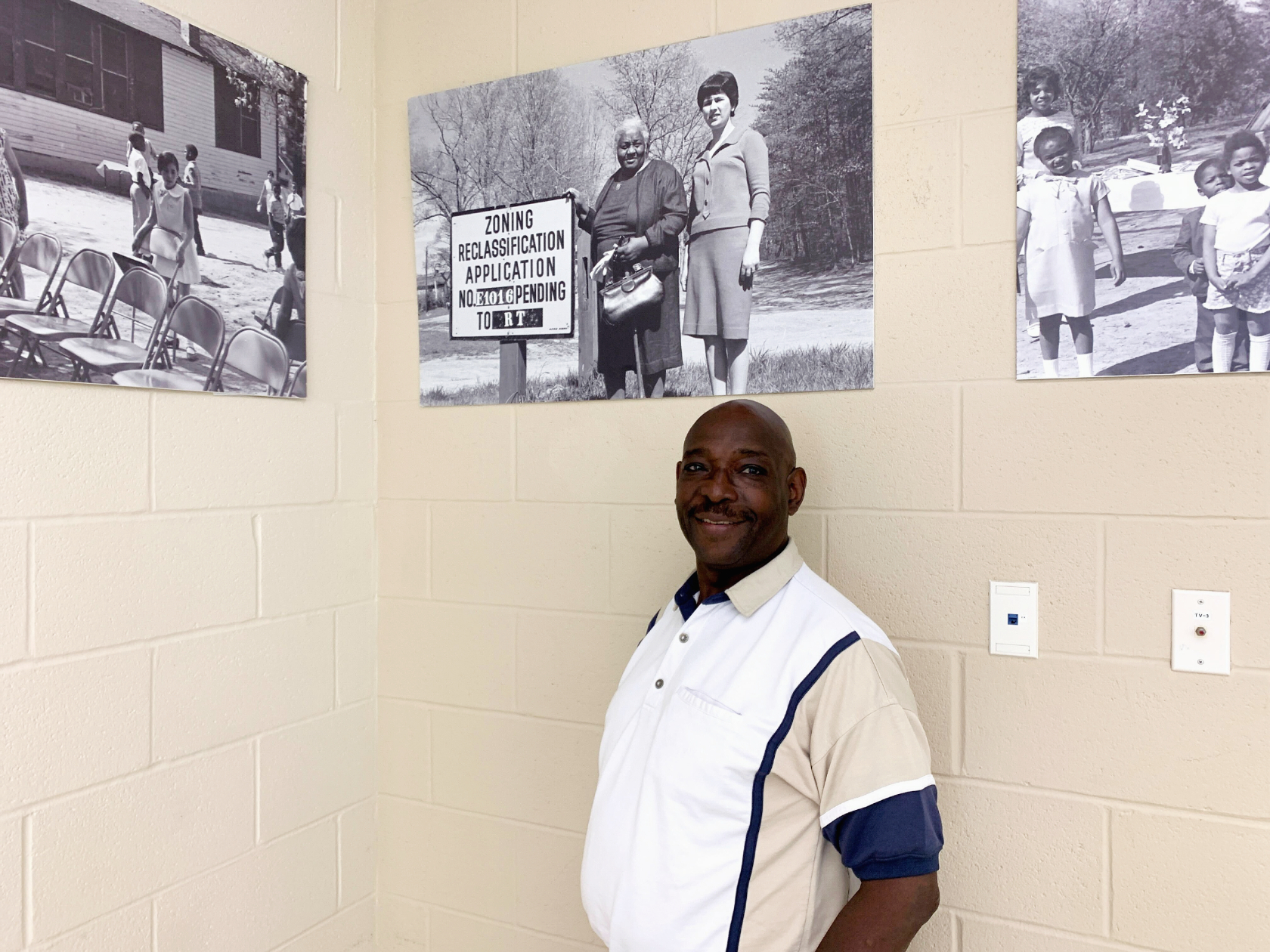
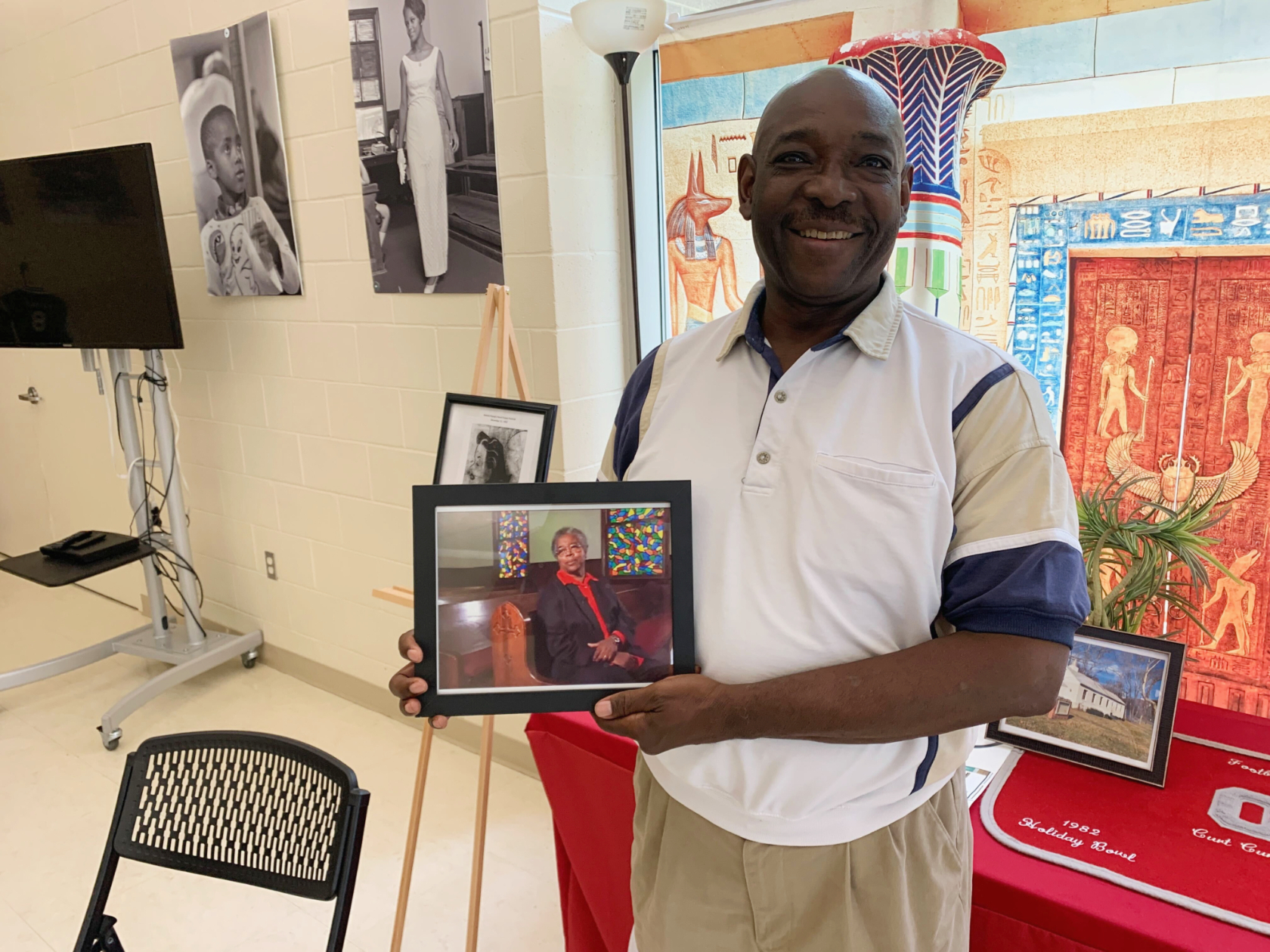
Williams, the longtime Scotland AME Zion congregant, says this Juneteenth celebration will put the community on the proverbial map. While he lives in Germantown, Williams is a semi-retired financial planner who has helped organize the capital campaign. He has also mentored the young men of Scotland for at least the past 20 years. He’s seen some boys go off to be filmmakers in Los Angeles or receive graduate degrees. Others, he’s had to visit in prison. But it’s all part of the Scotland story, he says.
“When we have an opportunity to celebrate something, we want to be able to make sure we celebrate it,” says Williams. “We want everyone to know that the Scotland community is here. It’s part of Potomac, it’s part of Montgomery County. And we’re very proud of the history that has taken place.”
“We’re going to sing, we’re going to shout, we’re going to celebrate,” Gasaway-Paul adds.
Longtime Scotland resident Alan Heard says he can’t fathom all the support Scotland has received from the county and local interfaith groups.
“Without the help of people who have come forward — Glenstone and community members — we wouldn’t be where we are,” Heard says. “I mean, we were a church that didn’t have a lot.”
Heard, a grandfather of seven, says the Scotland community has been the backbone of his family and his livelihood. Originally from the District, Heard’s family moved to Montgomery County while he was in high school. He didn’t finish college but got a job driving buses for Montgomery County Public Schools and moved up the ranks — just retiring this summer after 47 years with the school system.
He moved to Scotland in 1986 and met his wife, who also worked for the MCPS transportation department and lived in Scotland. Yvonne Heard also happens to be Gasaway-Paul’s aunt.
“This is just an incredible community,” Alan Heard says. “For me not being a native, I feel like I am. I feel like part of the family.”
Though they broke ground on the church rehabilitation project in 2022, construction has largely stalled due to bureaucratic hurdles, including studies that need to be completed to ensure the local wildlife will not be harmed, per Moraga López. Once the environmental studies are complete, the construction company, Whiting-Turner, is ready to go, she says, but some permits are still pending.
“We want to make sure we’re doing everything by the book,” Moraga López adds.
Even so, Gasaway-Paul expects Scotland AME Zion to reopen within the next two years. And when it does, she’ll be at Sunday service, ready to worship on holy ground once more.