Elliot C. Williams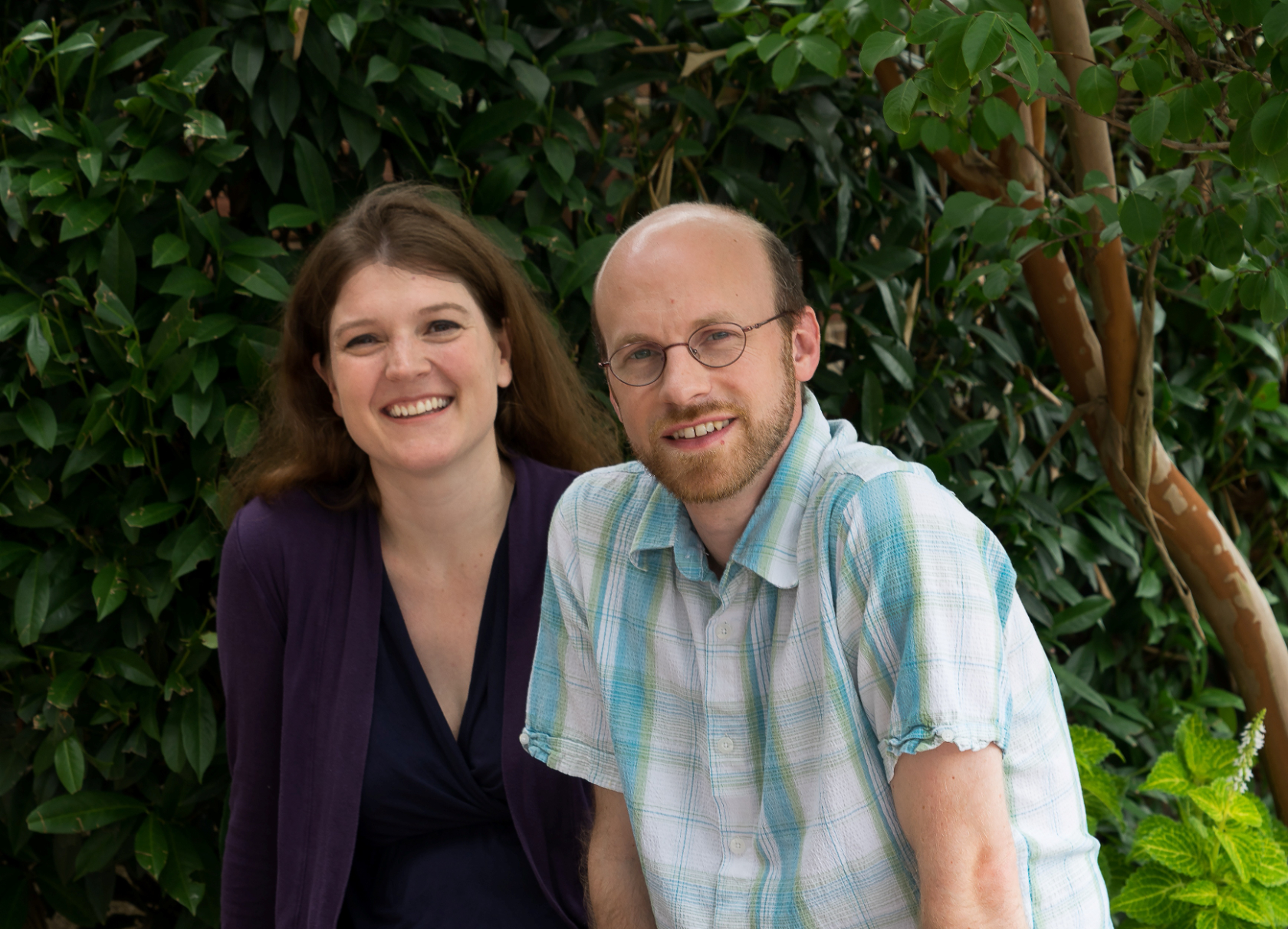
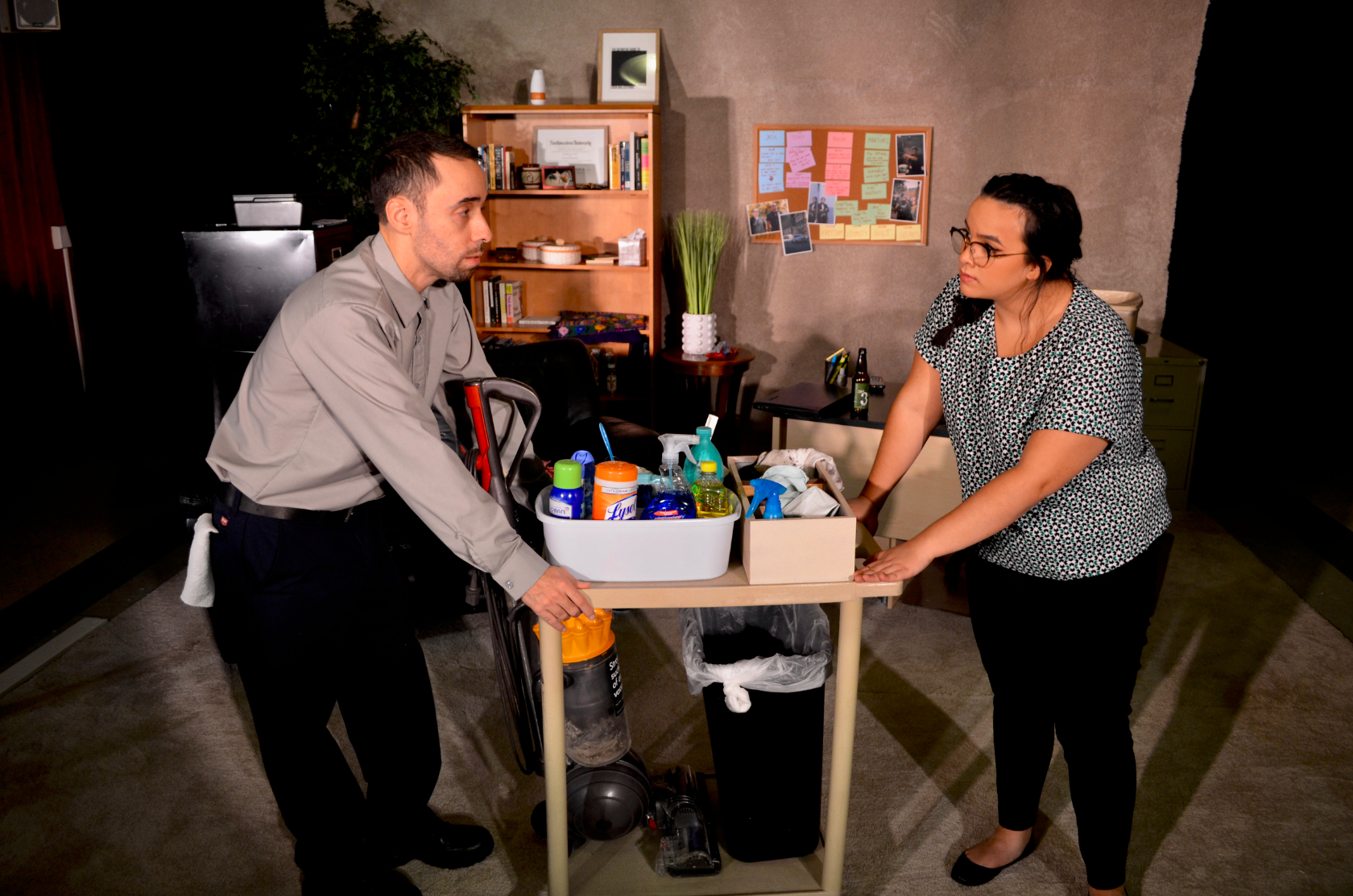
Unexpected Stage Company was recognized among the top local theater groups earlier this year when Michael Burgos was nominated for a Helen Hayes Award for Outstanding Lead Performer. He played a Mexican American janitor with a complicated past in the group’s production Fade. But it proved to be a bittersweet moment, as just a few months later, Unexpected Stage’s founding artistic directors Christopher Goodrich and Rachel Stroud-Goodrich announced that they would be shutting down for good after 13 years of producing theater in Montgomery County.
The nonprofit theater company’s closure comes amid a broader conversation about lack of funding for local theater and independent arts organizations. Many organizations are still recovering from pandemic-era dips in profits and have struggled to tap into relief funds after officials declared the health emergency over.
“Every show that’s being produced by every company in this area every year … It’s a miracle that it’s happening,” says Goodrich. “It’s a beautiful struggle to get it there. It’s never easy.”
But as tempting as it is to assume the shutdown came about, well … unexpectedly … Goodrich explains that it was not sudden — and not entirely sad, either.
Some of the reasons behind the decision are predictable: the audience’s reticence to return to live shows amid the ongoing presence of COVID-19; the married artistic directors craving more time with their three daughters; and the financial and time constraints involved in putting together stimulating theater, events, and artist retreats year after year for over a decade.
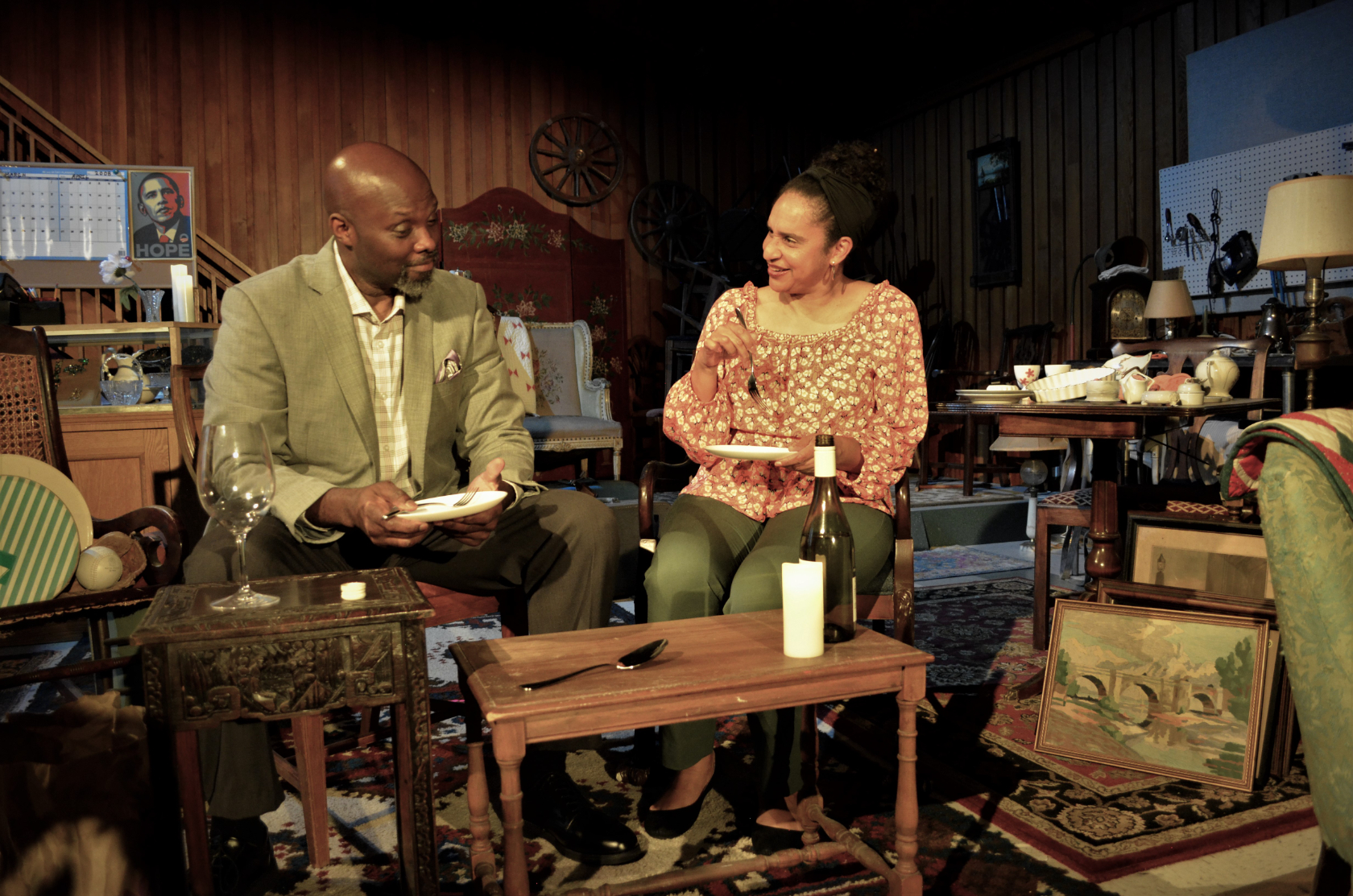
Funding from the Arts and Humanities Council of Montgomery County and the Maryland State Arts Council sustained the organization throughout its lifespan. But like most theaters, Unexpected Stage shut down for about a year at the start of the pandemic. The following spring and summer, they put on an outdoor event series at River Road Unitarian Universalist Congregation’s courtyard in Bethesda, showcasing play readings, poets, and conversations. They offered online streaming versions of Love Notes, a Valentine’s Day concert, and Sophisticated New Ones, a play about a Black family during Barack Obama’s political rise in 2007 that asked the question: “What do we lose in the face of progress?”
But the pandemic made it harder and harder to attract audiences no matter how much pivoting they did. Goodrich says the decision to close felt natural and was reached after many long conversations with board members, artists, and employees.
“It’s not really a mourning. No one can take it away from us that we did this thing,” he says. “There are these little pockets of happiness, and for a long time, the theater was one of those pockets. Now we’ve got other pockets.”
Goodrich’s reflections may sound poetic. That’s no coincidence: He is a published poet and a creative writing teacher. Stroud-Goodrich started her career as a performer and worked in a number of positions within the industry (artistic assistant, sales, etc.) before starting Unexpected Stage. She also works for an oil price reporting agency.
The two both received master’s degrees from New York University, though they met later in Vermont, where they were both participating in summer theater programs. A series of moves led them further south until they reached Montgomery County, where Goodrich grew up.
In 2010, while driving their newborn daughter Mayzie around Seneca Creek State Park to get her to fall asleep, they stumbled across a small, unused stage under a tree canopy. “It was just like this sort of hallelujah moment,” Goodrich says. “That was the unexpected stage.”
They spoke with the state parks manager at the time, who let them put on their first production on that stage in the woods: a one-act comedy, A Phoenix Too Frequent.
Since then, Unexpected Stage has mostly worked out of River Road UUC, putting on shows that “honor some of the voices in our community that are not typically honored or are marginalized,” per Goodrich. The founders say they will miss their devoted local audience and those who helped put on their many critically acclaimed shows and workshops.
The memories they’ve made will sustain them as they shut down, the pair wrote in a message to supporters, adding that “the laughter, the sniffles, the oohs and ahhs, the good reviews, the bad reviews, the recognition, the standing ovations, the sitting ovations, and the many many incredible conversations we’ve had with all of you will carry us on to our next adventure.”