Amanda Michelle Gomez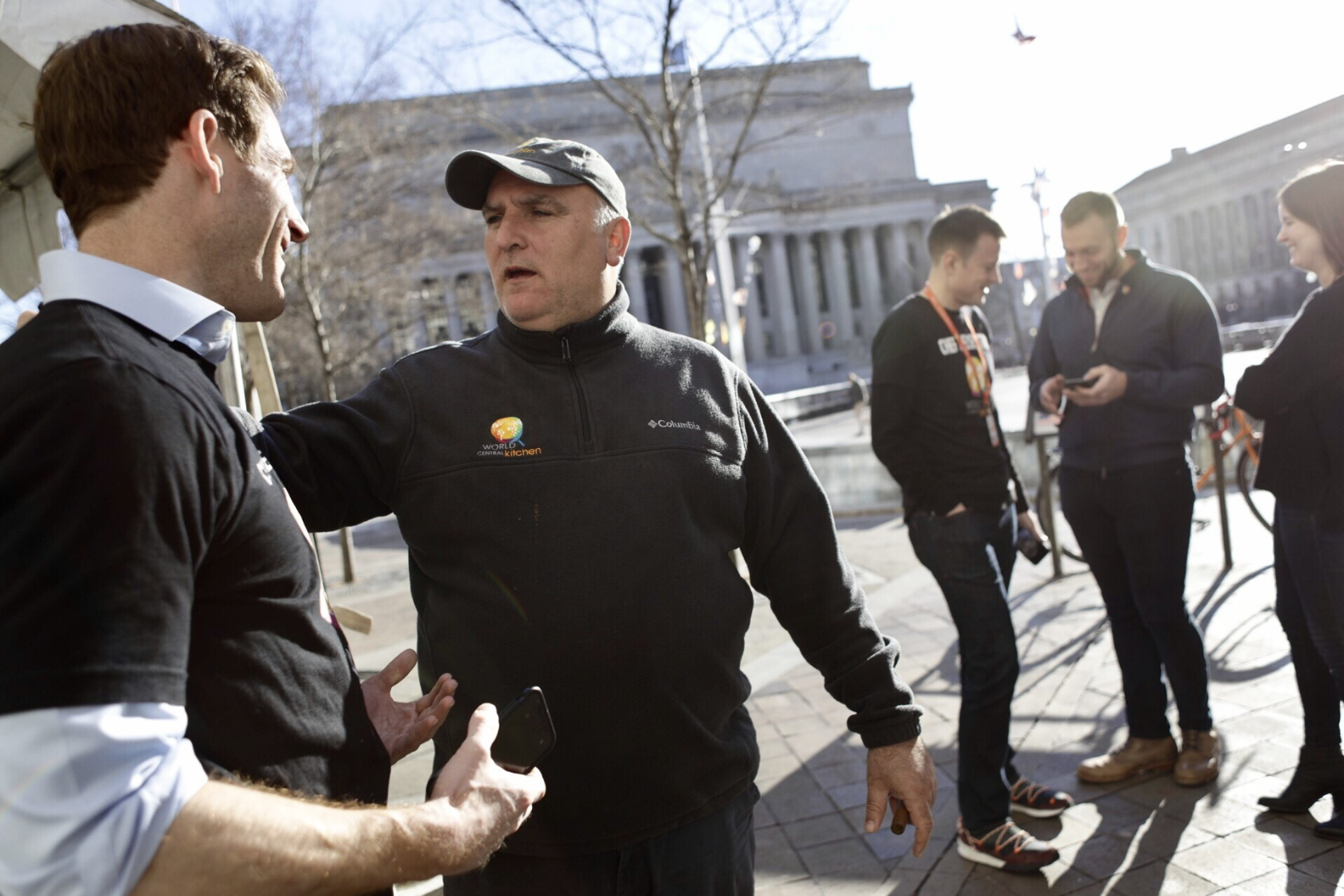
A D.C. restaurant operated by chef José Andrés will debut chicken grown in a laboratory, one of companies that produce the meat said Wednesday. The alternative protein will be on the menu at China Chilcano, Andrés’ Chinese-Peruvian restaurant located in Penn Quarter, according to his spokesperson.
The celebrity chef’s restaurant is one of two in the country that’s been selected by a California-based startup that received federal approval on Wednesday to begin producing or selling lab-grown meat. The other restaurant initially serving the product will be Michelin-starred Bar Crenn in San Francisco from acclaimed chef Dominique Crenn.
China Chilcano is a restaurant that pays homage to Asians who emigrated to Peru in the late 19th century. With the introduction of lab-grown chicken to the menu, the restaurant will blend the past with the future of food.
Details like when patrons should expect it to be on the menu and how will it be prepared are forthcoming. But D.C. residents will get the chance to take part in a historic first when Andrés starts serving the chicken grown in a laboratory, not slaughtered animals.
“This is an extraordinary moment for the future of our planet,” says Andrés in a statement to DCist/WAMU. “We have taken a significant step forward, a giant leap in fact, towards feeding our communities in a sustainable way. I’m proud to be a part of GOOD Meat’s mission and soon the people of Washington DC will be able to taste for themselves at China Chilcano.”
How does lab-grown meat even work? The lab-grown meat coming to D.C. is from Good Meat, the meat division of food technology company Eat Just, which also sells plant-based eggs. The company sources cells from chickens and cows, “painlessly” extracting the cells from an egg or living animal and selecting ones that will produce the “healthiest” and “most delicious” meat, Good Meat says on its website.
The process of multiplying cells unfolds in a cultivator, which looks a lot like a beer fermenting tank. Good Meat says the company does not use genetically modified organisms, growth hormones, or antibiotics, but feeds the cells amino acids, fats, and vitamins. After four to six weeks, cells can be harvested from the cultivator, effectively becoming minced meat, and, then, the company molds those pieces to create the final product.
The meat is already available for sale in Singapore after Good Meat became the first company in the world to sell cell-based or cultivated meat after receiving regulatory approval from the Singapore Food Agency in 2020.
But what does it taste like? Customers of Huber’s Butchery in Singapore, which serves the cell-based meat, told the BBC it is “perfect” and “legit,” although one patron raised concerns about the cost. The cost is related to supply: Huber’s, the world’s lone restaurant selling lab-grown meat, only offers six servings of cultivated chicken, like in a salad or on a kebab stick, once a week largely due to high production costs, according to Reuters.
Good Meat doesn’t claim to be vegan or vegetarian, but there’s an ongoing philosophical debate on this matter because cultivated meat supporters say its better for the environment and animal welfare.
Both the U.S. Department of Agriculture and the Food and Drug Administration approved Good Meat, as well as Upside Foods, to sell their cell-based meat in the American market, passing a major regulatory bar. “We appreciate the rigor and thoughtfulness that both the FDA and USDA have applied during this historic two-agency regulatory process,” Good Meat and Eat Just co-founder and CEO Josh Tetrick said in a press release regarding the federal approval.
The U.S. government approval is a watershed moment that some experts believe will change the future of food, perhaps for the better, given the growing concern of the meat industry’s environmental impact and treatment of animals. Although some skeptics say the purported environmental impact of lab-grown mean is not yet proven.
How did José Andrés get involved? The renowned chef and humanitarian actually joined the board of directors of Good Meat in 2021. At that time, he committed to serving cell-based meat at no fewer than one of his restaurants when the federal government gave its stamp of approval, according to Good Meat. Andrés also agreed to connect the company and small-scale farmers to use their animals’ cells and provide culinary counsel to improve the final product, according to Food Dive.
“We need to innovate, to adapt our food to a planet in crisis. We need to create meals that feed the people at the same time as we sustain our communities and environment,” Andrés said in a written statement provided by Good Meat.
Andrés’ involvement is not surprising given his humanitarian efforts, particularly through World Central Kitchen, which provides fresh meals and other support to communities in crisis. Andrés has been vocal about how man-made climate change is impacting the world’s food supply, something he says he and his team have borne witness to in vulnerable communities through WCK efforts. Just this year, Andrés partnered with George Washington University to launch a new institute that will focus on the intersection of food production and climate change.
Good Meat and Upside Foods decided to sell their cultivated chicken through Andrés’ and Crenn’s restaurants as means of educating consumers and soliciting feedback, spokespeople for the company told the New York Times. Andrés in particular has become a trusted voice in the culinary world. After an initial run, the companies will scale up production and offer different types of meat like beef.
This story has been updated to include that China Chilcano will be serving cultivated chicken.