Jacob Fenston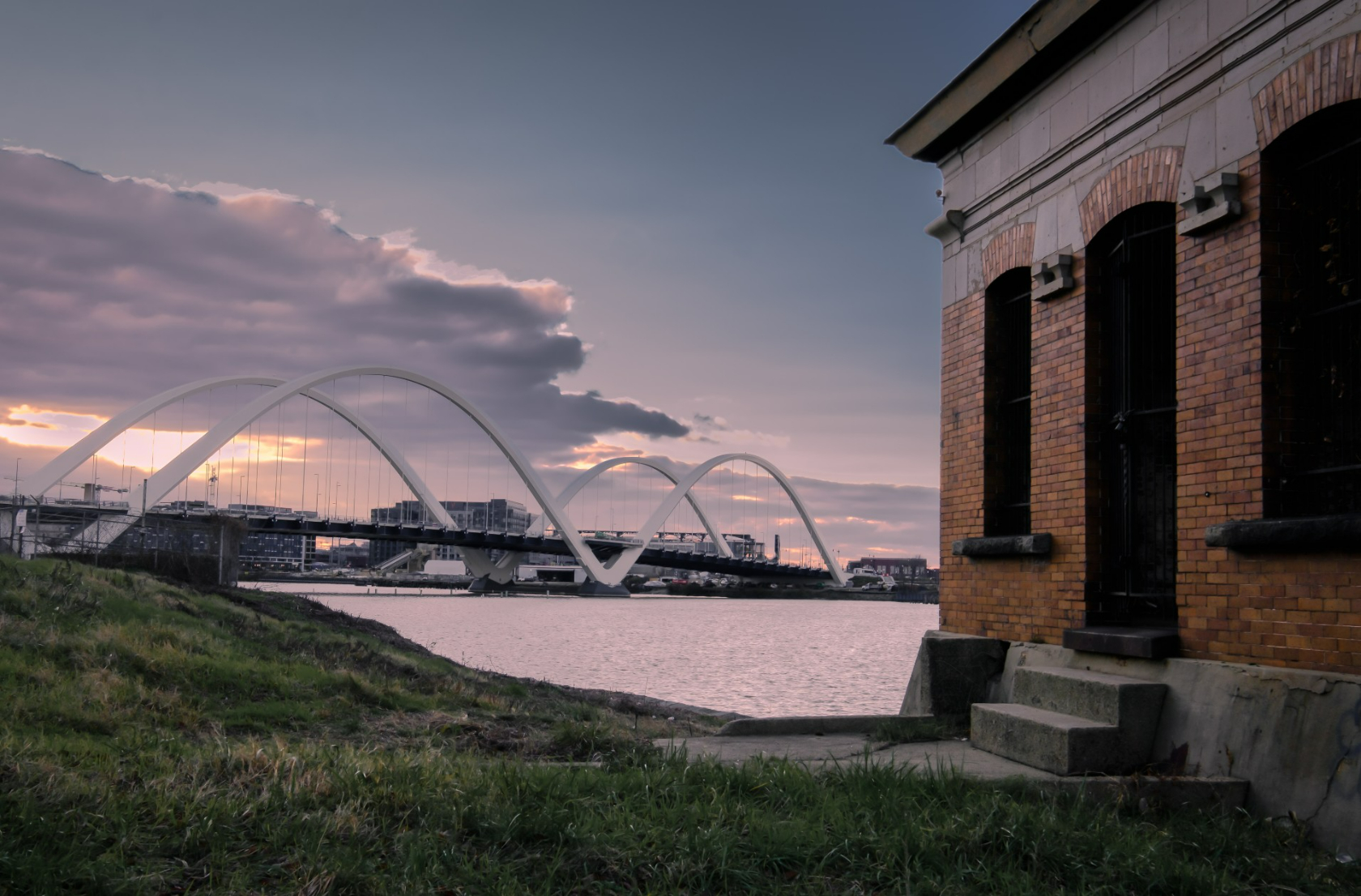
The brand name “REI” may conjure images of people biking or hiking in far-flung wild places, surrounded by craggy mountains, and kitted out in pricey technical gear. But in a new initiative, the company is trying to make sure access to the outdoors isn’t limited to people who can afford to shop in their stores. The company is launching a national initiative to help connect people to nature close to home, starting in Anacostia Park in D.C.’s wards 7 and 8.
REI is supporting the nonprofit Friends of Anacostia Park with a $200,000-a-year grant for the next three years for environmental restoration programs. This summer, the company is also helping to fund events in the park, including a free go-go concert last night and a series of late-night roller skating events.
“For a grassroots organization like ours, that sort of sustaining support is really, really huge, it goes a long way,” says Richard Trent, executive director of Friends of Anacostia Park. “That’s going to translate to more green jobs created for Black and brown residents, more culturally relevant activations in Anacostia Park, more improvements to the natural and built environment of the park.”
REI’s new initiative is called Outside in 5 and the goal is for everyone in the country to have access to green space within five minutes of their front door.
“Every person, no matter where you live, should be able to access the power of the outdoors,” says Tom Bugert, REI’s state and local government affairs manager.
According to the Trust for Public Land, some 100 million Americans don’t live near a park — roughly 1 out of every 3 people in the country. Bugert calls that a “nature gap,” and says people of color are far more likely to have limited access to the outdoors.
“We know that nearly three quarters, 74%, of communities of color live in census blocks that are considered nature deprived, don’t have the parks, the tree canopy cover, the green space,” Bugert says.
In D.C., access to park land is a little different: according to the Trust for Public Land, as 99% of District residents live within a “walkable half mile” of a park. However, according to a recent report from George Washington University, the funding and maintenance of that park land is highly inequitable, with the National Mall parks getting 80 times more money per acre than parks in wards 7 and 8. So, while residents east of the Anacostia River may live near a park, it may have few to no amenities.
“The National Park Service is, I think, dealing with serious maintenance backlogs and staffing shortages in our jurisdiction and they’re doing the best that they can,” says Trent. “We’re hoping that coalitions like this can bolster and augment their capacity.”
REI chose to start it’s new program in D.C., Bugert says, because of the compelling story of the park and the people working to make it better.
“The story of Anacostia is the story of everywhere,” Bugert says.
“You’ve got a community that has this incredible greenspace, larger than Central Park, in a predominantly Black neighborhood that feels disconnected,” he says. “We just heard over and over again the desire for the community to be part of the conversation about the future of the park. And that’s a story of everywhere.”
REI is headquartered in the other Washington, near Seattle. The co-op retailer has 23 million members and 180 stores in 42 states. As part of the new initiative, $5 from each new membership will go toward efforts to close the nature gap — including sponsoring 250 groups like Friends of Anacostia Park — and toward lobbying for the Outdoors For All act, which would provide federal funding for greenspace in underserved communities.