Héctor Alejandro Arzate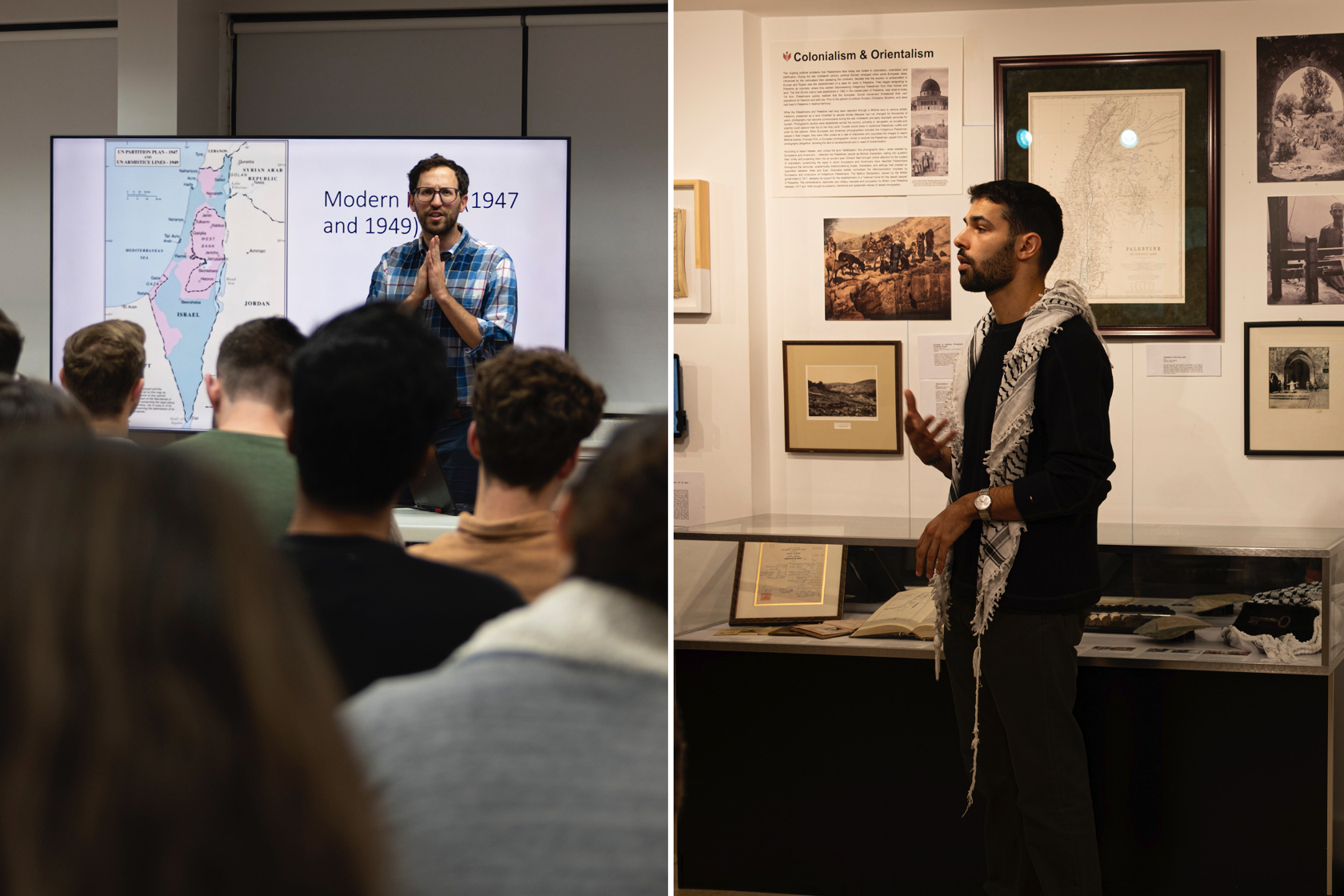
When Alberto Cerdas heard about the Museum of the Palestinian People in D.C., he says he had to stop by. He’s been trying to keep up with the war in the Israel-Hamas war, but says he wanted more historical context. So he listens closely during a recent visit as a tour guide explains how Palestinians were displaced during the establishment of Israel.
“So, any questions at this point?” asks Rakan Aboneaaj, a volunteer whose own grandparents fled to Nazareth after being displaced from a nearby village in 1948.
“If a person lives in Gaza, and he wants to go to Jerusalem, what can he do?” poses Cerdas, a middle-aged man from Panama who lives in Silver Spring.
“You would probably need special permission,” says Aboneaaj.
It’s a seemingly complicated question with a complicated answer. Cerdas, who has been reading much of the media coverage about the war, nods along. The tour guide continues with the occasional questions from visitors.
It’s been three weeks since Hamas militants led a surprise attack against the country of Israel, killing more than one thousand people and taking over 100 others hostage. That attack has resulted in an ongoing airstrike campaign and siege from the Israeli Defense Forces that has killed and injured thousands of people in Gaza.
Many in the D.C. region have not been spared from the effects of this war. Some are turning to local vigils, rallies, and fundraisers to hold their grief. Others, like Cerdas, are looking to better understand the context of what’s happening in Israel and Gaza.
“I try to learn a little about everything to know the concept and not just repeat what I read in the Washington Post,” says Cerdas. “And nobody knows everything. The important thing is to learn a little each day, and respect the little you know about the other person.”
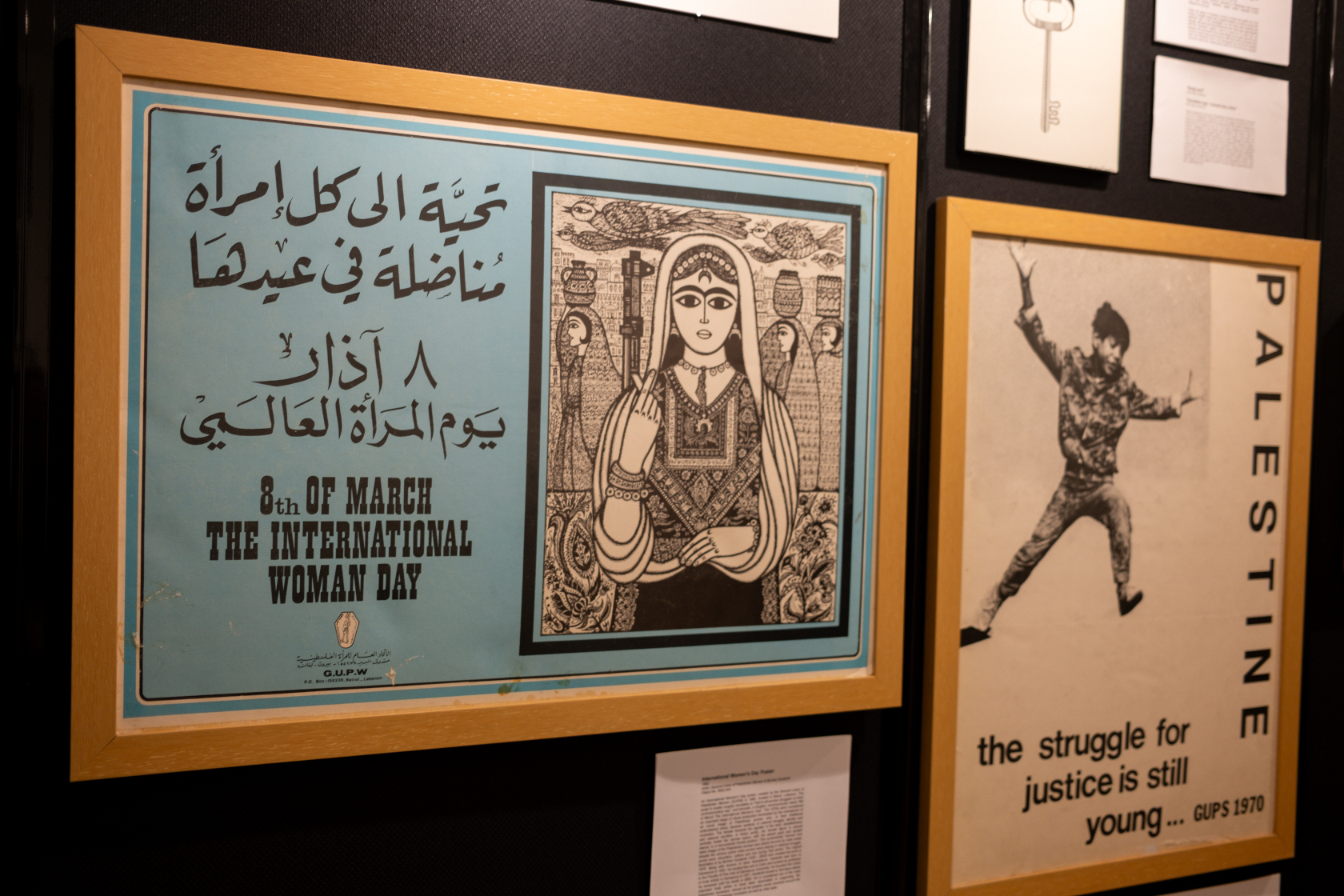
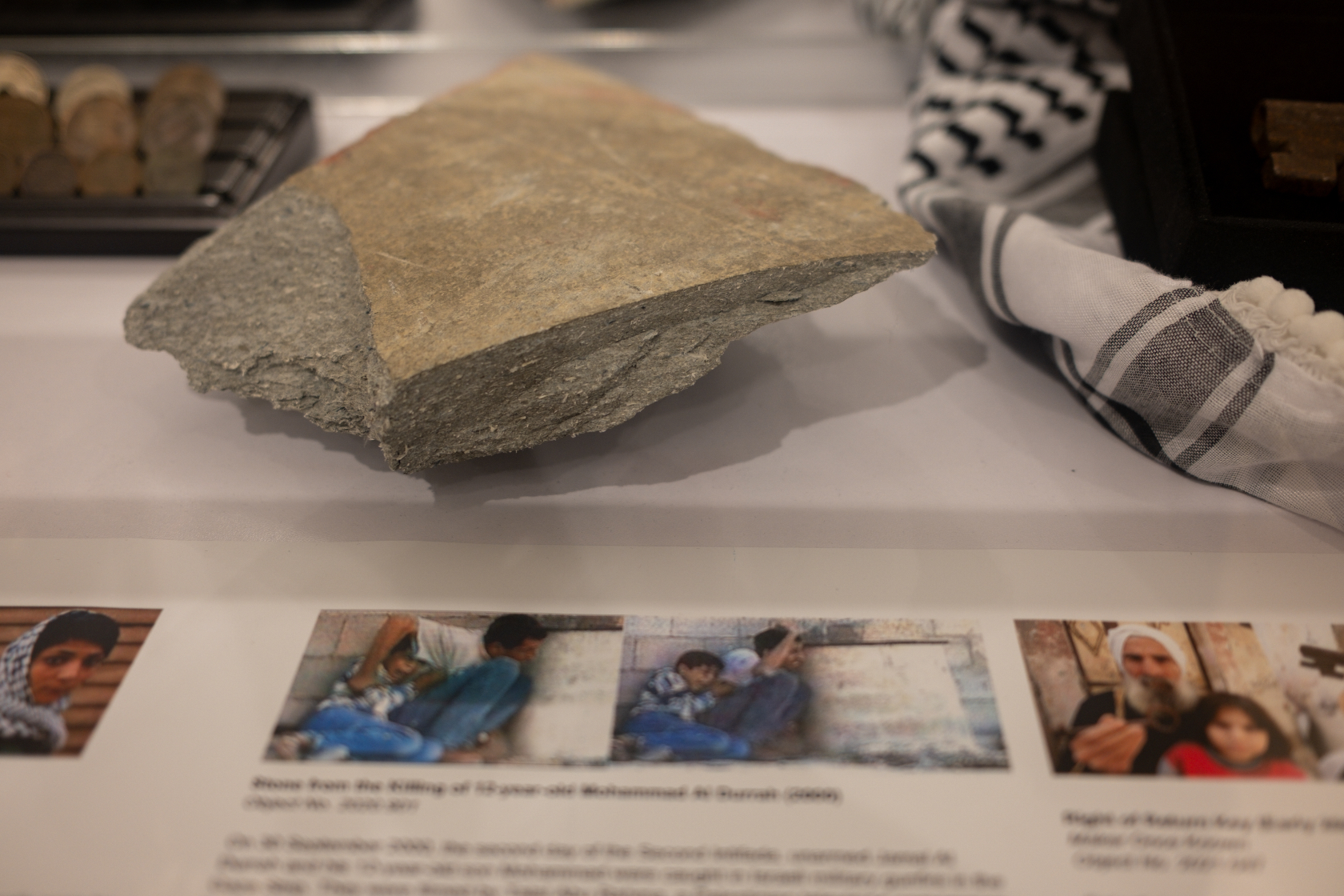
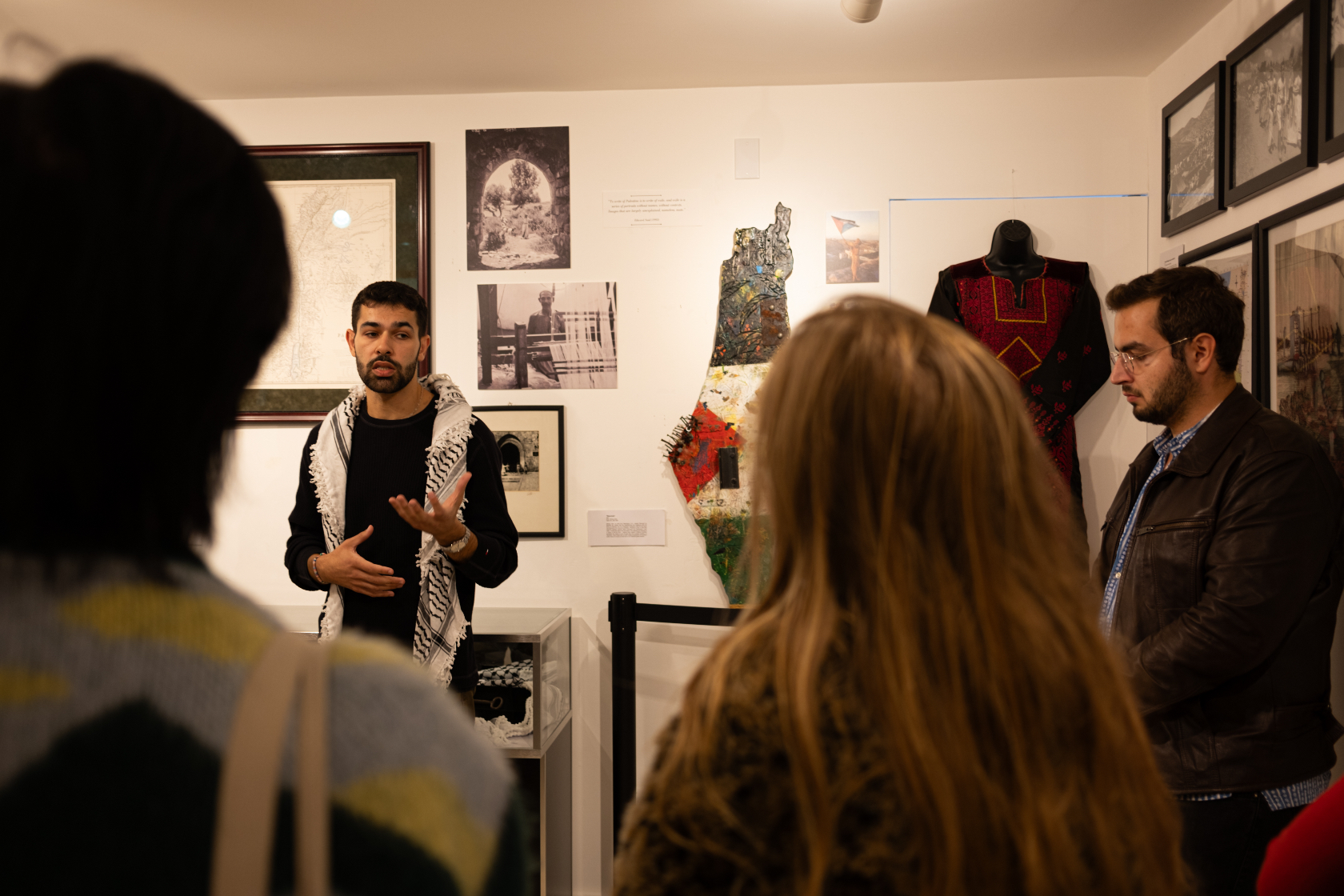
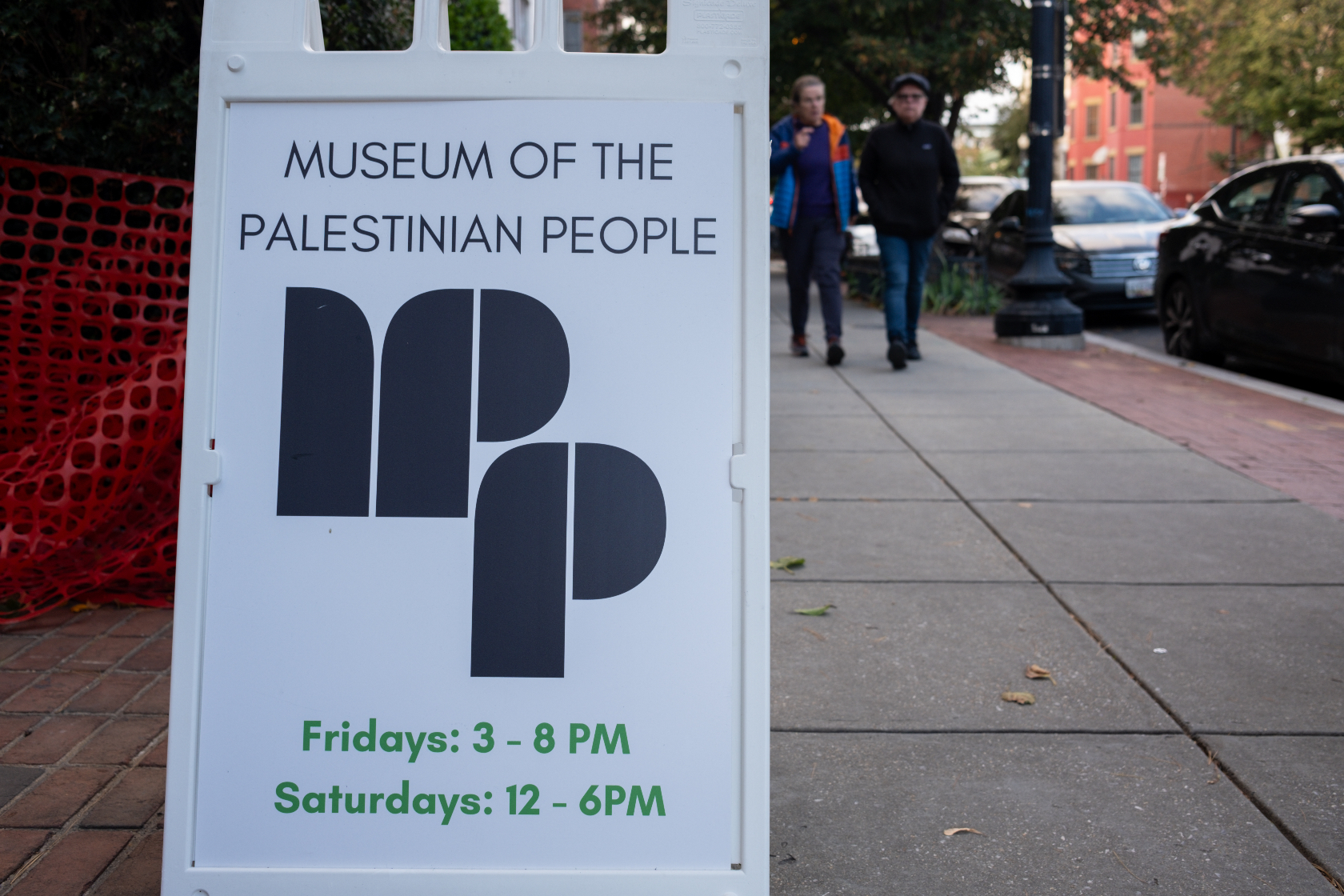
Bshara Nassar says that’s the role he envisioned for the museum when he opened it. He wants visitors to ask Palestinians themselves questions about their history, culture, and what’s happening right now.
“We’re not trying to shout at people, we’re not trying to argue. It’s creating a safe space for people to come and ask questions,” says Nassar, who grew up in Bethlehem in the West Bank.
Although the physical space is about the size of just one room, the Museum of the Palestinian People features a guided tour with an extensive historical timeline, along with artwork, artifacts, and data on the diaspora.
“It’s important to have the context of why things are happening in Palestine and Israel,” says Nassar.
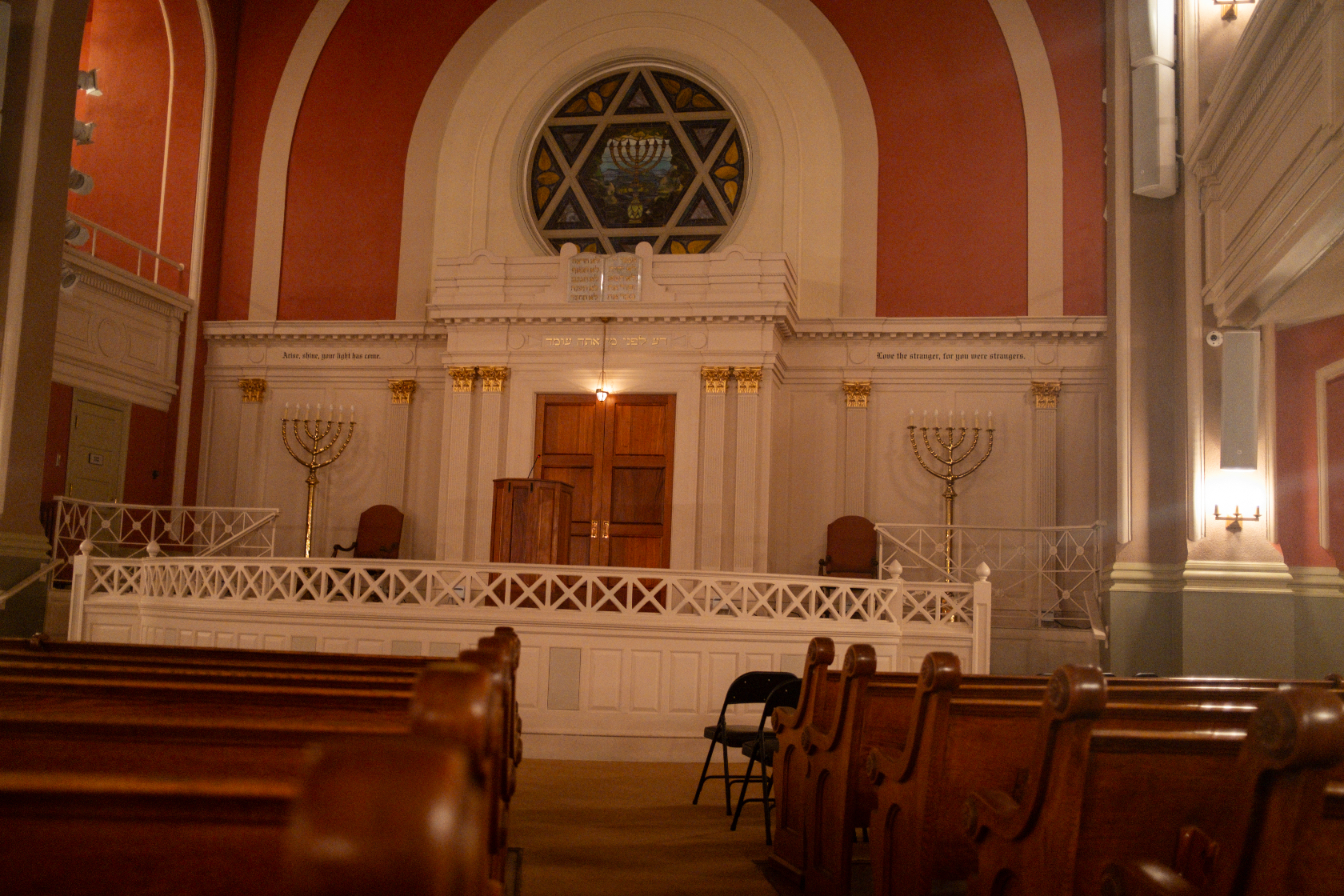
In recent days, the museum has seen an influx of people visiting. And they are far from the only local institution offering more than just a history lesson. Across town, Sixth & I – one of the oldest synagogues in D.C. – puts on regular services and has seen more visitors for some of its programming.
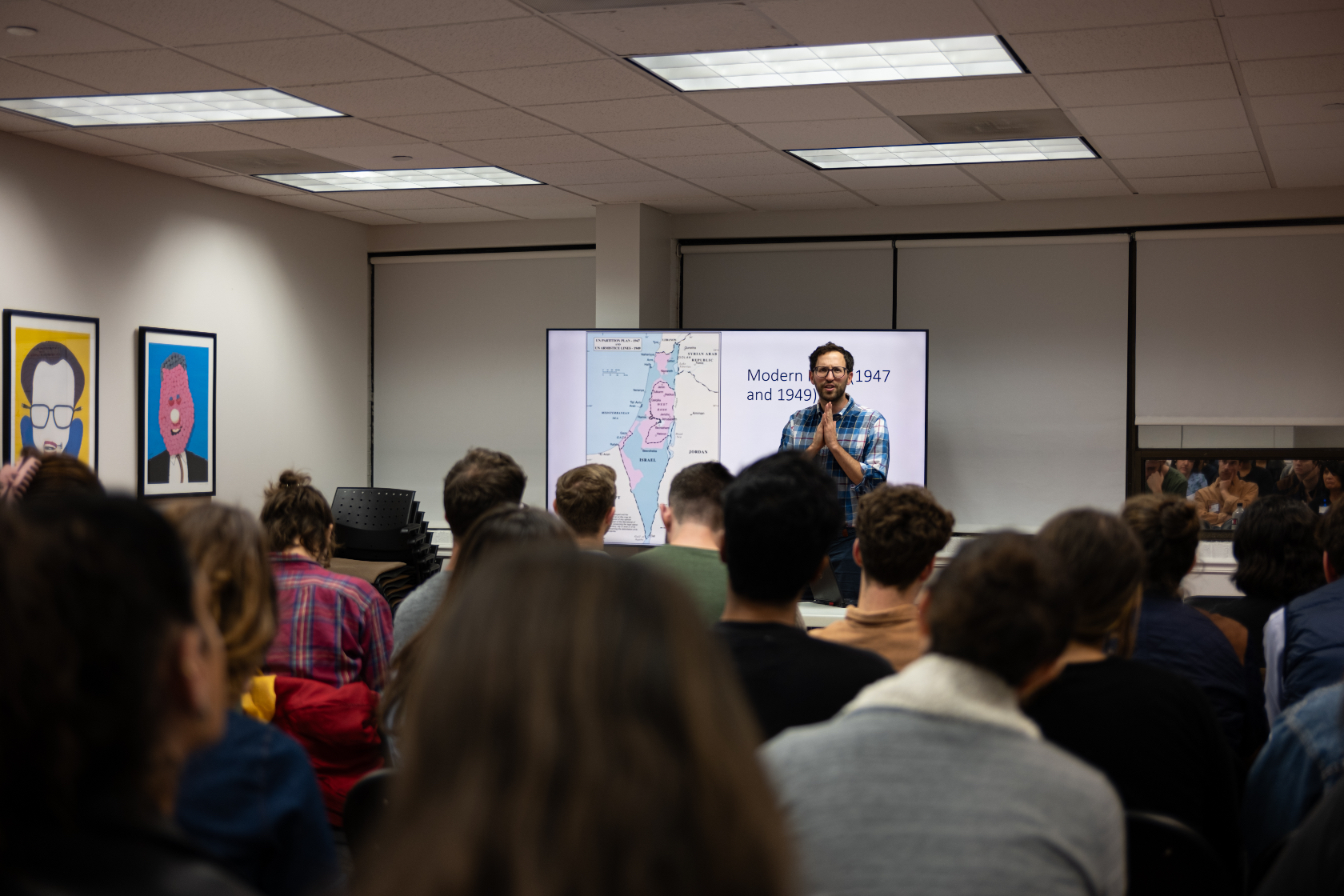
Earlier this week, Rabbi Aaron Potek, the senior rabbi and executive director of Jewish life at Sixth & I, held a class on the intersections of Israel and Judaism – which sought to explore the “confusing and complicated ways” in which the two are connected.
Nearly every seat in the room was filled by regulars and others looking for context as Potek explained the history of Israel through a number of sources – including a 19th century writing from Rabbi Samson Raphael Hirsch on Exodus 22:20, which argued that establishing the state of Israel is conditional.
“Yes, create your own state. Yes, create your own country. Yes, model it after justice. But be very, very careful because your whole thing is to not replicate Egypt. To not replicate an oppressive system,” says Potek, explaining the text.
As a rabbi – which means teacher – Potek says it’s his responsibility to help people learn some of the basic background information about the subject.
“This is a really painful time for our community. But it’s not just a painful time – it’s a confusing time. I think a lot of people are being put in situations where they’re being asked their opinions about something that they know very little about or have feelings that they themselves don’t understand,” says Potek, who used to live in Israel.
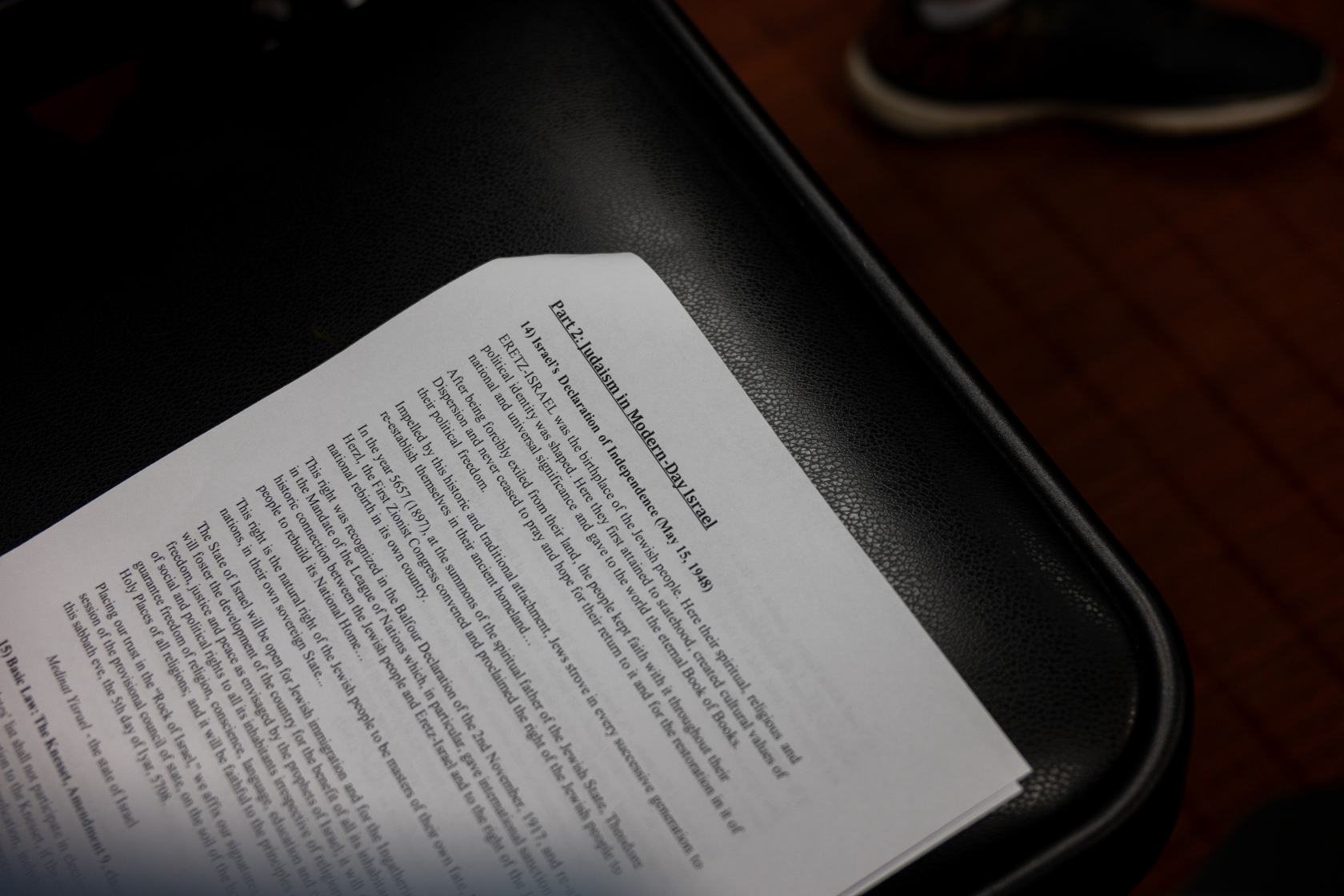
His lecture, which included a four-page syllabus of sources, tackles the subject in a way that is meant to clarify the history of Israel as it relates to Jewish text. He also examined daily life and some of the political machinations in Israel, along with data on the Jewish diaspora around the world and within the country itself.
“I believe that we should always be learning,” says Potek. “I think especially when it comes to topics that are so volatile, so full of tensions – like, let’s all take a beat and actually do a bit of studying and learning and discussing before we immediately sound off on all of our not-very-well-thought-out-but-very-strongly-held opinions.”
Meredith Fineman says she knew she wanted to come as soon as Sixth & I sent out information about the classes. She doesn’t regularly attend the lectures, but this one had her marking up her syllabus throughout the evening.
“I think that it’s a really important distinction that we’re making, particularly as American Jews, between Judaism and Israel,” says Fineman, who lives in D.C. “We have a real problem with what people understand right now.”
As someone who hasn’t furthered her education on Judaism since Hebrew school, Fineman says the district offers an opportunity for more learning to be done, as it’s a city that’s home to both many communities and diverse sources of knowledge.
“D.C. is also a great place to do that because people are so politically involved as well, that I think it just brings a really erudite community to talk about these things,” says Fineman.