Jacob Fenston
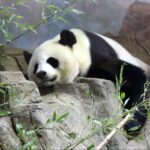
A team of China’s diplomats is getting ready to head home from Washington, D.C. The diplomats in this case are covered with black and white fur and spend most of their time eating bamboo. They are, of course, giant pandas.
For more than 50 years, international relations have shaped the panda program at the Smithsonian’s National Zoo, and at other zoos around the U.S. Now, amidst rock-bottom relations between the U.S. and China, the pandas, which were on loan, are being recalled to their native country, with no agreement in place to replace them.
“I think it’s definitely related to politics,” says Dennis Wilder, a professor at Georgetown University’s Asian studies program, and a former White House China official. “If it had only been one zoo that wasn’t getting the leases renewed, then you might have said it’s something else.”
After D.C.’s pandas leave, sometime in the next week or so, the last ones in the U.S. will be at Zoo Atlanta, and they are scheduled to depart early next year. Zoos in Memphis and San Diego also had to send their animals back, after leases expired and were not renewed.
Pandas first came to the National Zoo in 1972, in the middle of the Cold War. It was just a couple of months after President Richard Nixon visited Communist China – a historic thaw between the two enemy nations.
In a phone call on March 13, the president asked First Lady Pat Nixon if she’d welcome the pandas personally.
“If you’re here, it’d be awfully nice if you go out,” Nixon’s gravelly voice says in a tape recording, now archived at the Nixon Presidential Library.
“Oh, yeah. I’d like to,” Pat Nixon says.
“It’s gonna be a hell of a story,” says President Nixon, with gusto.
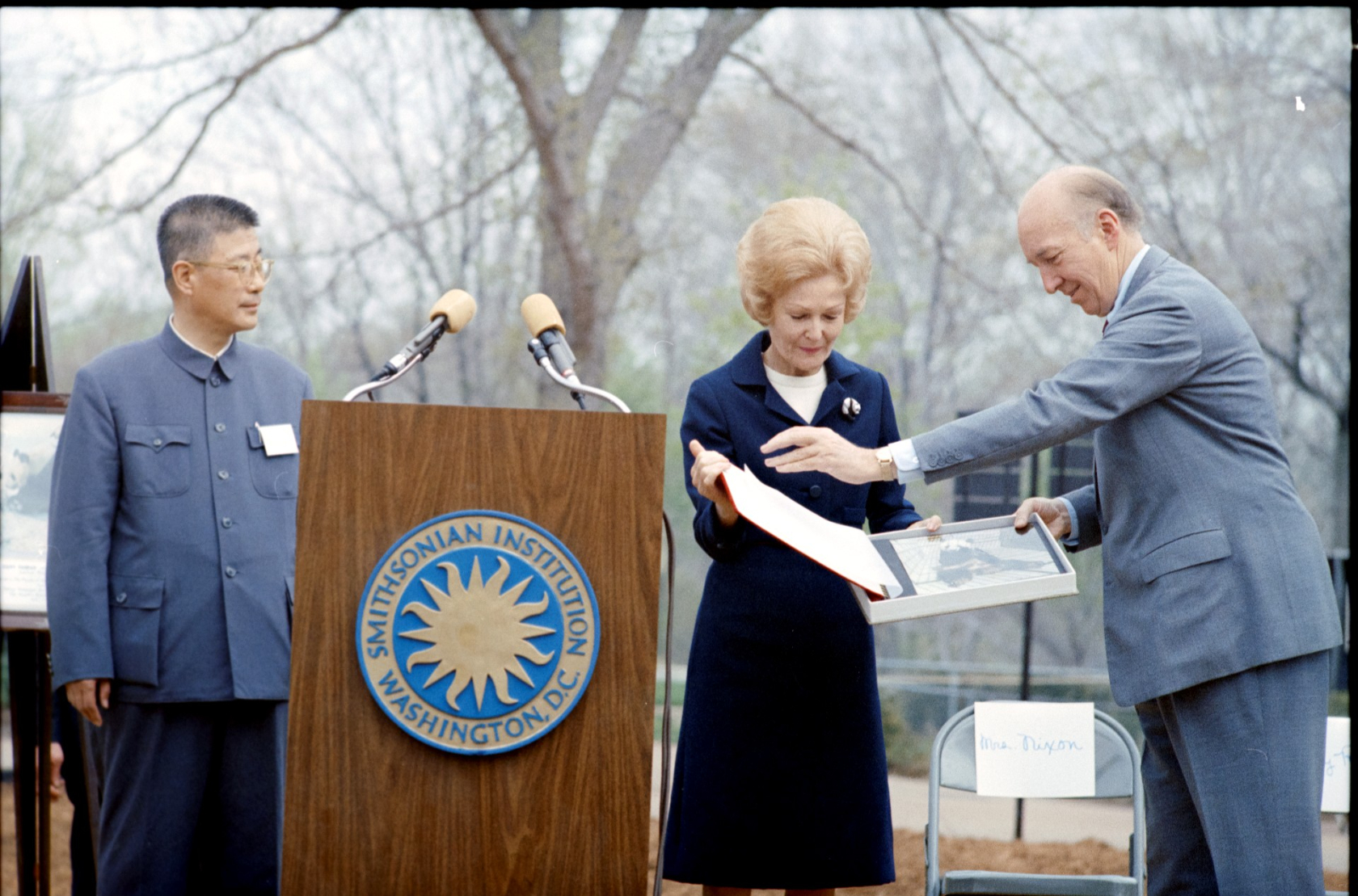
On April 20, a delegation from China officially presented the bears to the first lady.
“This pair of giant pandas is the symbol of friendship between the people of the People’s Republic of China and the United States,” one of the officials said, through an interpreter.
Mrs. Nixon said the pandas would be enjoyed by millions of Americans — after all, there had been no pandas at all in the U.S. for decades.
“I think panda-monium is going to break out right here at the zoo,” the first lady said, to polite laughter and applause.
She was right: panda-monium did break out, and it’s going strong 51 years later.
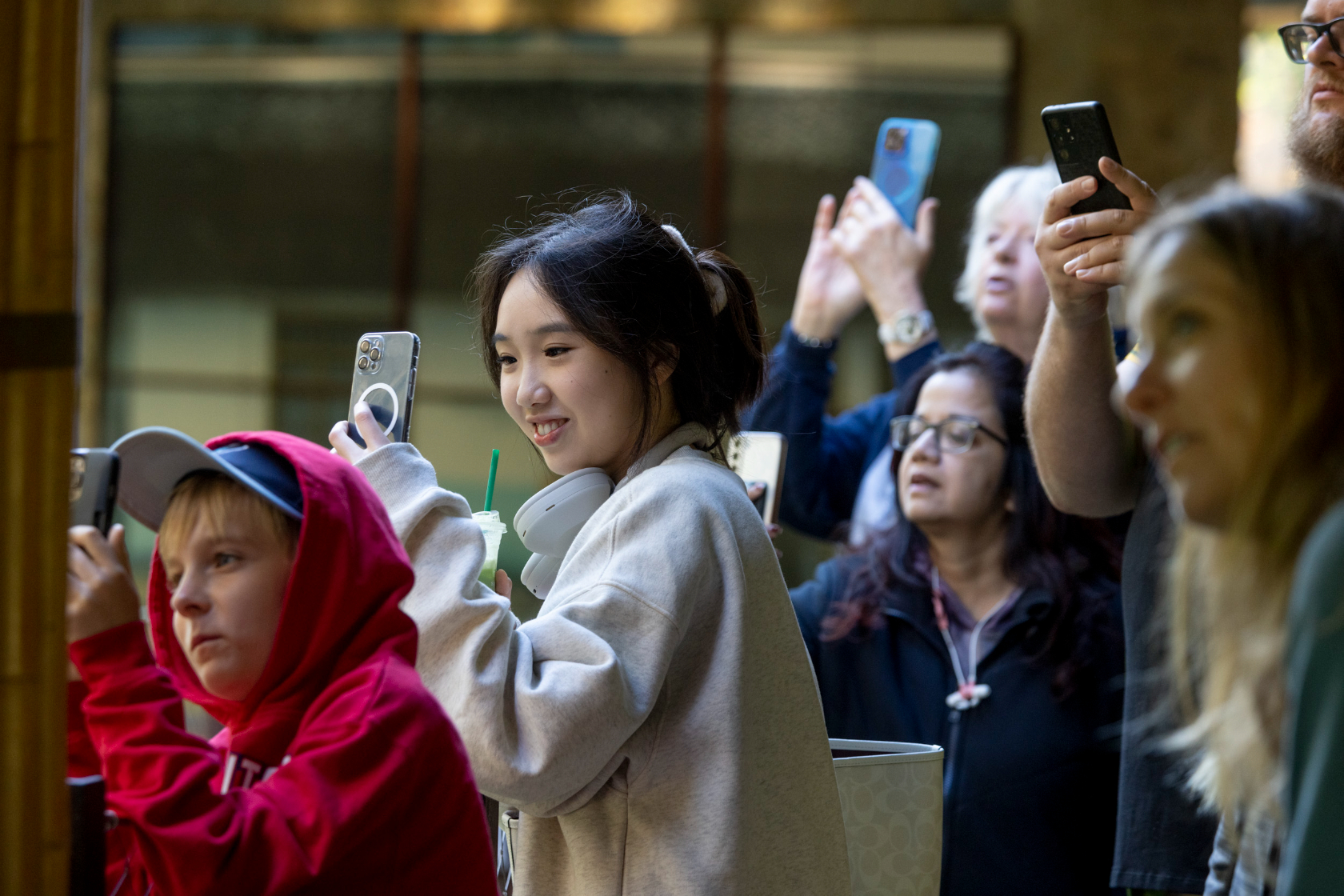
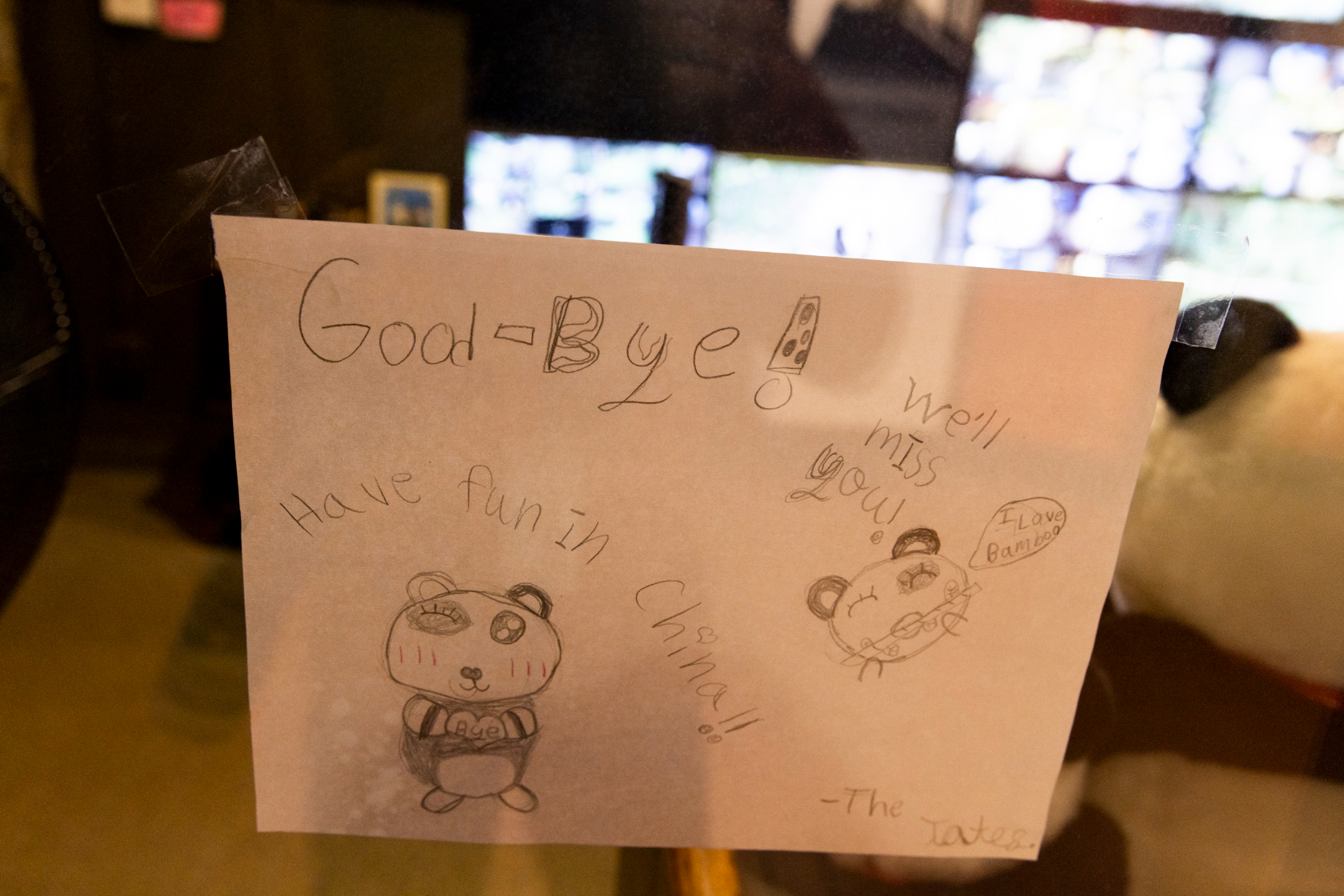
On a recent morning, visitors crowded around the edge of the panda habitat, cameras out, to catch one last glimpse of the unusual bears.
Four-year-old Madeline was there for her birthday, wearing a panda costume. Her mom, Christine Murray, says they came down from Pennsylvania to say goodbye.
And it’s not just kids. Alan Richter watched as one panda climbed a tree, then slid back down.
“They’re just so pure and gentle and they’re beautiful, and they’re just, like, hanging out,” Richter said. “I took the day off just to see them before they left because I thought I may never get to see pandas again in my lifetime.”
Pandas only exist in the wild in China, so the country has a monopoly on one of the world’s cutest animals. Since 1972, China has gifted or loaned pandas to countries around the globe – often coinciding with a major trade deal. It’s been dubbed “panda diplomacy.” But now these very popular ambassadors are being recalled.

“I think that this has been a knee-jerk reaction to a very ugly period in U.S.-China relations,” says Wilder, the Georgetown professor.
He says the Chinese were angered by Nancy Pelosi’s visit to Taiwan last year. Then things soured even more after the U.S. shot down the alleged Chinese spy balloon early this year. It’s not surprising, he says, that China would withhold pandas in response.
“It’s very typically Chinese, this is Chinese diplomacy. We’ve seen it in the commercial sector,” Wilder says.
For example, he says, during a spat with Australia over COVID, China imposed tariffs of more than 200% on Australian wine, a major blow to the industry.
“Panda diplomacy has been positive, but panda diplomacy can become punitive panda diplomacy as well,” Wilder says.
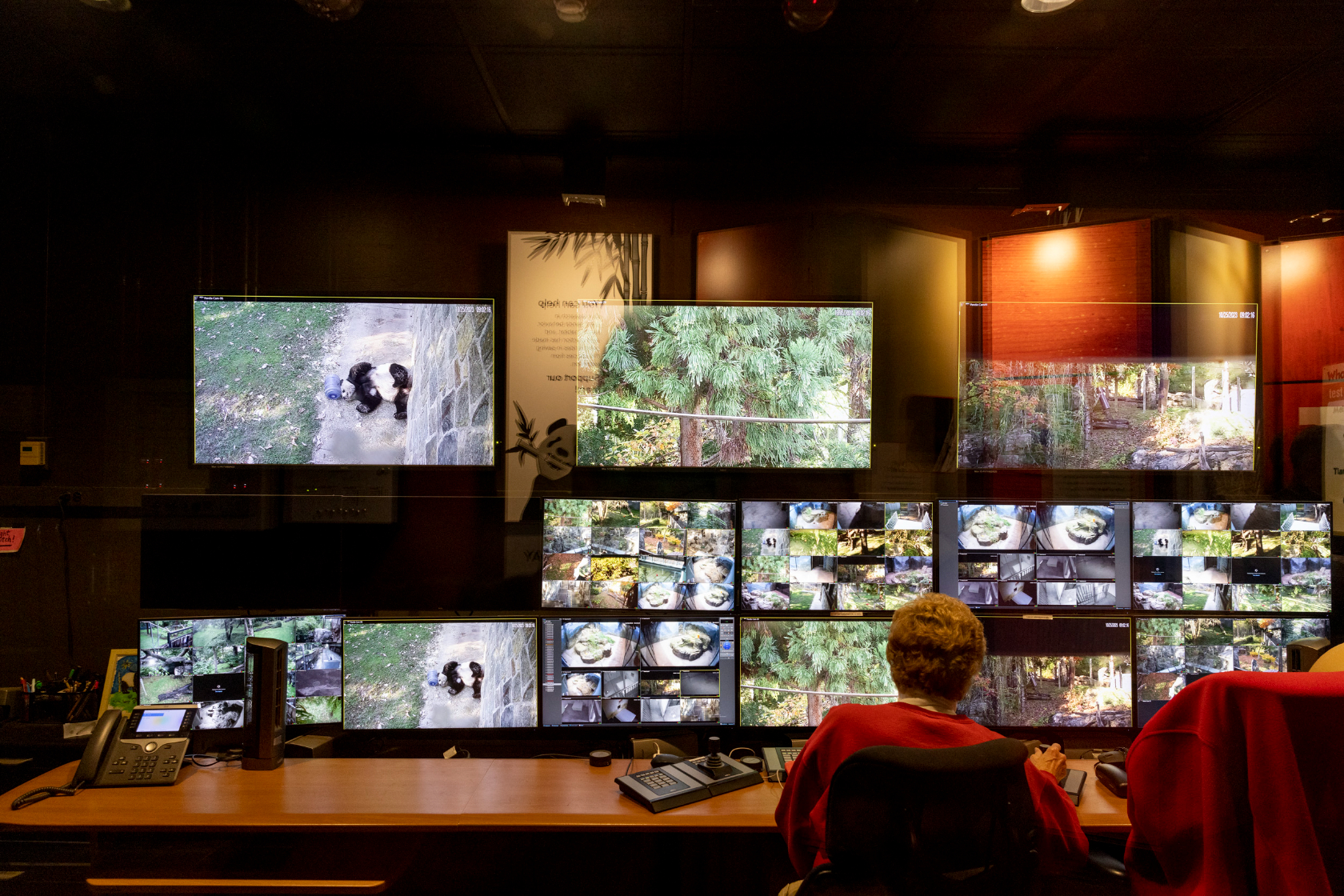
In D.C. at least, panda diplomacy appears to have been wildly successful – so much so that this bear – the official national animal of China – has also become a sort of symbol of the U.S. capital city. For example, Metro’s old fare cards featured a panda design for years.
Elena Songster is a history professor at St. Mary’s College of California – she wrote the book Panda Nation. She says panda diplomacy has worked to soften people’s attitudes toward China. But she says it’s worked almost too well in places like D.C., where the lovable bears have become entwined with local identity.
“I think in some ways people identify the panda as theirs as much as, or more than, they think of it as something from China,” Songster says.

Songster says there does seem to be a big shift taking place with the panda loan program since China is taking back all the U.S. pandas at roughly the same time. But she doesn’t think there’s enough evidence – yet – to say it’s happening because China is mad at the United States.
“I’m actually very interested in watching this unfold, because I do think that this is a significant moment,” Songster says.
The National Zoo is on its second pair of pandas. The first two, welcomed by Pat Nixon in 1972, died of old age in the 1990’s. The current pair, Tian Tian and Mei Xiang, have given birth to four cubs at the zoo.
While much of panda diplomacy has been about the symbolism – the friendship between the countries – there’s also been real scientific exchange over decades. Smithsonian scientists from D.C. have collaborated with Chinese researchers on more than 100 books and scientific papers.

Andrew Mertha, director of the China studies program at the Johns Hopkins School of Advanced International Studies, says this aspect of the panda loan program is often under-appreciated.
“In this day and age, when collaboration with China over science and research is very much a political lightning rod, this points to both a perhaps simpler time, but also those areas in which these types of exchanges can continue, even in the political climate we find ourselves in today,” Mertha says.
The three pandas – Mei Xiang, Tian Tian, and their cub Xiao Qi Ji, are leaving sometime within the next week or so. For weeks, zoo staffers have been working to get the bears ready to travel.
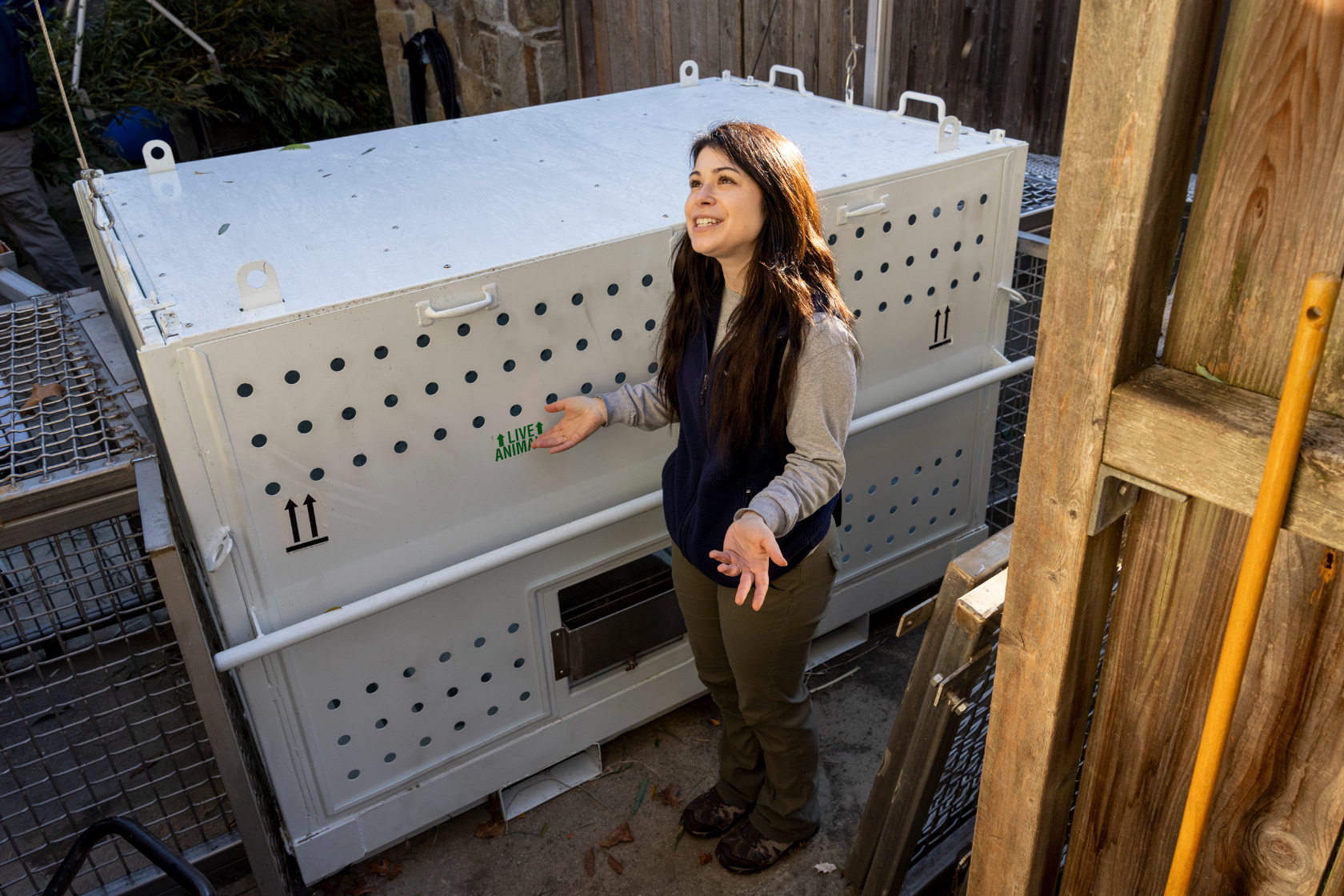
Panda keeper Mariel Lally has been working to crate-train the pandas, just like you would a pet. The crates are set up between the outdoor panda habitat and the indoor enclosures.
“It is much larger than the panda, so they’re able to stand up, turn around, lay down, you know, could do a cartwheel or whatever they want,” Lally says.
The pandas have gotten used to hanging out in the big metal boxes, especially Mei Xiang.
“She would just sit in the crate all day if we let her. She doesn’t even need a reward when she goes in there at this point, she just wants to sit in there,” Lally says.
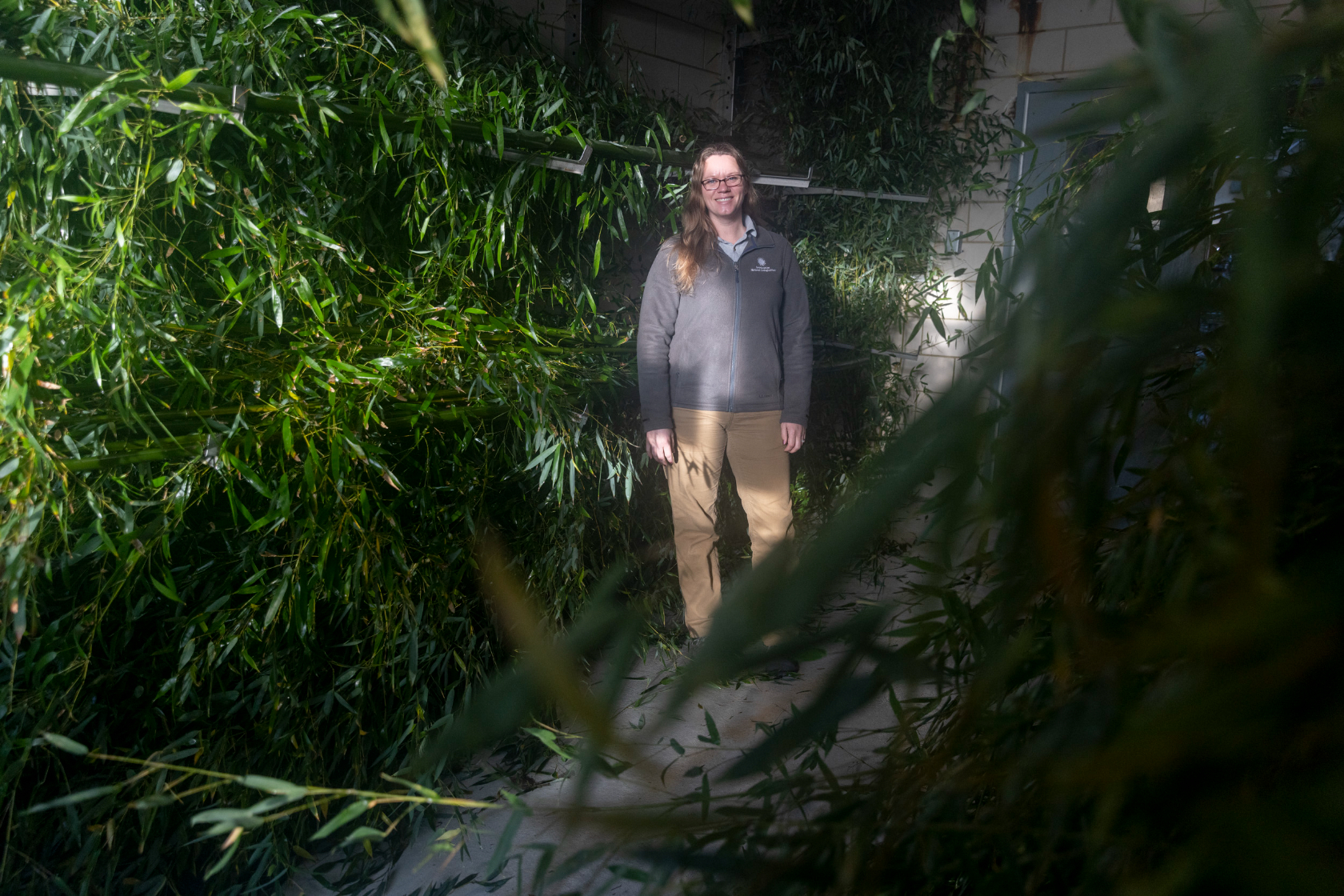
Soon, the three pandas will be loaded into a Fedex Boeing 777 freight plane, along with more than 200 pounds of bamboo – that’s one day’s meal for the bears. Lally will be traveling with the pandas on the 19-hour flight, from Dulles to Chengdu. She says it’s bittersweet to say goodbye to the animals.
“I am from the DMV. So I grew up coming to the zoo and seeing Mei Xiang and Tian Tian as a kid. So definitely from childhood to working with them now seven and a half years, it is hard to see them go,” Lally says
But, she says, she’s proud of the work the zoo has done with the pandas and proud of the bears themselves.
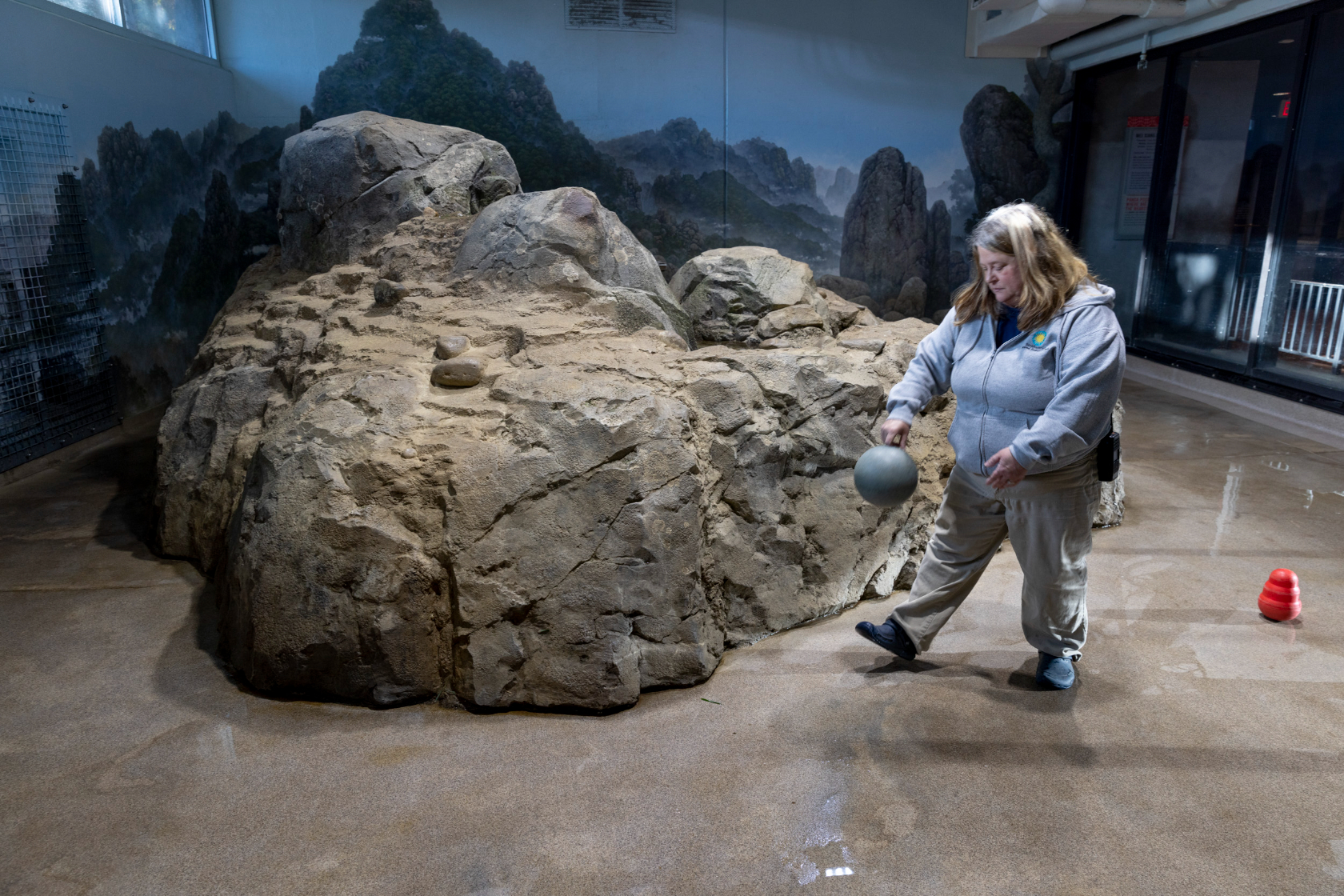
National Zoo officials say they haven’t yet begun talks to get more pandas from China. But they say they’re optimistic. In fact, while the panda house is empty, the zoo plans to spend $2.5 million dollars revamping the panda enclosure – they hope sometime soon it will again be filled with cute bamboo-eating bears.
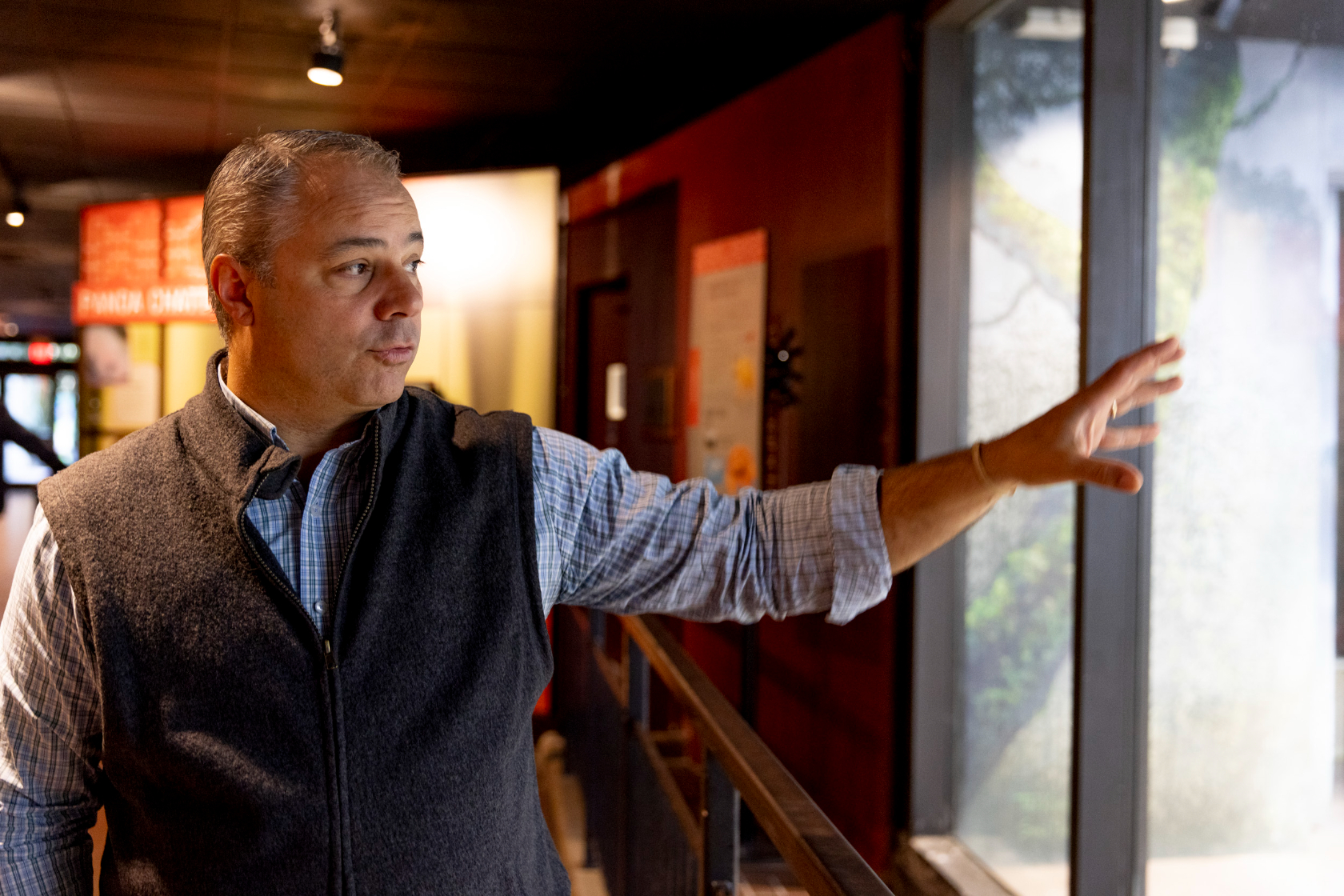
“We’re going to redo the habitat spaces,” says Mike Beglinger, the zoo’s associate director of planning, facilities, and exhibits. “We’re going to redo the faux rock, we’re going to do new pools, and we’re going to put in a climbing structure for different elevations for the pandas when they come back.”
That work will take 8 to 10 months, Beglinger says. After that, if new pandas are not yet on the way, another animal may take up residence, at least temporarily.
“We’re looking at a list of animals that may work in here,” Beglinger says. But, he adds, “We all have pandas in our hearts.”
Dennis Wilder, the Georgetown professor, is also cautiously optimistic that pandas will return to D.C.
“I would put a bit of betting money — not maybe a huge amount of betting money — on perhaps the situation changing after President Xi and President Biden meet at the APEC Summit in San Francisco,” Wilder says.
That meeting is scheduled for later this month and both countries are hoping it leads to better relations. Wilder says it’s entirely possible Beijing could send another pair of pandas to Washington to signal things are on the mend.
“I have talked to Chinese diplomats who say, ‘Look, the pandas have been more effective diplomats for China than we have been.’ So I think they know the value of this.”