Matt Blitz
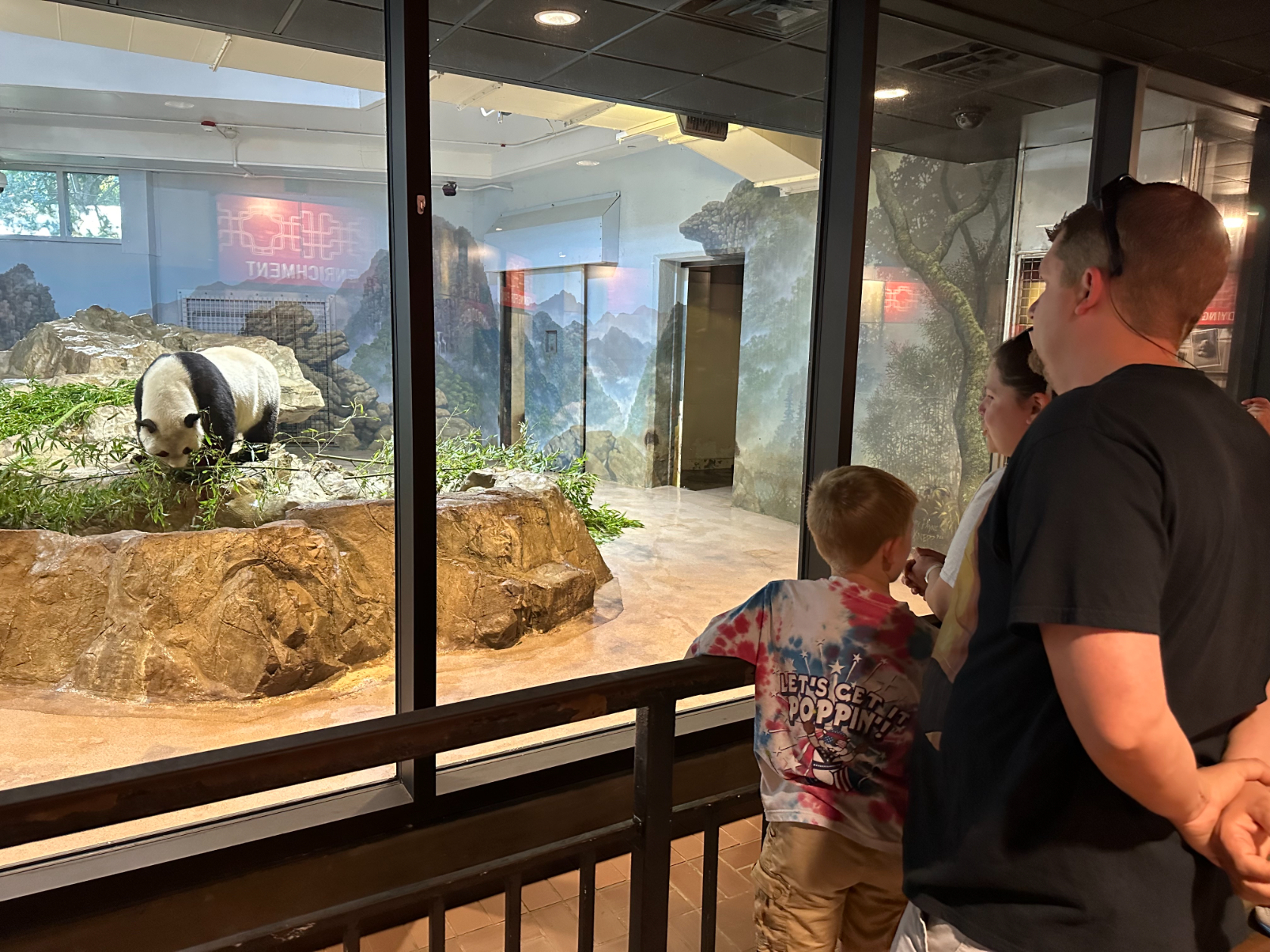
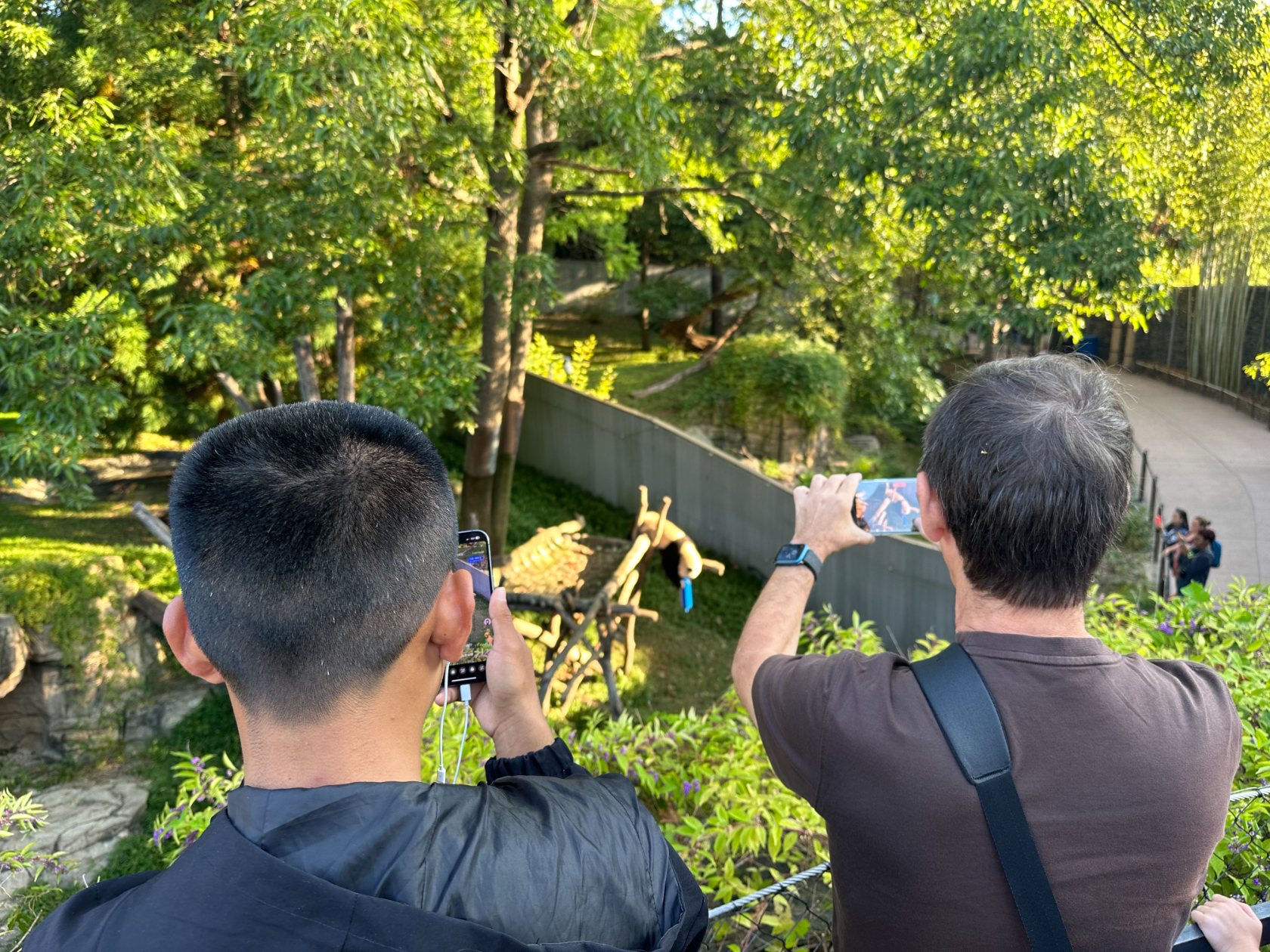
A quiet reverence hangs over the crowd at the Smithsonian’s National Zoo on a Wednesday morning as Xiao Qi Ji dangles from a wooden structure while playing with a blue toy.
Then, the three-year-old giant panda drops his toy.
There’s a collective gasp from the two dozen people watching, filming, and taking photos of this adorable creature. But the panda takes it in stride, slowly climbing down the structure and pouncing on the toy once again. Everyone in the crowd cheers.
In less than two months, all three giant pandas are slated to depart the zoo and head back to China, in accordance with an agreement with the China Wildlife Conservation Association. It will mark the end of more than 50 years of panda-monium in the District.
Locals have loved the pandas since the moment their paws touched down in D.C; they have become not only the zoo’s most famous animal but the city’s unofficial mascot as well. There are even panda statues stationed around the city.

But the District’s panda dependence goes beyond simply the animals’ propensity for cuteness.
The pandas have also provided the Smithsonian’s National Zoo, the city, and local businesses an abundance of tourist dollars and marketing over the last five decades that’s hard to quantify. On this Wednesday morning, though, there are plenty of examples of what pandas have meant to the District’s local economy.
Julane Nease is visiting from Illinois, specifically making the trip on Amtrak with her son for her 65th birthday to see the pandas.
“When I was a little kid, I had a stuffed panda that I really loved a lot,” Nease tells DCist/WAMU. “And my mother told me that pandas were extinct, and I cried and cried. And then, when I got to school, I discovered my mother had been mistaken. And so ever since then, I just was really sad that I couldn’t see them. But since they came here, whatever year that was, I really wanted to come. And this is my last chance.”
Beyond seeing the pandas, she’s staying at a hotel, eating at local restaurants, and plans to visit several other D.C. museums.
Megan Hansen is another out-of-town visitor, coming down from Boston to see the beloved pandas before they depart. She says she’s followed Xiao Qi Ji since he was born in 2020, providing her a fun and light distraction during a “very tumultuous period.” And she bought a keepsake to remember him by.
“I’m not really one for buying many things, but I did buy a t-shirt,” Hansen says. “I may buy one or two other things. So, which for me, is a lot.”
While exact numbers aren’t available, city and zoo officials admit that the upcoming loss of pandas could mean a drop in visitors and dollars.
The zoo welcomed 1.5 million visits last year, per Smithsonian data, a bit of a downtick from the pre-pandemic 1.8 million in 2019. (In 2020 & 2021, visitorship was way down due to several pandemic-related closures.)
It’s no secret pandas are currently the zoo’s biggest draw, Interim Deputy Mayor for D.C.’s Planning and Economic Development Keith A. Anderson tells DCist/WAMU. He says those visiting the pandas at the zoo continue to have a “positive economic impact” on the city. That effect is felt well beyond the zoo.
“It has a tremendous impact on surrounding businesses. And people don’t only go to the zoo; they go to other museums and attractions around the city. So [the pandas] will be sorely missed,” Anderson says.
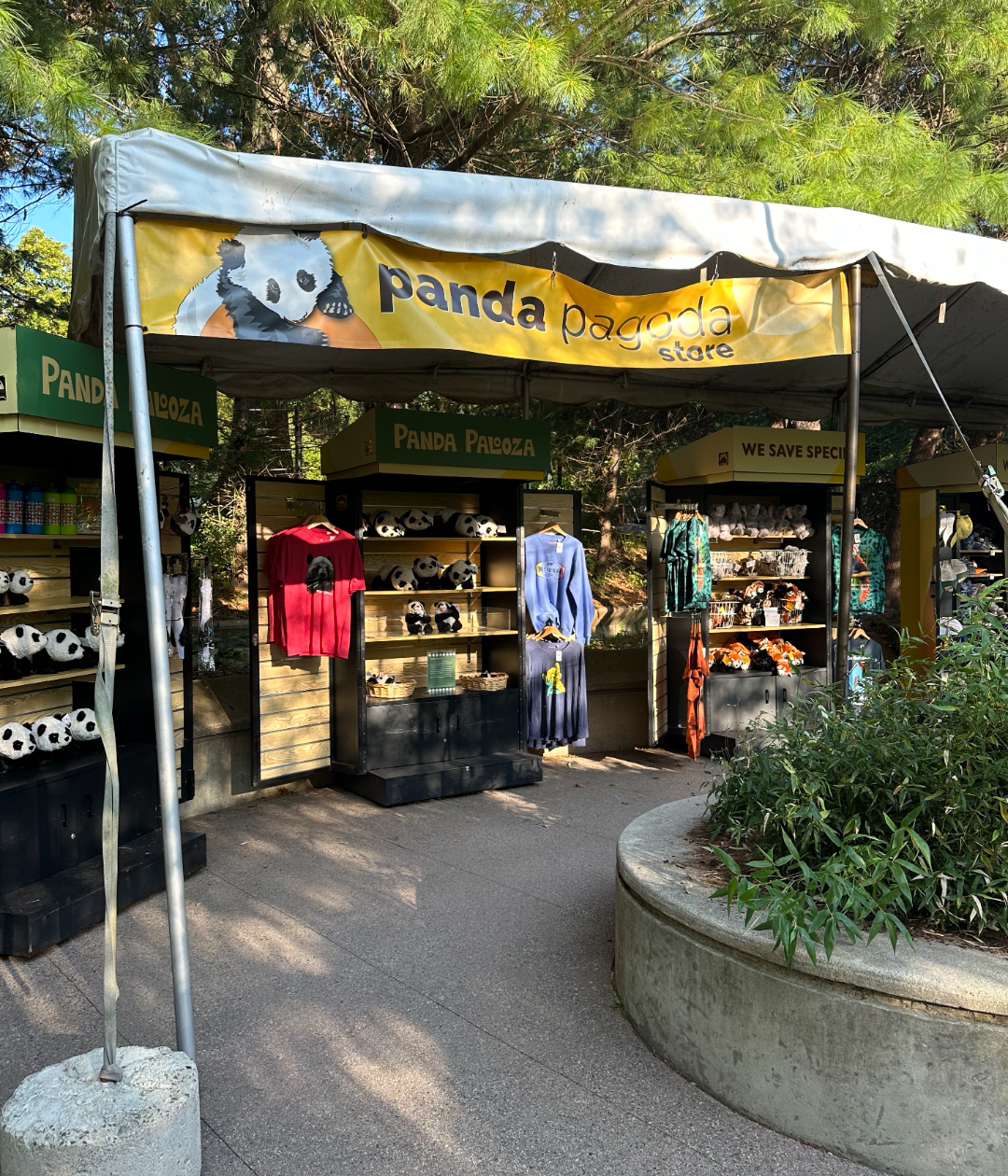
Look in any of the zoo’s many gift shops, and you will see an abundance of panda plush toys, t-shirts, and slippers. There’s also the Panda Overlook Cafe. The sale of panda merchandise is a huge source of revenue for the National Zoo, a spokesperson said, and will likely drop when the pandas leave.
The zoo is making the most of the last weeks with the beloved giant pandas. Panda Palooza was a nine-day celebration with films, exhibits, and scavenger hunts. (If you missed it but still want a souvenir, the zoo offers a limited edition collection of Panda Palooza merchandise.)
A Smithsonian’s National Zoo spokesperson tells DCist/WAMU that it will continue to sell panda items even when the animals depart but “in a more limited way” and they “anticipate that the departure of the pandas will impact [merchandise] sales in the short term.”
They also said that pandas will not be used in marketing going forward to drive visitation to the zoo.
Millions of people worldwide watch the Giant Panda Cam, but when the pandas leave, the zoo expects “a lot of our virtual engagement to end.” However, they do encourage folks to turn to the Cheetah Cub Cam instead to get their fill of cute animals. (There are also four other live cams, including an elephant cam.).
There’s also all the panda infrastructure the zoo has invested in over the years. In 2006, the Zoo opened the $53 million Asia Trail exhibit, using both public and private funding to double the space for pandas. In 2019, they added a new indoor exhibit for visitors to allow more people to watch the pandas at play, funded in part by the $12 million donated by David Rubenstein to support the zoo’s giant panda conservation program.
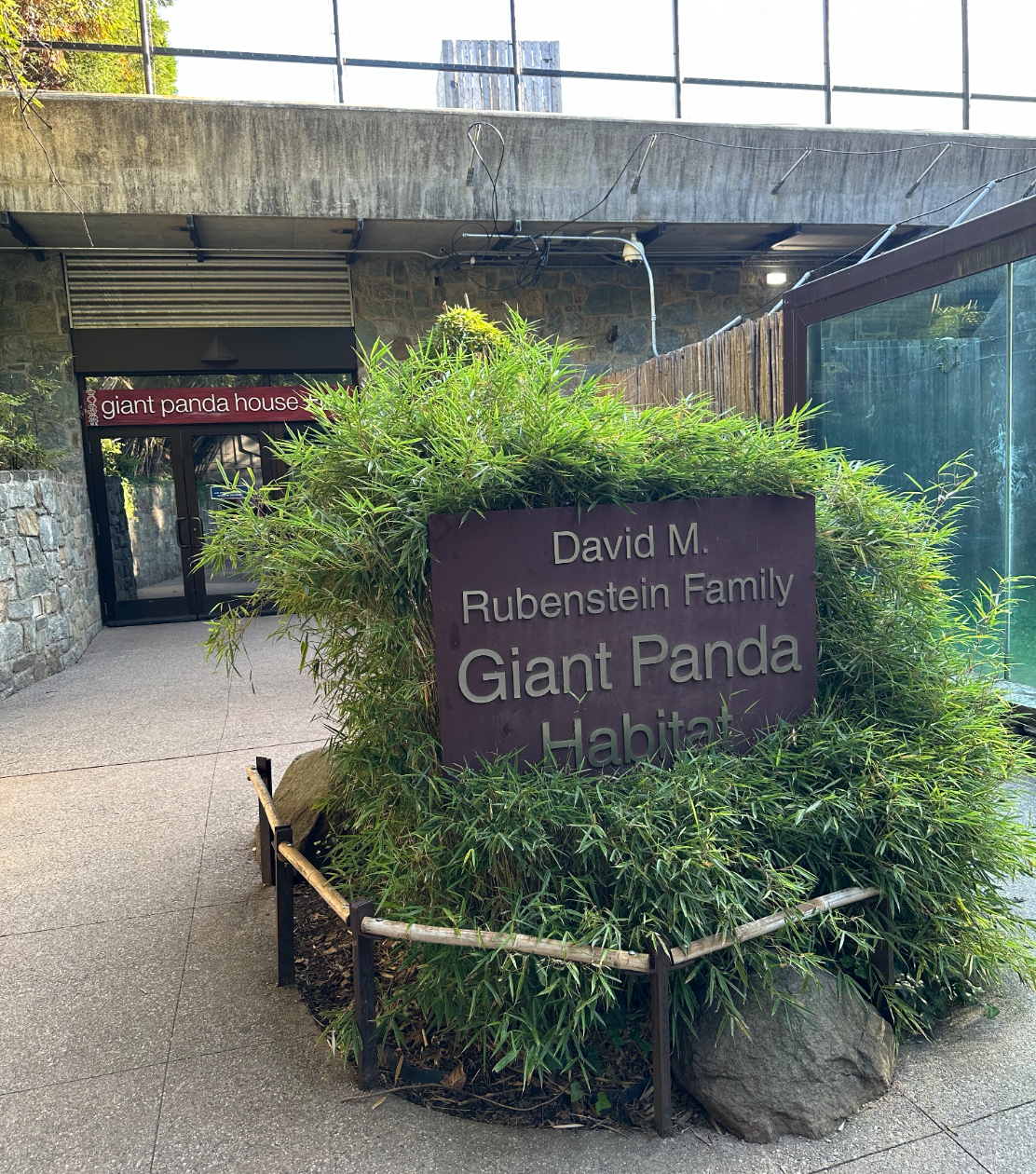
It’s not immediately clear what will happen to the panda habitat when they leave.
“We’ll take this time to update the indoor habitats and we may exhibit other animals while there are no pandas at the Zoo. No confirmation of what animals may go on exhibit at this time,” a spokesperson writes via email.
The pandas’ pending departure has also made at least one local business consider its next steps. Baked by Yael sits directly across from the Zoo on Connecticut Avenue. The kosher bakery opened in 2015 and has gone full panda ever since.
“Pandas, pandas, pandas. We got a six-foot panda in the store, panda t-shirts, panda pops, pandas on postcards,” owner Yael Krigman says. “Everything panda.”
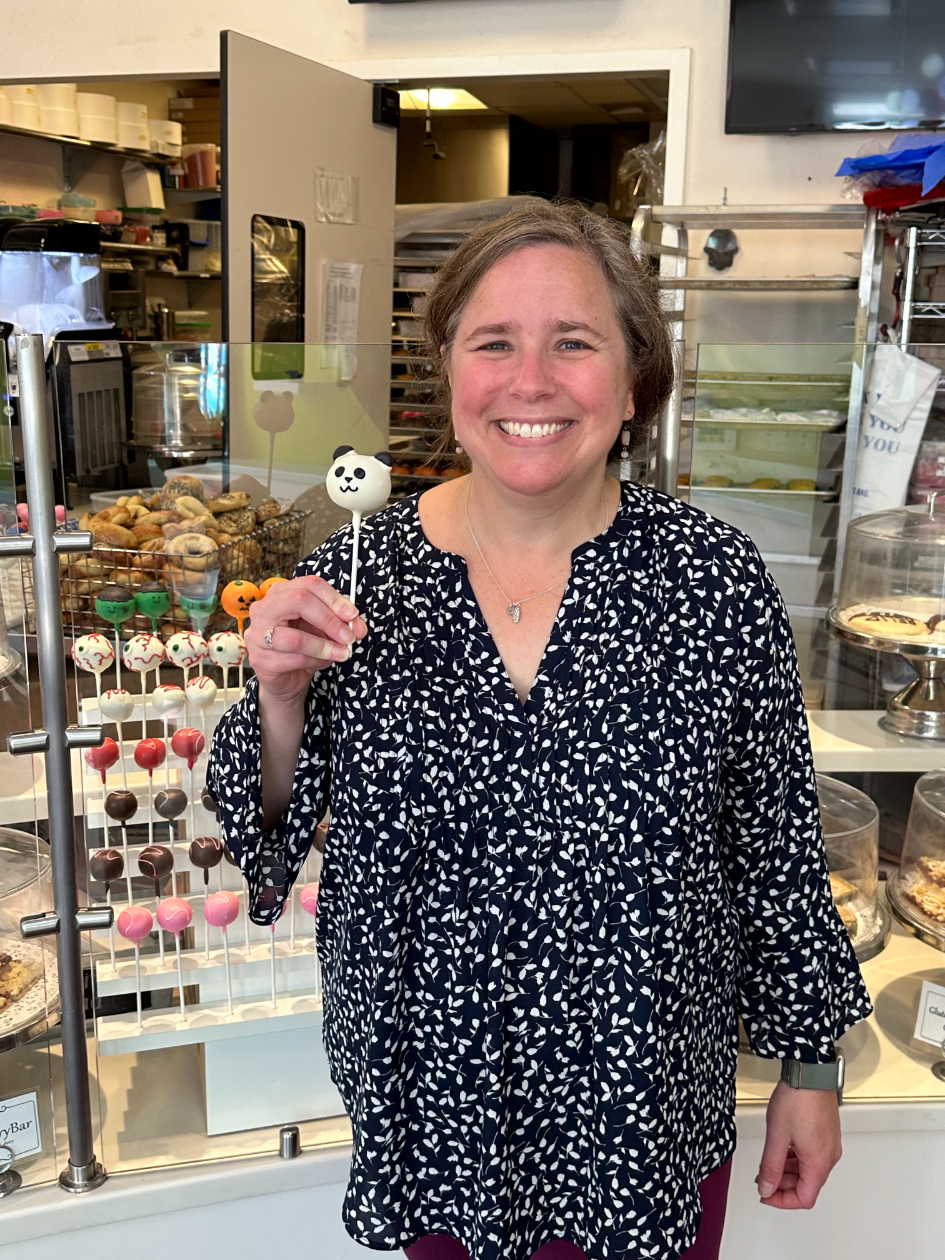
She agrees it’s hard to quantify the pandas’ impact in dollars, but in terms of “excitement and joy,” it’s through the roof when customers catch a glimpse of her panda cake pops.
Krigman chose the location because of the zoo. So far, it has paid off despite the high rent. But if it turns out the National Zoo’s visitorship heavily depends on pandas, she’ll have to consider a move. For now, she’s hoping the zoo will choose a new animal as its main marketing mascot.
“I just hope that whatever animal they choose lends itself well to a cake pop,” Krigman jokes.
It remains possible pandas could one day come back to the National Zoo. A year after the death of Hsing-Hsing in 1999, the Smithsonian Institute and China came to another agreement for pandas to once again live in the nation’s capital. That remains the zoo’s hoped-for scenario.
“We’re working with our Chinese partner, the China Wildlife Conservation Association, to develop a future giant panda program,” a National Zoo spokesperson tells DCist/WAMU via email. “After 51 years of success, we remain committed to giant panda conservation. One thing is certain, the Zoo’s panda program has made a major impact on panda conservation and will continue to do so in the future. It’s our intention to have giant pandas at the Zoo in the future and continue our research here and conservation work in China.”
It’s clear this is what many are wishing for That this isn’t the end of pandas in D.C., but simply a break.
Anderson said the Mayor’s office would “seriously consider” getting involved in negotiations to bring pandas back if asked. “I hope the pandas come back one day,” he says.
“When you think of the pandas, they’re really the mascot… of the zoo,” Hansen, the visitor from Boston, says, as Xiao Qi Ji continues to play behind her on a Wednesday morning. “It’s really sad to see… I really hope they get more pandas.”