Jacob Fenston
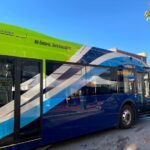
Metro’s first two 60-ft. electric buses began carrying passengers today — a milestone in the transit agency’s plans to fully electrify its fleet and phase out fossil-fuel-powered buses.
The new buses look nearly identical to Metro’s articulated double buses that already operate on some of the busiest lines, but the discerning rider will notice the standard grey and red paint job includes a new green stripe and electric plug graphic. The new buses made their debut on the W4 line, which runs between Anacostia Metro Station in Southeast and the Deanwood Metro Station in Northeast.
The electric buses have zero tailpipe emissions, meaning cleaner air and less climate pollution. They also offer a more pleasant, quieter ride, compared to a bus with an internal combustion engine.
The new buses also have some nifty modern features that Metro has been gradually adding to its fleet, including USB charging ports, digital information screens, and new fareboxes. The fareboxes are more reliable, according to Metro, process payments more quickly, and allow riders to add value to their SmarTrip cards, or check their balance.
Riders can check the status of the electric buses on the W4 route using Metro’s live tracker. When the buses are active, they are shown under the “special edition” tab on the site.
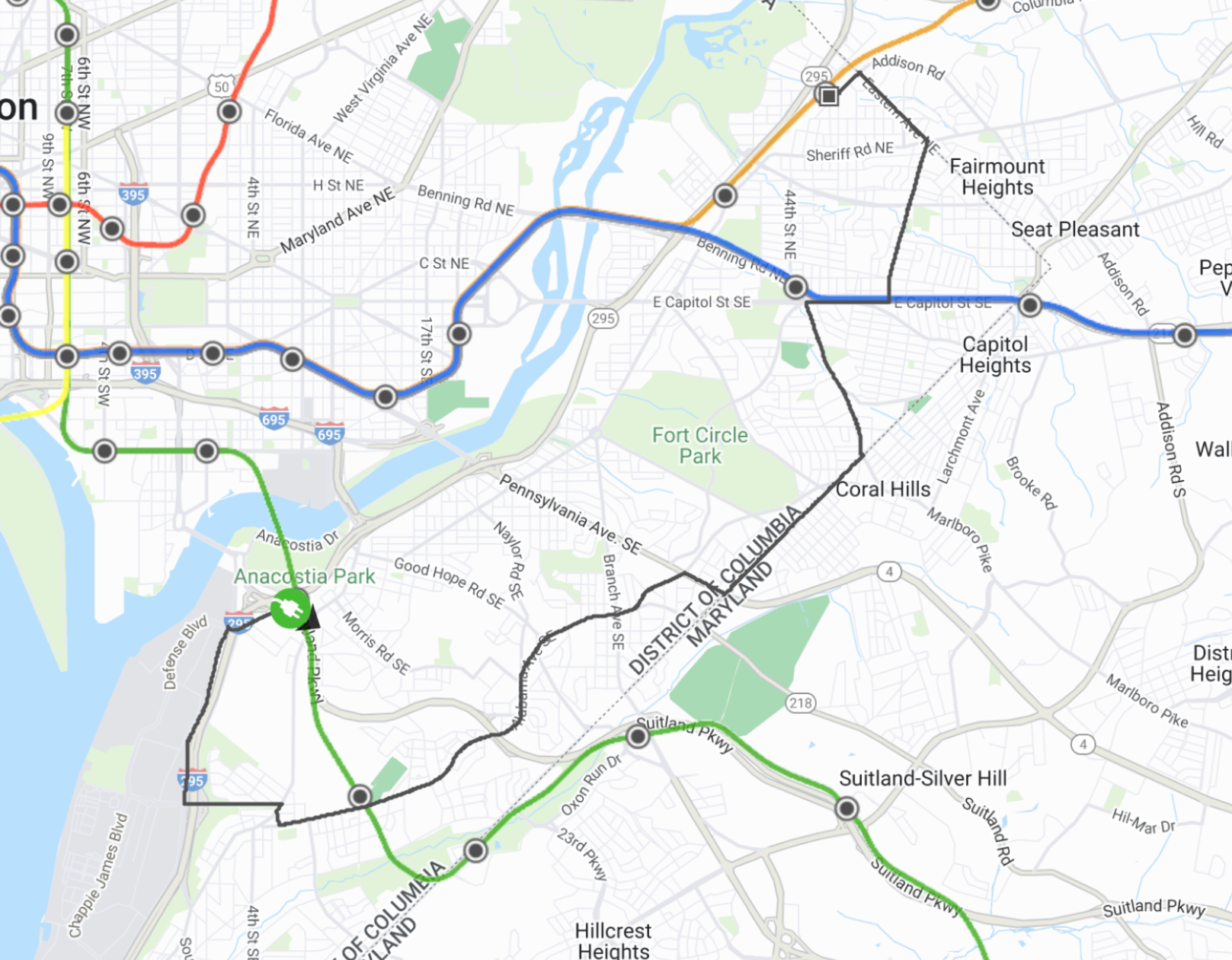
The buses were supposed to arrive in February, but delivery was delayed by the manufacturer, New Flyer, due to a battery recall. This happened after a bus caught fire in a maintenance yard in Connecticut. Metro’s new buses were finally delivered in June.
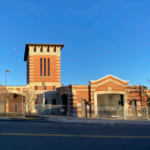
Metro has committed to transitioning its entire 1,600-bus fleet to zero-emission vehicles by 2042. Starting in 2027, all new buses Metro purchases will be zero-emission buses. By that year, Metro will have opened its first all-electric bus garage, on 14th St., NW.
An all-electric bus fleet will produce 83% less greenhouse gas emissions, according to Metro, keeping 100,000 metric tons of greenhouse gasses out of the atmosphere each year. That’s equivalent to taking 22,000 passenger cars off the road.
Using public transportation is already one of the greenest ways to get around: traveling by bus or Metrorail produces about half the carbon emissions compared to driving. The current bus fleet is 55% hybrid, 28% compressed natural gas, and 17% diesel.
At the same time Metro is converting its fleet to electric, D.C.’s electricity is also getting cleaner: under D.C. law, 100% of electricity sold in the District must come from renewable sources by the year 2032. That means any buses charged in D.C. would be running on clean energy from sources such as wind and solar.
Metro still lags behind many other big cities in adopting electric buses: Los Angeles plans to go all-electric by 2030, and already has one bus line powered entirely by electricity. In New York City, the goal is 2040, with more than 500 electric buses hitting the streets by the end of next year.
Earlier this year, Metro announced it would speed up the transition to electric, sliding the target up by three years, from 2045 to 2042. The first phase of the transition, which starts this year, will include 12 new electric buses — ten standard buses and two articulated buses. In June, Metro won funding from the federal infrastructure law to purchase 100 new electric buses and to convert one of its bus garages to charge them.
While some logistical hurdles remain — including a limited range of battery-electric buses — Metro estimates that using today’s technology, battery-powered buses can cover 92% of current routes.
This story was updated to add a link to Metro’s live tracker.