Jacob Fenston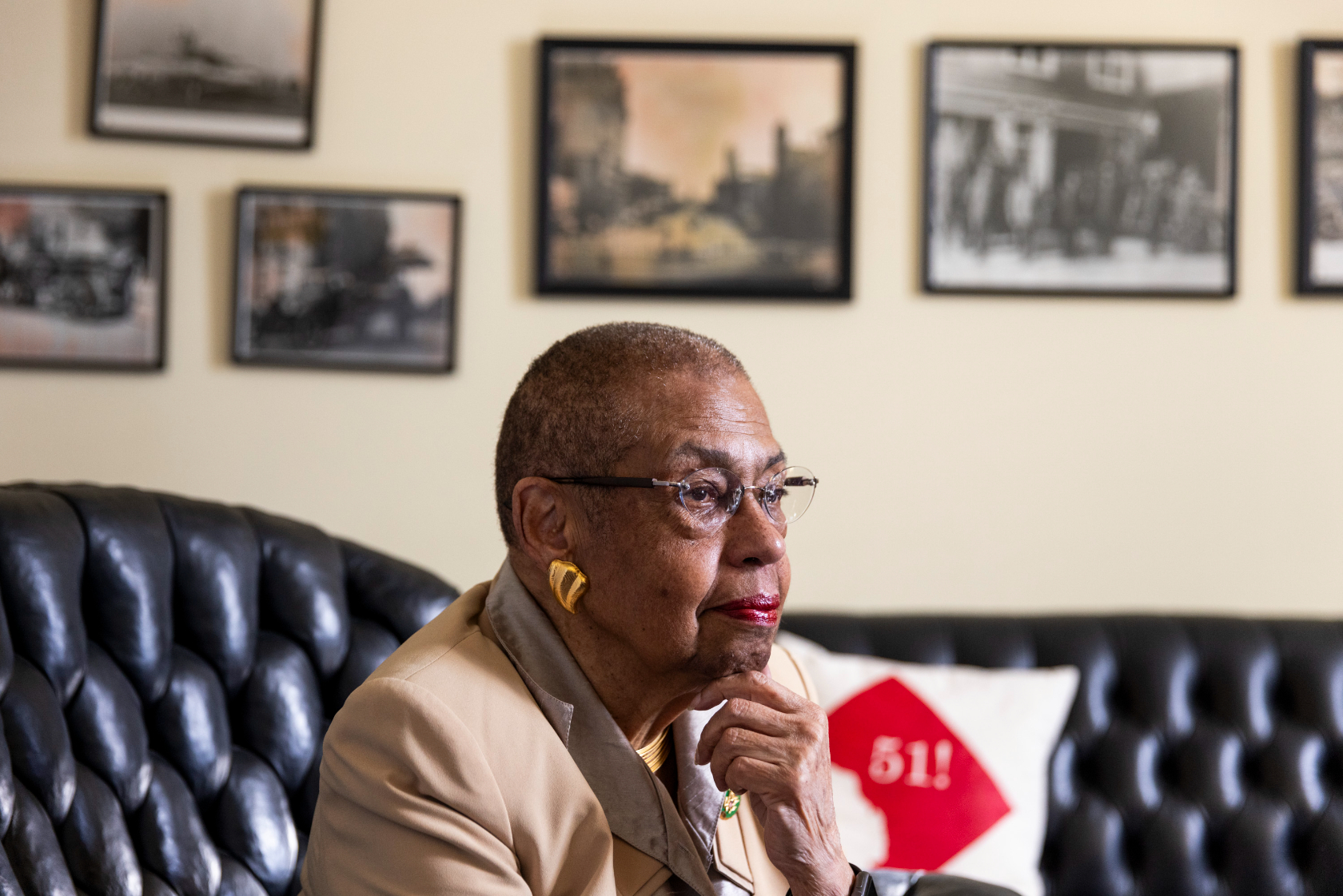
Eleanor Holmes Norton has been D.C.’s only voice in Congress since 1991. Her very first week on the job, she was thrown into the debate over whether to invade Iraq.
“Here I was, a non-voting delegate, and my phone was ringing off the hook as if I could vote, with my constituents saying, ‘no, no, no, this is not the time to proceed to war,'” Norton said during an interview on C-Span at the time.
Norton had no vote on the war in Iraq, or any other issue since.
D.C. got home rule 50 years ago, allowing residents to elect their own local government, but Washingtonians still have no vote in Congress, and Congress still has the power to meddle in local affairs. Norton has been on the front lines fighting for full voting rights for D.C. residents.
WAMU/DCist’s Jacob Fenston sat down with Norton in her office on Capitol Hill, and started by asking what it was like growing up in D.C., pre-home rule.
This interview has been edited for length and clarity.
You grew up in the District. Tell me a little bit about what that was like.
Well I went to segregated public schools in the District of Columbia. We had no vote, there was no mayor and no legislative body. That was the Washington I grew up in.
My parents, my teachers, all talked about the way in which the District of Columbia was treated, so I was very aware that we were treated as second class citizens. I remember the teachers were intent upon making students understand that they lived in a city that was unequal. So it was really a part of my upbringing in school and and at home.
Home rule was a pretty big win for the District when it finally happened, but it came with some pretty significant strings attached. I wonder if you could talk about some of the biggest ways that has manifested itself during your career?
Well, home rule certainly didn’t give us what other Americans have. We still have a Congress that can overturn any law that the District of Columbia passes. Whatever are the current issues — abortion, marijuana, gun rights – Republicans in Congress tend to look to make sure that the District is not treated as other Americans are. So we can call this home rule if we want to, but it’s quite limited.
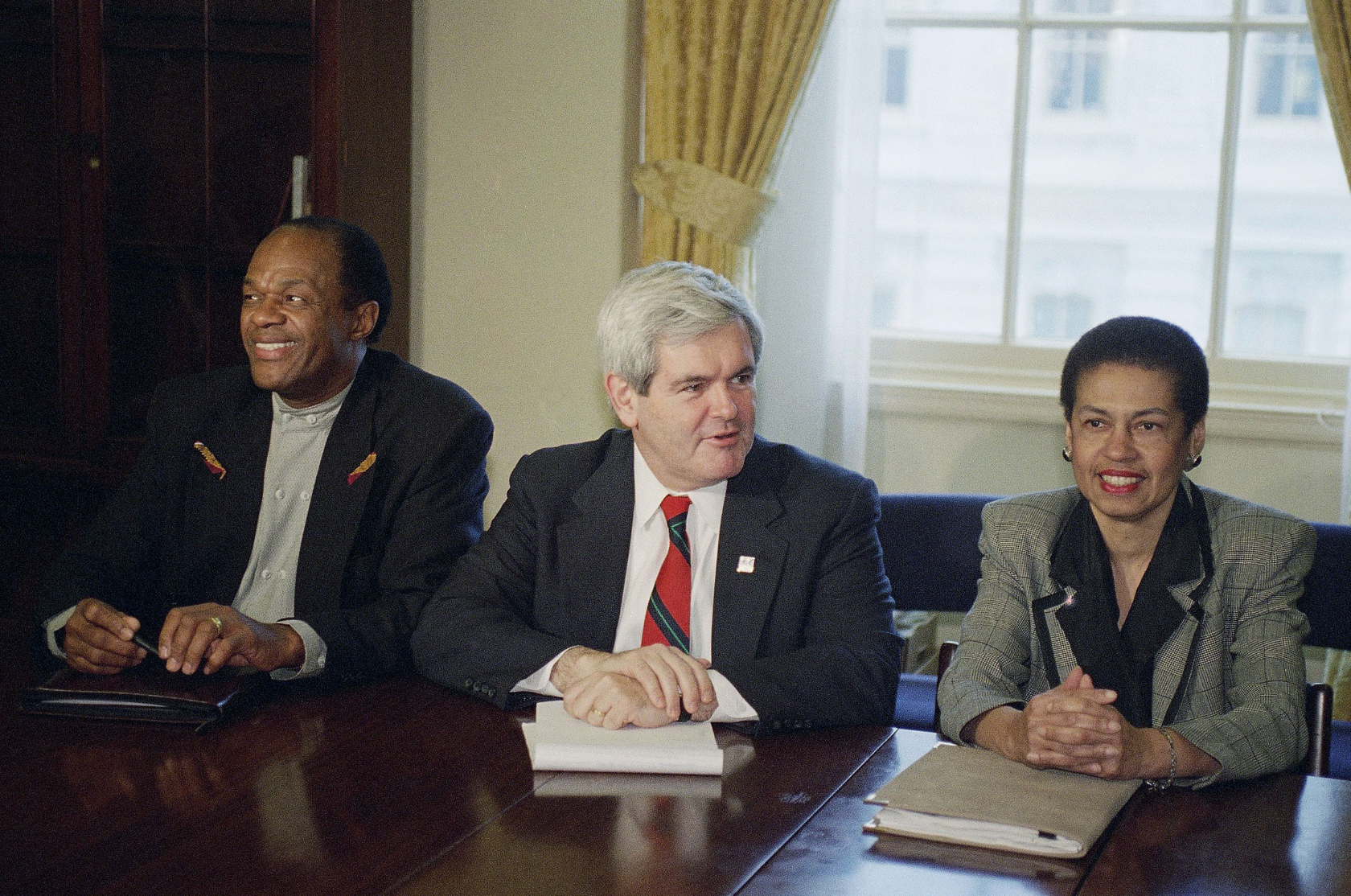
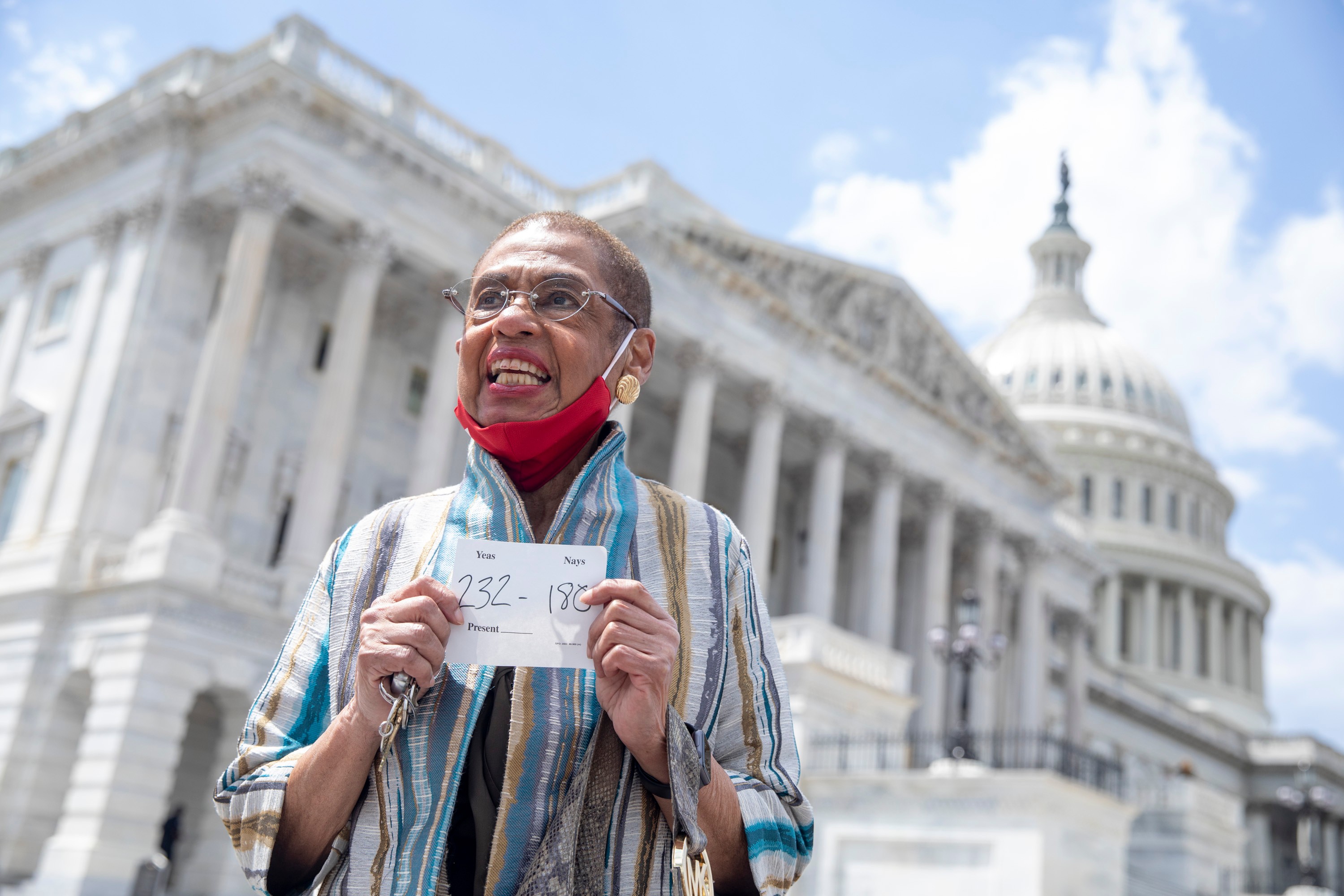
We’ve done all we can with home rule. On this 50th anniversary, we acknowledge that. But we’ve got to take the next step. I’ve gotten the statehood bill passed in the House twice. It has had a hearing in the Senate. And that’s the route we’re taking now.
The Senate is very difficult, but we’ve got, 45, I think, sponsors in the Senate.
Do you feel optimistic that if and when there’s Democrats controlling both houses, statehood would rise to the top of the the agenda?
Oh, I think it would rise to the top of the agenda. To meld all those pieces together is what’s difficult.
Do you think there’s a possibility that that home rule could be reversed in some way?
Well there’s actually been a bill put in to roll back home rule. That’s not going to pass. But it shows you how retrograde my Republican colleagues are, that you would even put a bill in after 50 years of home rule to take back home rule. I think home rule is where it stands and we’ve got to move on to statehood.