 Our sage grandfather once told us that you’ve got three options when confronted with a problem. You can live with it, fix it, or avoid it. Our problem is the weekend onslaught of tourists. With the spring luring out-of-towners to the District in 17-year-cicada-like droves, we’re simply not in the mood to deal with the super-obese family sporting matching “F.B.I. Witness Protection Program” T-shirts, blocking the left side of the Metro escalator, and imprudently buying $3 bottles of tap water from the huckster vendor outside of the Air & Space Museum. Accordingly, we apply Pop-Pop’s time-tested rule and select the “avoid it” option. And by that, we mean that we skip town for some wine-tasting.
An hour’s drive west on Route 66 lands you at one of Virginia’s best wineries — Linden Vineyards. Along with Veritas Winery outside of Charlottesville, Linden represents virtually everything that Virginia wineries should be doing. That is, it focuses mainly on grapes that grow well in Virginia and allows the fruit to shine through in its wines by applying oak only in moderation. Although much has been made of the primacy of viognier in Virginia, such deification is more a marketing construct than an absolute truth. Sure, Virginia viognier occasionally stands out (though it almost never provides a good cost-to-quality ratio). But the Commonwealth’s climate and soil more properly lend themselves to white French-American hybrids (vidal blanc and seyval blanc), certain non-famous Bordeaux grapes (cabernet franc and petit verdot), and chardonnay — which is so durable that it could grow well on a Superfund site.
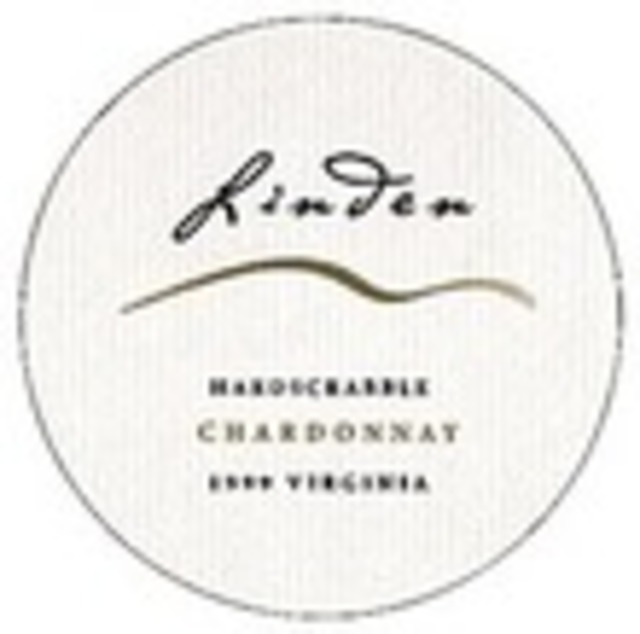
Recognizing as much, Linden does not even offer a viognier on its standard wine roster — a rare decision among Virginia wineries. And there’s no question it’s the right decision. Linden’s 1999 Chardonnay ($20) is all about perfect balance. It is nothing like those oak-bomb, buttery chardonnays that have caused so many wine-drinkers to abandon overblown California chardonnays. Because winemaker Jim Law didn’t put this wine through malolactic fermentation — the scientific cause of creaminess and butteriness, the wine shows scents of green apple as opposed to Land O’Lakes. Although the wine certainly isn’t as lean as a sauvignon blanc, it’s not viscous in the mouth either. And its relatively high acidity has helped this seven-year-old wine drink well long after most American chardonnays should have had their corks popped.