 Washington is no stranger to the submarining of eco-friendly technologies; back in the 1950s, Capital Transit’s extensive and successful District streetcar system was stripped of its license to operate and sold to new owners charged expressly with replacing the electric system with buses. Now a green techology that rose and fell in the 1990s is the subject of new debate in the city, and the Smithsonian is facing public scrutiny over its role in the controversy.
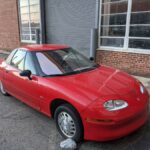
Many environmentalists have shed tears in their ecologically safe beers over the premature demise of General Motors’ EV-1, a mass-produced electric car developed to comply with strict California air standards but dropped suddenly after the Golden State reevaluated its rules (read the whole story in this Post article, from last Friday). GM’s perfunctory dispatch of the program drew wide criticism from environmental groups, who felt the car didn’t get a fair chance to succeed, and who suggested that GM had given in to pressure applied by Big Oil. The story of the revolution that wasn’t will be told in cinemas this summer, in Chris Paine’s documentary “Who Killed the Electric Car?”
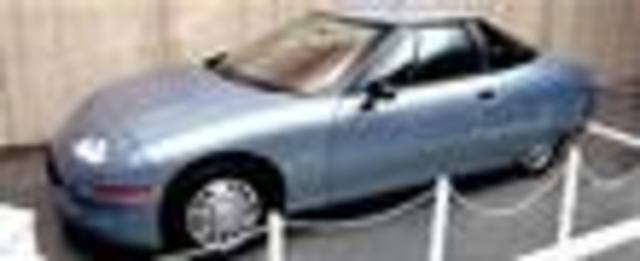
Here’s where the story gets good: according to a number of sources, a Smithsonian display which featured one of the few remaining EV-1s has just recently been removed and will soon be replaced by a new-fangled, driverless SUV. And, it turns out, GM is one of the Smithsonian’s biggest donors. Foul, has been the cry among those who smell conspiracy, though the Institution denies that donors get a say in display content and insists that the car will be displayed again at some future time. Did the Smithsonian attempt to bury the EV-1 to help shield GM from negative, documentary-related press? Or were the Smithsonian powers attempting to boost the documentary’s fortunes by creating the hint of a conspiracy? Or is this all coincidence? Vote in our poll here, and let us know what you think.
Picture from Treehugger via Gizmodo.