Former Editor-in-Chief Ryan Avent writes a weekly column about neighborhood and development issues. He’ll be on vacation for the next two weeks; this column will return on August 19th.
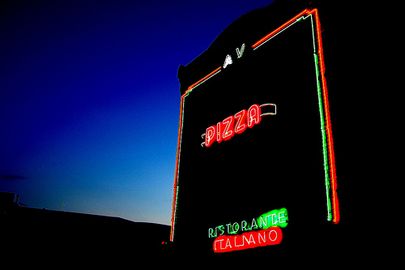 It’s been a hard summer for many loved and local businesses, some of which have been a part of the city’s life for decades. This week, long lines trailed down New York Avenue as customers waited to get a last meal at A.V. Ristorante. In June, downtown diners mourned as the storied Reeves Bakery closed, after failing to negotiate workable lease terms. Before that, Washingtonians seethed at the news that skyrocketing tax assessments would force the Warehouse Theater to close the doors of its music venue and cafe and start looking for a new location. And ten days ago, the Washington Post reported that a handful of other businesses, from Brookland’s Colonel Brooks’ Tavern to Georgetown’s Blues Alley, are under serious pressure from rising property tax bills.
The proximate cause of the heat on businesses is a scorching hot office market in the Washington area and especially inside the District. Strikingly low office vacancy rates have led to a boom in office construction. Even with millions of new square feet in office space expected to come online over the next two years, it’s expected that vacancy rates will tick up only minimally and temporarily, and to levels most other center cities would die for. The hot market radiates outward. Space everywhere in the city has grown more valuable, and commercial space, which could conceivably be turned into lucrative offices, has risen the most and the fastest.
It’s important to realize that rising assessments and property tax bills do play an important role in shaping land use patterns. Such increases force landowners to develop their properties more quickly and more densely. That means that less District land is sitting un- or underused, and it means that lots which are developed are done so in ways that boost transit use and the city’s revenue base, contributing to a more robust city budget. When values and tax bills are rising, surface parking lots and vacant buildings rapidly disappear, and that’s undeniably a good thing for the city.
That, however, is not the entire story. It would be wrong to declare that changes in the city are only due to the workings of the market, and that we should be glad to accept the office boom as it has occurred. Growth in the central business district has taken place within the institutional framework the city provides, and as it turns out, that framework has real and unfortunate effects on the kinds of businesses the city gets–and loses.
Photo by dl004d.