 In England, being named poet laureate is a lot like being named to the U.S. Supreme Court: once there, you’re there for life. More importantly, you’re expected to be the living, breathing embodiment of a tradition, of an institution constructed entirely of words, texts, precedent. And, though you aren’t expected to wear robes when performing your job, you are expected to pen occasional verses on the birth of a royal or on the opening of a shopping mall.
We’re a little easier on our laureates on this side of the pond. First, we don’t call them simply “poet laureates.” Instead, those holding the position are officially referred to as “Poet Laureate Consultant in Poetry to the Library of Congress” (this is D.C., remember: everyone is a consultant). We expect them to serve only for a year, and don’t really require much else of them except that they act as public spokespersons for poetry, or, in the words of the Library of Congress, to serve as “the nation’s official lightning rod for the poetic impulse of Americans. During his or her term, the Poet Laureate seeks to raise the national consciousness to a greater appreciation of the reading and writing of poetry.” No pressure.
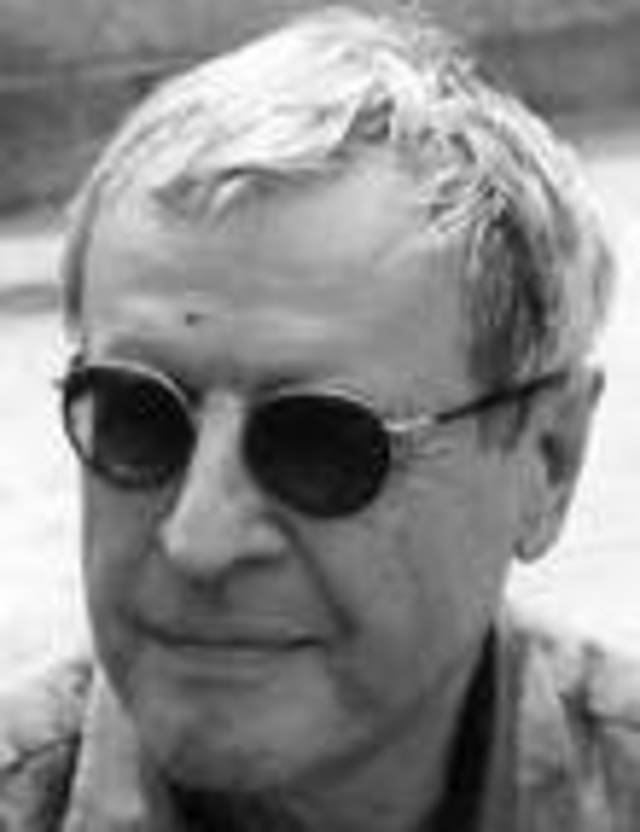
The current laureate, Charles Simic, who’ll be reading his poetry tomorrow night at the Library of Congress, tread a more non-traditional path toward both poetry and the position in general. Born in Yugoslavia, Simic came to the U.S. with his family as a refugee during World War II. In fact, Simic didn’t learn English until he was 15 — amazing given that he’s now one of the public caretakers of the English language. A two-year stint in the Army was followed by a bachelor’s degree from New York University. And then the poetry: 18 volumes in all, including a collection that won him the Pulitzer Prize in 1989. In fact, on the very day last August that his appointment to laureateship was announced, he was also awarded the $100,000 Wallace Stevens Award from the American Academy of Poets.
DCist briefly chatted with Simic about the state of poetry today, and about his own understanding of poetry:
You came to the U.S. at a very young age and didn’t speak English until you were 15 — and now you’re the U.S. Poet Laureate. What do you think that suggests about the American experience and about poetry in general?
I guess the old saying that America is a land of opportunity must be true.