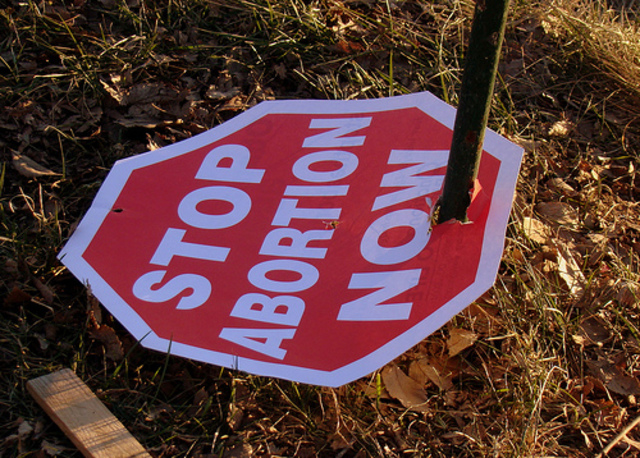
 Photo by qbubbles
Dragged into a special session because it couldn’t close the deal during the normal legislative calendar, the Virginia Senate yesterday passed an $85 billion budget that will fund the commonwealth’s operations over the next two years.
Among the items being funded are several Democratic priorities that have observers expecting the budget will be rejected today by the more conservative state house of representatives.
But in the narrowly split senate, lawmakers agreed on $300 million for construction of the Metrorail Silver Line to Dulles International Airport, $60 million to help Northern Virginia schools stay competitive in an expensive job market and as much as $100 million in bond funding to prevent the imposition of tolls in the Hampton Roads region, the Post reported.
However, one proposal—and a fairly inexpensive one at that—was shot down even though it would have certainly alleviated the ramifications of a recently passed bit of controversy-stoking legislation. In the wake of a law signed into law earlier this month requiring pregnant women considering having an abortion to first undergo an ultrasound, Senate Democrats attempted to allocate $1.5 million to help patients cover the cost of the procedures.
“We are dealing with a mandate,” said Minority Leader Richard L. Saslaw. Although the state senate contains 20 Democrats and 20 Republicans, the presence of Lt. Gov. Bill Bolling gives the GOP an edge.
And ultrasounds are not cheap. In Virginia, the procedures can regularly cost nearly $600 and sometimes as much as $1,200. The amendment, which fell on a vote of 19-20 (one Democrat voted with Republicans, who were absent one member yesterday), would have required the state government or private insurance companies to cover the cost of the mandated ultrasounds.
“This is about the sanctity of human life,” said State Sen. Jeff McWaters, a Virginia Beach Republican.
So Virginia’s emergency budget session became yet another quick proxy fight over whether or not insurance companies should be compelled to pay for reproductive health. But in this instance, the argument comes with the added burden that the state is requiring women to submit to a costly medical procedure.