Martin Austermuhle
 Maryland Gov. Martin O’Malley, center, greets supporters and members of the House of Delegates after the House passed a gay marriage bill in Annapolis, Md., Friday, Feb. 17, 2012. (AP Photo/Patrick Semansky)
After President Obama’s historic announcement (well, evolution) expressing his support for same-sex marriage, activists and advocates wondered how the state-level battles for marriage equality would change. Would Obama’s support empower proponents, or simply embolden opponents? One key state in question was Maryland, which may well end up voting on same-sex marriage this November.
Well, it looks like Obama may have helped marriage equality. According to a poll conducted by Public Policy Polling, 57 percent or Maryland voters now say they’ll vote for same-sex marriage if it makes it to the ballot in November, while only 37 percent will vote against. (Opponents have to gather close to 56,000 signatures by the end of June. Should they fail, same-sex marriage will become legal in January 2013.)
That’s a 12-point shift from a similar poll conducted in March—the split was then 52-44—and certainly above a Baltimore Sun poll from the same month that found support at 49 percent and opposition at 47 percent.
What explains the shift?
The movement over the last two months can be explained almost entirely by a major shift in opinion about same-sex marriage among black voters. Previously 56% said they would vote against the new law with only 39% planning to uphold it. Those numbers have now almost completely flipped, with 55% of African Americans planning to vote for the law and only 36% now opposed.
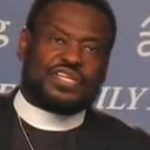
Not much else happened between March and May to really explain the change in attitude other than Obama’s announcement and the NAACP’s recent endorsement of marriage equality. The shift in opinion also seems to deflate a key segment of the opposition, which is led by Democratic African-American pastors in counties around D.C. and Baltimore.
Another interesting outtake of the poll is the passion question. Of those polled, 46 percent said they would vote for same-sex marriage and believed in it strongly; only 36 percent said the same in opposition.
Public Policy Polling surveyed 852 likely voters, including an oversample of 398 African Americans, on behalf of Marylanders for Marriage Equality, a pro-same-sex marriage coalition.