Martin Austermuhle
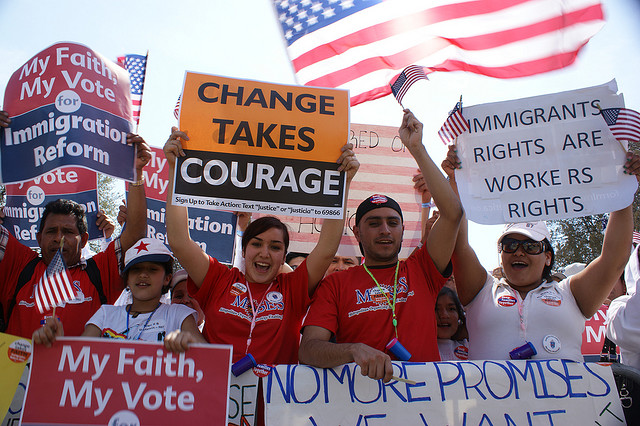 Photo by qbubbles
Prince William County was one of the first jurisdictions in the country that signed up for a program that allowed local police officers to work more closely with federal immigration authorities on checking the immigration status of people they stop or detain, and they’re now blasting a decision to discontinue the program.
The Post reports that county officials are upset that U.S. Immigration and Customs Enforcement decided to limit the program’s applicability to immigrants who have already had run-ins with immigration authorities or are accused of having committed violent crimes. Corey A. Stewart, the chairman of the Prince William Board of County Supervisors and a fervent foe of illegal immigration, blasted the decision, saying that it would lead to a 60 percent decrease in the number of people that are arrested, found to be in he country illegally and deported.
In 2007, the county imposed one of the strictest immigration enforcement policies in the country, allowing police officers to inquire about immigration during arrests if there is probable cause to believe that the suspect is undocumented.
In the first three years that the county’s policy was in effect, some 5,000 immigrants left the county, while 2,000 more were detained and handed over to the federal government. A report by county police in late 2010 reported that the enhanced police powers had led to a “palpable chill” in relations between the Hispanic community and police, and that the policy had “not affected most types of crime in Prince William County.”
Recently the federal government enacted the Secure Communities programs, which connects local and federal immigration databases so that local police forces can check the immigration status of those arrested. While many cities—including D.C.—have said that they won’t inquire as to immigration status when stopping someone (nor will they indefinitely detain a suspected illegal immigrant arrested for a minor crime until federal immigration authorities come to get them), Prince William officials made the practice the centerpiece of their fight against immigration.