Martin Austermuhle
 Photo by Mr. T in DC
When D.C. public schools test their students on an annual basis, you’d expect questions about geometry and reading comprehension. But what about something on how to promote healthy pregnancies? Yep, students got those questions too.
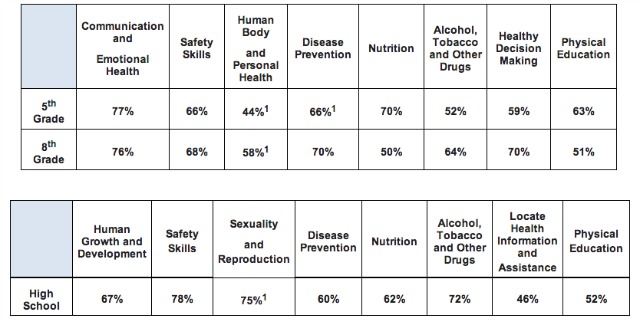
This week the Office of the State Superintendent for Education released the results of the first-ever standardized tests on health and physical education, which were given to 11,000 students in fifth and eighth grade and in high school in public and public charter schools at the same time that they took their annual math and reading tests.
The results? Some 62 percent of students answered questions correctly, putting their proficiency in health and physical education higher than it is in math and reading. (Those scores went up this year, though.)
What type of questions were asked? According to OSSE, questions touched on nutrition, wellness, safety skills, disease prevention, physical education, and healthy decision making. Students were also asked to answer questions on human sexuality, drugs and contraception, though parents were allowed to opt their children out of answering those questions.
Sample questions for fifth graders included how HIV/AIDS is transmitted (touching, sitting behind of sharing drinks with someone that has HIV/AIDS were the wrong answers) and what meal is best for a student that needs to perform well on a test (no, chips and salsa or donuts and a soda don’t count).
For eighth graders, the questions could touch on what to avoid to secure a healthy pregnancy (fast food, cell phones and public transportation were the wrong answer; tobacco was right) and which physical activities are best to improve heart health (aerobics). High schoolers had to answer questions related to daily activities (what should you do to put out an oil fire?) and real-life legal situations (how old do you have to be to buy liquor?).
So how did they do? Not bad in some areas, but there’s plenty of room for improvement in many others. Eighth graders, for example, know less about nutrition than fifth graders, while high schools could have done better on disease prevention questions. Physical education questions seemed vexing to students across grade levels, with only half getting them right on average. (More than a third of D.C. children are overweight.) The full results, presented as the percentage of questions answered correctly, are below.