Martin Austermuhle
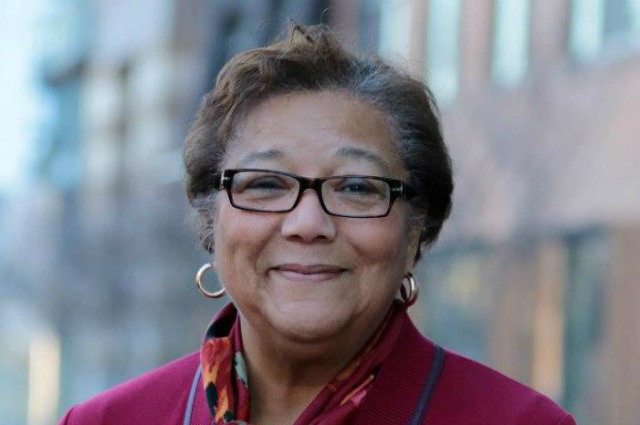
Interim Councilmember Anita Bonds (D-At Large) can drop the “interim” now—she won the April 23 At-Large D.C. Council special election, defeating her five competitors in a low-turnout affair.
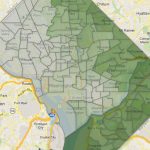
With all 143 precincts reporting, Bonds rode the strength of her performance in wards 4, 5, 7, and 8, taking in 32.35 percent of the citywide vote. In wards 7 and 8, Bonds was virtually unmatched, taking in 78 and 79 percent of the votes, respectively.
It’s quite the rise for the longtime D.C. political operative—it was only in December that the D.C. Democratic State Committee appointed her to the seat on an interim basis, and many critics questioned whether she had the political muscle to pull off a win against an animated group of challengers. With the backing of the majority of the council, Bonds proved she did.
It wasn’t a total blowout, though: Elissa Silverman performed strongly across the wards west of the river, taking in 27.69 percent of the vote. Silverman fell about 2,300 votes short. Republican Patrick Mara largely underperformed, managing only 22.91 percent of the vote. This is the third citywide contest he has lost. Matthew Frumin claimed 11.47 percent, while Paul Zukerberg and Perry Redd attracted support from small slivers of the electorate.
Turnout was low, coming in at 9.86 percent. While there were concerns early in the evening that turnout may be lower than any other citywide contest in D.C. history, the 1997 At-Large Special Election still stands at the bottom with only 7.5 percent turnout. There are still a few thousand absentee and special ballots to be counted, so turnout could inch up a little more. (A 2011 Special Election saw just over 10 percent of voters cast ballots.)
After Bonds, Silverman may be the big winner of the night. A former journalist and policy analyst who ran as a wonky progressive and refused to take any corporate contributions, Silverman performed strongly in wards west of the river. She led in ward 1 and 6, while keeping almost even with Mara in wards 2 and 3.
Mara, on the other hand, took the biggest beating: despite a big campaign war chest and even bigger support from outside groups, the three-time citywide contender failed to perform. He was endorsed four times by the Post, and also gained the backing of the Examiner and Current.
With Frumin’s performance, the question of vote-splitting again comes up. Much like last April’s split between Sekou Biddle and Peter Shapiro that allowed Councilmember Vincent Orange (D-At Large) to sneak to victory, Silverman supporters argue that had Frumin dropped out when Silverman asked him too, she could have defeated Bonds alone. Though it’s impossible to say how Frumin’s supporters would have voted, even half of them switching to Silverman would have been decisive.
Regardless of what happened with this election, we can all look forward to this: this same seat is up for re-election next year, so we’ve got less than a year until Bonds faces a Democratic primary.