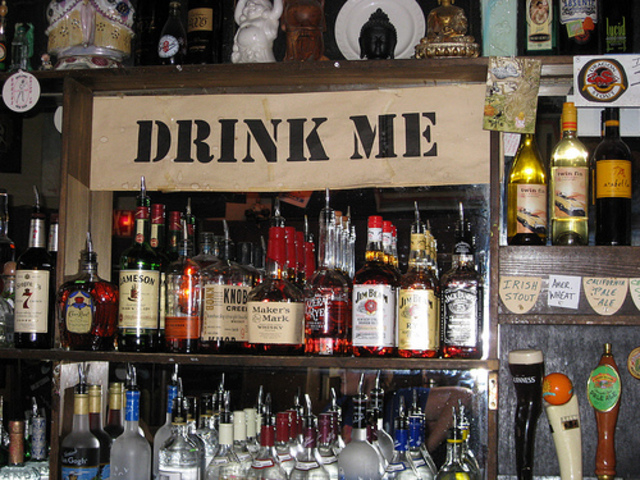
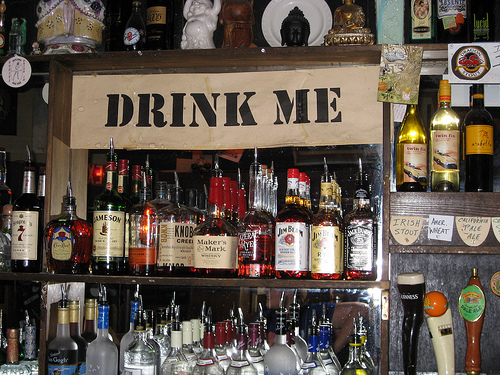
 Photo by poppyott
Those on U Street NW who want more booze and want it now will no longer have to face the threat of a proposed liquor license moratorium. Today, the Alcoholic Beverage Control Board denied a proposal for a moratorium on the issuance of liquor licenses in the U Street area.
Earlier today, ABRA issued their decision at the Frank D. Reeves Municipal Center on 14th and U Streets NW in a unanimous 5-0 vote. The moratorium was being pushed by members of the Shaw Dupont Citizens Alliance, who feel that the nightlife around U Street—which features many bars and restaurants, and many more on the way—has caused an increase in trash and crime along the U Street Corridor.
According to a press release, ABRA “determined the moratorium is not in the public’s interest after carefully considering public input and evaluating various standards for issuing a moratorium.” The petition filed by the SDCA requested a “five-year moratorium on the issuance of new liquor licenses in an area extending 1,800 feet in radius from Ben’s Next Door located at 1211 U St., NW.” Additionally, the SDCA’s petition requested that the Board:
- Prohibit the issuance of all new alcoholic beverage licenses, except licenses to sell beer and wine (class B) at full service grocery stores;
- Prohibit the transfer of licenses into the moratorium zone;
- Place a cap on the number of nightclub licenses at zero;
- Place a cap on the number of tavern licenses at ten; and
- Prohibit the expansion of existing licensees into adjoining spaces, properties or lots.
But apparently the SDCA was alone in this complaint. Last April, three different ANCs—1B, 6E, and 2F—voted overwhelmingly against the moratorium, arguing that it “would stifle the area’s vibrancy.” Evidently, ABRA agrees, saying that “data collected…shows the 14th and U St. corridor has undergone a revival. Property values are appreciating, the violent crime rate has decreased, and residents and businesses alike are being attracted to the area. There was no evidence that additional ABC-licensed establishments will have an adverse effect on the neighborhood.”
Request for comment from the SDCA has yet to be returned.