 Rachel Sadon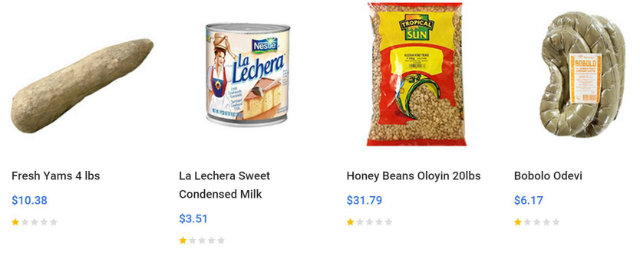
 Via Deeskus.
When Adeniyi Olutayo was coming to the United States on a business trip a few months ago, his stateside family and friends clamored for him to haul groceries back from Nigeria. Things that were common in stores at home had become precious luxuries.
The head of the Nultan Group, a multinational technology and e-commerce company, Olutayo saw an untapped market, and a way to keep spices out of his suitcases. Thus, Deeskus—the Instacart of traditional African, Caribbean, and Latin American foods—was born.
Olutayo turned to Mabel Imala to make it all happen in January. The Howard University MBA graduate and CEO of Nultan USA, which is based in Manassas, pulled it together in just seven months. On July 1, Deeskus officially opened its digital doors for business.
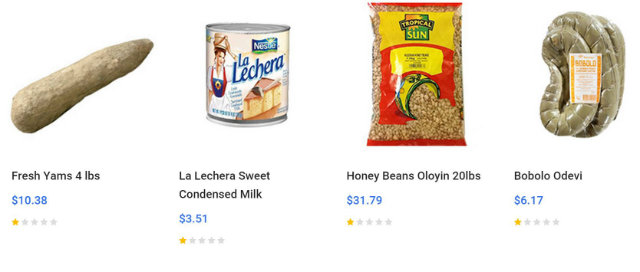
The website features more than 500 products—cassava flour, utazi leaves, and banderitas, among them. All orders over $30 ship for free anywhere in the U.S. (this has made at least one man in Alaska very happy, according to Imala.) Meanwhile, customers in Maryland, D.C., and Virginia are eligible for same-day service.
“For people who live in areas where there aren’t traditional African stores, this is a revolutionary thing for them,” Imala says, adding that people in Europe and Australia have already been trying to order off the site, too.
Like Instacart, Deeskus has partnered with local stores for their inventory. They’ve started with five D.C.-area African, Caribbean, and Latino specialty shops, but plan to expand across the country to better serve their customers elsewhere. When an order comes in, Deeskus determines which business to direct it to. The store either ships it to the customer or a driver comes to pick it up and bring it directly to them.
Among their most sought-after items in the first few weeks are palm oil and bobolo odevi, a cassava stick particularly popular in Cameroonian cuisine. For now, though, only people in D.C., Maryland, and Virginia can order it, since Deeskus doesn’t yet ship perishable items (Imala says they are working on it.)
With burgeoning Latin American and Caribbean communities and more than 1.6 million African immigrants in the U.S., they believe they won’t want for customers left out by the online grocery revolution. It’s a concept they are familiar with: they’re the same people behind the “Netflix of African movies,” TVNolly.