 Rachel Sadon
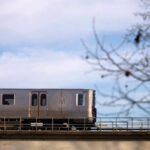
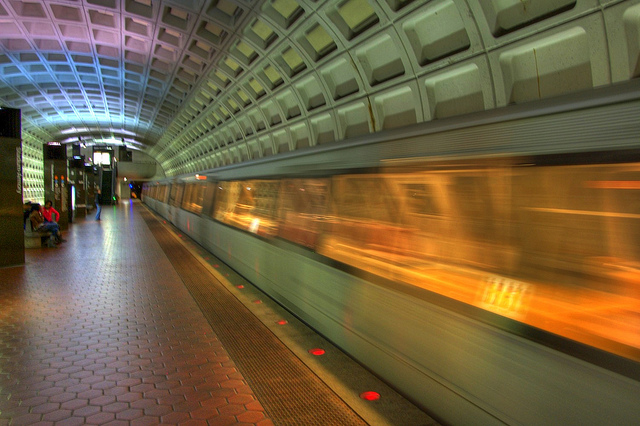 Photo by Chris Tank.
In the wake of a transformer fire that destroyed a power substation last week, Metro announced that Silver and Orange line trains will no longer stop at the Stadium-Armory station during rush hour.
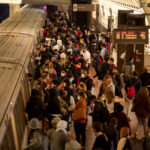
Metro already implemented speed and capacity restrictions around the station to avoid overloading the system—causing delays and congestion on the lines. To ease the issues, Metro announced last week that it would reduce the headway between trains from every six minutes to every 8 minutes until the new substation is up and running. All of the restrictions are slated to remain in effect until the substation is rebuilt, which a spokesman said will take at least six months.
And starting Tuesday, Orange and Silver line trains will be skipping Stadium Armory altogether from opening until 10 a.m. and between 2 p.m. and 7:30 p.m. on weekdays. Metro will run free shuttle buses between Stadium-Armory and Minnesota Avenue during those hours, and Blue line trains will continue to stop at the station.
“While the impact of this change is limited to one station, the benefit will be realized by tens of thousands of riders,” Metro said in a statement about the “skip stop” plan.
Metro has also said it is increasing the number of eight-car trains running on the Orange and Blue lines to ease congestion. But a recent analysis done by MetroMinder found that the transit agency has already been failing to meet its goal of running eight-car trains 35 percent of the time during peak periods, WAMU reported. Summtertime maintenance work and troubles with the unreliable 4000-series had been blamed for much of the problem, but that work has been completed. From WAMU:
“Starting on Sept. 14, the first Monday following the completion of the summer railcar maintenance program, Metro failed each weekday through Sept. 24 to reach the system-wide goal of 35 percent eight-car trains. The end of that stretch included the two days of Pope Francis’ visit…
Sept. 14 saw a system-wide average of 17 percent eight-car trains, about half as many that are needed for full capacity. The Blue Line had 40 percent eight-car trains, Orange 29 percent, and Red only 22 percent. On the following day, Tuesday, Sept. 15, each of these percentages slipped to a system-wide average of 10 percent eight-car trains.”