The classic cocktail revival owes a lot to the craft beer movement that preceded it. More than a decade ago home brewers introduced Americans to an artisanal approach to selecting fine ingredients and making high-quality beverages in small batches. As our beer tastes began to trend toward the stronger and more bitter ales, our tolerance for high-proof and bitter cocktails also increased. While mixing cocktails and home brewing share a similar D.I.Y. appeal, they have been on separate trajectories when it comes to production. Cocktails are best enjoyed fresh and cold mere moments after their careful preparation, but the bottling of beer gives brewers’ the luxury of preserving the fruits of their labors for future celebrations.
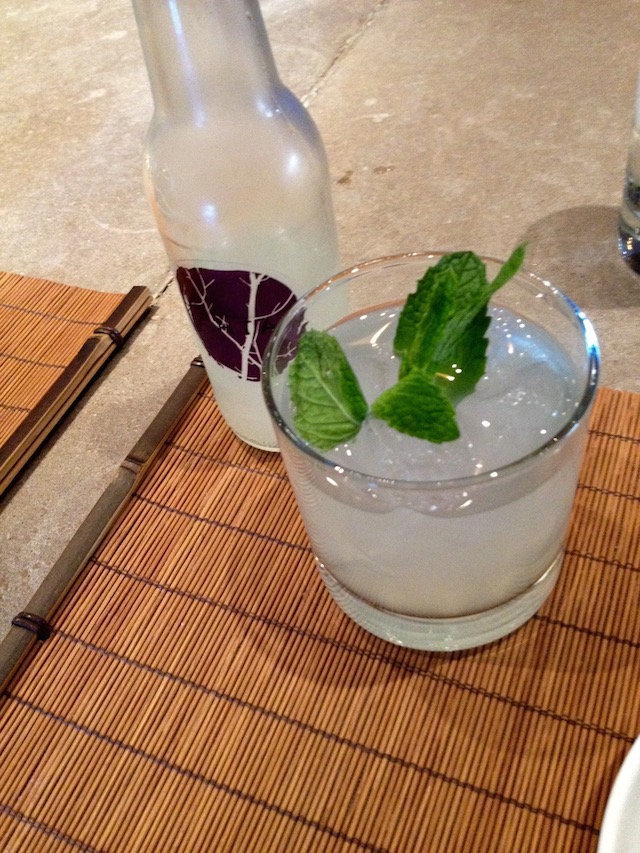
The bottled cocktail trend sweeping D.C. is a point of intersection between home brewing and mixology. “The nostalgia of the bottle and the pleasure of giving it to friends to open is a satisfaction that any home brewer can relate to,” says Matthew Allred, beverage manager at Zentan (1155 14th Street NW). Allred is debuting a bottled cocktail called the Thomas Circle Fizz that he describes as “the streamlined answer to the craft cocktail movement.” He says it’s based on the classic Southside Fizz without the need for muddling mint and making the drink to order.
Allred takes me through the labor-intensive bottling process for making this drink, beginning with blanching mint in boiling water to make the mint syrup. Then Japanese soju, club soda and lime juice are combined and further carbonated before bottling. The batches are very small, producing only eight bottles a day that must be used or discarded. The result is a dry, fresh and effervescent cocktail that Allred says “makes for speedy service during lunch.”
What are the advantages of the bottled cocktail trend? Allred says it all amounts to efficiency behind the bar: “Instead of making a ten-step drink, you can open a bottle. I don’t want to see a robot take over my job, but some drinks shouldn’t take five minutes to make.” There’s also the cuteness factor for the consumer. Allred describes the trend as “fitting the niche of being fun and quirky.” But not all cocktails are ideal for bottling. Fresh juice and dairy ingredients will spoil in time, so liquor-forward cocktails work best.
Soi 38 (2101 L Street NW) has been making a strong Thai Manhattan with Rittenhouse rye, pu’ erh tea infused sweet vermouth and Thai chili bitters. It’s stiff, served up or on a large ice cube, with an interesting interplay of rye and chili spice. They’ve also added a bottled Matcha Tea Old Fashioned with Four Roses bourbon that’s sweeter and not at all bitter from the tea infusion. I was very impressed with the Pretty Little Lime, a bottled dry gin drink similar to a Martini but with kaffir lime-infused white vermouth. All of these cocktails are large pours and well-worth the $13 dollar price tag.
Station Kitchen and Cocktail (2015 Massachusetts Avenue NW) has really embraced the bottled cocktail trend with four $12-dollar unaged spirit drinks. And you can see why: when the Embassy Row hotel bar gets really busy, these cocktails are poured as fast as beers. I tried Martin’s Son, an apricot brandy, Dolin sweet vermouth cocktail that is very similar to the classic Darb cocktail. My first impression was that this cocktail demonstrates what quality apricot brandy does for an old tom gin drink. It’s rich but not too sweet, and very strong. I also liked the White Negroni made with Dolin blanc and Cocchi Americano, but don’t expect it to have the bitterness of the Campari version. They have a kaffir lime Apple Martini and a Hendricks and rosemary honey syrup concoction named the Most Peculiar Steed that also sounds appealing.
As far as I know there are no bottled cocktails that are blue, but you can bottle the Charmer at home and keep it for weeks before drinking it. Just combine the following ingredients in a well-cleaned jar or sealable bottle and serve it chilled:
• 1 1/2 oz. scotch
• 1/2 oz. dry vermouth
• 1/2 oz. blue curacao
• several dashes orange bitters