Rachel Kurzius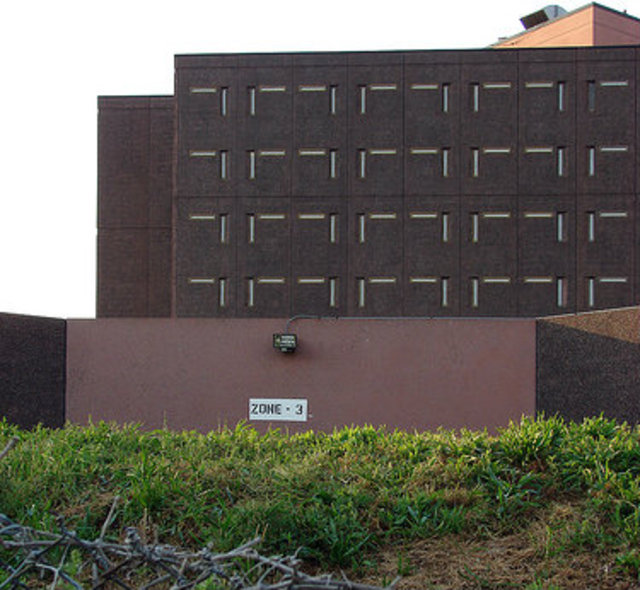
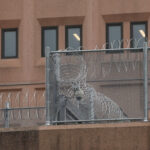
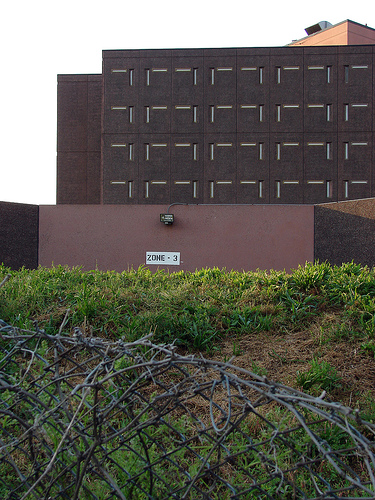 Photo by AlbinoFlea
There’s wide agreement amid Mayor Muriel Bowser’s administration, members of the D.C. Council, the prison guards’ union, and inmate advocates that D.C. needs a new jail. The real questions are how to pay for it and where it will go.
The heat wave, which has led to elevated temperatures in D.C. Jail, prompted the current conversation over the building. One inmate, 70-year-old Lester Irby, died (though D.C. Department of Corrections said “no reason to believe that there is a correlation between elevated temperatures and this inmate’s death”) and nearly 200 others have been relocated due to poor air circulation.
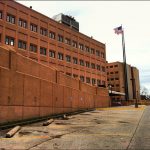
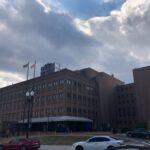
A segment on The Kojo Nnamdi Show dedicated to the jail found consensus about the current 40-year-old correctional facility, which Judiciary Chair Kenyan McDuffie called “outdated, inefficient and ill-conceived.”
Deputy Mayor for Public Safety Kevin Donahue said that the city “deployed all the resources we have” upon learning that temperature readings from the cell blocks were in excess of 85 degrees. The problem, he said, was not the air conditioning itself, but the old ventilation system that distributes the air throughout the building.
Heat is not a new problem for inmates during the summer months. A caller named Andrew, who identified as an inmate from April to July of 2011, described “unacceptable conditions” during his time, and said he was “sad to hear it’s still going on.”
Deborah Golden, the director of the DC Prisoners’ Project said that the problem is getting worse. “It’s been miserable,” she said. “Families are very scared.”
Her organization, the Washington Lawyers’ Committee, came out with a report last year detailing the jail’s flaws, including “active infestation of vermin/pests,” crumbling infrastructure, mold growth, and a leaking roof.
The jail “is not well designed for the kind of programming we need,” said Donahue, citing rehabilitation and job training programs and “space for robust mental health services.” However, he said “we don’t need a jail as big as the one we have now.”
There are some indications that the legalization of cannabis may have contributed to the need for a smaller facility, Golden said, though she said the numbers required further analysis.
Donahue said the price tag for a new facility could range between $400 and $500 million, and the Bowser administration is currently looking into financing.
McDuffie said that it was the administration’s job to name a location, though he wouldn’t be opposed to rebuilding on the current site in Ward 7. The Public Safety Facilities Master Plan, published last year, recommended a $1.1 billion justice center in Blue Plains that would include a jail, police headquarters and training, and administrative offices.
McDuffie allocated $5 million in the budget towards the design of a new facility, and this May, D.C. issued a solicitation for guidelines for the proposed jail.
Golden wants the conversation about a new jail broadened to look at wider criminal justice policies in the District. “Are we really locking up the people we need to lock up for the promotion of public safety?” she asked.