 Photo by Matt Cohen.
This post has been updated to include an announcement that D.C. will release the body-worn camera footage and name of one officer involved in the fatal shooting of Terrence Sterling.
A D.C. police officer, who shot a man in Petworth, is under investigation after failing to turn on a body-worn camera, NBC 4 reports.
The case involves the shooting of 22-year-old Marc Jeffers on September 7. According to a police report, a citizen alerted an officer that Jeffers was walking on Georgia Ave. NW and firing a handgun. The officer approached him, issuing verbal commands to drop his weapon.
When he continued walking and shooting, the officer shot Jeffers. He was transported to a hospital and charged with assault with a dangerous weapon, carrying a pistol without a license, unlawful possession of a firearm, discharging a firearm, possession of an unregistered weapon and ammunition, and possession of a prohibited weapon.
This comes amid protests over the death of Terrence Sterling, who was fatally shot by an officer after his motorcycle collided into a police cruiser on September 11. The officer in Sterling’s case did not turn on his body-worn camera until after the shooting, and there are conflicting witness reports over whether Sterling intentionally drove his bike into the officer’s car.
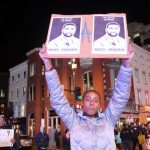
Activists, who protested yesterday to demand transparency, called last week for D.C. Police to reveal the names and terminate the employment of officers involved in Sterling’s shooting. “In a violation of protocol, the officers disobeyed orders to not pursue Terrence and turned off their body cameras before shooting and killing him,” a statement from the D.C. chapter of BYP 100 reads.
While Mayor Muriel Bowser and MPD previously said they wouldn’t release the officers’ names out of concern for their safety, Deputy Mayor Kevin Donahue announced today that D.C. will release the body-worn camera footage, as well as the name of one officer involved in the shooting.
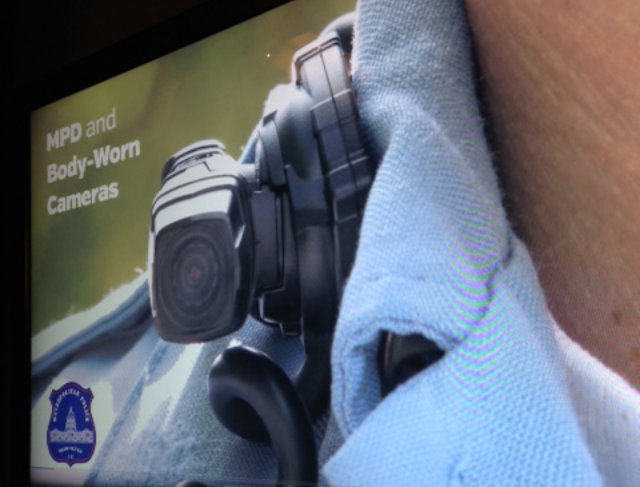
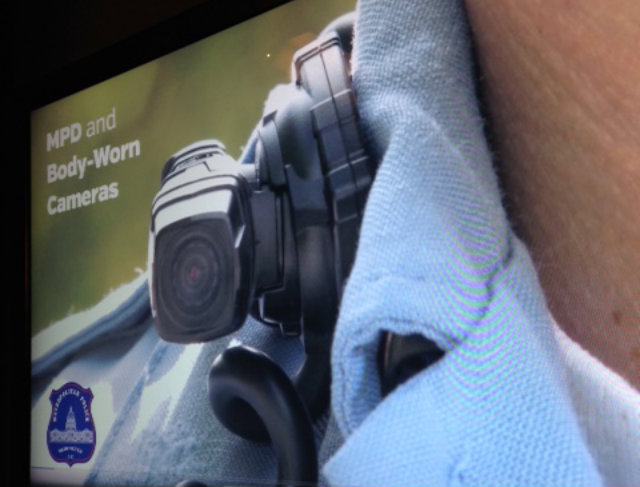
It’s always been policy for officers to turn on their body cameras before interacting with a member of the public, however, Bowser updated the guidelines four days after the officer fatally shot Sterling. Now, dispatchers are required to remind officers to activate their body worn cameras. In return, officers have to confirm to dispatchers that they’ve activated their cameras whenever they respond to a call or interact with members of the public.
Matthew Mahl, chairman of the D,C, Police Union, told NBC 4 that he believes officers don’t intentionally keep the cameras off. “We have to build that muscle memory, the officers need to be trained to [turn] that body camera on as soon as they’re interacting with the public,” he said, noting that some situations are “fluid.”
Earlier this month, Interim Police Chief Peter Newsham said that there are 10 cases under investigation in which officers were not recording incidents as required under the policy.