Rachel Kurzius
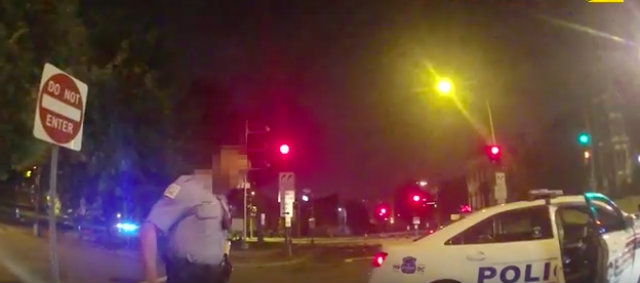 Screenshot from MPD body-worn camera video.
The U.S. Attorney’s Office has opened a grand jury investigation into the death of Terrence Sterling, who was fatally shot by D.C. police officer Brian Trainer, Fox 5 reports.
Reporter Paul Wagner says witnesses of the September 11 incident have received a summons to appear before a grand jury in the next two weeks.
The U.S. Attorney’s Office does not comment on grand jury matters, says spokesperson William Miller, who confirmed that USAO “is now working with MPD’s Internal Affairs Division on an investigation into the September 11, 2016 death of Mr. Terrence Sterling.”
We’ve reached out to the Sterling family’s lawyer and will update when we hear back. The office of Jason Downs provided a statement to Fox 5 that said, “The Sterling family is cautiously optimistic that the United States Attorney’s Office is conducting a grand jury investigation into the homicide of their loved one. The family seeks justice and is hopeful that the prosecutor’s conduct a thorough and fair investigation.”
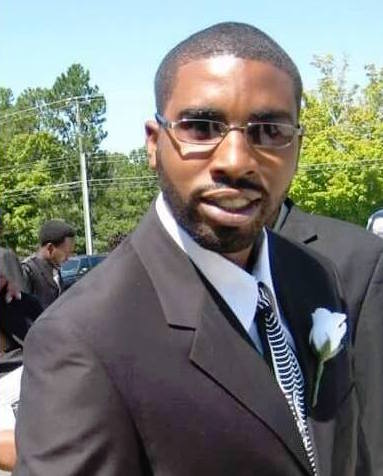 Terrence Sterling. (Image via Twitter)
D.C. Police say Sterling intentionally drove his motorcycle into the passenger door of a police cruiser following reports of reckless driving around Mount Vernon Square, but witnesses give a different account.
Kandace Simms told Fox 5 that “the motorcycle was trying to speed off and drive away, but he couldn’t because he was kind of caught in between the sidewalk at the curb and the police car. So the police were trying to open the passenger side door and he couldn’t because the motorcycle was right there, and I guess when he couldn’t open the door, he rolled down his window and shot twice.”
D.C’s expansive police body-worn camera program exists to clear up what occurred in instances like this one, but the officer’s camera was not recording. (Since then, the policy was changed to require that dispatchers remind officers to turn their cameras on before an interaction and officers must confirm that they have done so.)
City officials released footage from the aftermath and Trainer’s name at the end of September.
Mayor Muriel Bowser said she deemed it to “be in the public interest and consistent with the goals” of D.C.’s body-worn camera program “to create broader accountability between law enforcement and communities, and to maintain open and transparent government,” according to a release. The D.C. Police Union called the decision “reckless.”
The graphic video depicts Sterling laying on the ground, bleeding. While one officer performs CPR, another screams, “Keep breathing, look at me!” Sterling died after being transported to a local hospital.
Trainer was placed on administrative leave, as was a second officer—the driver of the police cruiser who allegedly broke police protocol by using the vehicle as a barricade.
The Office of the D.C. Medical Examiner ruled the death of 31-year-old Sterling a homicide, which means that his death was caused by another person but doesn’t amount to a legal charge.
A grand jury does not determine whether a person is innocent or guilty of a crime, but instead whether there is enough evidence to bring charges. In D.C., grand jury service takes five consecutive weeks.
Because the process just involves one side—the prosecutor’s—grand juries are so easy to persuade that they would “indict a ham sandwich,” as the popular saying goes. Of the 162,000 federal cases that U.S. attorneys prosecuted in 2010, grand juries brought an indictment in all but 11, according to 538.
A New York Times investigation found one exception to this rule—police-involved fatality cases. In 2015, California became the first state to ban grand juries from deciding whether or not a law enforcement officer should face charges, following the lack of indictments in the deaths of Michael Brown and Eric Garner.
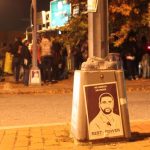
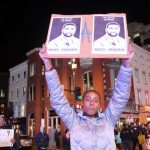
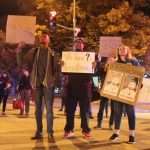
Activists have protested in the streets demanding answers about Sterling’s death and calling for the firing of Trainer, a four-year veteran of MPD.