 Rachel Sadon
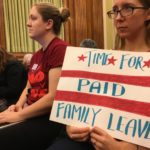
 (Photo by javajanie)
After many months of back and forth, a law to guarantee paid family and medical leave is now almost certain to go into effect.
Mayor Muriel Bowser had said she wouldn’t add her signature to the Universal Paid Leave Amendment Act, and she stuck by her resolution. But by returning the legislation to the D.C. Council unsigned yesterday—rather than issuing a veto—it will move forward. The next step is a 30-day congressional review period.
The law, which passed on a 9-4 vote in December, entitles nearly all D.C. workers to eight weeks of parental leave, six weeks to care for an ailing family member, and two weeks in the event of a personal illness. It will be paid for by a .62 percent payroll tax, and the program will be implemented by the local government.
In sending the legislation back to Chairman Phil Mendelson sans signature, Bowser reiterated her longstanding opposition, listing out a litany of concerns: the price tag, the new tax, the creation of a new city agency, and the timeline. But if she vetoed the bill, nine councilmembers could (and very likely would) override it.
“While this legislation will advance without my signature, my Administration will look to our partners on the Council to provide ways to overcome the very significant deficiencies,” Bowser wrote.
Activists and the councilmembers who introduced the bill cheered the move.
“Today, thousands of D.C. families and businesses are now one step closer to the dignity and peace of mind that comes with paid leave insurance,” said Joanna Blotner, who managed the DC Paid Family Leave Campaign.
“I’m happy for the many people who shared very personal stories with me—often heartbreaking stories—about choosing between caring for a loved one or keeping a paycheck,” said At-large Councilmember Elissa Silverman in a statement. “This program will help them weather the critical life events when they need help the most. It also helps our employers, especially our small businesses, provide this important benefit.”
The bill, as with all D.C. legislation, now heads to the Hill for a 30-day review period. While Congressional Republicans have expressed a flurry of interest in meddling in D.C. laws recently, there hasn’t been indication that the paid family leave law will face opposition from federal lawmakers.
If it passes, the city will join California, Rhode Island, New Jersey, and New York in enacting paid family and medical leave laws—though the District’s is among the most generous.
“It will mean access to paid leave in D.C. will no longer be a privilege reserved largely for white-collar workers,” said Debra Ness, the president of the National Partnership for Women & Families.
Bower Letter on paid leave by RachelSadon on Scribd