Absinthe is probably the most misunderstood spirit in existence. Due to a national ban and a perception that it causes hallucinations, no other form of alcohol, not even tequila, has the air of danger and subversiveness that absinthe both enjoys and suffers from.
Several D.C. bars tried to change the perception of absinthe when the 95-year ban on wormwood spirits was lifted in 2007. Some have vanished, others hang on to a few select bottles, and still more are trying to challenge the stigma, one cocktail at a time.
Chantal Tseng, the creative mind behind the Petworth Citizen’s Reading Room (829 Upshur St. NW) literary cocktail program says that absinthe is “sort of an acquired taste if you don’t like that pesky licorice flavor.” She and her bar collaborator, Dan Searing, have started a Fifth Column Thursday series that aims to educate drinkers in the joys of absinthe.
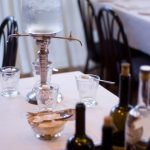
On only the fifth Thursday of the month they break out an absinthe fountain and offer a selection of at least half a dozen absinthes from Europe and America.
“Its fun for people like Dan and myself,” says Tseng. “We get excited about it.”
The idea came about when she, Searing, and Carlie Steiner, beverage director at Himitsu (828 Upshur St. NW), divided between them the Thursdays of the month to work special events in the Reading Room. But some months (like this August 31) have five Thursdays. The name Fifth Column, a term for rebel resisters and saboteurs, suggested itself with a liquor as notorious as absinthe.
Absinthe was banned in 1912 because of a public health concern over spirits flavored with the artemisia family of plants, like wormwood, that contained thujone, the chemical known for its hallucinogenic properties. But according to Brian Robinson of the Wormwood Society, the ban was never lifted exactly— only reinterpreted. Thujone levels could remain beneath a certain threshold (10 ppm, or about 10 mg/L) and most traditional absinthes were well below it, even those produced prior to the prohibition. This means that real absinthe is indeed legal in the U.S.
Tseng says that the ban in the U.S. and Europe came from such disparate interests like the competing wine industry and temperance groups, which lobbied against absinthe makers and drinkers.
“They talked a lot about how bad it was for you, when actually products made with plants can often be somewhat healthy and natural when consumed in moderate doses. Alcohol is good for de-stressing you,” says Tseng.
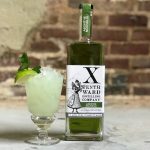
The truth is that thujone is not hallucinatory at all. Absinthe is safe and enjoyable to drink. And slight differences in the production of absinthe have different flavors and textures that determine how it reacts with water. A traditional French absinthe will have a heavy anise seed presence. Brandy-based absinthes like St. George from Colorado are a darker green color, while Corsair Red from Tennessee uses hibiscus blossoms to flavor and color their milder anise grain-based absinthe.
The proper absinthe service is a cocktail—spirits, sugar and water—which when combined becomes cloudy.
“It’s high proof in the first place—from 90 to 140 proof—because the herbs only stay intact in a high proof spirit,” says Tseng. “Watering it down, the herbs precipitate out and make it more pleasant to drink,” she says, analogizing the absinthe cocktail to unzipping a condensed file downloaded from the internet. A large fountain like the one in the Reading Room can slowly dissolve sugar cubes placed over four glasses.
An absinthe program like the one in Petworth is a rarity, and bars devoted to absinthe service are few in D.C.
The Libertine in Adams Morgan was once regarded as an excellent absinthe bar before it closed last year. In it’s place, the beer bar The Black Squirrel (2427 18th St. NW) literally carries forward the absinthe torch on 18th Street. Bartenders use a slotted spoon on which an absinthe soaked sugar cube is ignited and stirred into the cocktail known as The Green Fairy. Try it with sharply herbal Pernod superior blanc or the smooth St. George brandy based absinthe vert. The same service is available at Denson Liquor Bar, (600 F St. NW) where the Green Fairy equipage and fire are especially brilliant in the dark speakeasy environs.
The future of absinthe is in mixing it into cocktails that, unlike Sazaracs and Green Fairies, are light and refreshing.
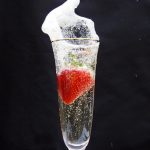
One such modern concoction is on happy hour for $8 at The Bird (1337 11th St. NW). It’s called Dead Before Dawn, a take on the sparkling wine and absinthe drink, Death In The Afternoon. This dainty drink packs a punch with Swiss Kubler absinthe, which clocks in at 106 proof, grapefruit liquor, and blanc vermouth. And with citrus juices and sparkling wine, it is dangerously slammable.
Wisdom (1432 Pennsylvania Ave. SE) has a selection of six excellent absinthes, though their fountain is now retired. The Captain Jack’s Green Sparrow is a coconut rum, coffee and Pernod coupe drink that swings more tropical than many absinthe drinks.
The Gibson (2009 14th St. NW) has a frosty crushed ice cocktail on their seasonal menu that plays up absinthe’s herbal notes with cumin and coriander in aquavit, and a good gob of yellow Chartreuse to lend it a honeyed finish. The Gibson bar team calls it the 1 900 Drunk Text because its strength and sipability are likely to impair one’s judgment.
Crushed ice and herbal flavors are key to the Doctor Funk, a potent rum and absinthe cocktail from the Caribbean islands. Herbsaint, as seen in the recipe, is a corruption of the word absinthe and also refers to an absinthe substitute. Feel free to use a readily available brand.
• 2 ½ oz. dark pot still rum
• ½ oz. lemon juice
• ½ oz. lime juice
• ½ oz. molasses or brown sugar
• ¼ oz. grenadine
• ¼ oz. Herbsaint or absinthe
• club soda
Shake all ingredients on ice and strain into a double Old Fashioned glass full of crushed ice. Top with more crushed ice and soda, and garnish with a pineapple leaf.