Rachel Kurzius
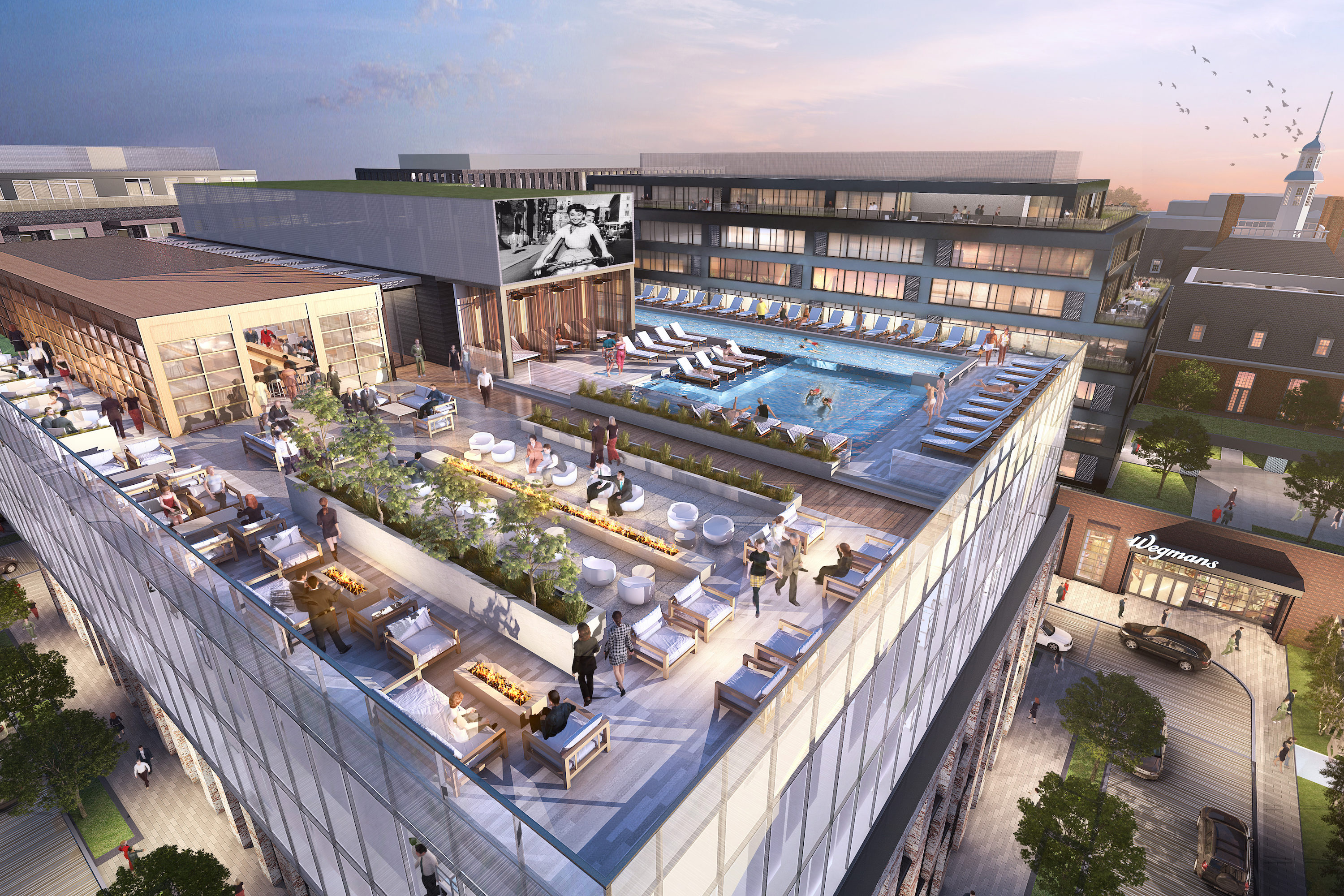

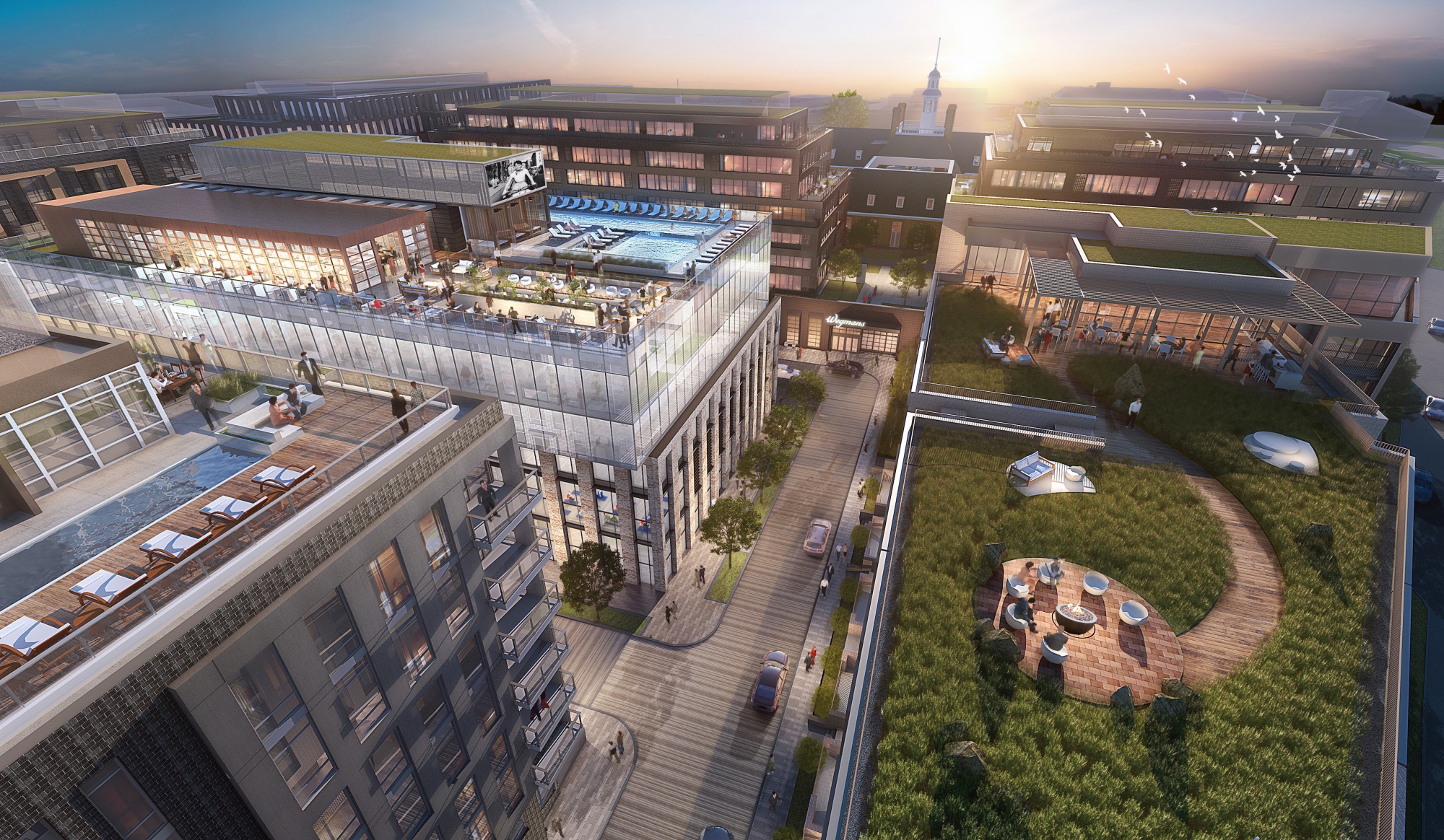

Regional grocery chain Wegmans has some intense fans, who’ve been thrilled with the store’s forthcoming debut in D.C. at what was once the headquarters of Fannie Mae. Now, there’s a name for the development on 3900 Wisconsin Avenue NW where the grocer will call home—City Ridge—and a quickly approaching date for the groundbreaking: December 1.
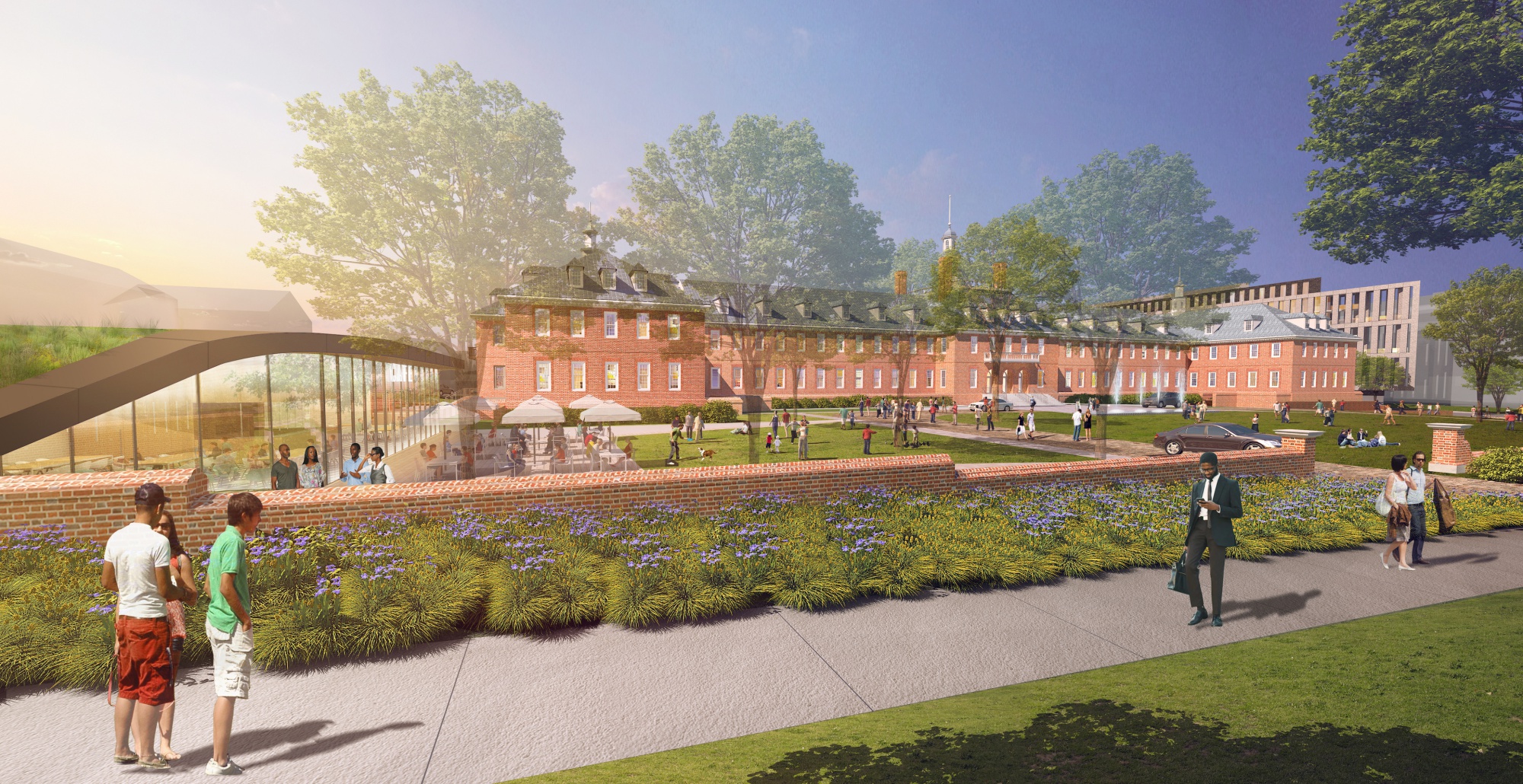
Roadside Development, which is helming the project, calls City Ridge an “urban village” with a total of eight new buildings alongside the original Fannie Mae headquarters. In addition to the Wegmans, the development will have 652 residential units (including approximately 55 units of affordable housing), 153,000 square feet of retail space, 62,000 square feet of office space, a 150-room hotel, a health club, and a cultural arts venue on the front lawn, according to Roadside Development founding partner Richard Lake.
“The front lawn has been closed off to the neighborhood since 1956,” says Lake. “We’re going to bring it back into the fabric of Wisconsin Ave.”
Lake says his group is also in talks with local restauranteurs who “have always wanted to come up to this part of the world but were looking for the right venue,” though declined to name them, saying he’d identify them closer to the time when City Ridge opens its doors.
After the groundbreaking, Lake expects the first phase of opening, which will include the Wegmans and some other retail, to occur within 36-38 months, meaning a ribbon-cutting in late 2021 or early 2022. The first residential openings will happen a few months after that, and the village will open sequentially after that. He expects all of City Ridge to be open within four and a half years of groundbreaking.
The total budget for the project is $650 million, including the $90 million it took to acquire the property, says Lake. The colonial building was inspired by Williamsburg’s Governor’s Palace when it was built in the late 1950s, and when Fannie Mae moved into the four-story building in the 1970s, a senior Department of Housing and Urban Development official said that it was “what Versailles would have looked like if the French king had more money.”
Since purchasing the site in November 2016, Roadside Development has engaged with the community to get their sense of what they wanted the historic building to become.
Ward 3 Councilmember Mary Cheh, who represents the area that’ll become City Ridge, says that Roadside Development’s “approach and their willingness to be open to ideas and concerns is a model for developers.” She sees the new project filling a void.
“That part of Wisconsin Ave is pretty dead,” says Cheh. “You’ve got Cathedral Commons a bit to the south and Tenleytown stores to the north, but that stretch there, I wouldn’t quite say it’s a dead zone, but it could use a little enlivening and I think this will do it.”
As for the name, City Ridge, Lake says it comes from the site’s history as a ridgeline, which migratory animals used as a path. Plus, to put it simply, “it’s really a ridge overlooking the city,” he says.
But he says that this is no National Landing—Roadside Development isn’t trying to rechristen a mix of neighborhoods like McLean Gardens and Tenleytown with the name City Ridge. “We’re not presuming that we would name the neighborhood,” says Lake. ‘We’re just naming our piece of the neighborhood.”
That’s Cheh’s understanding too. Plus, she adds, “it sounds better than Fannie Mae.”