 Mikaela Lefrak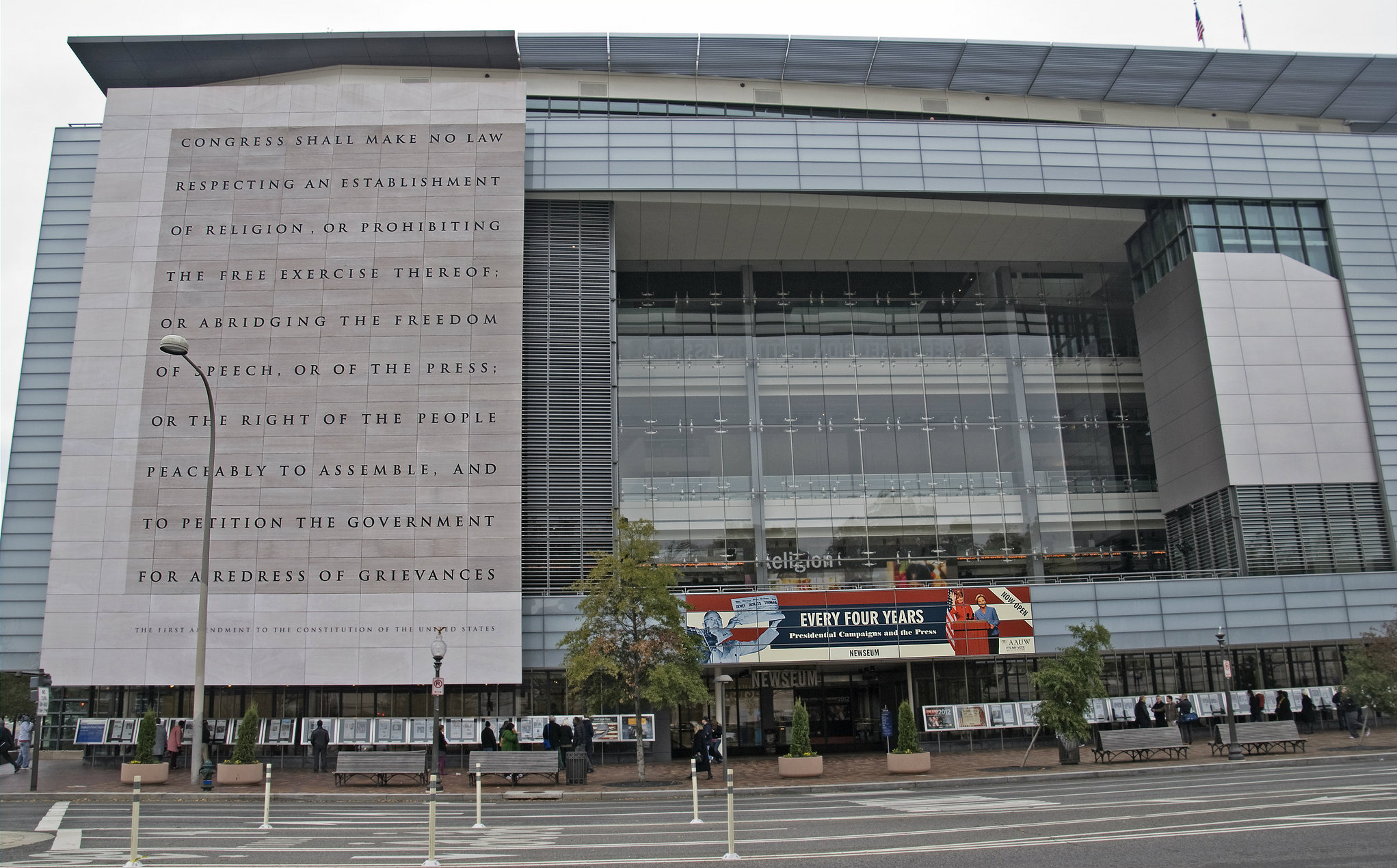
The Newseum has opened a new installation about the deadly shooting that took place in Annapolis’s Capital Gazette newsroom in June.
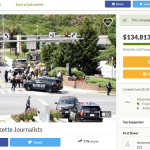
“Behind the News: A Deadly Attack on a Community Newspaper” looks at the attack that left five people dead, as well as the newsroom’s decision to publish an edition of The Capital the day after the tragedy.
“These people were community journalists. They were covering the Maryland state house. They were covering high school football and basketball games. They were covering events in the community,” said Patty Rhule, the Newseum’s vice president of exhibits. “They were not the enemy of the people.”
The shooting occurred on the afternoon of June 28. A man who had been harassing staff members for years barged into the newsroom with a pump-action shotgun. He killed five and injured two.
The next day, the front page of the paper featured photos of the victims: Gerald Fischman, 61, Rob Hiaasen, 59, John McNamara, 56, Rebecca Smith, 34, and Wendi Winters, 65. Columns in the Opinion section were left blank to honor them.
— Capital Gazette (@capgaznews) June 29, 2018
The Newseum’s curatorial team worked with Gazette staff to preserve artifacts from the aftermath of the shooting. The installation includes votive candles, posters and stuffed animals left at a makeshift memorial outside the paper’s offices.
“We’re seeing this very negative climate towards the press, which is troubling to us at the Newseum,” Rhule said. “The Capital Gazette story is the worst possible example of what can happen when people are so turned against the important role that journalists play in our country.”
According to the Committee to Protect Journalists, the United States is among the top four deadliest countries for journalists in 2018, along with Afghanistan, Syria and Mexico.
The installation will be open at least through next June, when the Newseum will host its Journalist Memorial Ceremony. It is located in the Newseum’s News Corporation News History Gallery alongside another new exhibition, “Digital Disruption,” which examines the ways Facebook, Twitter and other social media sites have changed news consumption over the last three decades.
This story originally appeared at WAMU.