 Rachel Sadon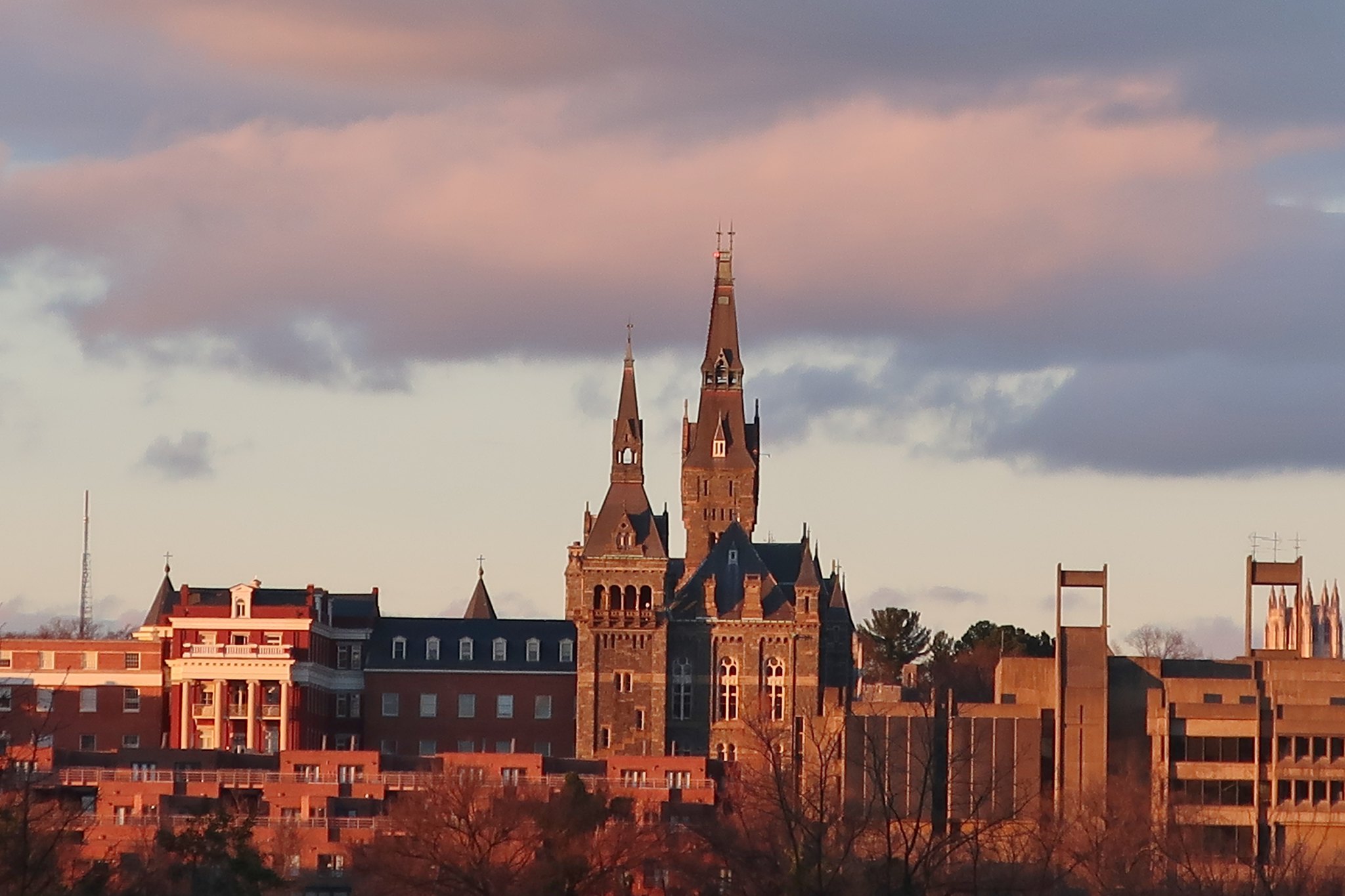
Georgetown University students voted overwhelmingly on Thursday in favor of creating a new student fee to benefit descendants of slaves sold nearly 200 years ago to benefit the school.
Two-thirds of students voted yes to a non-binding referendum that says students “wish to at least partially repay our debts to those families whose involuntary sacrifices made these privileges possible” through a $27.20 fee each semester.
It would generate nearly $400,000 a year for programs in communities where direct descendants of the 272 people sold in 1838 now live, such as Maringouin, Louisiana. A board of trustees, half of which would be made up of descendants, would determine which charitable causes to direct the funds toward.
With nearly 58 percent turnout, it was the highest participation in a Georgetown student election, according to The Hoya.
“I’m very happy. I have to sit with this for a minute,” says Mélisande Short-Colomb, a descendant who attends Georgetown and is a member of the GU272 Advocacy Team that lobbied for the referendum. “I’m so proud of the students, of how hard we worked. I hope the administration and the Jesuits and their parents and families are proud of them, because they stepped up into a subject that’s been kicked down the road for centuries.”
But school officials have emphasized that the results of the vote aren’t binding. “Student referendums help to express important student perspectives but do not create university policy,” Georgetown spokesperson Matt Hill said before the vote.
Todd Olson, Georgetown’s vice president for student affairs, expressed appreciation for students’ engagement on the issue in a statement after the vote, but didn’t make any commitments as to how the university plans to proceed. The school’s board of directors would need to approve the creation of a new student fee.
“There are many approaches that enable our community to respond to the legacies of slavery,” Olson wrote. “This student referendum provides valuable insight into student perspectives and will help guide our continued engagement with students, faculty and staff, members of the Descendant community, and the Society of Jesus.”
Yasmine Salam, a junior and the executive editor The Hoya, notes that although the student body voted several years ago to enact a smoking ban, the school is still not a tobacco-free campus.
“While this issue is very exciting, and I think that it’s great that these student advocates are trying to put pressure on the university to take more action and be more accountable, it’s important to see that our university is still ultimately the one making this decision,” she says.
Georgetown has been discussing and reckoning with the implications of the 1838 sale (which kept the school afloat after incurring major debts) for the past five years. Officials have formally apologized, convened a working group on the issue, rededicated two buildings, and granted priority admissions to descendants.
But students critical of the university argue that such steps have only come after pressure from the student body, and that they don’t go far enough. Hence, the referendum.
It’s drawn national attention as conversations around reparations gain traction among the Democratic 2020 candidates.
“While the Georgetown student fee … does not come close to matching the multibillion-dollar price tags of the national reparations projects being discussed by presidential hopefuls, its mere existence indicates the degree to which an idea once thought to be impractically extreme has now moved into the mainstream,” read an early story in Politico Magazine.
While students some resisted calling the fund “reparations,” the reconciliation fee would clearly set a precedent among higher institutions that are trying to address slaveholding pasts.
“What is different about this story than all of the other institutions that are studying slavery? What is happening here at Georgetown University is that descendants have been identified and we have taken a seat,” says Short-Colomb. “Actually, we are making a new table.”
Margaret Barthel contributed reporting.
Previously:
Georgetown Students Are Voting On A Fee To Benefit Descendants Of Slaves Sold By The University