Natalie Delgadillo
The D.C. Council’s health committee nixed a plan last Thursday that was supposed to expedite the construction of a new hospital in Ward 8.
The East End Health Equity Act was the culmination of a long negotiating process between the city, George Washington University Hospital, Howard University Hospital, community groups, and unionized labor at United Medical Center, currently the only hospital operating east of the river. The bill’s final iteration passed in December of last year after long, and often tense, Council discussions.
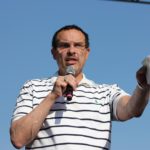
Now, Ward 7 Councilmember Vincent Gray—previously the bill’s biggest champion on the Council—has moved to repeal it after one of its key provisions fell apart during negotiations between George Washington University and Universal Health Services, which owns GW Hospital. The university has refused to support the construction of another 200-bed hospital tower in Foggy Bottom, which was cast as a crucial part of the deal for GW Hospital to fund a hospital in Ward 8.
In case you’re not caught up, here’s a quick accounting of what’s happened in this process so far: Mayor Muriel Bowser first announced the city would work with GW Hospital on the new 150-bed facility east of the river last August. The D.C. Council set aside $325 million to build it on the St. Elizabeths Campus, a sprawling old psychiatric hospital that’s currently undergoing major redevelopment. GW Hospital won the contract to run the hospital in a bidding process, edging out a joint bid by Howard University Hospital and Sibley Memorial Hospital.
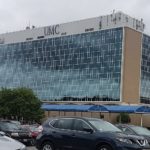
The new hospital was meant to replace the troubled United Medical Center, the city’s only publicly-run hospital, located in Ward 8. Currently, residents east of the river lack nearby access to a high-quality, full-service hospital.
But by last fall, the hospital’s negotiations with D.C. had hit a snag over the “certificate of need,” a mandatory study that helps the city determine whether the new hospital services are actually needed in the surrounding community. GW Hospital wanted a waiver on that certificate not just for the new beds on the St. Elizabeths campus, but more than 200 additional beds at its Foggy Bottom location. Gray, who has long been trying to strike a deal for a hospital east of the river, introduced a bill granting GW both waivers.
Lots of people had a problem with this, including the Foggy Bottom ANC and Howard University. Unionized workers at United Medical Center opposed the deal because they weren’t guaranteed employment at the new hospital, and their union contracts would not be transferable there.
After many amendments and rounds of discussion trying to balance these competing interests, the D.C. Council eventually passed the East End Health Equity Act, granting GW hospital the waivers it wanted with several amendments meant to protect Howard’s medical school and unionized workers.
Apparently, this was for naught. The new 200-bed tower at the Foggy Bottom location won’t be happening after all. George Washington University, which had always said it did not support the additional beds at Foggy Bottom, will not budge.
“We just haven’t been able to come to any agreement between [Universal Health Services] and George Washington University about building another tower. In fact, I met with the president of GW who is not exactly excited about building a new tower on the campus,” Gray said at a meeting of the council’s Committee on Health last Thursday. “So we’re trying to move forward now where the desperate needs are, and that is on the east end of the city in wards 7 and 8.”
Gray clarified that he believes GW Hospital will still be the city’s partner on the new Ward 8 hospital, but it simply will not build the new tower in Foggy Bottom (and therefore does not need certificate of need waivers anymore).
Other councilmembers on the committee expressed some confusion at GW Hospital’s apparent 180 degree turn.
“I am a little nervous because I felt like the committee voted for the bill because we felt we had to do this to keep this [process] moving forward,” said At-large Councilmember David Grosso. “There are credibility questions in my mind when we’re asked to do one thing, then another thing, then another thing, then another thing.”
Still, the committee voted unanimously to approve a health committee budget markup that included the repeal of the bill.
The repeal still needs to go before the full Council as a part of the budget process this week, where it’s expected to pass.