Rachel Kurzius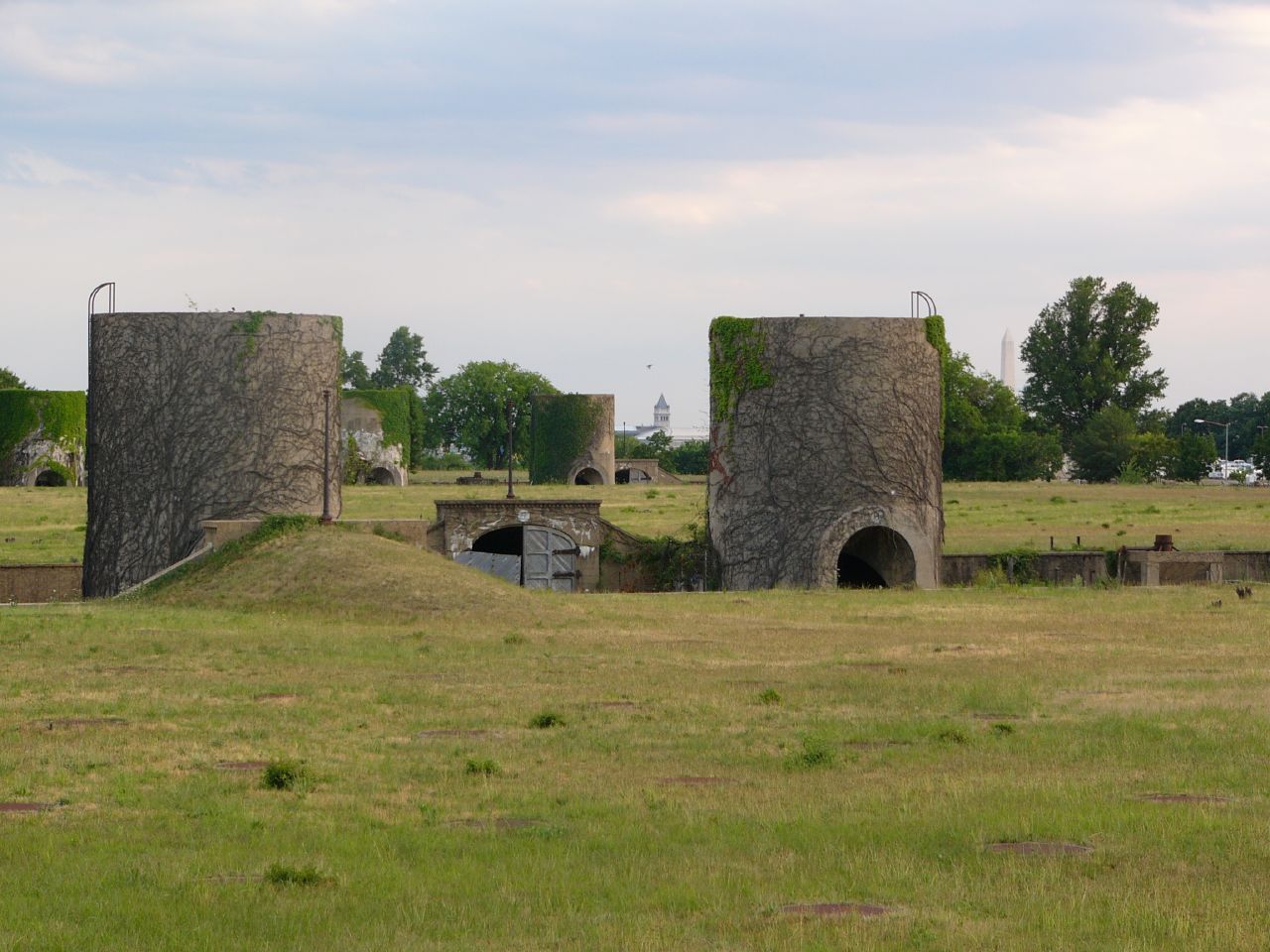
One of D.C.’s most controversial development plans got the green light from the same court that nixed it back in 2016.
The D.C. Court of Appeals cleared the most recent objections to the $720 million development at the McMillan Sand Filtration Site in a decision today. The project has faced vocal opposition from groups like Friends of McMillan Park, which has vehemently fought it through both the judicial system and the court of public opinion.
“We appreciate the court’s reaffirmation of our use of local zoning tools to create affordable housing, neighborhood-serving amenities, and jobs for District residents,” Sarosh Olpadwala, real estate development director for D.C.’s Office of the Deputy Mayor for Planning and Economic Development, said in a statement.
Friends of McMillan Park treasurer Kirby Vining said the group was “disappointed, of course, because we thought we had raised some very strong issues, according to the laws and regulations that pertain to this site.”
The site, which was designated a historic landmark, is one of the biggest pieces of undeveloped D.C. land. It sits at the cross-section of Michigan Avenue and North Capitol. Built in the early 20th century, McMillan was built as part of the City Beautiful reform movement, and used sand filtration to clean water, helping to eliminate typhoid epidemics in the District. For the first part of that century, there was also a park enjoyed by nearby residents. During World War II, though, the Army fenced in the property and restricted public access. The site continued to filter water until it was decommissioned in the 1980s, and the city government purchased the land from the feds in 1987. It has sat fallow ever since.
The plan involves demolishing some of the historic cisterns and subdividing the property’s 25 acres to build a 2.1 million square-foot development that will include 146 townhouses, more than 500 apartments, retail, a Harris Teeter, a park, a 113-foot-tall medical building, and a community center. The mayor’s office has been pushing for the development, which it says will lead to thousands of construction and permanent jobs and more than $1.2 billion in tax revenues over the next 30 years. But opponents contend that the project has been mismanaged and ill-conceived.
The complicated saga of the development at McMillan goes back more than a decade. Back in 2007, through a competitive bidding process, the city chose Vision McMillan Partners—a group formed by construction companies EYA, Trammell Crow, and Jair Lynch—to determine the master plan for the site. That led to Vision McMillan Partners becoming the developer of the property. But in 2015, the D.C. auditor determined that the process to choose VMP to develop the property skipped some important steps, and recommended that the city put out another bid for developers. Instead, D.C. Council Chairman Phil Mendelson introduced emergency legislation to waive procurement rules.
Then, a day after public officials held a ceremonial groundbreaking on the site in December 2016, the D.C. Court of Appeals vacated orders from the D.C. Zoning Commission and Mayor’s Agent for Historic Preservation. It wasn’t the nail in the coffin for the project, but it did represent a major setback. The court’s decision said that the D.C. Zoning Commission didn’t adequately address how the development would impact the surrounding neighborhood, including use of utilities, property values, and displacement, and that the Mayor’s Agent for Historic Preservation didn’t explain why the plans had the “special merit” required to justify demolishing and subdividing a historic property.
The city and developers responded by saying it would address those concerns and keep plugging away at the project. Since then, the McMillan development has made its way through the same city agencies and courts that it did the first time around, getting the go-ahead every time.
The D.C. Court of Appeals determined that, this time around, the “critical components of the [D.C. Zoning] Commission’s analysis were reasonable, supported by substantial evidence, and adequately explained.” The Washington Business Journal first reported the decision.
Vining says it’s unclear how or if the group will challenge this ruling. “A lot of the next steps are a little bit vague right now,” he says. “We’re looking at a lot of things.”
Previously:
Back To The Zoning Commission: McMillan Gets Approval After Court Setback
Court Throws Wrench In McMillan Development A Day After Mayor’s ‘Groundbreaking’
Bowser Will ‘Break Ground’ At McMillan, But A Demolition Can’t Actually Follow
Photos: Organizers Throw Secret Party Underneath McMillan Park To Protest Development
Development Firm Makes Case For Mixed-Use McMillan
Reporting has been contributed by Jacob Fenston for this story, which has been updated with comment from Kirby Vining, and to reflect that the site is designated as a historic landmark, not on the National Register of Historic Places.