As the novel coronavirus infects a growing number of people experiencing homelessness in the nation’s capital, the city is renting out hundreds of hotel rooms to provide self-isolation space for those who have tested positive for COVID-19, are awaiting test results, or are believed to have been possibly exposed to the virus.
But officials didn’t widely disclose the locations of these quarantine sites before placing people at them, effectively surprising some neighbors and at least one District lawmaker who first learned of a site in their vicinity from media reports.
Nearly 250 people were staying at the hotels as of April 22, according to D.C. government figures, though not all of those people had confirmed cases of the disease. A spokesperson for the District’s Department of Human Services says officials are leasing rooms at five hotel sites where people can self-quarantine, including one site for elderly and other medically vulnerable homeless residents who haven’t tested positive for or faced probable exposure to COVID-19.
The five sites have a total capacity of more than 600 rooms and are located in three of the city’s quadrants. DHS identified them in written responses to DCist late Wednesday, providing occupancy counts in most cases:
- Ivy City Hotel at 1615 New York Ave. NE—42 occupied and 12 vacant
- Hotel Arboretum at 1917 Bladensburg Rd. NE—71 occupied and 19 vacant
- Days Inn at 4400 Connecticut Ave. NW—143 occupied and seven vacant
- Capitol Skyline Hotel, 10 I St. SW—203 rooms (said to be activating Thursday)
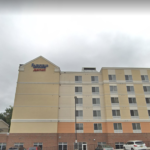
- Fairfield Inn, 2305 New York Ave. NE—126 rooms (occupancy not specified)
The city has signed 90-day contracts with the hotels, but it’s unclear at this point if the contracts will be renewed at a later time. DHS says costs range from $125 to $181 per room per night, with some of the hotels charging for meeting rooms or housekeeping. At a full 90 days for each hotel, this would mean the District is likely to spend millions of dollars on the quarantine sites. The expense would increase if the contracts are extended as the pandemic continues. (Some of these rooms are reserved for staff, storage, and medical screenings, per DHS.)
More than 140 people in city homeless shelters had tested positive for COVID-19 as of Wednesday, and eight throughout D.C.’s homelessness system were known to have died from the disease. While officials say they’re taking precautions to keep homeless residents safe during the outbreak, including by more frequently sanitizing shelters and setting up outdoor handwashing stations, activists worry that people living in congregate settings or on the streets remain at major risk of catching the virus without permanent housing or dedicated isolation space.
“[T]he numbers of people in shelter are still very, very high and the numbers of homeless people contracting COVID-19 are growing rapidly,” the Washington Legal Clinic for the Homeless said in a blog post last week. The city’s annual count of residents experiencing homelessness recorded 6,521 people in 2019, of whom 608 were unsheltered and 4,679 were in emergency shelters, whether single adults or family members.
The city says it’s working with homeless service providers “to ensure that shelter beds are reserved for everyone who has entered a quarantine or isolation site” and eventually gets out. “When residents are medically cleared to exit, DHS staffers coordinate with the Shelter Hotline to provide transportation to shelter,” the department wrote in its responses to DCist.
Still, the manner in which some residents found out about the quarantine site in Van Ness raised concerns about how transparent District officials were in beginning to use that hotel. Over the past week, coverage by NBC Washington, Forest Hills Connection, and PopVille flagged the appearance of ambulances and dumpsters filled with bed linens as well as personal protective gear outside the Days Inn on Connecticut Avenue NW.
Ward 3 Councilmember Mary Cheh, who represents Upper Northwest, was among those caught off guard. She discovered the hotel’s use as a quarantine site when asked about it by a reporter while walking along the avenue by happenstance, she wrote in her newsletter Monday.
“Needless to say, being informed through a chance encounter with the press is certainly not the way that I expect to be updated of such a significant community development,” she said, noting that the episode had “undoubtedly eroded public trust” even as the quarantine sites were “desperately needed.”
At its meeting Tuesday, Advisory Neighborhood Commission 3F, which covers the area around the hotel, heard from District officials about the new use of the Days Inn. Monika Nemeth, who chairs the commission and took notes on the virtual meeting, says the contract with the hotel started April 15.
The officials present were fronted by D.C. Department of Public Works Director Chris Geldart, who is helping lead the city’s coronavirus response. Geldart said workers at the hotel have received special COVID-19 safety training, such as proper handling of personal protective equipment, according to Nemeth. On the point of not alerting community members, officials “acknowledged things happened very quickly” due to the urgent nature of the situation, she adds.
“No one is really upset that people are being housed there who are in isolation,” says Nemeth. “We’re pulling together as a community and we support this. What has people upset is the lack of transparency—the fact that this happened without any notice.”
“The mayor has a daily briefing,” Nemeth points out, referring to Mayor Muriel Bowser’s statements about the coronavirus crisis. “You could at least make a quick announcement there.”