 Gabe Bullard
 Mikaela Lefrak
 Margaret Barthel
 Matt Blitz
 Natalie Delgadillo
This post was last updated at 3:10 a.m. June 4.
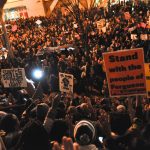
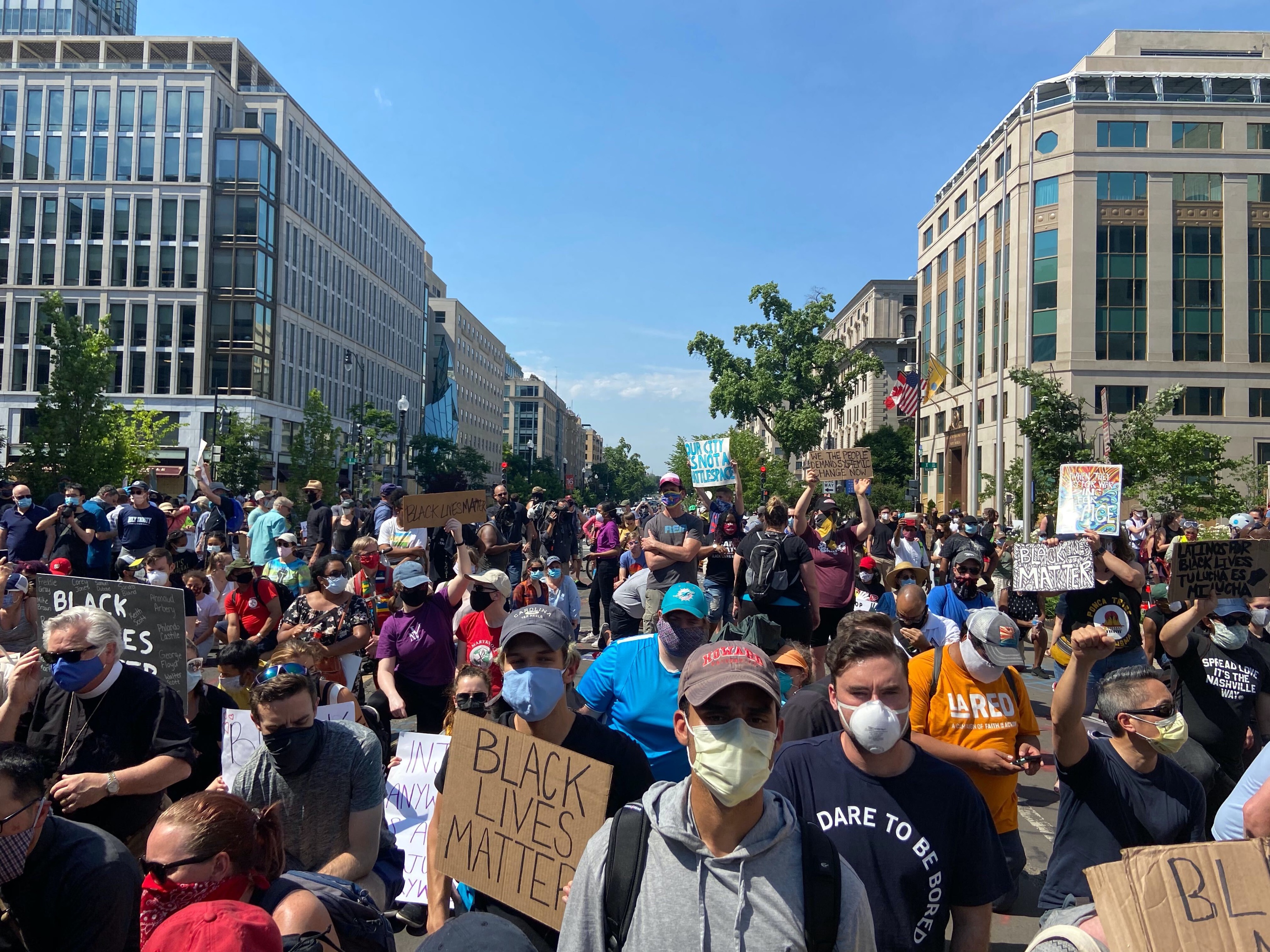
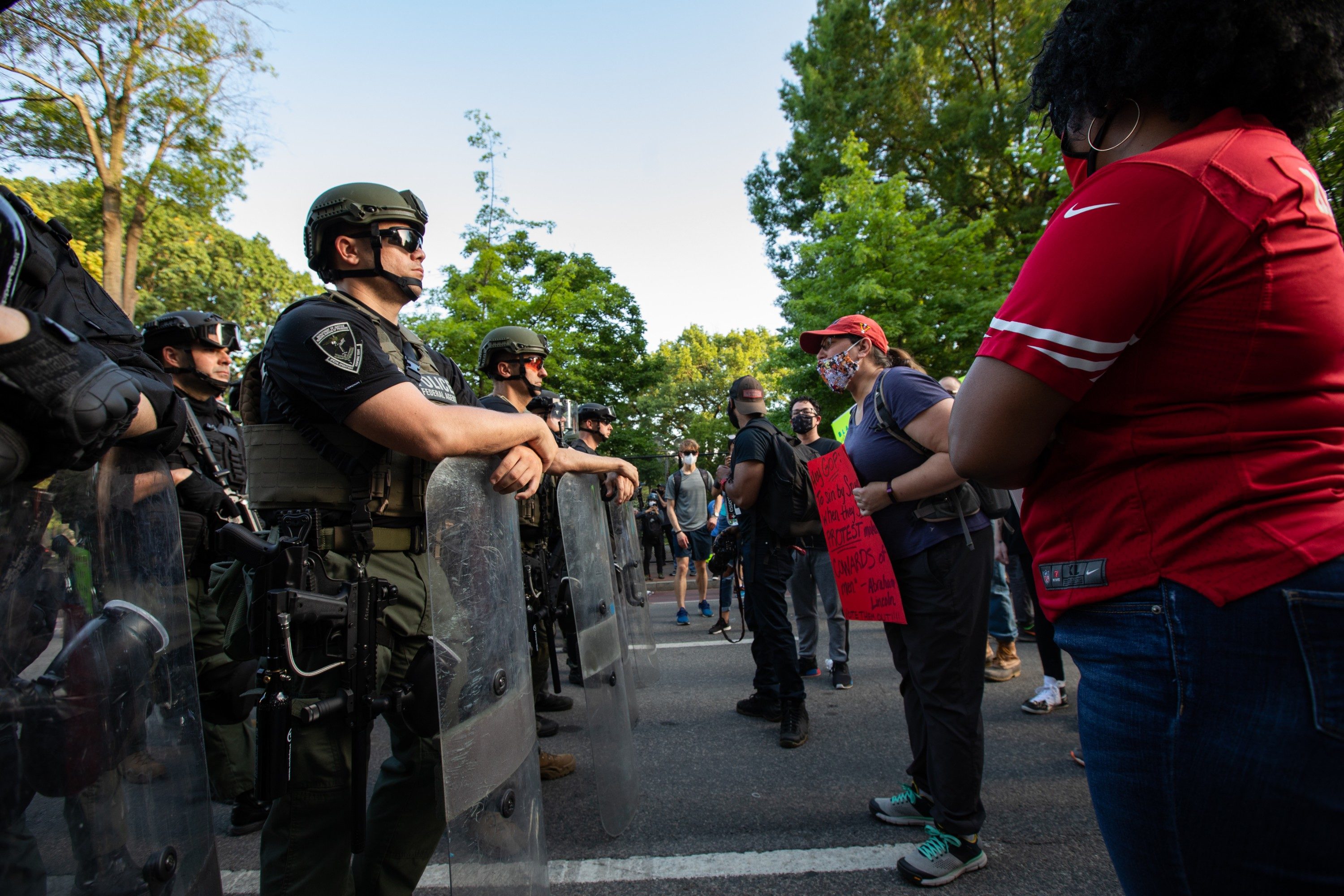
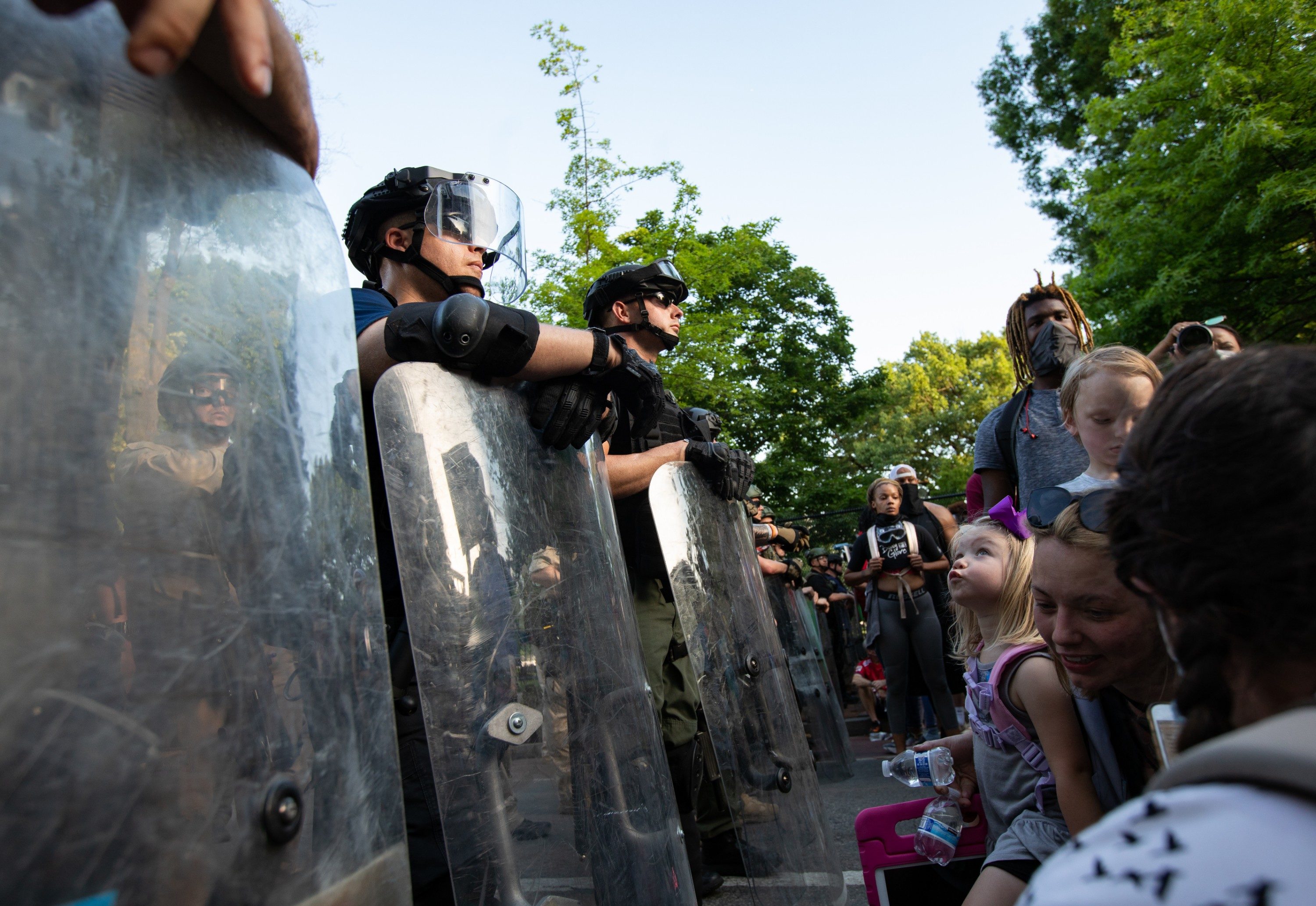
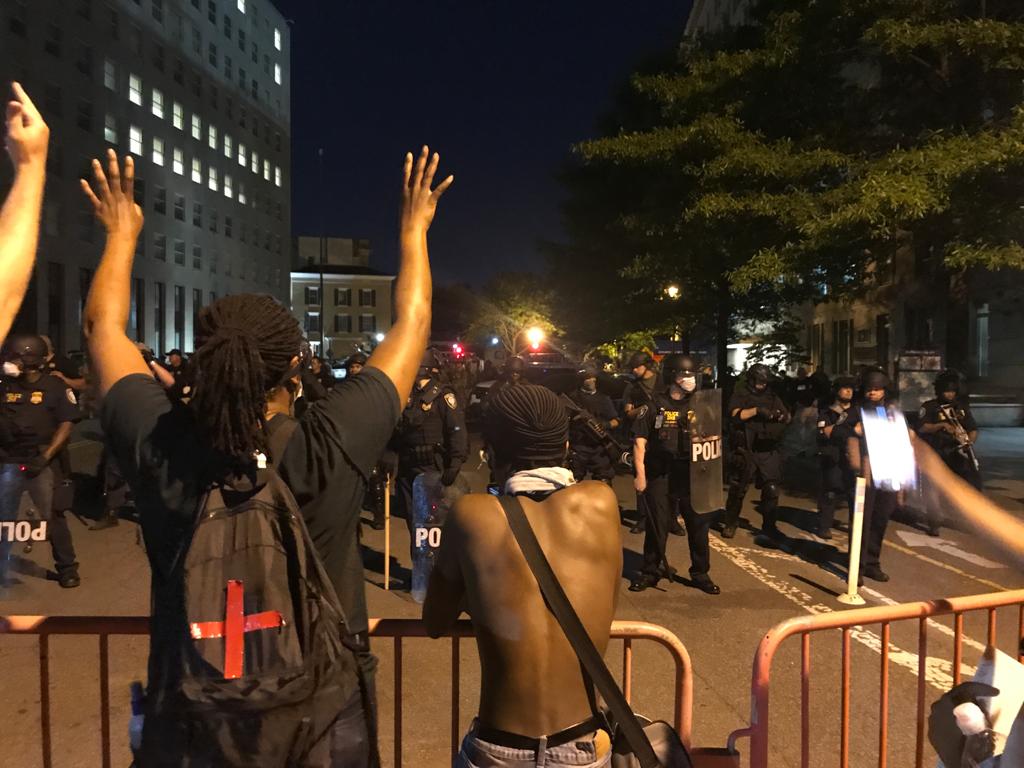
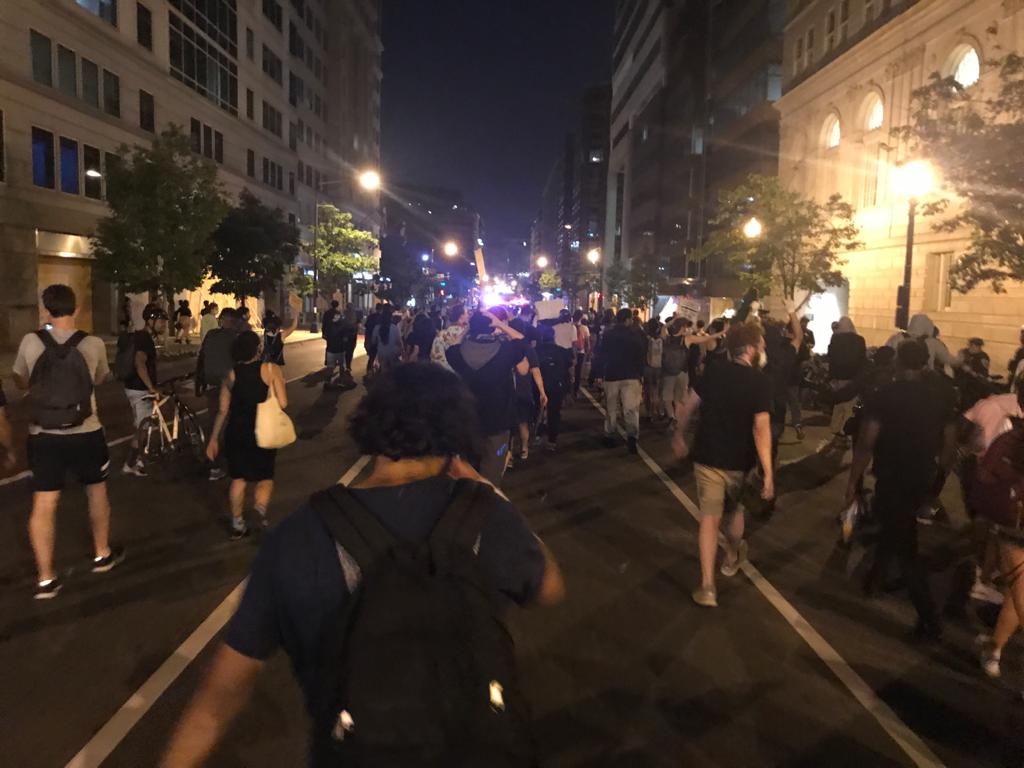
On the sixth consecutive night of D.C. protests over the killing of George Floyd, the atmosphere was markedly different from the intense clashes two nights earlier. Thousands of people gathered in downtown, and despite a significant police presence holding the line around the White House—including hundreds of national guardsmen and other federal and local police—the tenor of the protest remained peaceful and even, at times, jubilant.
“It’s been getting more and more peaceful,” Mimi, a Ward 7 resident, told DCist as the sun began to set on the swelling crowd on Wednesday night. “Monday, you know, they threw tear gas at, you know, peaceful protesters. Since then, I think the crowd has really made it a point to be peaceful.”
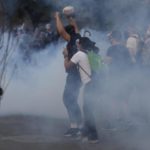
Monday night was marked by a series of clashes between protesters and law enforcement that began when police cleared a huge crowd from the area around the White House so President Trump could pose in front of St. John’s Church. But on Tuesday, things were different.
“Last night was incredibly calm,” says Jonathan Blackmon, a protestor and D.C. resident who had come out to the demonstrations for the last four days. “Don’t get me wrong, there were agitators who wanted to get rowdy, but the crowd wouldn’t let them. So every time somebody started to throw things, ‘peaceful protests’ was the chant that was going around the crowd.”
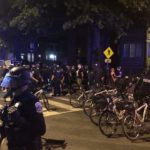
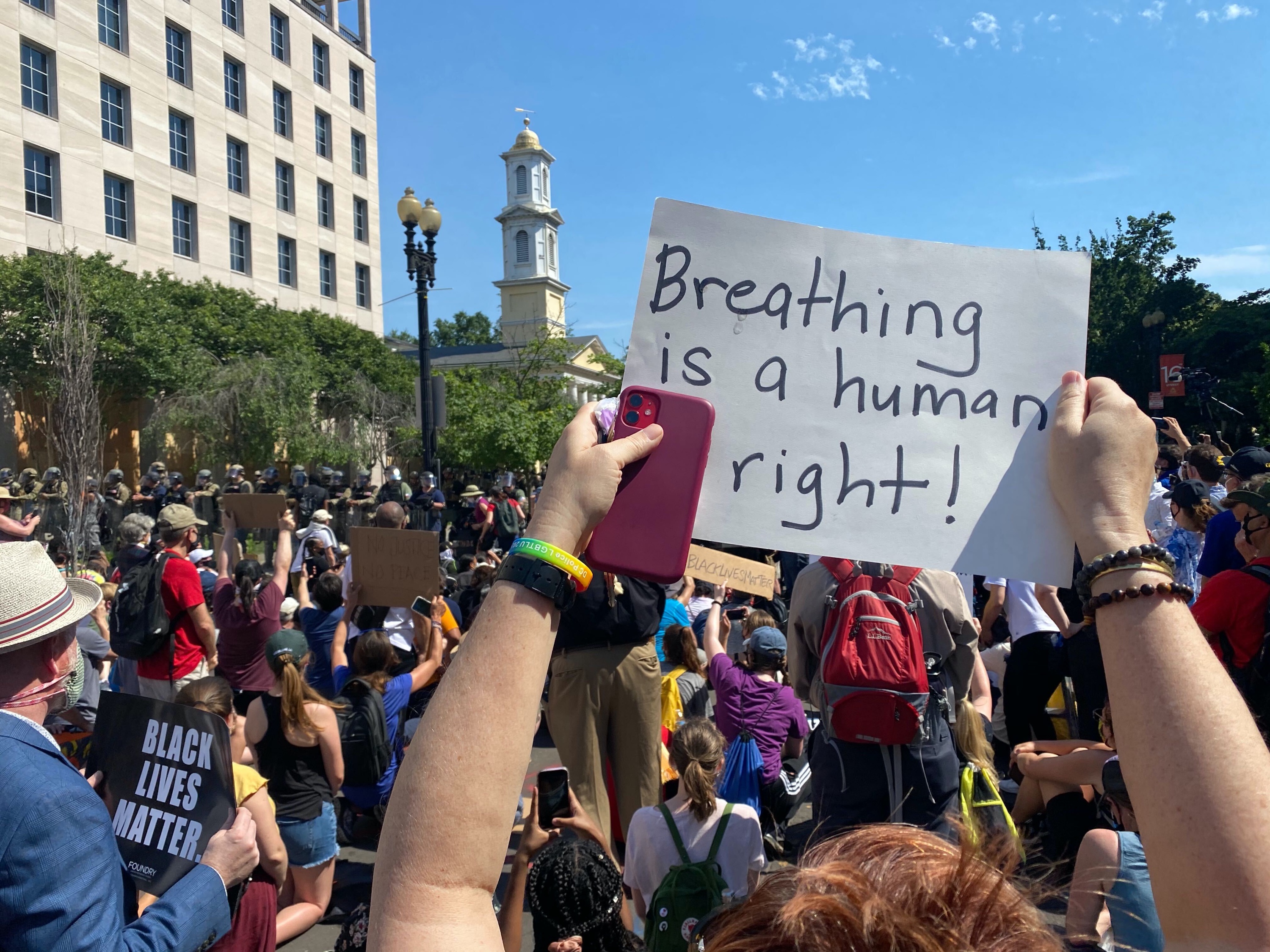
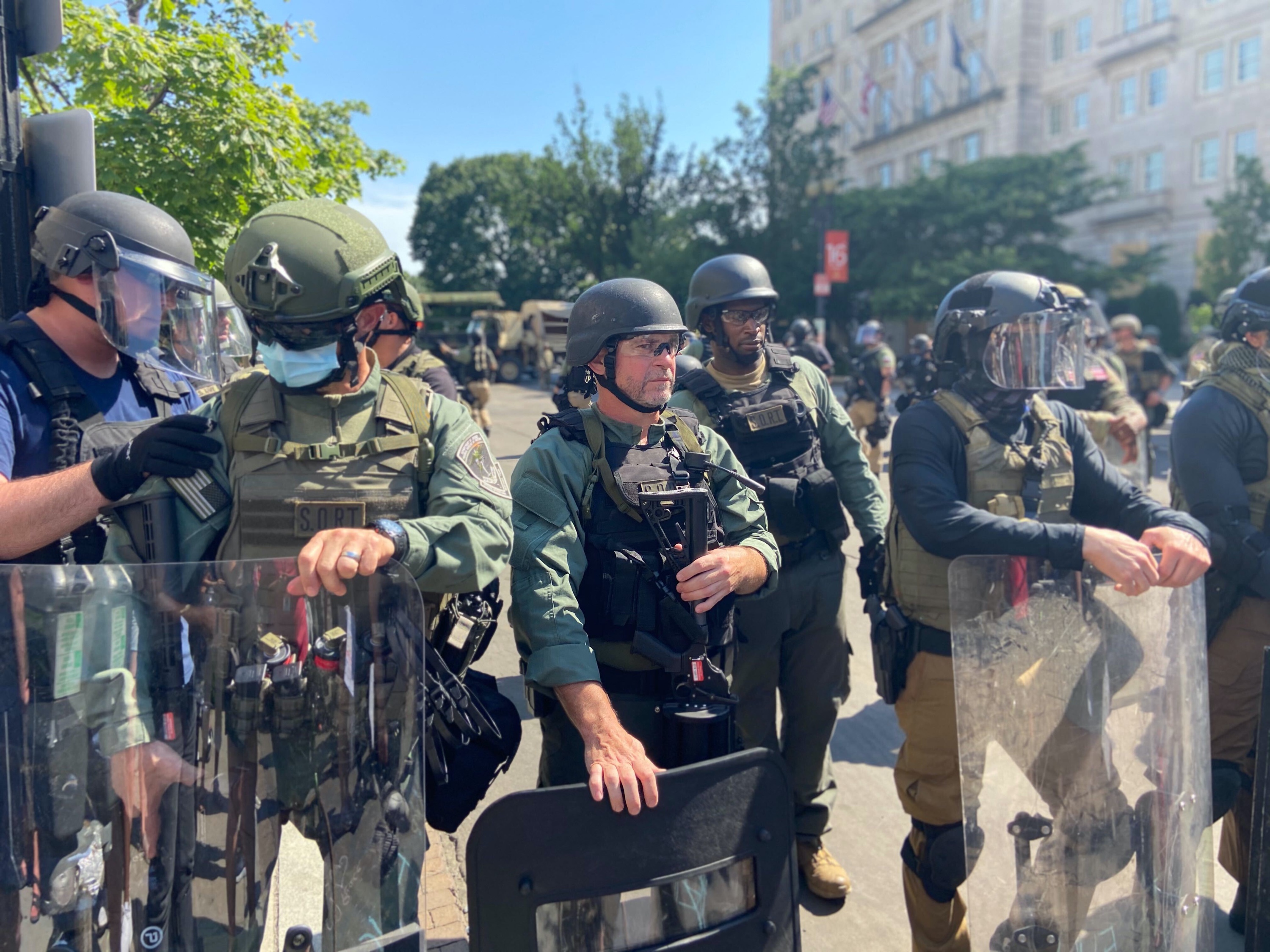
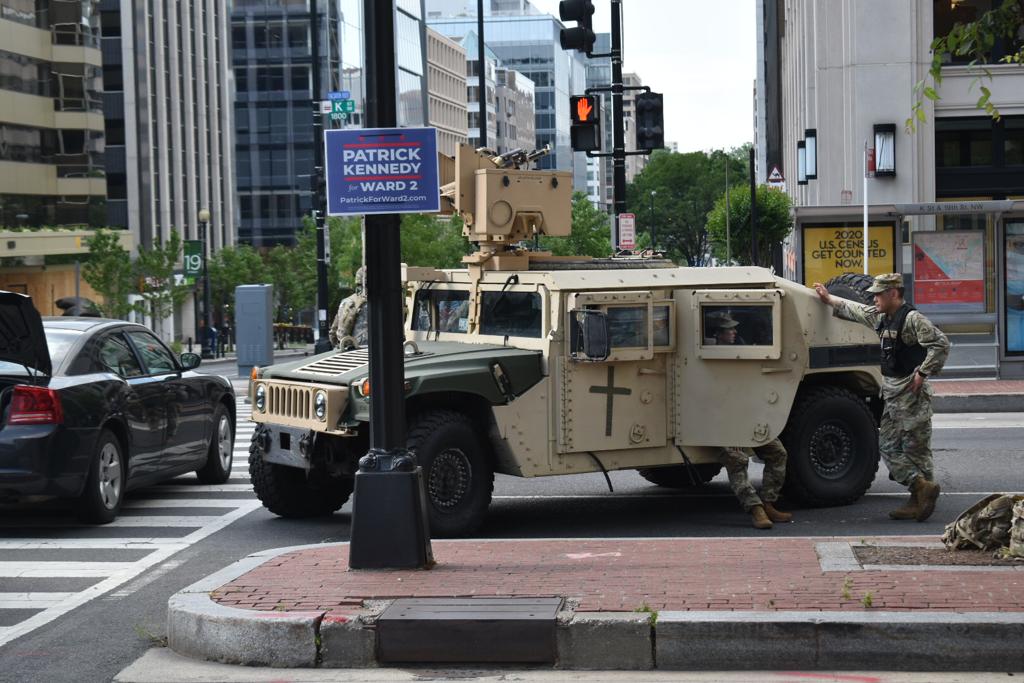
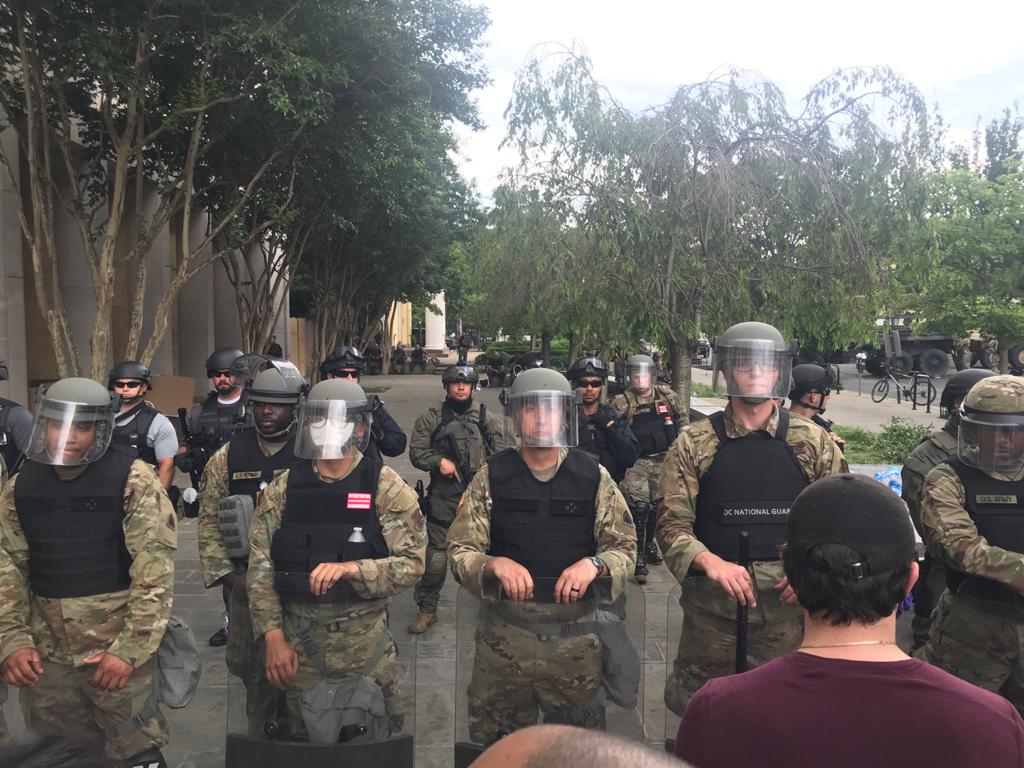
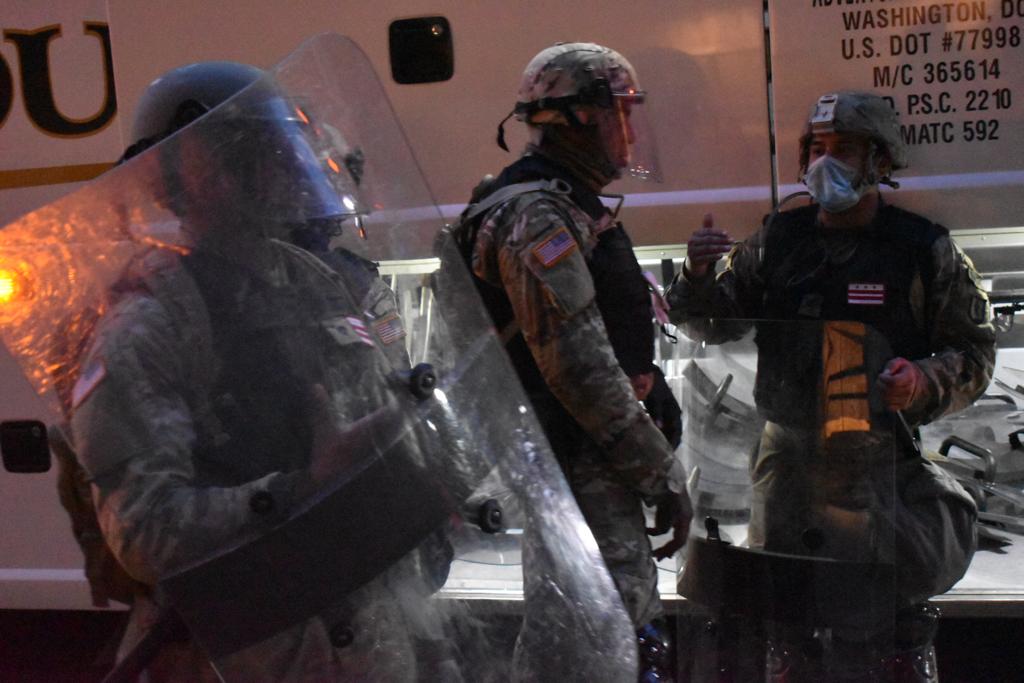
Still, the crowds on Wednesday—the largest yet in the protests against police brutality in D.C.—were surrounded by a huge law enforcement presence, larger than in previous nights. Just before sunset, buses full of military forces that appeared to be national guardsmen were seen pulling up to the areas around the White House. They were wearing shields and carrying batons. As night fell, some guardsmen were seen getting back on the buses, while others stayed near the White House.
Video from @WhyBlitz showing military forces near the protests happening downtown. They appear to be national guardsmen, and have been arriving in droves on tour buses. pic.twitter.com/OjttpUjSkZ
— Natalie Delgadillo (@ndelgadillo07) June 4, 2020
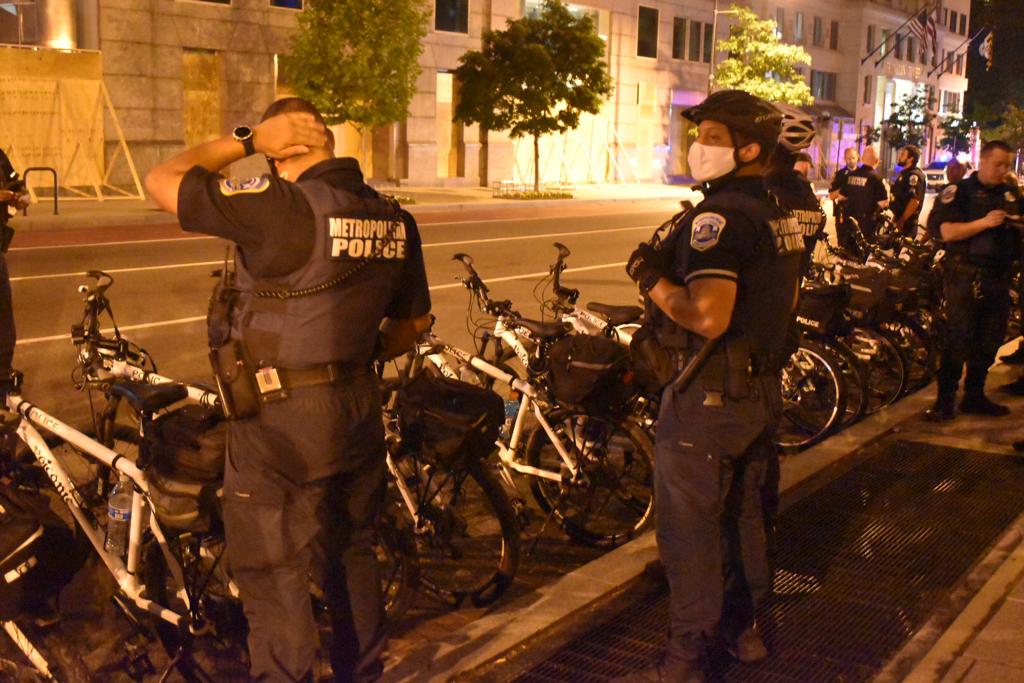
There has been an escalating federal law enforcement presence in D.C. over the past several days, including National Guard, DEA agents, and guards from the Federal Bureau of Prisons. Some federal law enforcement officers present in the District declined to identify themselves or their agency when asked by reporters on Wednesday.
The chief of the National Guard Bureau confirmed Tuesday that an additional 1,500 national guardsmen would join the response to protests in D.C., after 1,300 were deployed on Monday. Guardsmen from several states including Indiana, South Carolina, Tennessee and Maryland have been deployed to Washington. Members of the national guard are civilians, but they wear the same uniform as active-duty military personnel.
Surrounded by law enforcement, protesters handed out hand sanitizer, played music, chanted, and sang. At one juncture, the huge crowd broke out into a rendition of ‘Lean On Me.’
!!! Crowd of thousands outside the White House singing Lean On Me. This must be the closest we’ve come to a concert in months: pic.twitter.com/CzpQxwLQGs
— Rebecca Tan (@rebtanhs) June 4, 2020
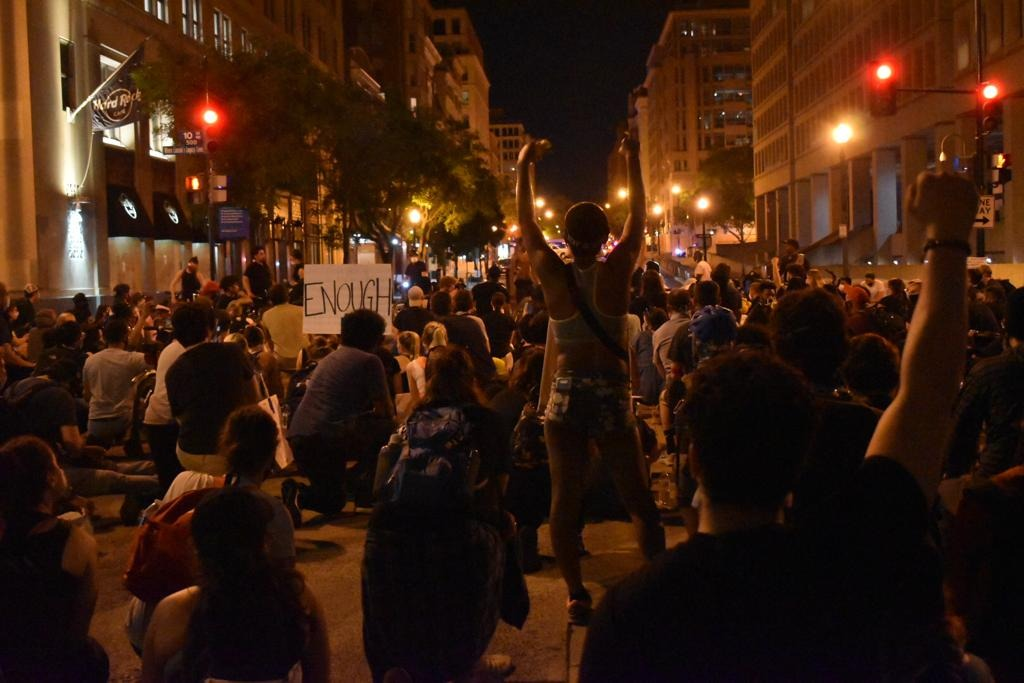
At another, the crowd of thousands all lay down on the hot pavement and chanted, in unison, “I can’t breathe.”
https://twitter.com/hannah_natanson/status/1268319734833053696
As a group of protesters marched on 16th and P Street NW, the associate pastor of Foundry Methodist Church Will Green rang his church bells in support. “I’m getting chills,” one protester told WAMU as the bells rang. “This is really happening.”
D.C. Mayor Muriel Bowser made an appearance at the protest during the day, telling reporters, “people have grievances that must be heard.”
Earlier in the day, Bowser said the city had only requested the D.C. National Guard and, previously, FBI and DEA officers. President Trump also threatened to send active duty military to the District, which would likely require invoking the Insurrection Act in order to be legal.
Defense Secretary Mark Esper said Wednesday he opposed such an action, but has decided not to send away the troops that have been mobilized nearby, according to the Associated Press.
Throughout the day, D.C. Fire and EMS treated three patients for heat-related illnesses, the mayor’s office said around 9 p.m. FEMS transported one protester for heat-related illness and treated another protester and a Capitol Police officer on-scene. Wednesday temperatures soared into the 90s.
About two hours before the city’s 11 p.m. curfew, a chunk of the crowd broke away from the protest in downtown and began marching toward the U.S. Capitol.
A crowd of hundreds had also gathered outside the Capitol on Wednesday morning, while the Senate was in session inside. Police stood behind metal barricades as the crowd chanted and, at one point, took a knee.
Hundreds of people streamed through the streets on the nighttime march to the building, at one point taking a knee in the middle of E Street for a moment of silence.
At the Capitol, amid chants and music, protesters began organizing to exchange social media information with each other and spoke about their desire to create a longer-term movement.
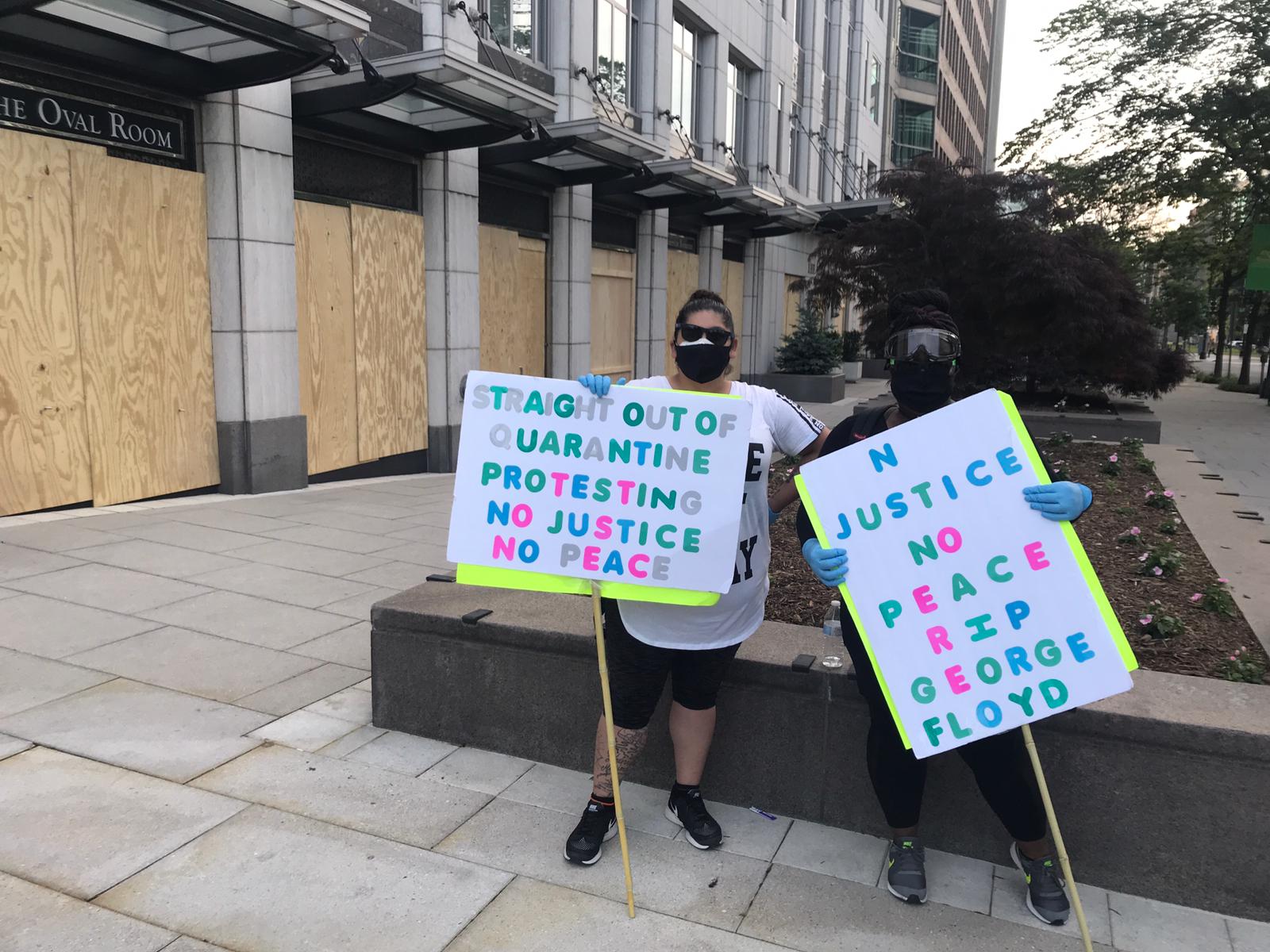
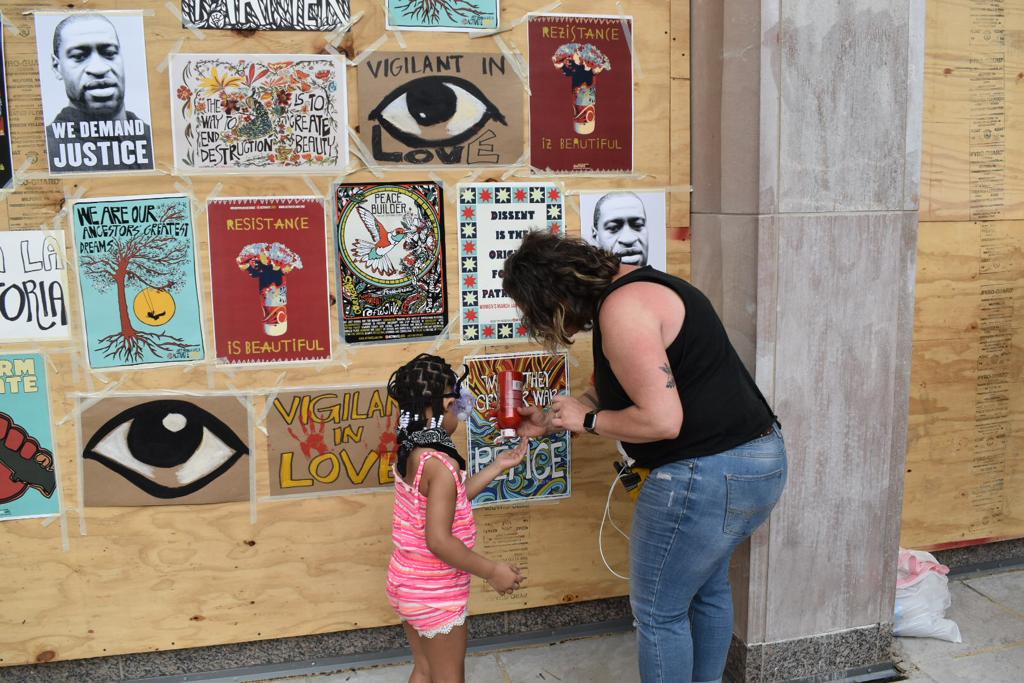
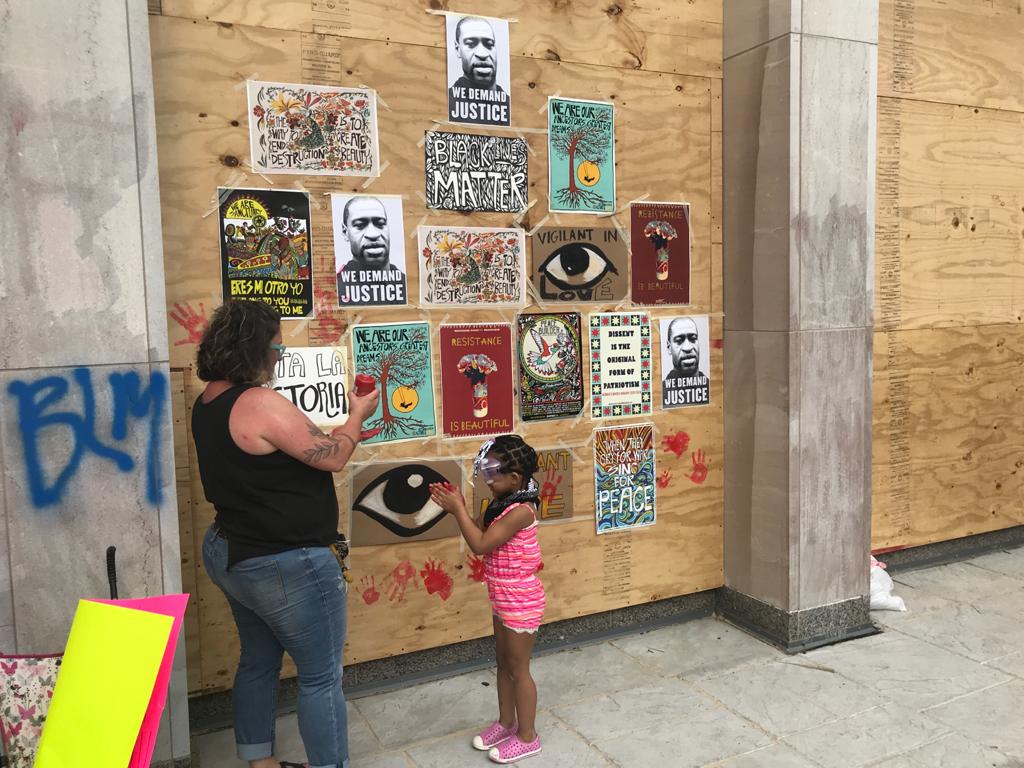
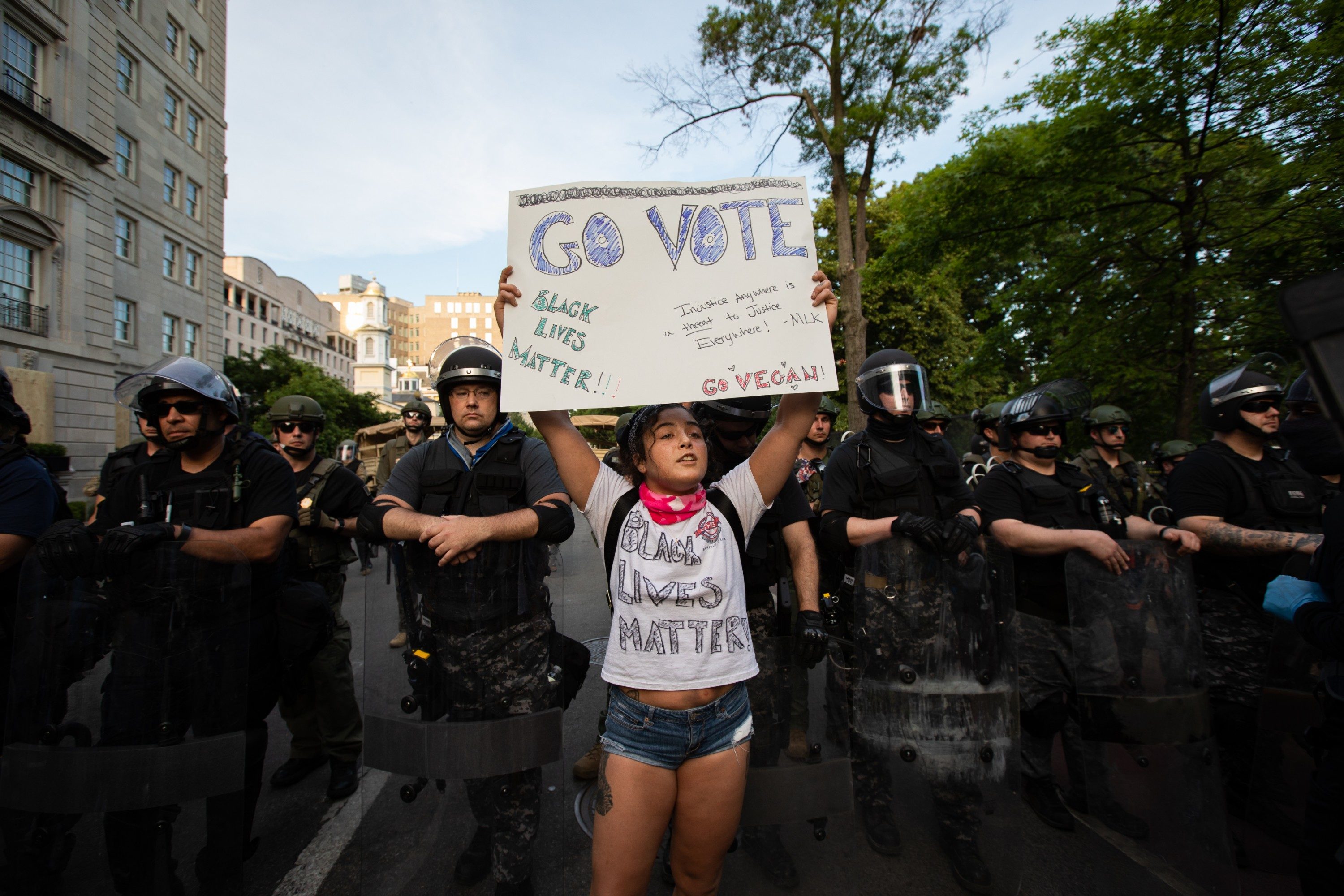
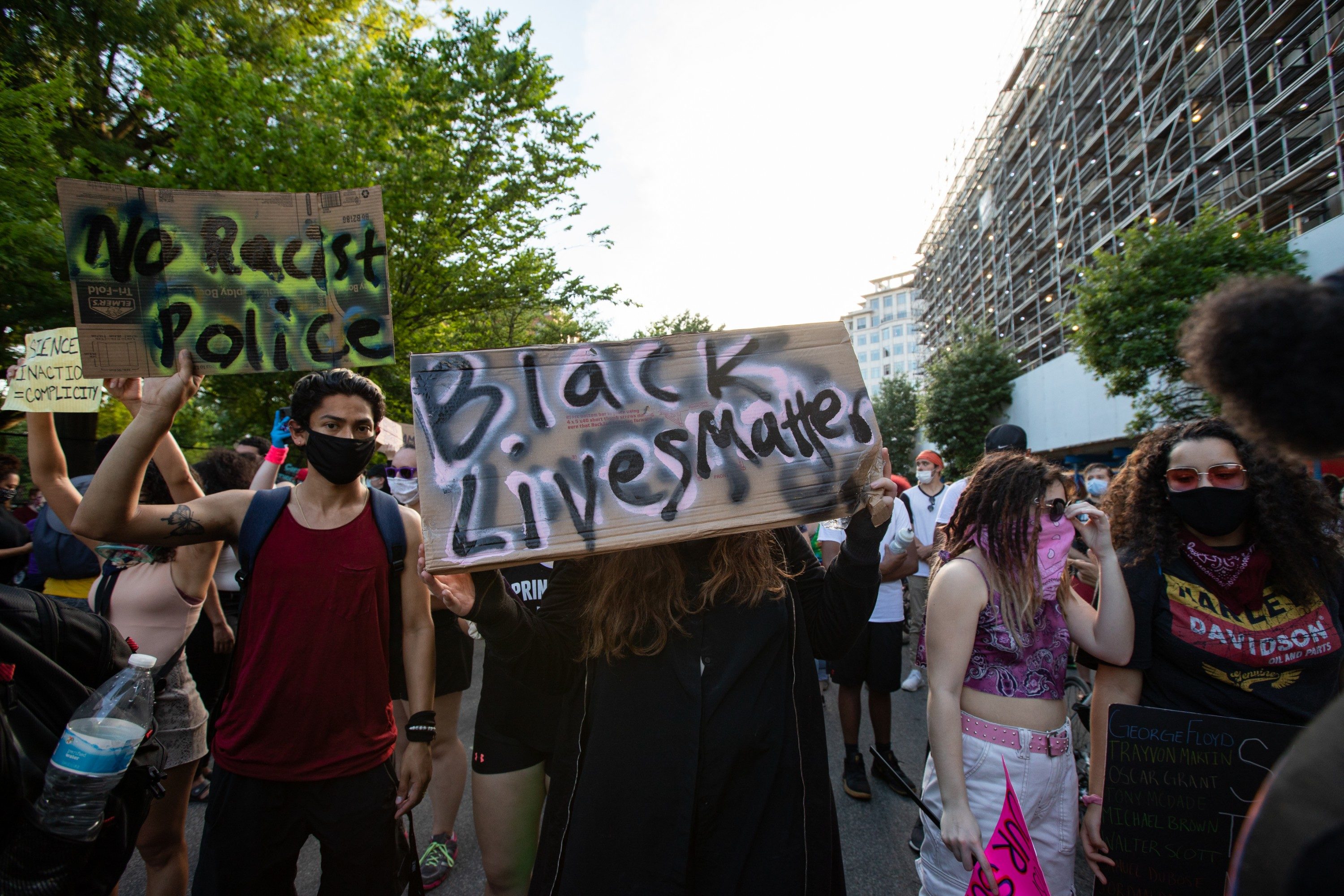
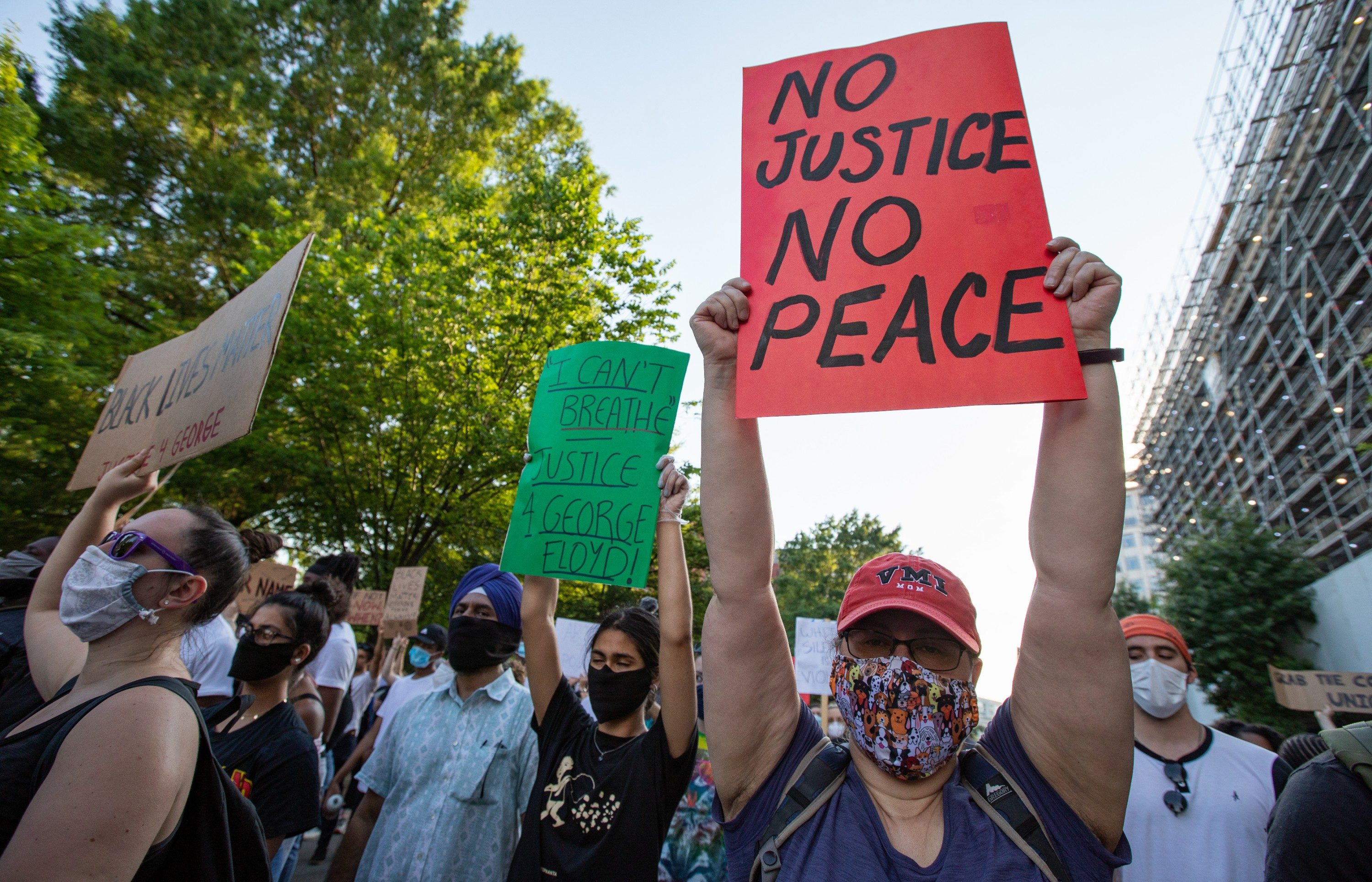
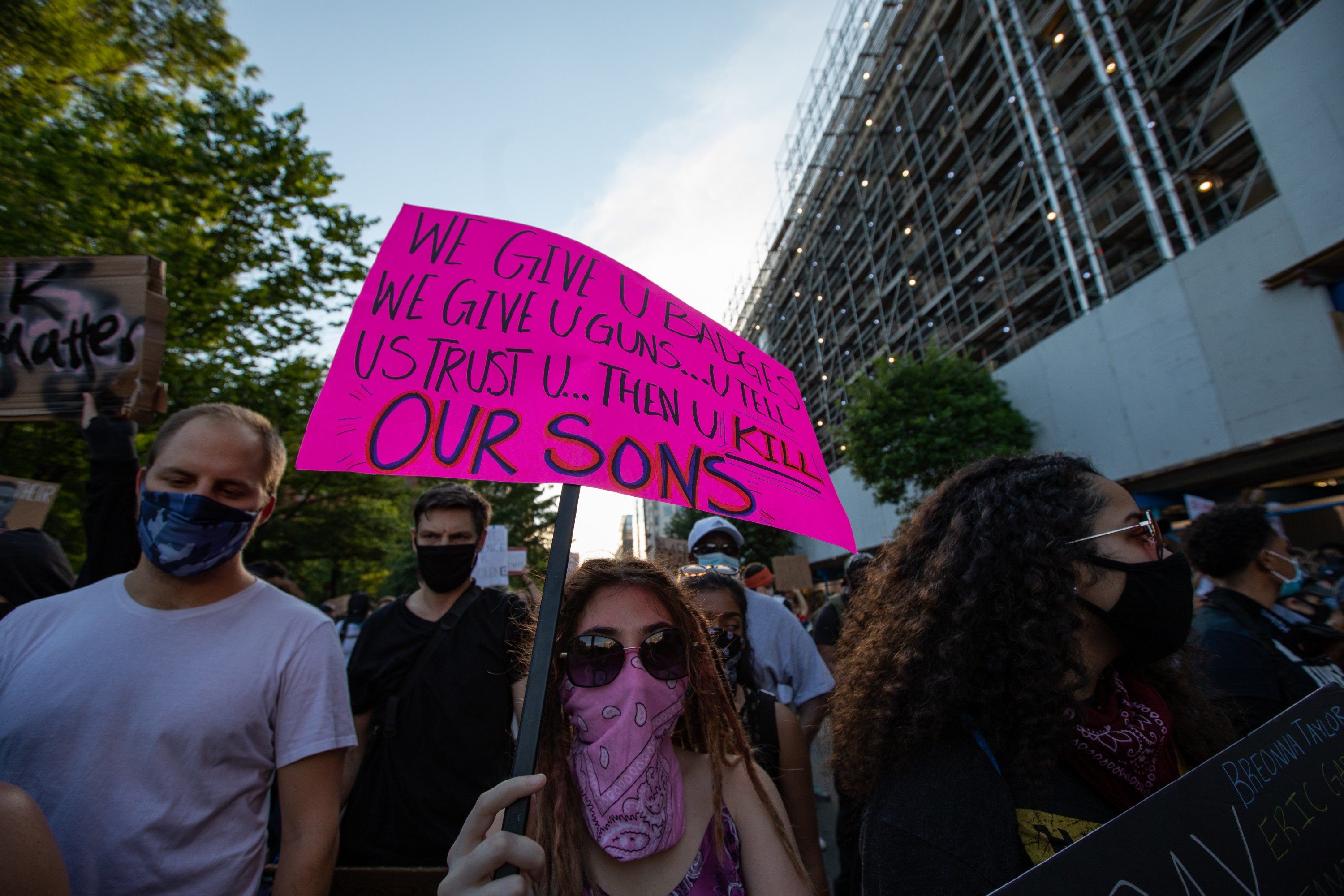
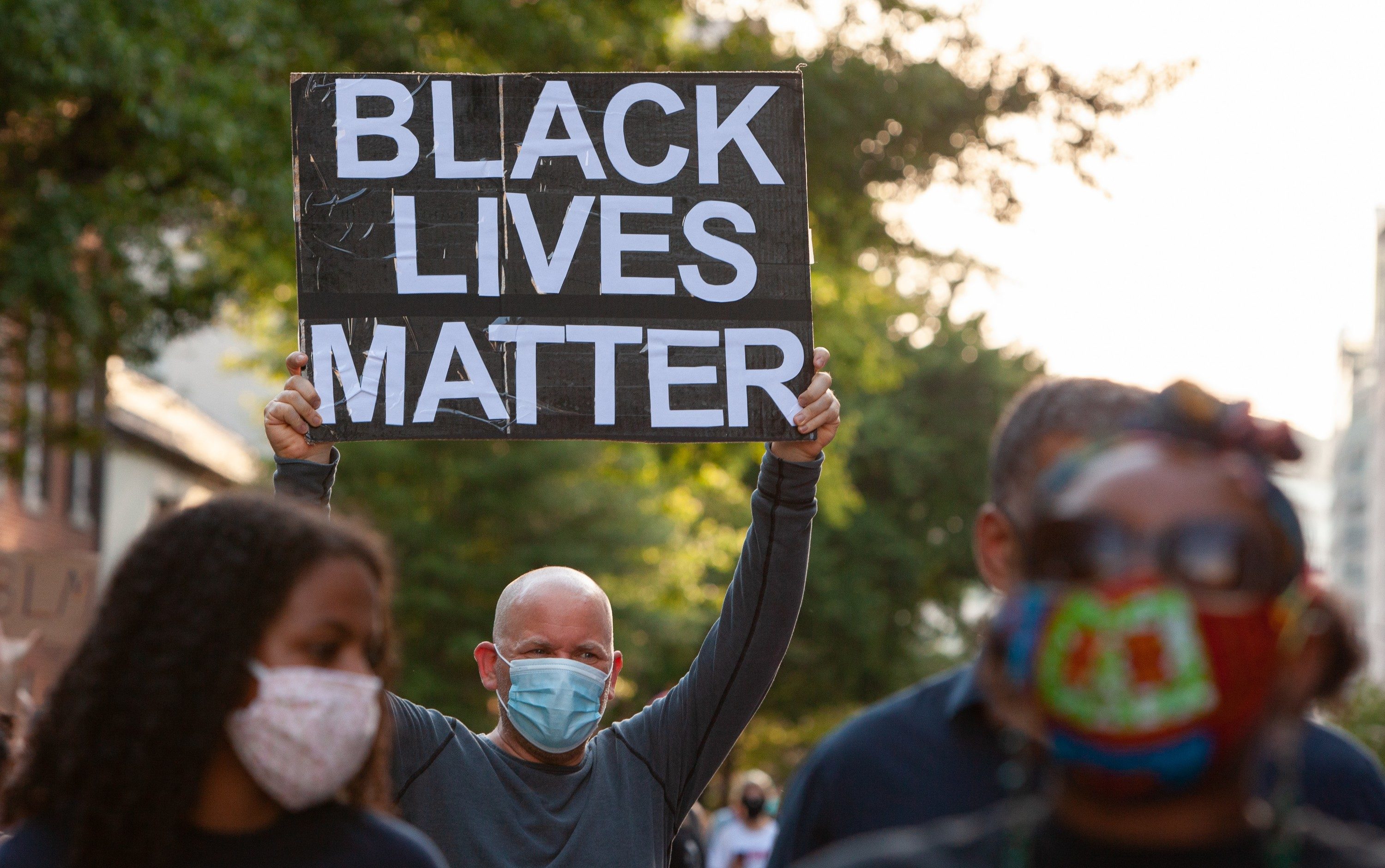

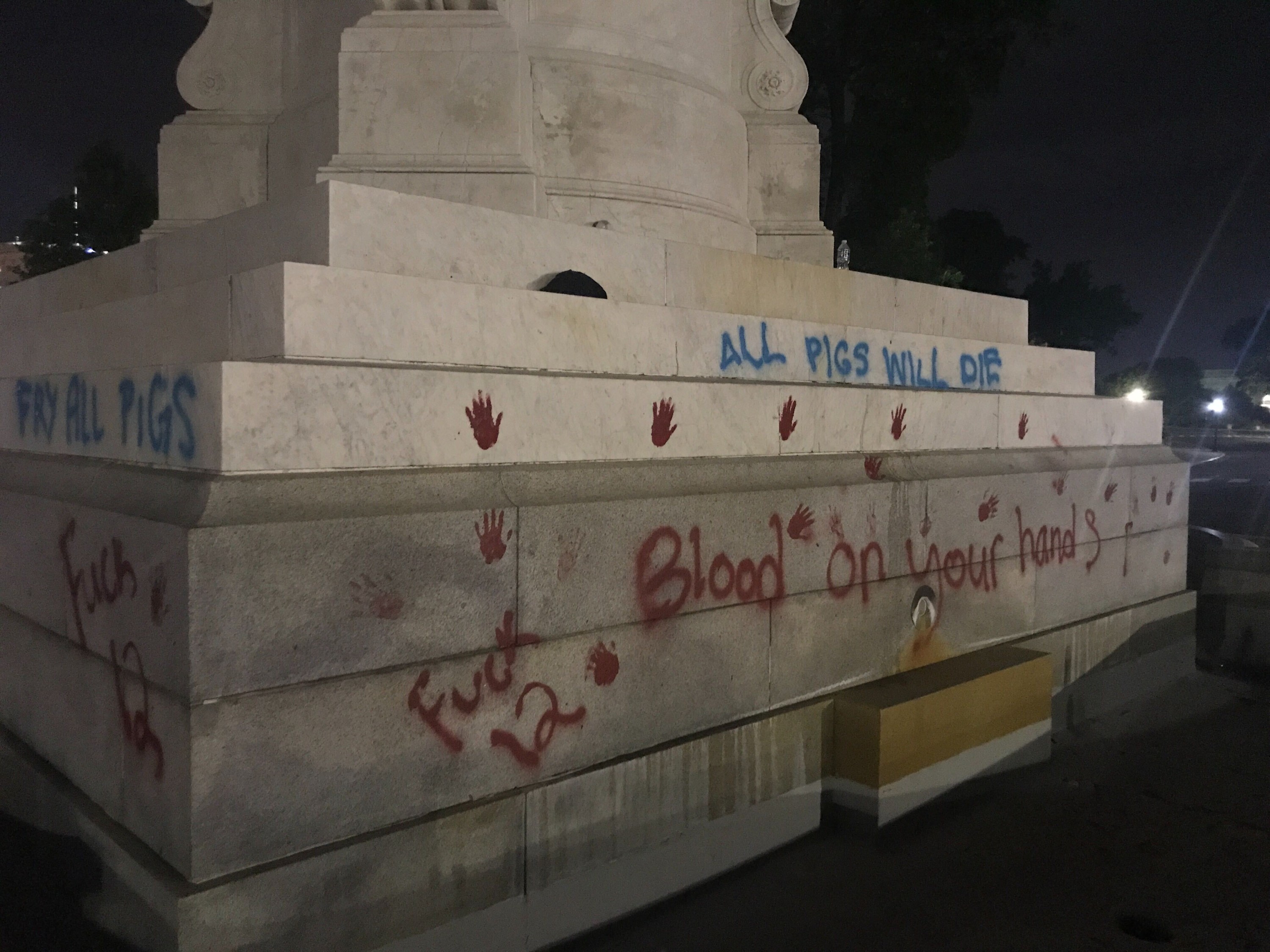
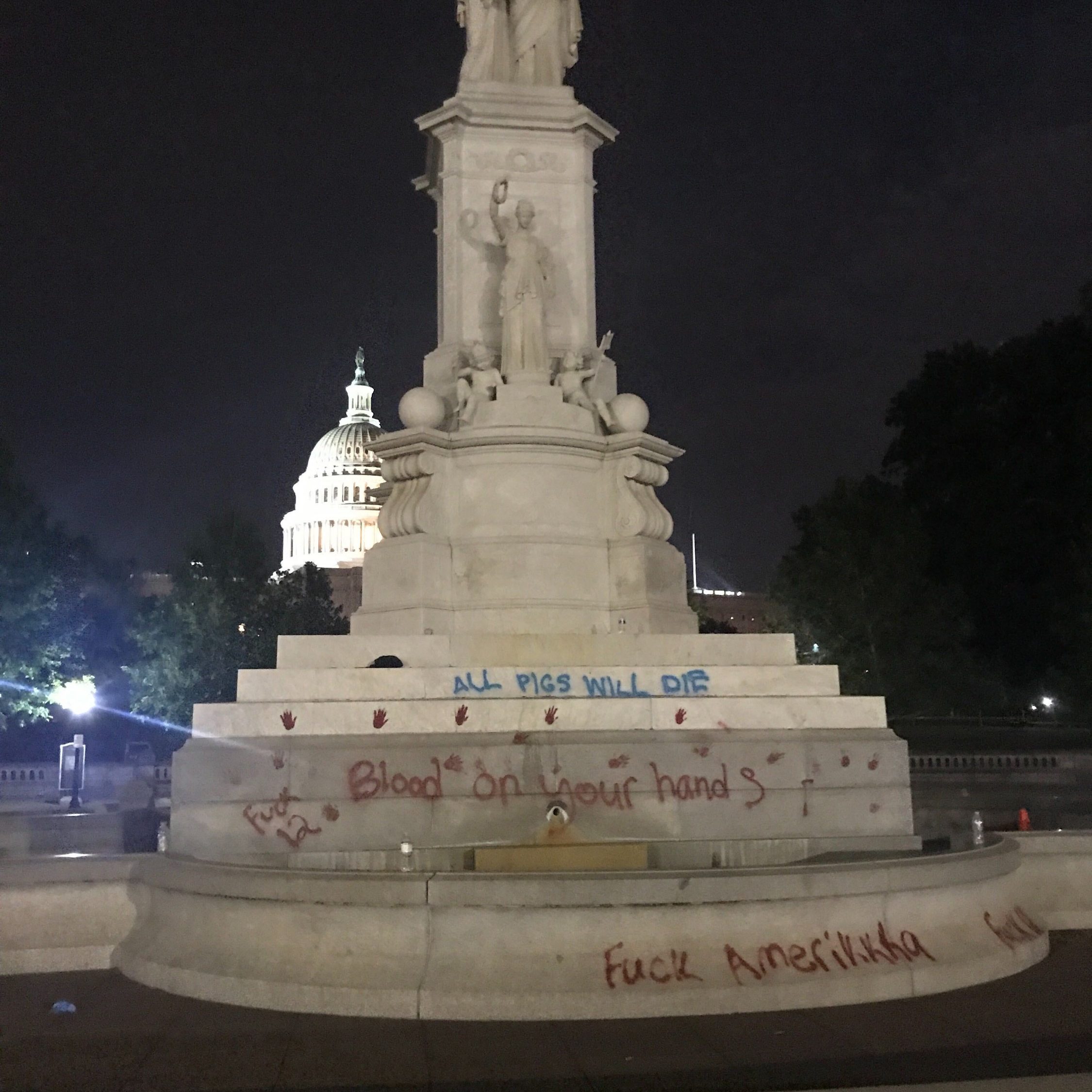
“We make noise and then somebody finally gets arrested,” Jamal, a protester who did not give his last name, told DCist. “But it’s like a crumb. Like we’re asking for a loaf of bread and we get handed a crumb, and they’re like look we fed you, and it’s like no, this is not enough. It’s not sustenance.”
Others in the crowd spoke about the responsibility they felt to attend the protests, even as they might be putting themselves at personal risk.
“I have a young nephew who I’m literally seeing when I see a black man get killed, who I’m seeing when they incarcerate the wrong people, who I’m seeing police harass other people,” says Nay, an Arlington resident who attended Wednesday’s protests. “So that I take it personal, and it’s my responsibility … Since he can’t stand up for himself, I have to do it.”
As the curfew came and went, the crowd at the Capitol dispersed, and some made their way back over to the scene near the White House. About an hour after curfew, there were still hundreds of people in the crowd, though it had thinned out significantly.
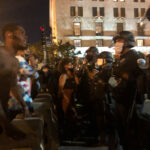
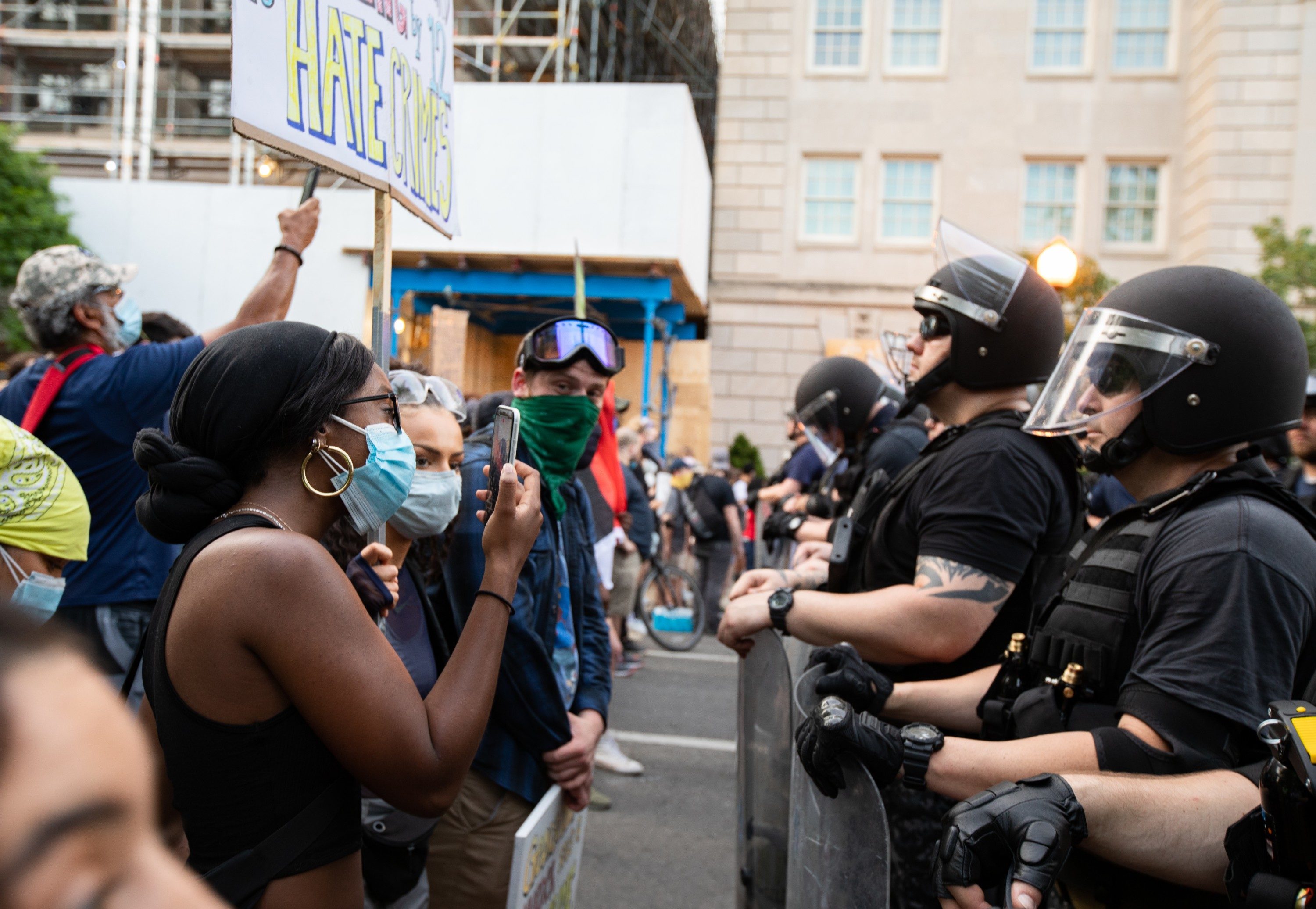
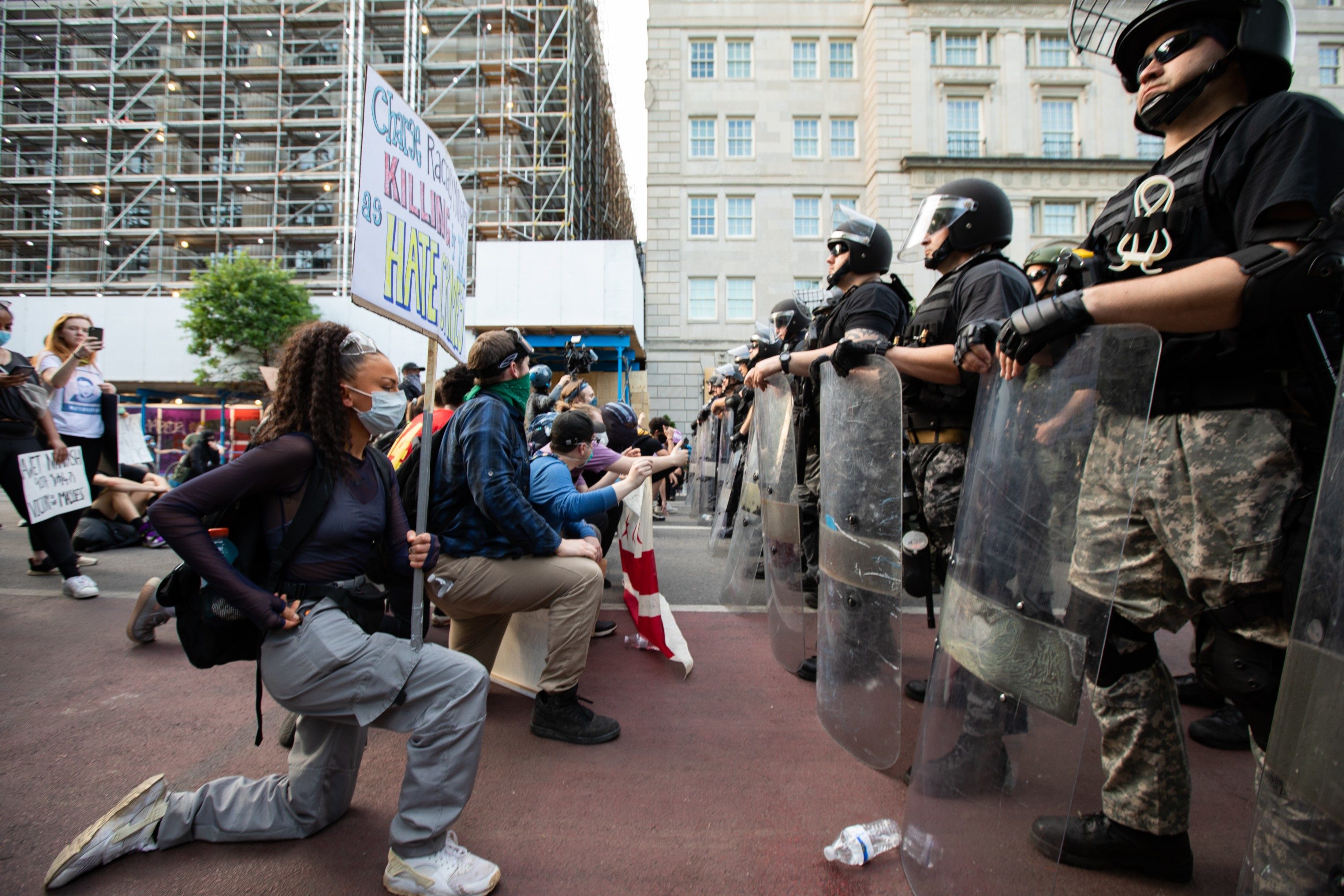
Protesters engaged in heated verbal confrontations with the National Guard and police officers guarding the line to the White House, but the protest remained peaceful. Some protesters were seen kneeling in a line in front of police, per photos shared on social media.
In front of the White House about half an hour after curfew, some protesters spotted figures that they presumed to be law enforcement on top of a nearby building and chanted, “Get off the roof,” and “Peaceful protest,” per videos on Twitter. A protester shined a spotlight on the building to find the figures observing the crowd from above, reported WTOP journalist Alejandro Alvarez. Someone also projected the words “Badge ≠ License to Kill” on St. John’s Church, where President Donald Trump posed for photos on Monday night.
Late into the night and the wee hours of the morning, a thin crowd of protesters remained pressed up to the line of national guardsmen blocking protesters’ access to Lafayette Park. Live video from the protest showed demonstrators speaking with guardsmen and continuing to chant. As of early Thursday morning, police had not tried to clear the streets as the last protesters stayed at the scene, three hours after curfew, reported independent journalist Abdallah Fayyad.
Protests are expected to continue on Thursday. It’s not yet clear if the mayor will impose another curfew.
This post has been updated throughout.