D.C. began requiring travelers from areas with high levels of COVID-19 to self-quarantine for two weeks on Monday, and the city released a list of 27 states deemed high-risk, including Delaware, where many locals vacation in towns like Rehoboth Beach and Bethany Beach.
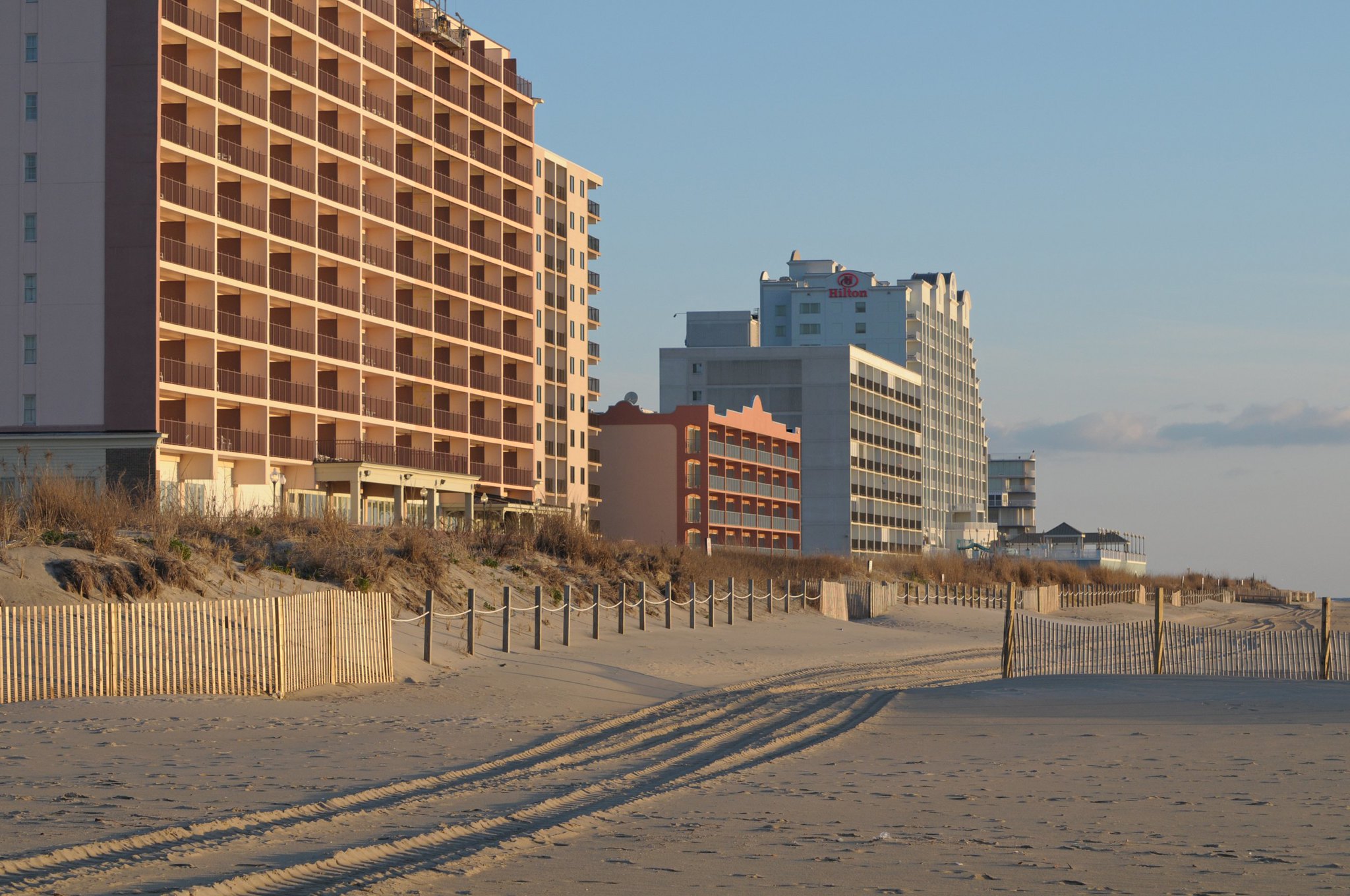
Maryland and Virginia, though, are exempt from the list, meaning visitors from Delaware must remain at home or in their hotel rooms after arriving in D.C., while those coming from Ocean City, Maryland — just a half-hour drive from Bethany Beach — will not.
Despite that distinction, however, Christopher Rodriguez, director of D.C.’s Homeland Security and Emergency Management Agency, says locals should treat all nonessential travel the same.
“I think if it’s nonessential, people should always think twice, whether they’re going to Ocean City or to Virginia Beach or to Rehoboth Beach,” he says. “People have to think twice about nonessential travel during a global pandemic.”
Rodriguez says the rule includes exemptions for Maryland and Virginia because of D.C.’s “porous borders” with the states and how “intimately intertwined” they are. He says the entire states were exempted for the sake of simplicity, a point Mayor Muriel Bowser echoed when she announced the rule last week.
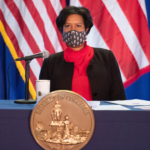
“We want it to be simple for everybody to follow, and we recognize that if we have to make the restrictions more strict to the National Capital Region, that’s certainly something that we can consider at a later date,” Bowser said during a press briefing on Friday.
D.C. Health defines high-risk states as those where the seven-day moving average of daily new COVID-19 cases is 10 or more per 100,000 people, and will update its list every other week. The list currently includes North and South Carolina, Texas, and California, among others.
Rodriguez says he, along with D.C. Health Director Dr. LaQuandra Nesbitt and others, is regularly briefing Bowser on the data to determine whether they should make changes to their approach.
The self-quarantine mandate, which will remain in effect until Oct. 9, comes as the D.C. region has seen an uptick in coronavirus cases in recent weeks, with notable spikes in new caseloads, in an effort to curb the spread of the virus.
Other states have imposed similar rules and last week Maryland and Virginia were added to the lists of high-risk states in Connecticut, New Jersey, and New York.
Some in Delaware’s tourism industry, where cases have largely trended upward over the past two weeks, expressed concerns about the impact of the D.C.’s restrictions.
Carol Everhart, the president and CEO of the Rehoboth Beach and Dewey Beach Chamber of Commerce, told WTOP on Tuesday that Delaware’s addition to the list is “devastating,” and will result in more cancellations at hotels in an area that is already struggling due to a drop in visits from tourists.
But while travelers coming to D.C. from Ocean City do not have to quarantine on arrival, some local officials advised exercising the same caution they would when visiting a high-risk area.
“If [you] go to a bar, wait in line at Thrasher’s or Kohr Bros, go to Seacrets, or anything else besides masking up & social distancing on the beach and isolating in yer condo/hotel room/trailer in Ocean City or VA Beach please consider taking these measures too,” At-large Councilmember Elissa Silverman tweeted on Monday, referring to popular spots in the beach towns.
Seacrets, a waterfront restaurant and bar in Ocean City, said Friday that some of its staff had tested positive for COVID-19.
Rodriguez says he plans to steer clear of traveling to the beach regardless of where the self-quarantine rule applies.
“I’m not going to be taking a trip with my family to the beach this summer,” he says, “because I want to do my part to make sure that I’m protecting my family, but also my fellow residents here in the District.”