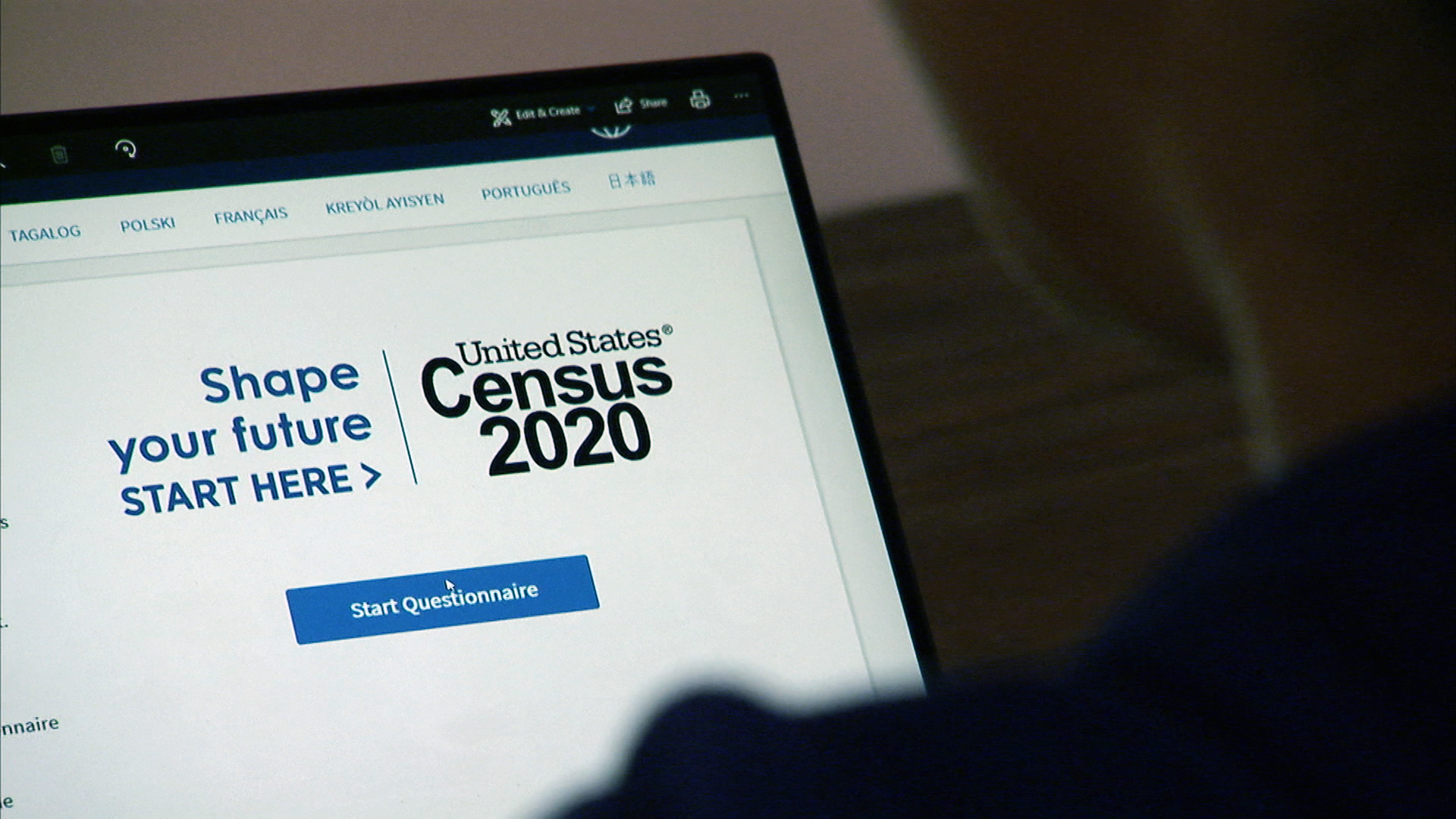
The pandemic has upended many plans for 2020, including figuring out how many people live in the U.S. The Census Bureau announced this week that it would stop counting efforts on September 30, a month earlier than previously planned, as it struggles to meet its legally mandated deadlines.
Getting an accurate count, which was already challenging, will be more difficult with less time. Here’s what that means for D.C.
Where does the 2020 Census count stand?
Counting for this year’s census was originally supposed to be finished by the end of July. But the bureau said it needed more time because of the coronavirus pandemic, pushing the self-response deadline to October 31 and requesting a four-month filing extension from Congress.
President Trump had previously shown public support for the extension. But while Democrats in the House and Senate have introduced legislation to grant the request, Republicans have not, indicating that they may be willing to cut the count short, according to NPR.
Currently the bureau must submit data to Trump by December 31, and to the states by March 31, 2021. Bureau officials said as early as May that they had passed the point of being able to meet those deadlines.
But the bureau’s director, Steven Dillingham, said in a statement on the bureau’s website this week that the shortened count was part of its plan “to accelerate the completion of data collection and apportionment counts” by the statutory deadline.
Andrew Trueblood, director of the D.C. Office of Planning, says the change creates new obstacles. “Cutting it a month short is problematic,” he says. “There is no two ways about it. Cutting it short means fewer people responding, and even if that is 100 fewer people that is still problematic.”
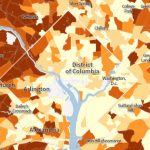
Trueblood says the city is largely keeping pace with the national self-response rate, which was 63% as of Thursday. The rate in the District was 59.5%. Still, that means roughly four out of 10 households across the country have not yet been counted.
How does the census impact D.C.?
D.C. relies on census data, a head count of all people living here, for planning, budgeting, legislative, and business purposes, among others. The information is used to update ward and ANC boundaries based on population growth and movement around the city. The federal government gives more than $6 billion annually to D.C., a number that increases with estimated population growth.
The data also informs policy decisions, and businesses use the information when they decide where to open offices and shops.
The data is also used to apportion seats in the House of Representatives in Maryland, Virginia, and other states. In a historic vote in June, the House passed legislation approving D.C. statehood for the first time. Trueblood notes that if the District becomes a state, census data will impact how it is represented in Congress. “So, getting a complete and accurate count in the District has incredibly important monetary and political repercussions for all of our residents.”
What are the obstacles to getting an accurate count?
Trueblood says the District was already facing a number of challenges going into this year’s census. Key among them were that this marks the first primarily-online census, and failed efforts by the Trump administration to include a citizenship question. The Supreme Court ruled against that move last June. Many critics contend it would have deterred legal and undocumented immigrants from participating and result in an undercount.
That was before the pandemic brought life in D.C. to a halt. “If those were headwinds, then this was a hurricane,” Trueblood says.
The health crisis upended D.C.’s community engagement plans for April, May, and June, including many in-person events. Instead, the city has tried to safely meet people where they are, at food distribution and senior centers, and at coronavirus testing sites.
In parts of the city east of the Anacostia River, where the self-response rate is lower, local organizations have faced similar obstacles. Consider the Congress Heights Community Training and Development Corporation, which primarily works with residents in Wards 7 and 8. Baldin Needham, its deputy director, says the non-profit hired more than 40 local residents to canvas and encourage others to fill out the census.
They had been doing so for about a month when the health crisis forced them to stop. The Congress Heights group was among a number of local organizations that received grant money from Mayor Muriel Bowser’s office to support outreach efforts in communities across the city. Congress Heights got $75,000.
They have moved their operations online and began socially distant engagement efforts. While Needham says they’ve generally worked, “it could be better.”
Communities of color are often undercounted, along with renters, immigrants, and other groups. Needham says barriers in Wards 7 and 8 include a lack of internet access or illiteracy that may keep people from completing the census. He also says that many residents aren’t aware of how a more accurate count could impact their daily lives, from funding for schools, infrastructure projects like roads, and more.
For that reason, undercounts can have repercussions for entire communities. Prince George’s County, Maryland, estimated that an undercount in the 2010 Census led to a roughly $363 million loss in federal funds for local programs.
“If we don’t come to the ground level and reason out how and why and when and where these impacts of the census affect us,” Needham says, “then people will never know and they’ll never participate.”
What can residents do to help get an accurate count?
Many organizations around the country are still pushing for Congress to push the deadline back to October 31, says Melissa Bird, executive director of District Census 2020. “We are not going to give up on that fight yet,” she says.
In the meantime, she says the easiest way to ensure an accurate count is for local residents to remind their friends, neighbors, and others in their personal and professional networks to complete the census. “Once people complete the census, I always tell them, ‘Go tell five more people or remind five more people to also complete the census,'” she says.
She encourages people to be proactive, rather than waiting for a knock on the door from a census bureau worker, particularly given the current health risks of in-person contact. “The safest and best thing you can do for your community,” she says, “is to self-respond from home.”