Debbie Truong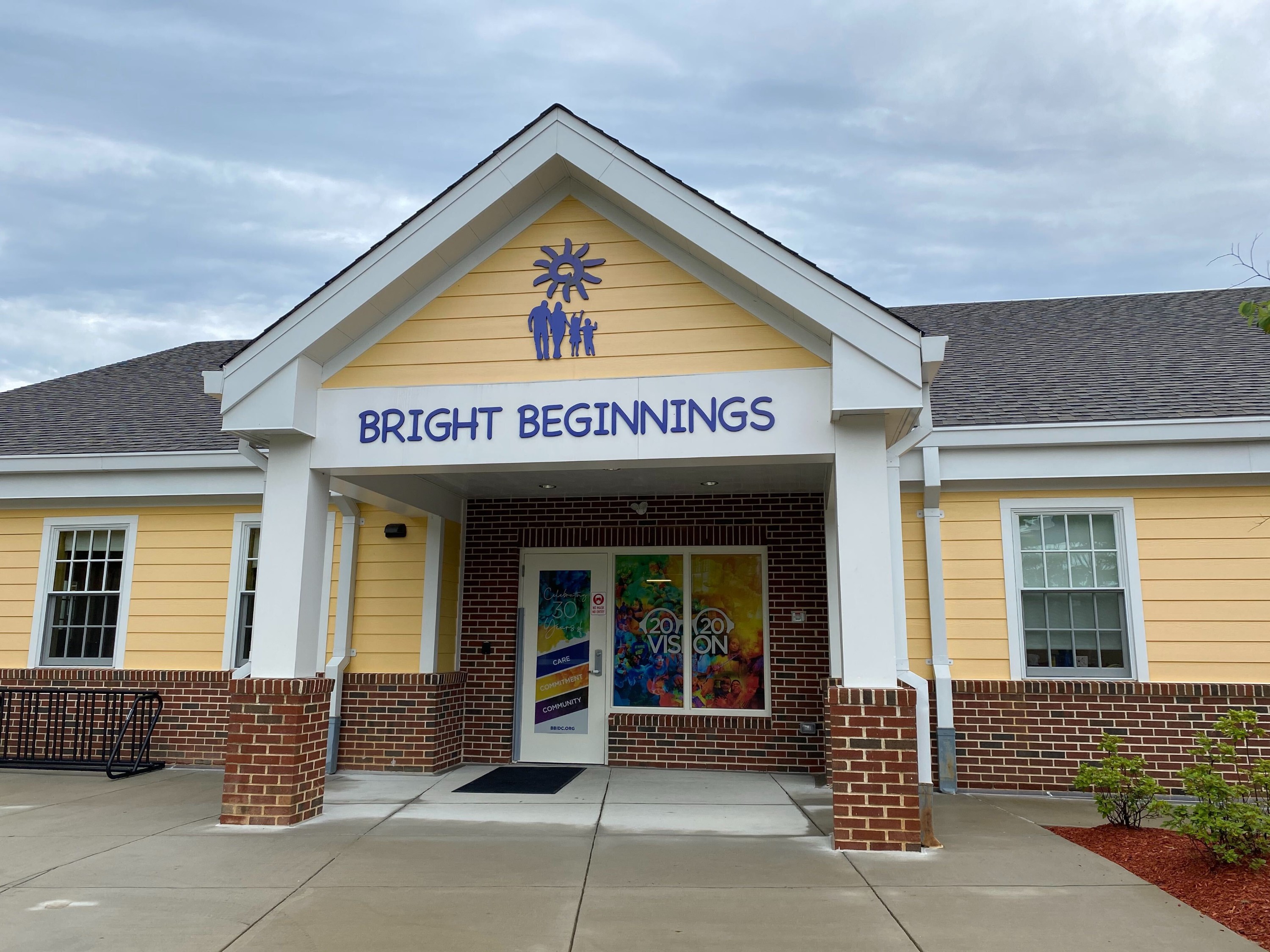
When Bright Beginnings made the difficult decision to close in March after coronavirus cases surged in Washington, the child care center distributed tablets and provided internet for its families, all of whom are homeless or formerly homeless. It also developed online learning materials and started hosting its weekly family visits virtually.
“It has been a whirlwind,” said Executive Director Marla Dean. “We were going about our business, then the pandemic hit.”
The child care center in Southeast D.C. reopened in July with physical distancing measures and a stricter cleaning regimen, spending $55,000 to purchase personal protective equipment and cleaning supplies. It invested in electrostatic spraying, a deeper cleaning process that airlines use to disinfect airplane cabins.
Cleaning costs are expected to balloon to $250,000 over the next year at Bright Beginnings, which also helps families find and maintain stable housing. Dean is not sure how the center will pay for it and other expenses, since the pandemic has upended the center’s finances.
It’s a dilemma shared by child care facilities across the Washington region as the virus pushes them to the financial brink. Without more federal money, D.C, Maryland and Virginia could lose more than 200,000 child care slots combined during the pandemic, according to a report by the Center for American Progress, a left-leaning think tank.
The financial pressure could force Bright Beginnings, which provides services at no cost to some of the city’s most vulnerable residents, to slash resources for families. Some of the services that could be cut include speech therapy for children, counseling and health screenings.
“It would just be devastating,” Dean said.
In a normal year, she said the center would finish its budget in July for the fiscal year that starts in October. This year, with most of the budget still in flux, she hopes to finalize a spending plan by September.
About 30% of the child care center’s budget — about $3 million — typically comes from philanthropies and individual donations, Dean said. Some philanthropies have not yet said if or how much they plan to contribute.
“We just don’t know what the economic landscape is going to be,” Dean said, adding workers will forgo raises this year.
The center also relies on child care subsidies from the city, which help offset costs for low-income families. The Office of the State Superintendent of Education, which oversees the subsidies, has been providing centers with their full per-child subsidies, even though many have been closed or operating at diminished capacity. But the city has not yet extended that aid beyond September.
State Superintendent of Education Hanseul Kang said the city is committed to continue providing about $9 million in subsidies to child care centers each month, including to centers that have decided to stay closed. Kang holds weekly informational calls with child care providers, and the city has distributed personal protective equipment to workers.
“We are doing everything we can to ensure that child care providers and our families have the support they need during this recovery period,” Kang said.
Kathy Hollowell-Makle, executive director for the District of Columbia Association for the Education of Young Children, said the child care sector in D.C. needs at least $50 million to survive. She fears the pandemic could hobble the progress and steep investments the city has made in early childhood education over the last decade.
“If child care does not stabilize, we will not have child care when the city reopens,” she said.
After most of the city’s child care centers closed in March, Hollowell-Makle said some operations stopped charging parents tuition — a major source of revenue for many child care centers, most of which operate on thin margins. Some also depend on the subsidy payments authorized by the city.
Child care facilities in D.C. are allowed to open with physical distancing and other safety measures. But less than 200 of the city’s nearly 470 licensed child care facilities have decided to do so, according to the association, which advocates for quality learning opportunities for children under 8.
Hollowell-Makle said some child care centers are hesitant about reopening because of the expense, which will include new costs for partitions, thermometers and cleaning supplies.
Many centers decided against applying for the Paycheck Protection Program, federal loans intended to provide relief to small businesses affected by the pandemic. The program requires businesses to repay the loan if they do not spend 75% of the money on payroll. Others that applied for the money did not receive help.
At Bright Beginnings, about 50 of 213 children have returned for child care, a decision Dean said was not easy for many families who still fear the pathogen’s spread. But she said parents, many of whom work low wage service and retail jobs, did not have much of a choice.
“The reason they brought their child back was because they were in danger of losing their job and they needed to work,” she said. “These families can’t work from home.”
Isaac Williams, a parent whose 1-year-old son attends Bright Beginnings, said the day care has provided needed relief for his family. Williams was furloughed from his job at the State Department Federal Credit Union in March, then left the job to stay at home with his two young children after his wife returned to work.
Their son, Israel, spends weekdays at Bright Beginnings, which also provides diaper and baby food to families.
With his son in child care, Williams said he spends hours preparing his 6-year-old daughter for the first grade. They read, draw and catch up on concepts Williams said she missed after the virus forced schools to suddenly close in the spring — work that is “almost impossible” with a toddler at home.
He’s also noticed improvements in his son’s behavior. The boy is less angry. His speech and walking abilities have developed.
“My son being there has truly changed the dynamic in this household and truly made things 100 percent easier for our family,” Williams said.